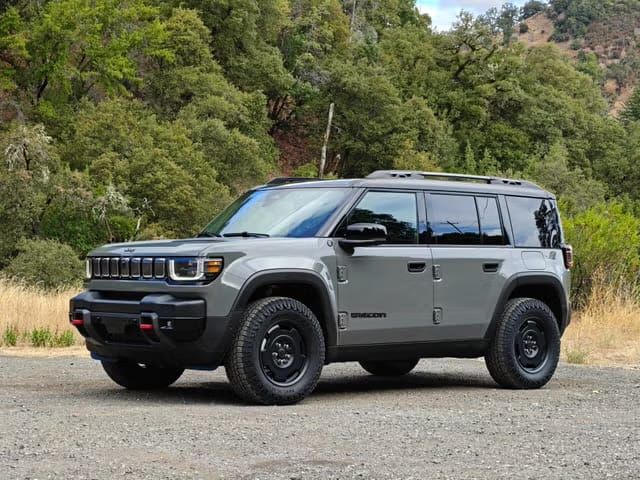
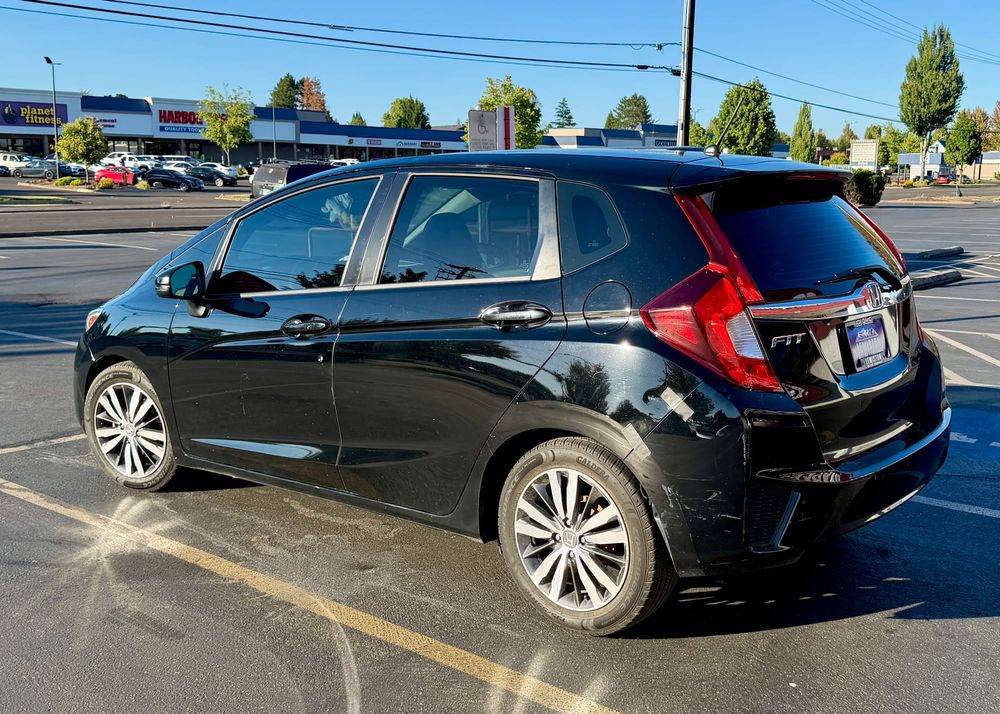
The car industry A/B tested selling a car with and without CarPlay and the results are not shocking

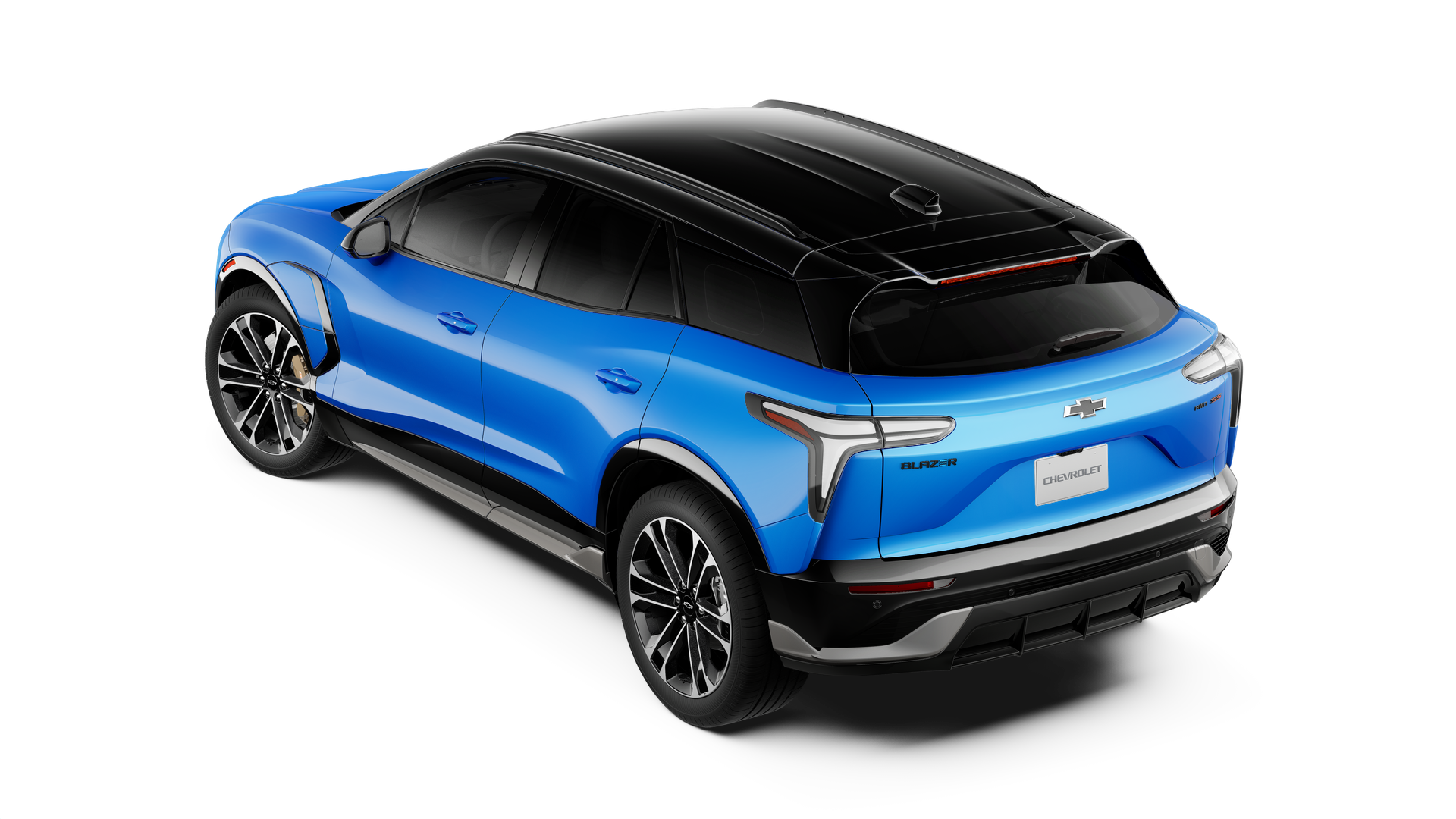
A couple years ago, GM made waves by saying that soon, all their new cars would be completely free of Apple's CarPlay and Android Auto support, instead opting for the "Android Automotive OS" in their cars.
Admittedly, I'm a huge fan of CarPlay for basic safety reasons and how it lets you hear or send texts without ever having to look at or touch your phone, so I was not happy to hear this news. I remember when this was first announced for Chevy EVs and when it was later expanded to all their cars in the future and the resounding response was that car buyers were PISSED.
Chevy claimed they were doing this for privacy reasons, that none of your driving or phone data would go to Apple any longer, but instead it would all go to Google (who would likely share it with General Motors, the owners of Chevy).
Chevy seemed to ignore the uproar from their fans and went ahead with it anyway, and as far as I can tell, all 2025 Chevy electric vehicles shipped with the Android Auto OS and don't interface with your phone beyond bluetooth or let you see CarPlay or AndroidAuto apps on your dash.
The accidental A/B test
Honda, much like Toyota and Subaru, didn't have a robust EV research and development program and kind of lagged behind their rival auto companies on selling EVs, so they partnered with other auto brands to rebadge, rebrand, and resell versions of cars made by other companies.
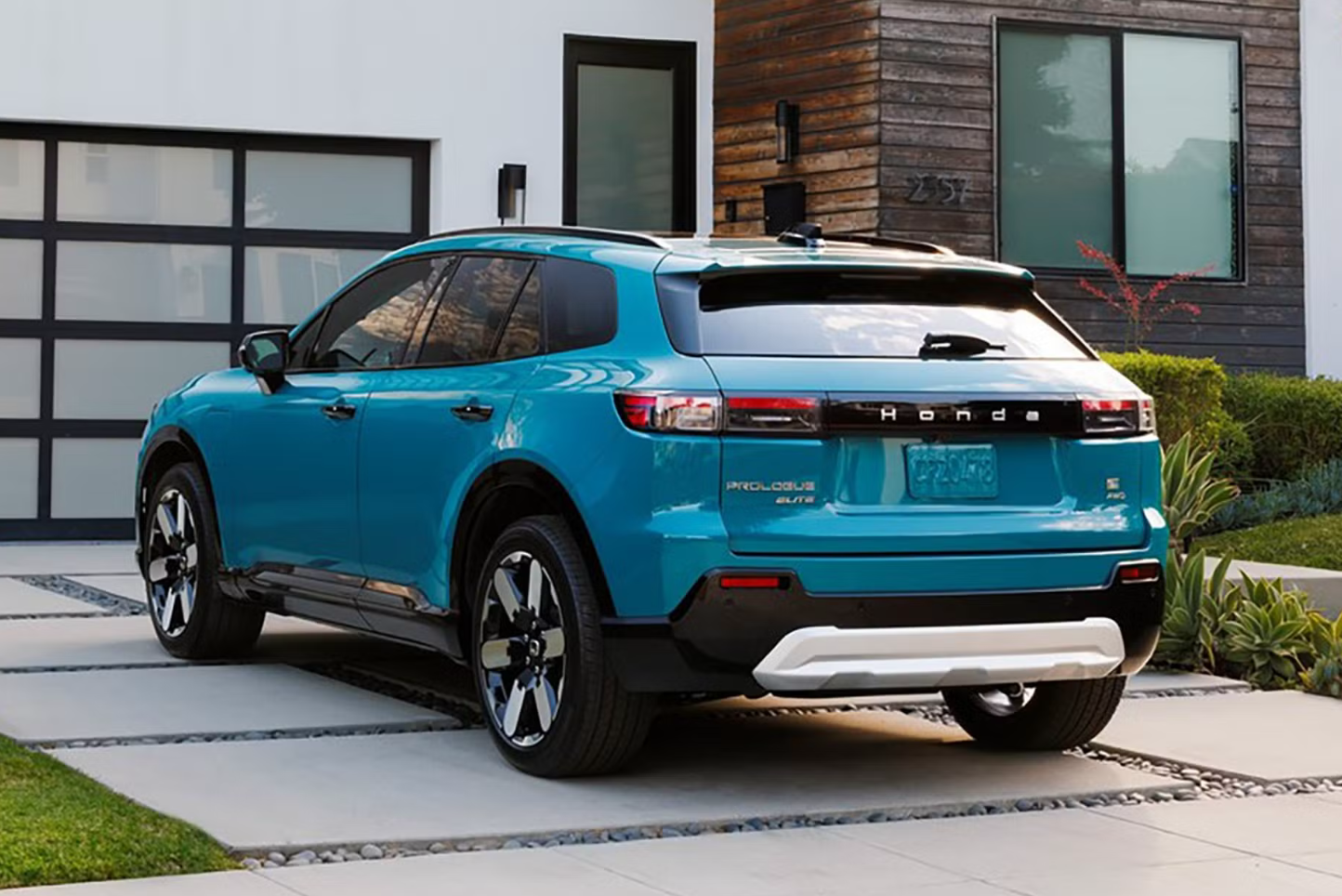
One case in point is the Honda Prologue EV. It's a partnership between Honda and Chevrolet, where the Prologue is basically a Chevy Blazer EV with Honda badges, slight visual differences in the sheetmetal and interior, but all the underpinnings are straight up Chevy. Even though the keys say Honda on a Prologue, it's a General Motors key design with a Honda logo over it.
But one big difference the Prologue has from the Blazer it is based on is this: it includes Apple CarPlay and Android Auto integration.
The car industry accidentally did something I've always wanted to see, which was to release basically the same car under two brands and models, with one major consumer-facing difference. It's kind of remarkable how good of a experimental design this is, since the performance and driving characteristics of both cars are identical, but drivers in one model get a major phone integration the others do not.
So how did that work out for Chevy?
You can look up actual sales numbers in GM and Honda's annual reports of sales they're required to publish to investors, and here are the results for the last 2.5 years they've both been sold in the US:
Note: The 2026 figures cover January through June and are not full-year totals.
The last column on the right is the most telling. For the years these cars were sold together, the Honda outsold the Blazer by 43%, 73%, and 166% in each time period. Today in 2026, people are buying a Honda Prologue over one and a half times more often than the Chevy Blazer EV the Prologue is based on.
Of the total number of EV sales between the two brands, here's a graph of how many sold were Hondas (orange) and how many were Chevys (blue):
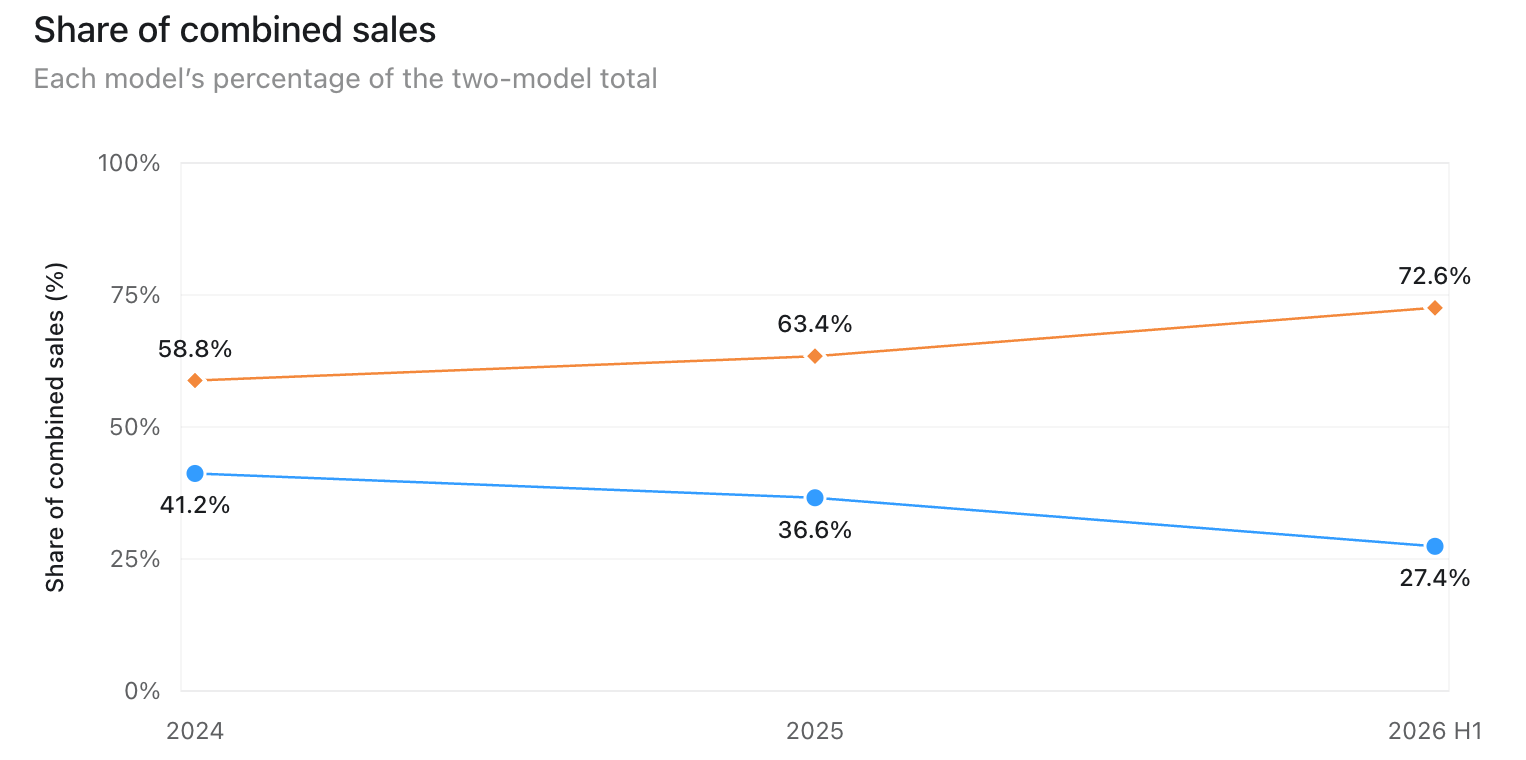
Give consumers a choice, and they'll take the best option
Drivers want more options for how they interact with their devices, and they are increasingly preferring to buy a Chevy covered in Honda badges that comes with phone integrations instead of buying the actual Chevy the Honda is based on, which lacks it.
I wonder if Chevy will ever backpedal from their choice to remove CarPlay and Android Auto? Drivers seem to be voting with their dollars on the question, and they're voting favorably in one direction on this issue.
Now that the market has spoken loud and clear, will General Motors listen?
(This post inspired by a toot my pal Pat wrote months ago that made me want to look up the latest sales figures today)