Everything I learned when buying a used Honda Fit

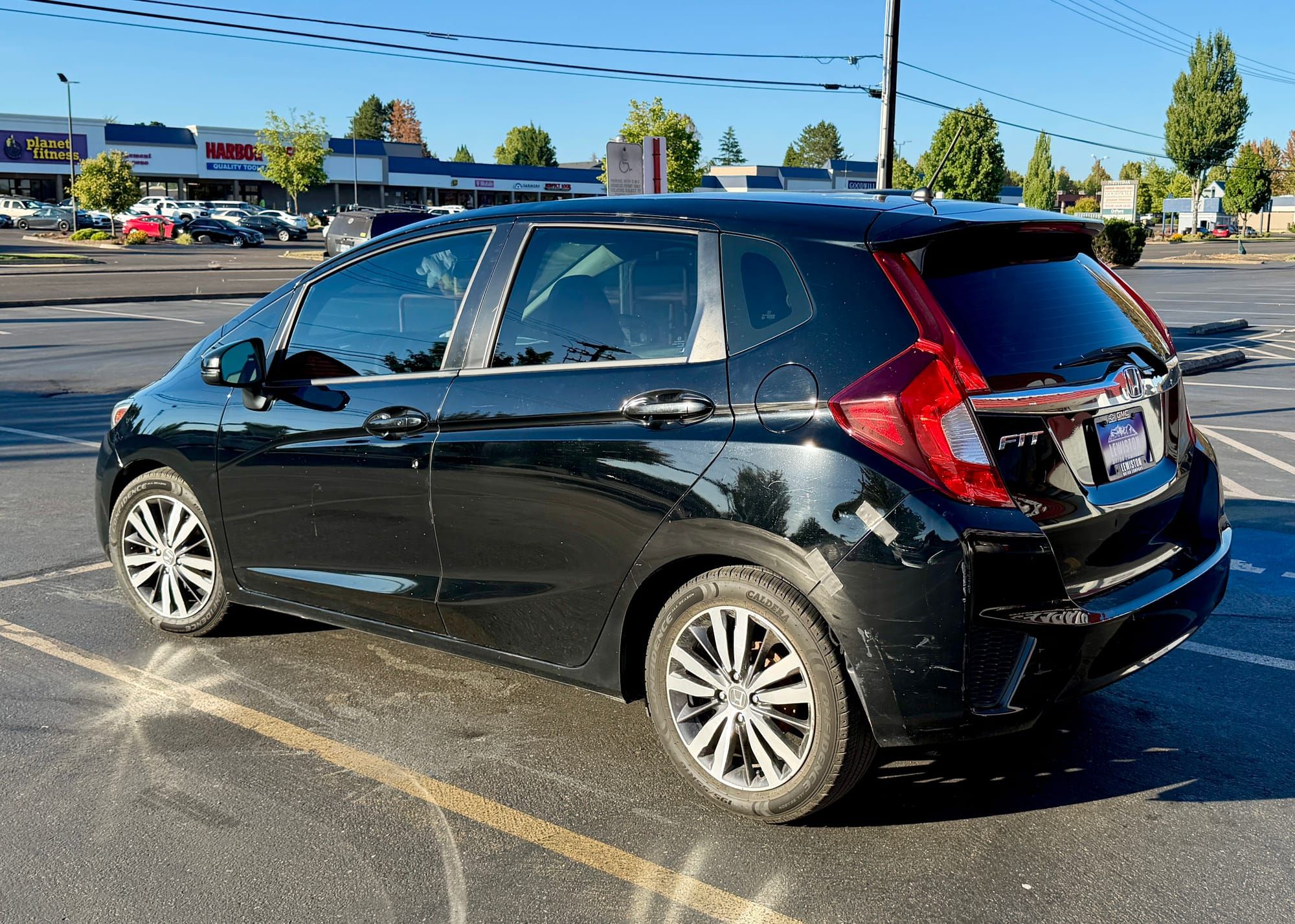
The first time the Honda Fit made me stop and think "huh, maybe that is a useful car?" was when I read this review at Cool Tools where it sounded like it was as handy as a small truck, got over 30mpg, and was reliable as hell.
Then I got to sit in one at an auto show. It's roomy and visibility is great. It's really incredible how much bigger it feels inside for such a small car, plus the "magic seat" in the rear can fold down or completely up, giving you ample space for large things you'd never think could fit in a Fit (I guess that's why they gave it that name?).
For years after, whenever anyone I know needed a cheap, reliable, safe car for their newly-licensed driving kids, I'd give the same answer: just buy a used Honda Fit. I know several friends that followed this advice and I've never heard any complaints.
The funny thing is that I didn't even know Honda stopped making them until 2022 when a friend asked which small car would be perfect to use in a city and I suggested they get a new Fit. The last time I looked at the Honda Fit was around 2020, the last year it was sold in the US. The top tier model, the EX-L, came with leather and heated front seats, which was kind of remarkable for a car that only cost about $20,000 new. My friend was bummed there were no more new Fits and ended up buying a Toyota instead.
Inexpensive doesn't always mean cheap
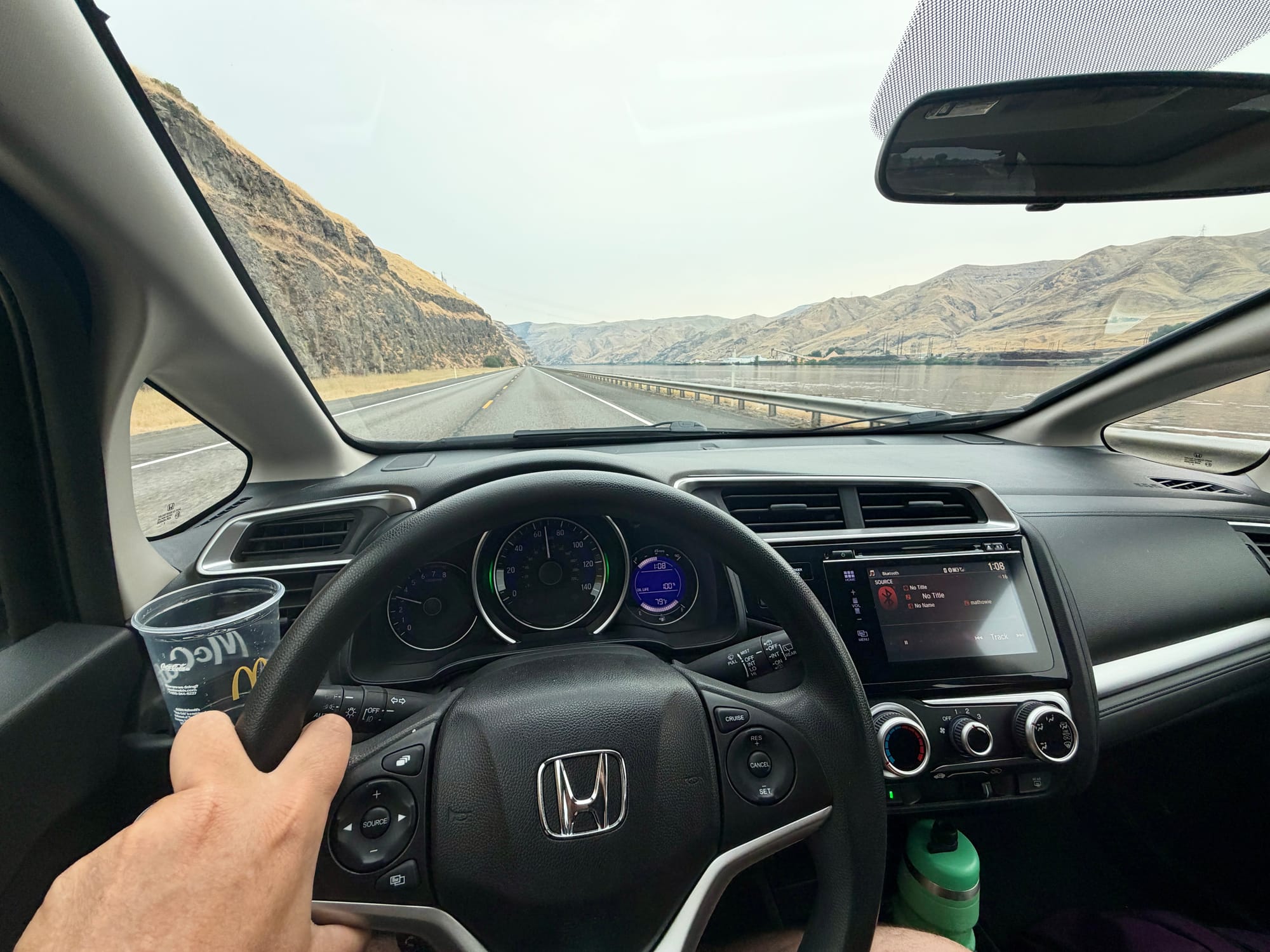
The Honda Fit is a unique car, in that it was inexpensive, but still built relatively well for its price. It's highly reliable, and nothing about it feels cheap. The gas tank only holds 10 gallons, so it doesn't cost much to fill up and drive. It's downright dignified how a growing family can buy one without being forced to replace it in a few years from normal use like other truly cheap cars.
The Honda Fit sold really well for Honda, with about 750,000 units sold in the US between 2007 and 2020. I see them everywhere now that I spent a few months researching a purchase.
Things to look for when buying a used Fit
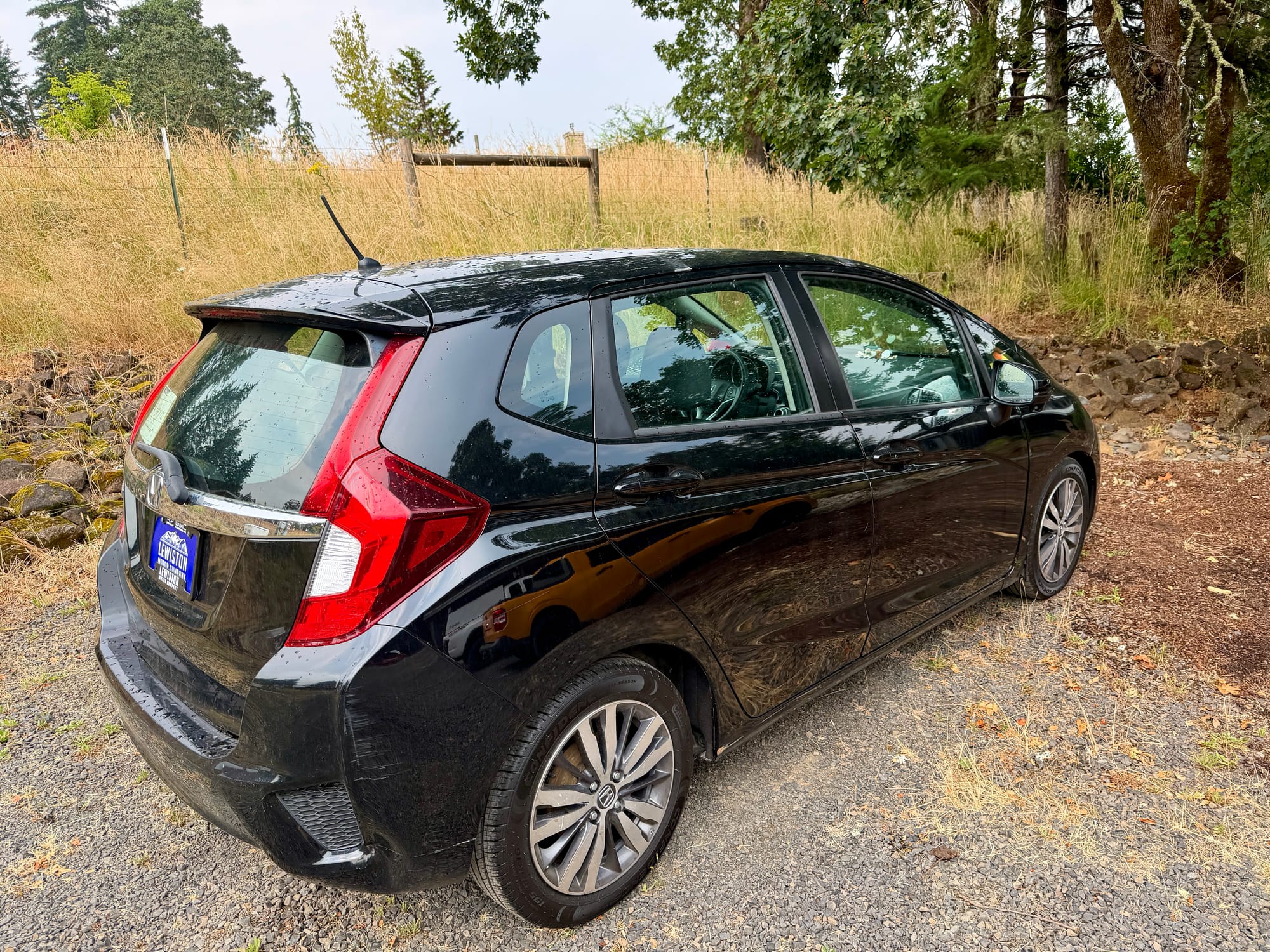
Two generations of Honda Fit were sold in the US, but I wanted the most recent version, which was sold as the 2015-2020 model years. It's still big inside for its size, and has good safety ratings.
My general advice when buying any used car is to look for a high trim model, because when you're comparing used cars today, getting all the options might only cost you a few hundred bucks over another used base model car. But when these cars were new, the cost of extra options might have been several thousand dollars. To get the most comfortable car I could, I looked for only the EX or EX-L models (the EX-L only came in an automatic).
After reading a great number of reddit and honda forums, here were my rules of thumb when searching for one to buy:
- A Fit can go for 200,000-300,000 miles easily with routine maintenance, so I was looking for a 2015-2020 model with around 100,000 miles on it for around $10,000.
- I think it's important to buy one with a clean title. Whenever I searched Facebook Marketplace for one, almost all the good deals were for Fits that were previously in an accident. Salvage titles aren't necessarily a death sentence, but when you're searching for a car, you might as well avoid ones that suffered an accident, especially when you can't tell how severe an accident was.
- I even searched CoPart local auctions and you can see where all the Honda Fits that were in accidents are coming from, but I never found one I thought I could fix cheaply myself.
- Honda Fits with a clean title are easily found at dealers on their used lots as trade-in cars, and I used Visor.vin to track good examples down.
- Dealers charge a lot for a used Honda Fit! There are even examples of people selling a used Honda Fit today for more than the cost of the car's original sticker price.
- I found non-Honda dealers typically sold them cheaper than Honda dealers.
- You have to move fast. When a good deal came around on a Honda Fit at a local dealer, it was sold before I could even test drive it the next day.
- There are about 1,000 Honda Fits for sale nationwide from dealers on Visor.vin and I set it up to get a daily email with new listings that I would check each morning.
- I found a Honda Fit in Idaho that met my needs and I was the first customer to call about it when it hit their lot. The next day, the dealer had people from Minnesota and Florida interested in buying it, so I purchased it online before I even got to test drive it. This was something I've never done before but I already lost out on three other Honda Fits I wanted, but sold too quickly.
- Many dealers pay for CarFax reports on their cars. If you can view one for free, definitely check it out, and look at its maintenance history. If previous owners mostly serviced them at a Honda dealer, you can trust the car was well taken care of and will likely be reliable since Honda mechanics regularly touched the car during its life. If you mostly see them getting oil changes at a Jiffy Lube, some basic maintenance was probably skipped.
- Visor.vin lets you search for every specific option, so if your heart is set on the cool but weird purple color, or the awesome orange paint that Honda Fits came in, you can limit your searches to those.
Engine wise, here are things I learned:
- The 2015-2016 models can have injector problems but Honda did a recall to replace them (the cost of new injectors is about $1,000 with labor) so be sure one you are buying already got the recall work done.
- Ask a seller to record a video of a cold start of a 2015-2020 Honda Fit you are considering. If you hear a loud 1-to-2-second rattling or grinding noise, that's a failing VTC (Variable Timing Control) actuator, which is another $1,000 repair.
- For a real cold start video, ask them to record turning the engine on so you can hear the engine come to life, then have them pan over to show the dashboard where you should see a blue temperature icon warning that the car is cold. If you see the blue icon you know they really recorded it after letting the car sit for 8+ hours
- The automatic CVT transmission can have issues in the 2015-2020 models. If you don't maintain them, they fail and I saw several used Fits with replaced transmissions. The consensus on reddit is that if you do a fluid flush on the CVT every 50,000 miles (instead of the suggested 100,000 miles) the car will run well forever.
- Personally, I avoided the CVT problems by only looking for a manual transmission Fit, but on Visor.vin, there are only about 50 manual Fits for sale nationwide at any time, making the process of finding one more challenging. Plus, driving a slow car feels fast when you get to pick the gears.
In terms of interior electronics, I learned:
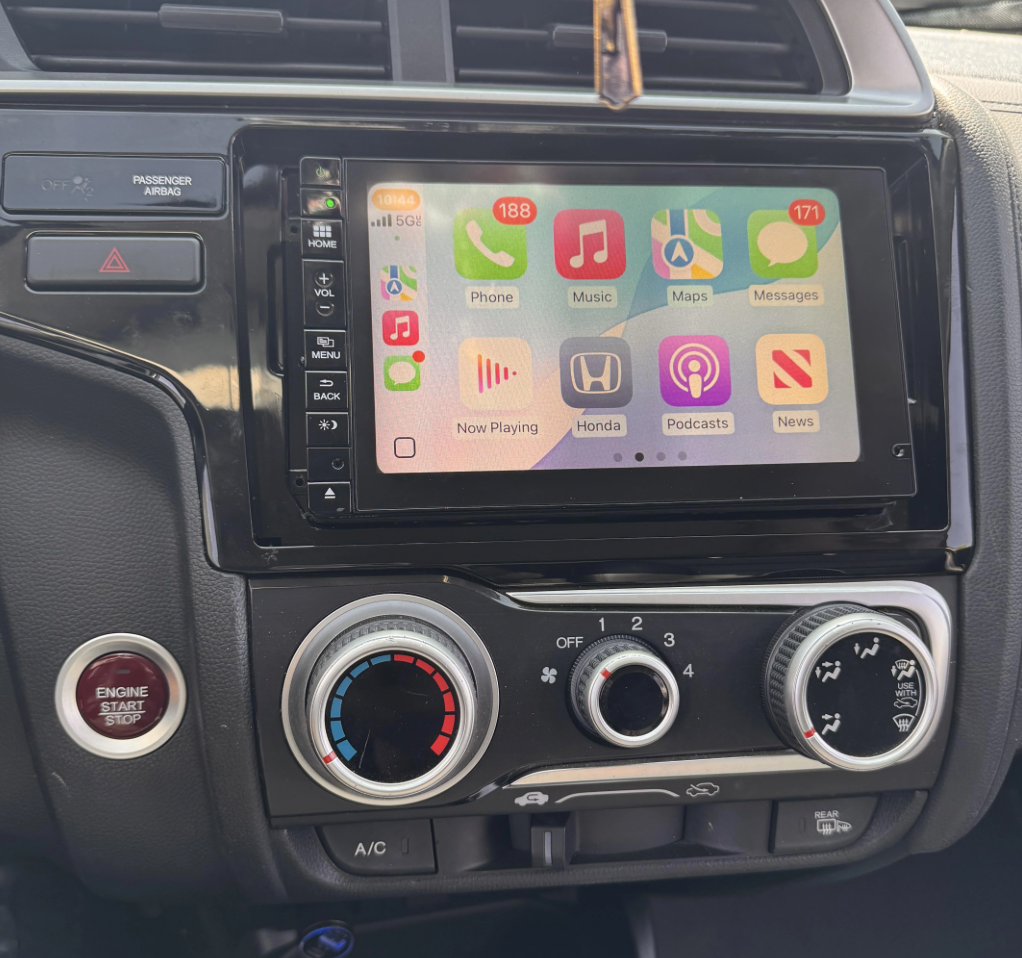
- CarPlay was only available on the 2018-2020 model years, in the EX, EX-L, or Sport trims. The LX base model never came with CarPlay.
- For 2015-2017 model years, you can swap out the stock stereo with a 2015-2016 Honda CRV touchscreen stereo if you buy a no-navigation model, then update its firmware to add CarPlay. I found one from a junkyard on eBay for about $150.
- All the plugs are shared between the Honda Fit and the Honda CRV of those years, so it's seamless and every feature like the backup and blind spot cameras will work.
The verdict? It's a solid car
So far I've tinted the windows and bought an old CRV radio to get CarPlay into it. Next, I'm putting a small amp, subwoofer, and updated door speakers to make it sound better.
I bought this car for a family friend who needed something reliable that was cheap to drive.
When I drove it off the lot, I got a low fuel warning, and filling it up only cost me about $30 for 8 gallons of fuel. The car got over 35mpg on the way home so I didn't even need to fill up again for my 250 mile return trip.
It's a bummer Honda stopped selling the Fit in the US, as it was a popular, reliable, inexpensive car. I assume they made better margins on more expensive models like the Honda CRV and they focused on those instead, since they not only halted production of the Fit, but also the HRV, which was a subcompact crossover that shared the same engine and chassis as the Fit.