Dodge/Jeep made yet another EV that no one wants, nor needs, nor will buy

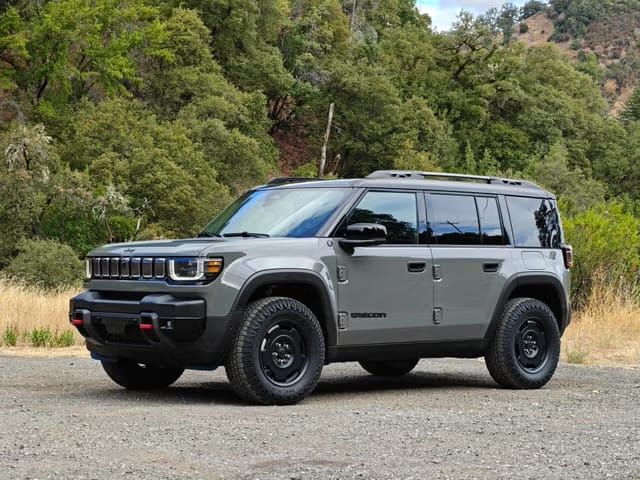
Stellantis, the company behind car brands like Fiat, Dodge, and Jeep, has a rocky history of releasing plugin hybrids that burst into flames as well as EVs that are consistently reviewed poorly and sell in ridiculously low quantities.
Let's recap their EV journey so far.
The Jeep Wagoneer S
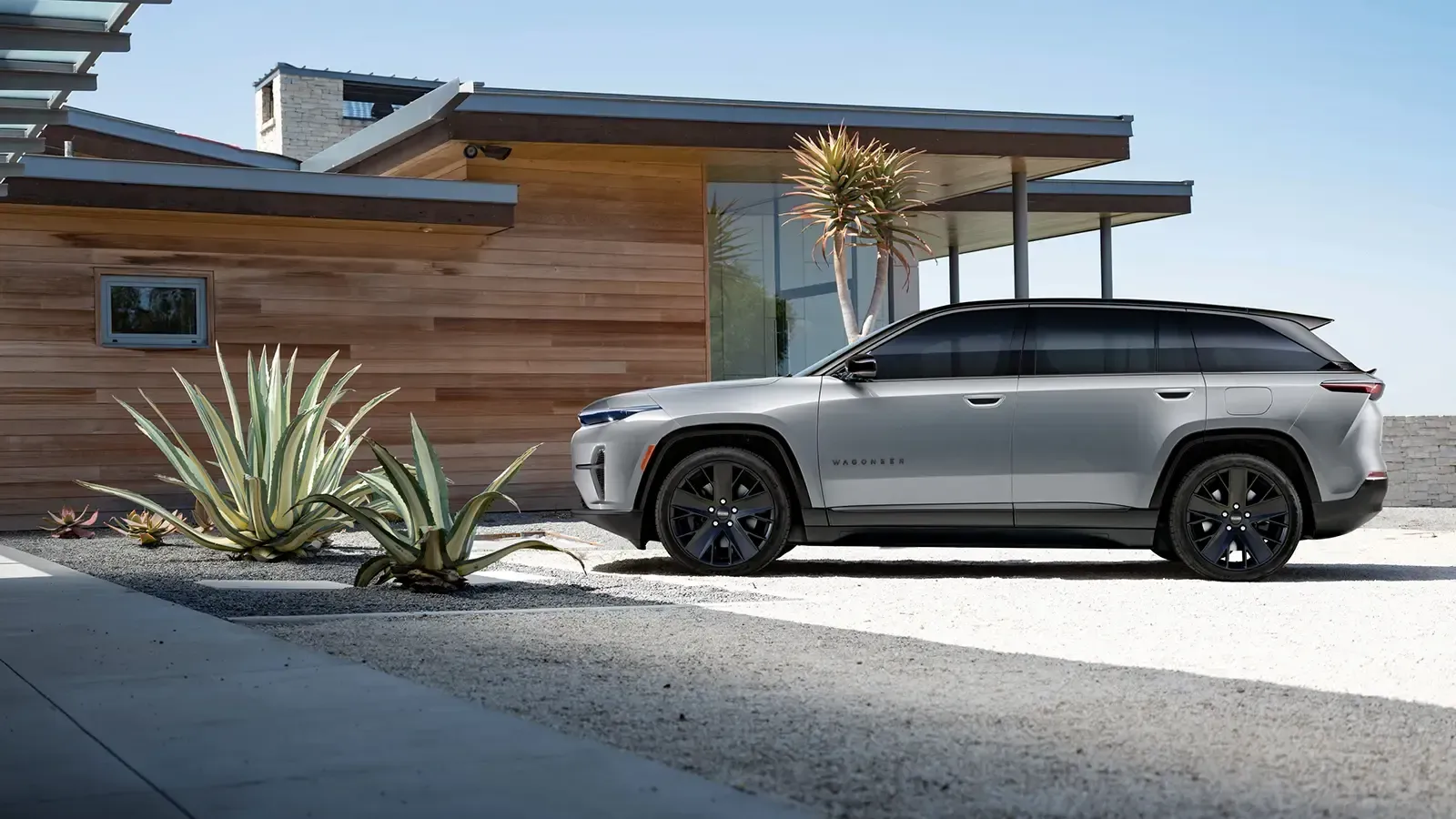
In 2024, Jeep released the Jeep Wagoneer S, a pure EV luxury SUV that was a little odd. For one thing, the Wagoneer badge had come from a classic off-road ready family hauler, but this is a 600hp pavement monster not designed to touch gravel roads. The name they chose for it is confusing because Jeep already has a relaunched Grand Wagoneer model that they've sold for a few years but it is more of a competitor to the Chevy Suburban, a family-sized luxury truck. So this Wagoneer S EV shares nothing with its namesake vehicles.
The Wagoneer S came out two years ago, and right now you can find these $72,000 luxury EVs selling for below $30k. It sold so poorly that Jeep canceled it in 2025 and there are no 2026 models.
The Dodge Charger EV
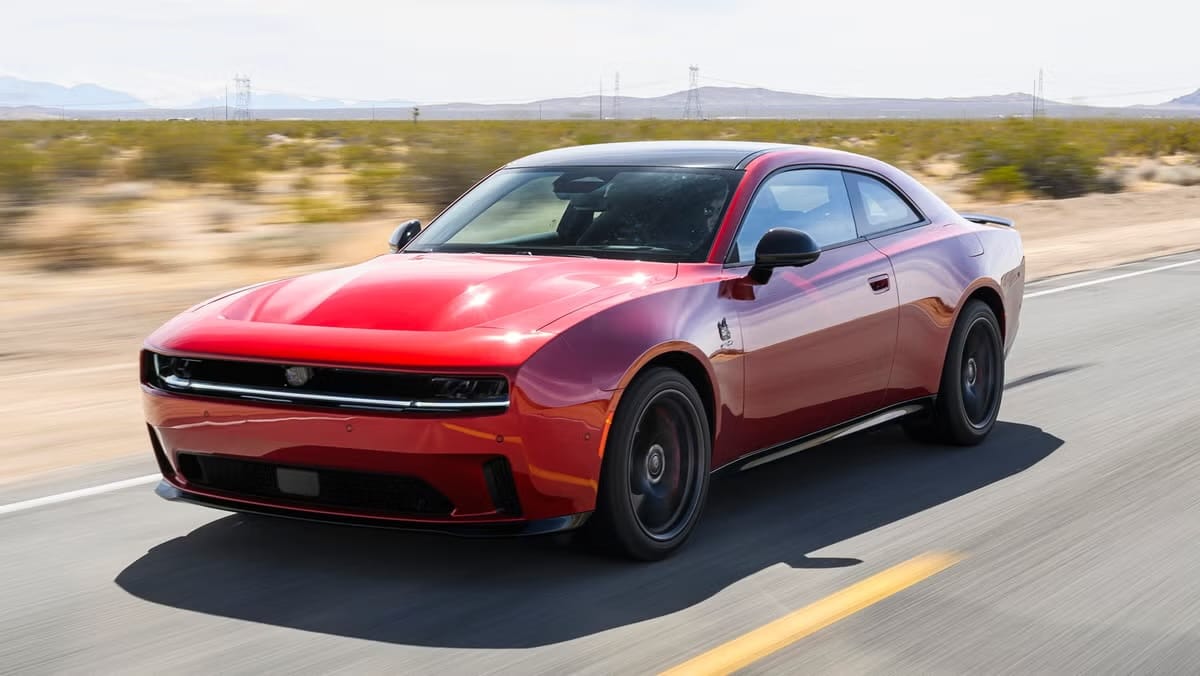
The Dodge release of an all-new Charger, their long beloved muscle car brand, as a pure EV in 2024 was a spectacular failure.
First, they tried to sell these cars to guys in America who wear their preferred internal combustion engine like a badge of honor. No amount of "but an EV has way more torque and will be faster than any gas version of this same car!" would convince them that this wasn't a "wimpy EV" that they wouldn't be caught dead in. A typical Charger customer probably makes a derogatory joke about a Toyota Prius at least once a week in their daily lives, and Dodge thought they'd buy this?
Masculinity is so tied to the Charger brand that I don't know what they were thinking when they decided to make a new version of the Charger, initially available only as an EV for their existing customer base. They could have named the car anything else so there was no confusion for their biggest fans, but they didn't.
The second biggest mistake was that they made a gas version of this car, but it didn't come out until a year later, so fans of a new Dodge Charger knew they wouldn't get the car they really wanted for a whole year. When that did come out it had a smaller engine than previous versions and that's not selling too well these days, though people are still lining up for the souped up Hellcat model.
Every review I read about the Charger EV said it felt half-heartedly rushed to market, had a dumb super loud fake exhaust speaker to sound like a gas car (who wants that?!), had no EV trip planning software in the dash (bold choice, Cotton, let's see how that works out for them), it was overpriced, and it was made for a driver that doesn't currently own (or even like) any of Dodge's cars.
On the plus side, I think it's still the only 2-door EV you can buy in America, which is kind of cool, but this car arrived on Dodge dealerships in January 2025 and less than two years later can be found gently used down to $25k (original list price was $60k).
Jeep's plugin-hybrid disaster
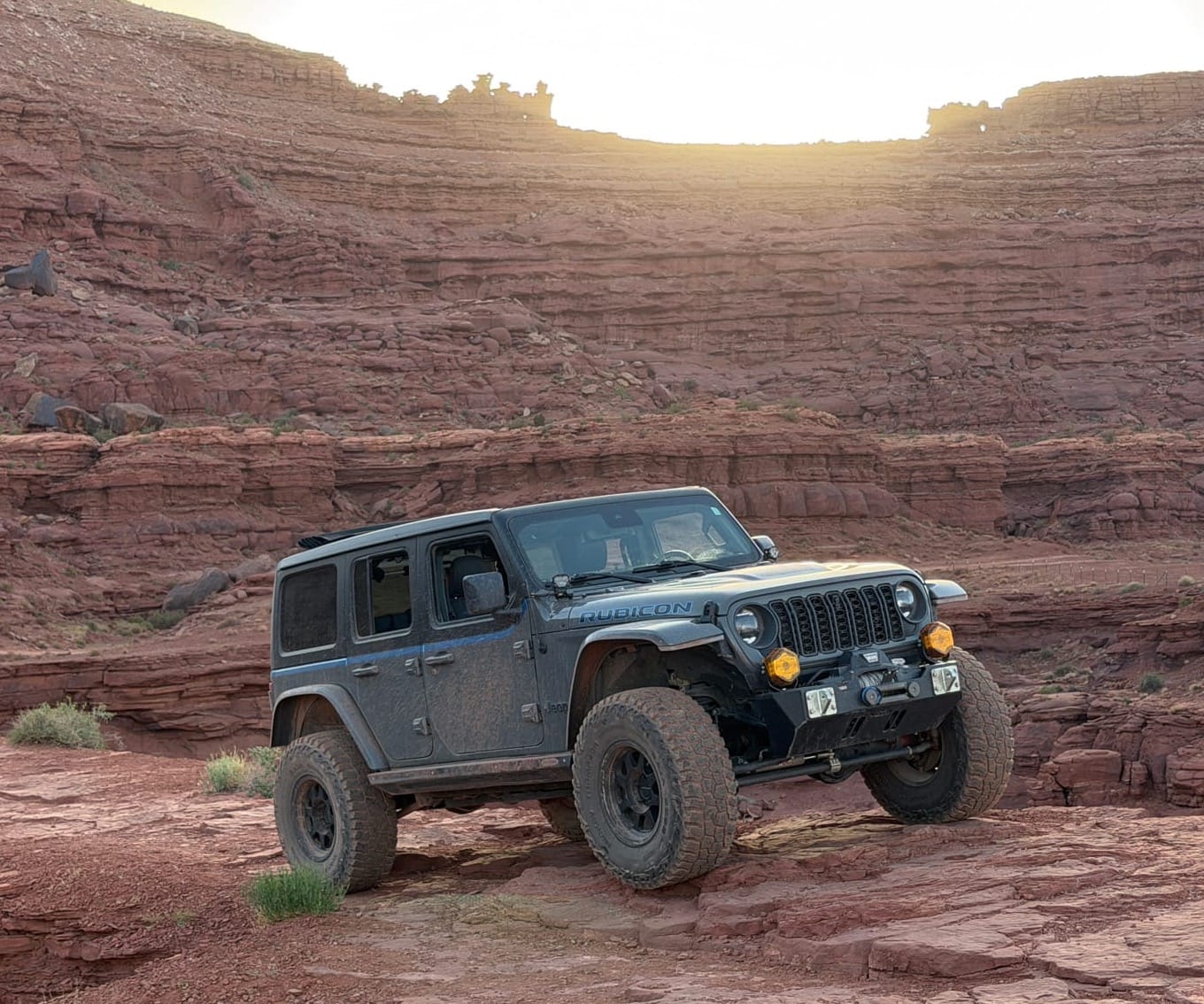
This one hits close to home because I actually own a 2022 Jeep Rubicon 4xe plugin-hybrid that I've built up into a capable off roader. I've written about its checkered history in my own garage, but the short version is my Jeep has spent weeks to months in the shop getting recalled parts replaced, including the entire battery system earlier this year.
Personally, I wanted this kind of "best of both worlds" Jeep to work, since it lets me drive it as a pure EV on errands around town, but I can also drive it to Utah (while getting 15mpg, lol) to explore trails out there. What I've found in practice is that it gets about 12-15 miles of electric range so I can run one or two errands in the city on a full charge. The added weight of batteries and all the extra wiring does hold it back off road a bit, since similar Jeeps save about 500lbs of weight over this model. The 4xe trim also limits some of the modifications I can do to it.
Jeep has had to recall the 4xe several times, including the letters I got from Jeep on two separate occasions that urged me not to park my Jeep in a garage for several months because a few dozen of them spontaneously burst into flames across the country.
Jeep's new Recon is pretty weird (and not in a good way)
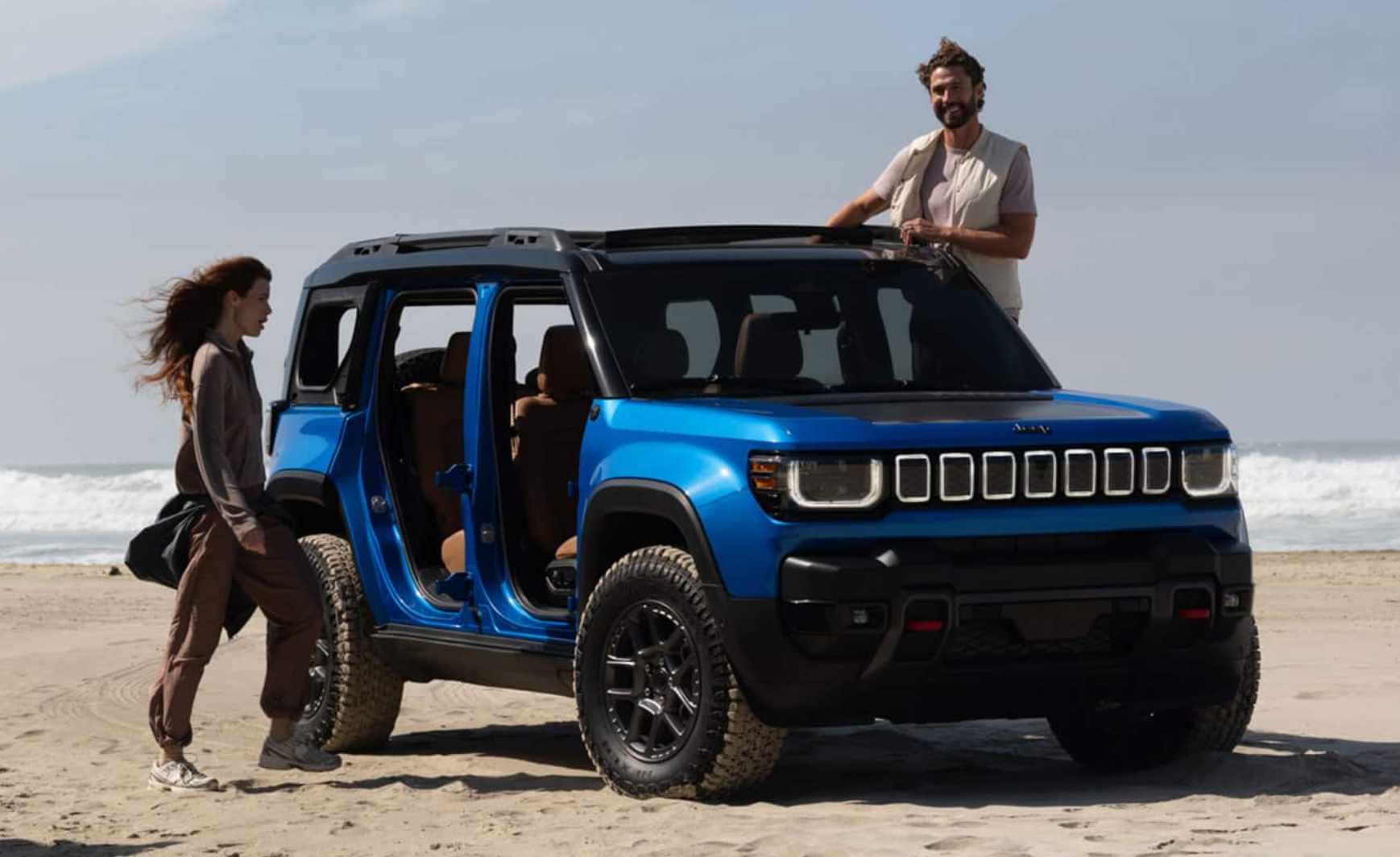
Jeep's newest off roader is the Recon. They boast about how it's "trail rated" so it can go deeper off-road than other EVs, but that's an extremely low bar. They also talk about how fast it is, with its 600hp motors, but going fast isn't really what is needed in off road capable jeeps.
The Recon EV is chunky, blocky looking, and comes with all-terrain tires. What I've found after driving thousands of miles in EVs is that tire rolling resistance and aerodynamics are some of the biggest deterrents to an efficient EV. I've watched early launch videos of Jeep enthusiasts driving the prototype Recon and even at 100% battery, the dashboard frequently shows a range of 195 miles or so.
A sub-200 mile range for a $60-70k EV is going to be a tough pill to swallow.
Doors off
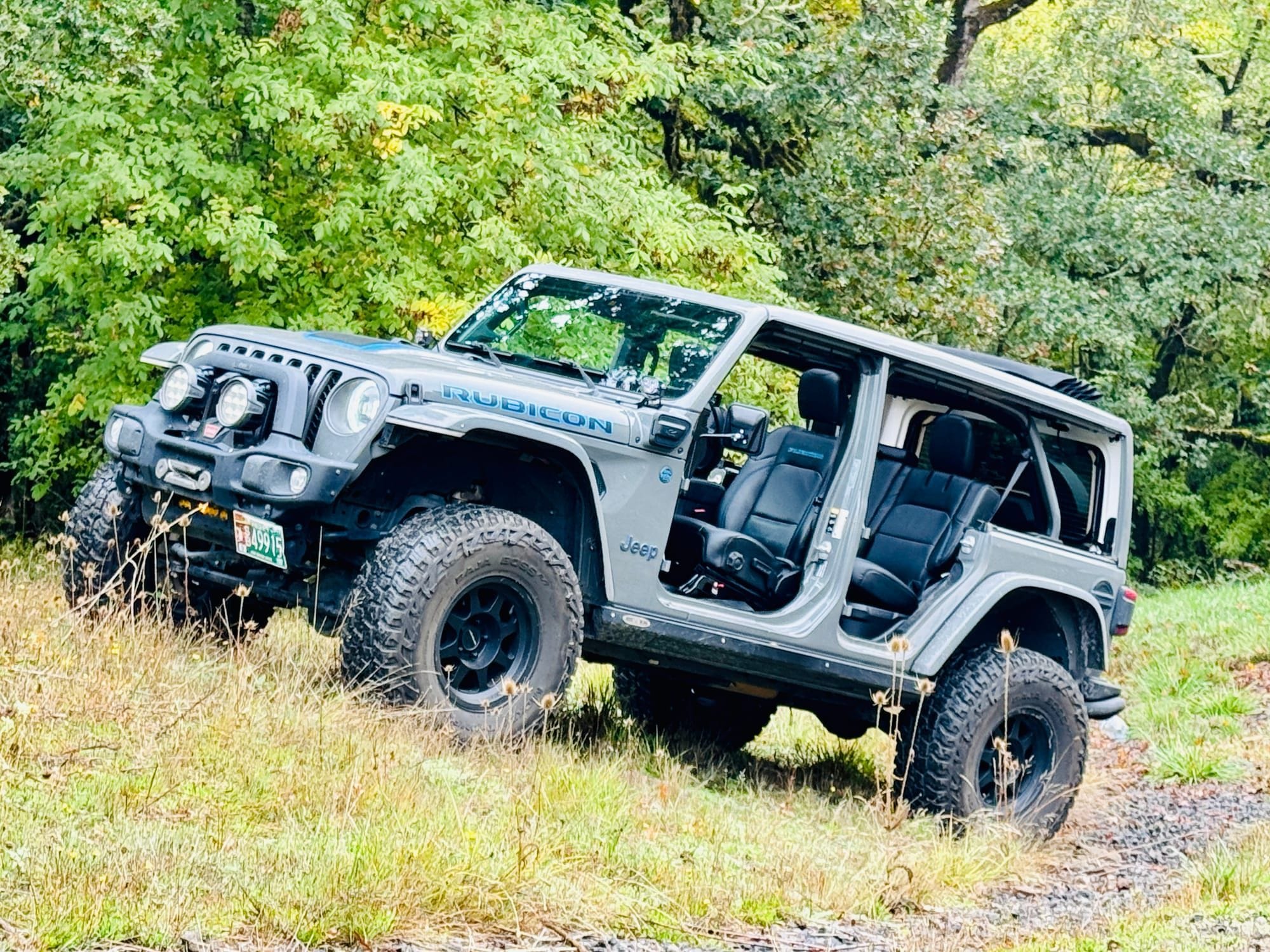
The doors coming off is another big draw in the Recon marketing, but honestly, as someone who owns a Jeep and has taken my doors off, I only use the feature for spotting rocks on particularly gnarly terrain. I would never take a Recon on hard trails because no matter how much they protect the battery pack underneath, I wouldn't feel comfortable dragging the belly of this EV across rocks and expecting nothing bad to happen immediately after.
I get that people like a doors-off open air feeling at the beach, but the feature was originally developed for hardcore off road use, and it provides no benefit in that regard because you'd never take the Recon on trails that required that level of rock-spotting. The removable doors also make the Recon look uglier and chunkier and I would prefer to see one without them.
Market fit
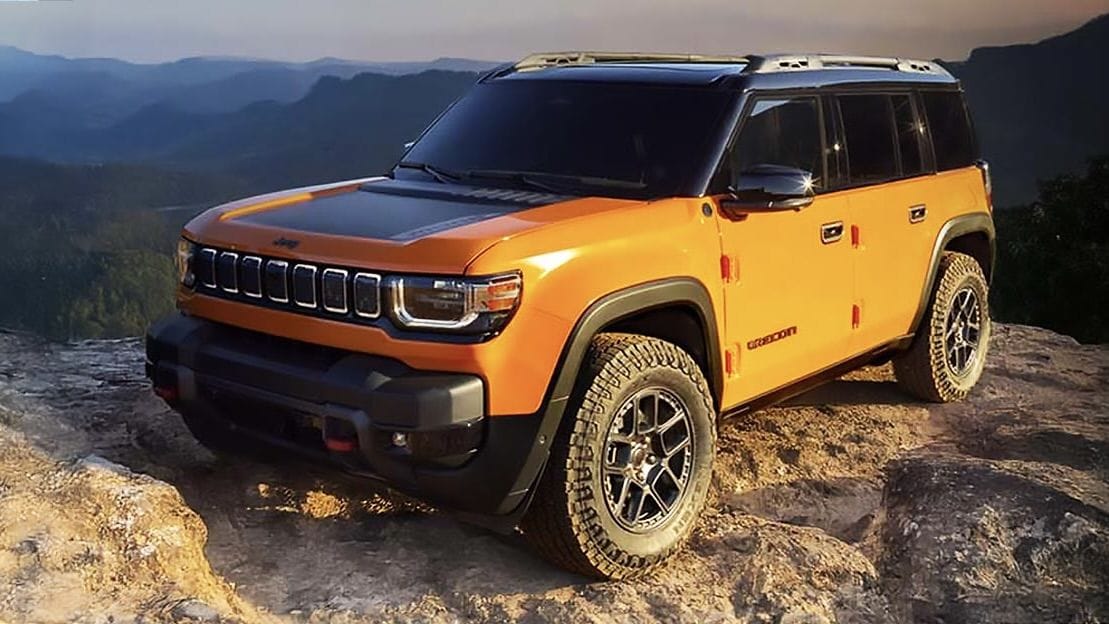
The Recon is being pushed as something close to a Jeep Wrangler in what it can do, with every photo I've seen of it being tested out in remote wilderness, on rocky trails, and fording streams.
But it's a compact SUV with a little ruggedness added. It's much closer to a Ford Bronco Sport in terms of actual off-road capabilities. It's more of a smaller version of a Toyota Highlander than a Toyota 4Runner.
Jeep keeps pushing the Recon as an adventure vehicle that can do anything and go anywhere, but as someone that has owned several EVs and now an electrified Jeep, I think its trail capabilities are way overblown and Jeep is misleading their customers. Additionally, Jeep's pursuit of adventure in the Recon takes away too much from what makes driving an EV great, like quiet, efficient, comfortable driving.
Jeep produced a new EV that can't really go too far beyond where other EVs can. Realistically, you can take a Recon on gravel roads and up mild mountain passes but given its low ground clearance I would not take this on pretty much any challenging off road trail anywhere.
The Recon also suffers from range issues more than other EVs, with an upper bound at 200 miles for their Moab version. The Recon needs recharging every 100-120 miles in real world driving and that's an issue because the places with trails where you want to explore off road are always an hour's drive or more from any town with an EV charging infrastructure.
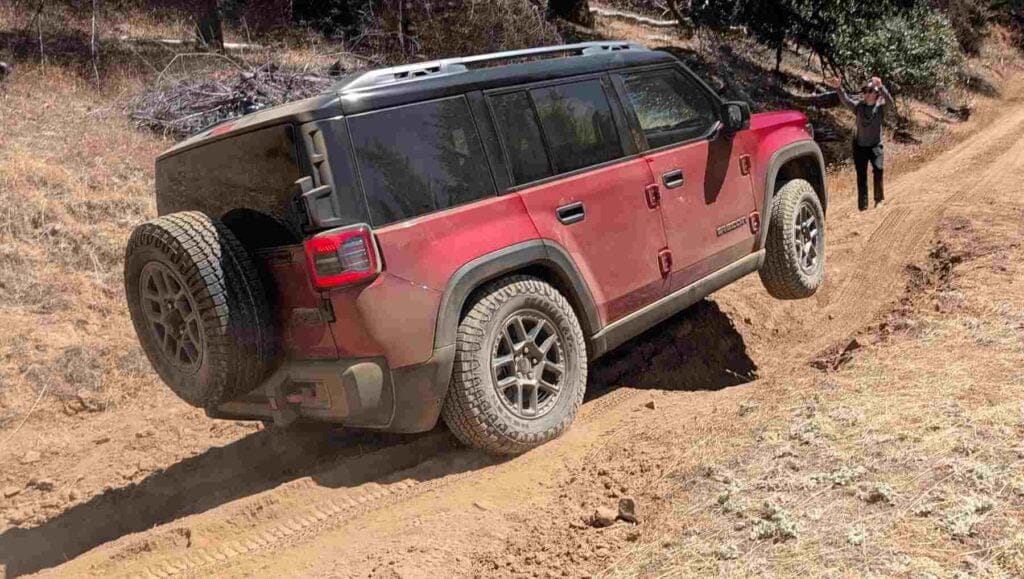
Honestly, I'm the exact target market for the Jeep Recon. I'm interested in EVs and have owned several over the past ten years. I love exploring off-road trails so much that I spent the last few years building my own Jeep dedicated to it.
This should be the perfect new vehicle for me, but:
- It's not a good EV thanks to a blocky design on chunky tires sucking much of the efficiency out of it
- It's not a good off roader because it's just slightly more capable than a Subaru Crosstrek wilderness edition.
I predict the Recon will flop like Stellantis' previous ventures into EVs.


