The AirPods Max 2 are better at noise cancellation than the previous version

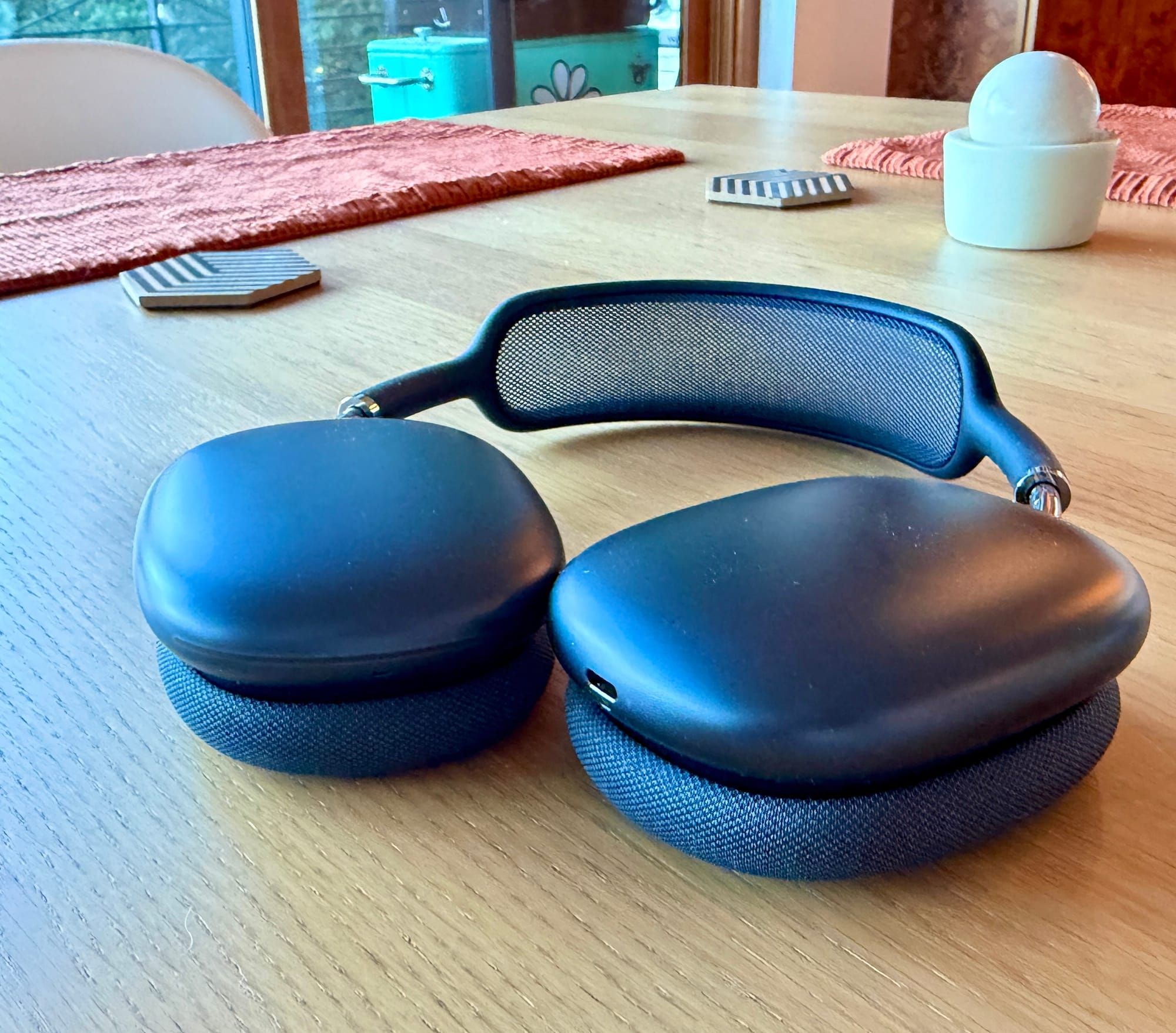
I've long been a big fan of over-the-ear, old-school big headphones for comfort and sound quality reasons. It's also because I generally don't like to stick things inside my ears. Apple's ear buds are mostly ok but I dislike in-ear models that you push deeply into your canals to seal out noise, like AirPods Pro or high end in-ear things that musicians and singers use. I'm not a fan of those at all.
I've had a pair of AirPods Max headphones since they came out and I've loved them, though you do sweat quite a bit since they keep your ears pretty warm no matter what time of year it is. One thing I will say though is they are wildly overpriced at $599. They would still be a very high-end device at $299 or $399, which is where I think they should be priced. Years ago, I used home office funds provided by my job to get my first pair.
And while they are a bit heavier than most over-the-ear headphones, I can wear them comfortably for 4-5 hours at a stretch and whenever I'm writing in a strange place, the noise cancellation is a killer feature that lets me shut out the world and concentrate on work. They also come in clutch any time I fly, and I know I travel to new cities feeling fresher because I didn't have to listen to 90dB of jet noise for several hours.
Headphones vs. Sunglasses

Before I ever thought to depend on noise-cancelling headphones for anything safety-related, I did a bunch of research, asking questions on Ask MetaFilter and Twitter a few years back.
The question I always had about these was if they really work or if they trick your brain into thinking they work. Do they merely "mask" the noise energy going into your ears and make you think it is quieter than it really is, or do they literally cancel out actual noise waves so that less decibels of energy hit your ear drums?
In the world of sunglasses, there's a bit of a paradox where if you pay $100-300 for a pair of sunglasses they will certainly have special coatings that block several different types of UV rays from entering your eyes, ultimately protecting you and your eyesight. But extremely cheap sunglasses (think, $10 at the beach) mostly lack any sort of UV filters while still being dark, which means they can cause more damage to your eyes because your pupils are dilated due to the darkness, but having no filters means you're subjected to more UV energy entering your eyes than not wearing sunglasses at all.
Thankfully, the consensus online from audio engineer types was that Active Noise Canceling (ANC) headphones work by creating real opposite sound energy that truly "cancels" out the incoming sound waves and ultimately the energy that hits your ears is greatly lessened. It's not just a trick and it really works how you hope.
Noise canceling on the first version of AirPods Max wasn't too shabby
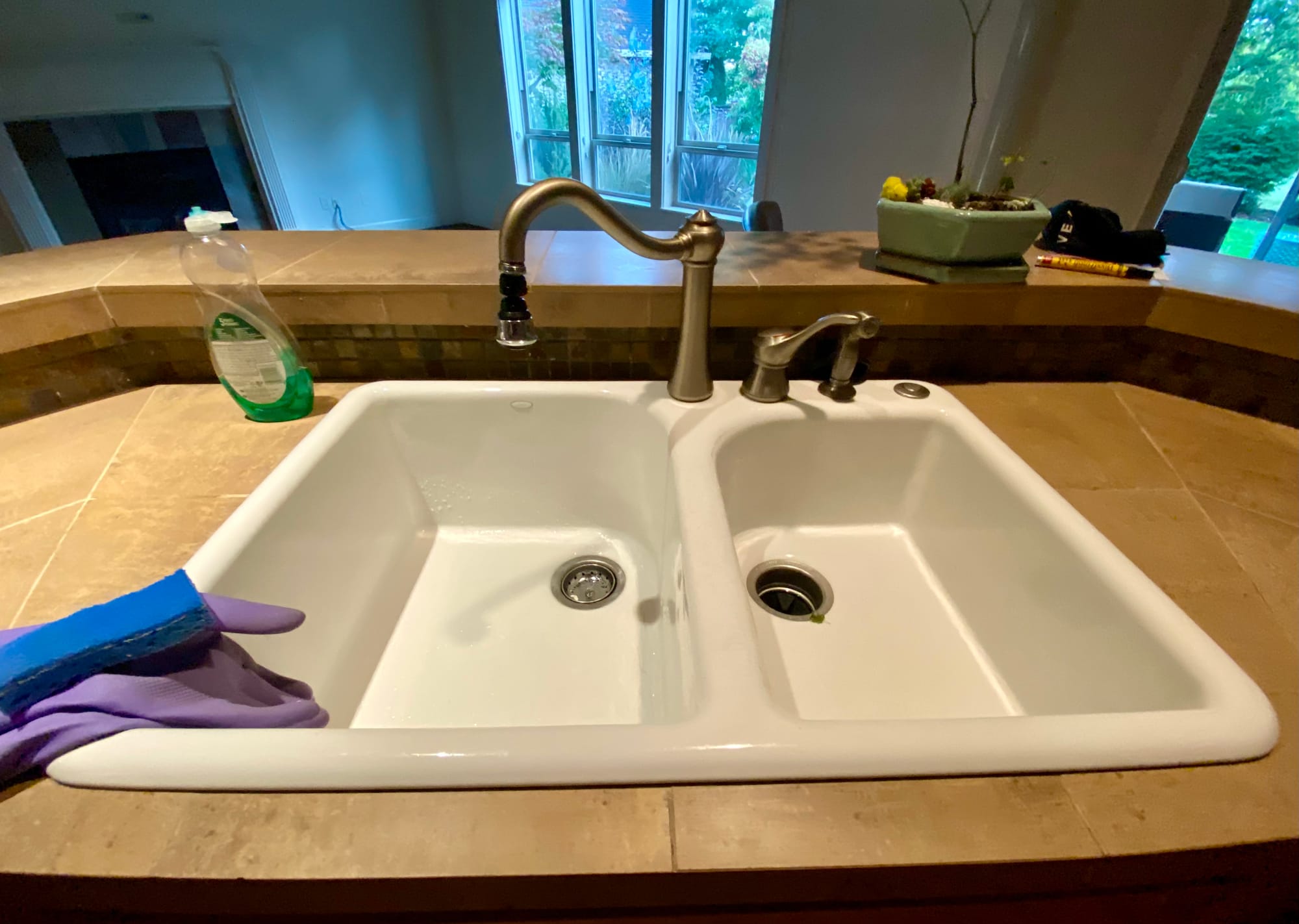
The AirPod Maxes are great at noise canceling. My favorite trick is to put them on in "transparency" mode where you can hear normally through them with nothing playing on them. Walk over to your kitchen sink, turn the water on full blast, then hit the noise cancellation button and become genuinely amazed at how well they can shut out most sound.
I also love these features when I'm doing loud, dangerous work. Whenever I run my mower, or tractor, weed whacker, or leaf blower, I've always got Max headphones on protecting my hearing. The noise reduction is even so good I can listen to quiet talking podcasts while doing otherwise loud things.
As I've done more woodworking over the past six months I've really come to rely on active noise-cancelling headphones for basic safety reasons. I have multiple power tools that absolutely scream while simultaneously I'm running dust collection vacuums, and being around those noise levels for more than a few seconds is really uncomfortable. I basically never go into my woodshop without my AirPod Max headphones these days.
A version 2 appears

Back in March of this year, Apple announced AirPods Max 2 headphones and most tech websites I read and YouTube reviews said it was a long overdue, but "mild" upgrade that changed the charge port to usb-c instead of lightning, along with the same H2 audio chipset used in the smaller, cheaper AirPods and AirPod pro models that came out a year earlier.
Last month, during the Amazon Prime day sales, for a few brief days you could buy a pair of the new version 2 models for only $399, and I took advantage of that offer and upgraded the Maxes I'd had since they launched. It looks like the $399 deals are gone now, but as of this writing you can find new ones in Orange for only $429, which is still $170 off the full price.
One thing I want to make clear that pretty much every tech review site missed is that the noise cancellation features on the AirPods Max 2 headphones are noticeably better. And not just a little bit! When I'm working around noisy machinery these days, I can hear a night and day difference with the version 2 headphones versus the first ones, and I'm really glad I upgraded.
I think the explanation is that sound levels are measured on a logarithmic scale, so if you can lower a sound by ten decibels it will feel like half as much noise to you, and I think that's what's happening the in AirPods Max 1 to 2 updates. The sound cancelling probably did get better by a few dB, but just a few dB is a big reduction in overall energy and wearing them in the real world they sound significantly quieter around the same loud sounds.
If you do any sort of work in places with dangerously high noise levels, or have always been curious about using headphones for shutting out the world and letting you get work done, I can't recommend the AirPod Maxes highly enough. They're easily the best headphones I've ever used, even though I still wish they cost half as much as they do.


For July 4th this year, we made all the traditional staples of any Independence Day gathering