Feeling the burn

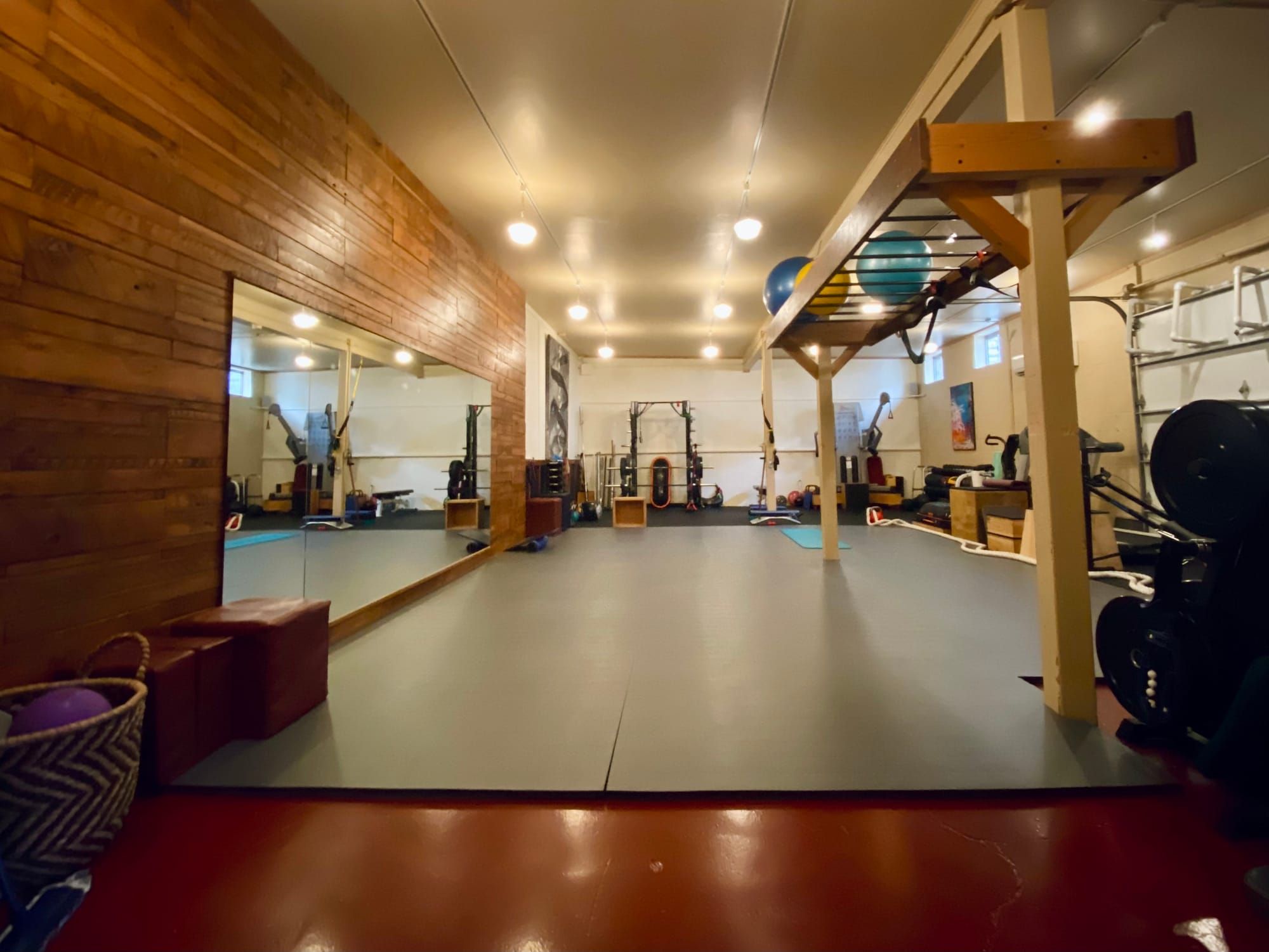
When the pandemic hit, the gym I worked out at closed down for almost a year. I was used to working out a couple times a week with a trainer leading me and it wasn't about huge gains or getting ripped, as we mostly did body weight exercises focused on building core strength. I found out quickly that having a strong core meant whenever I did something out of the ordinary, I would rarely feel sore afterwards, which was a new feeling as a middle-aged person.

I go snowboarding about once every 4-5 years. In the old days, I would do it and have fun but feel totally wrecked the next day. But a couple years after doing regular workouts, if I went snowboarding, I'd feel fine the next day. It was pretty amazing and kept me going to the gym for my entire 40's.
Early in the COVID shutdown, I bought a Bowflex PR1100 on amazon for $400 to setup in my barn due to the closed gym. By late summer of 2020, I would see the exact same Bowflex listed on Amazon for $1200.
I knew a Bowflex wasn't exactly like spending an hour in a well-appointed gym with a trainer, but I followed a bunch of the suggested workouts on the Bowflex YouTube account, and eventually found a video for a whole body workout that left me feeling pretty close to how I did when I left a real gym.
Things go fallow
For a couple months of early COVID, I'd head to my barn and pull up the YouTube video with headphones on, watch the first exercise to check my form, then pause it and do the exercise set after switching back to music. When I was done with each exercise, I'd go back to YouTube, unpause it, watch a few seconds, then go back to music, and repeat.
After a few months I got lazy and stopped working out. I eventually returned to my old trainer and gym but after a couple more years, his landlord kicked him out of the space and I have been gym-free for the past few years and not feeling too good about it.
A rare good work of AI
At my last freelance gig, we were constantly encouraged by management to experiment with AI and report findings back to the group. I was trying to think outside the box and one of my ideas was to ask Claude to turn the workout video I followed into a PDF printout that I could glance at instead of using YouTube. But I did want to track how much of the weight bands I was using each time, so I thought maybe a whiteboard would work better instead?
I sent the video link to Claude and described what I wanted, but Claude was blocked from accessing YouTube. So I used a random YouTube download script to make a local copy of the video, which I uploaded to Claude, and gave it the same prompt.
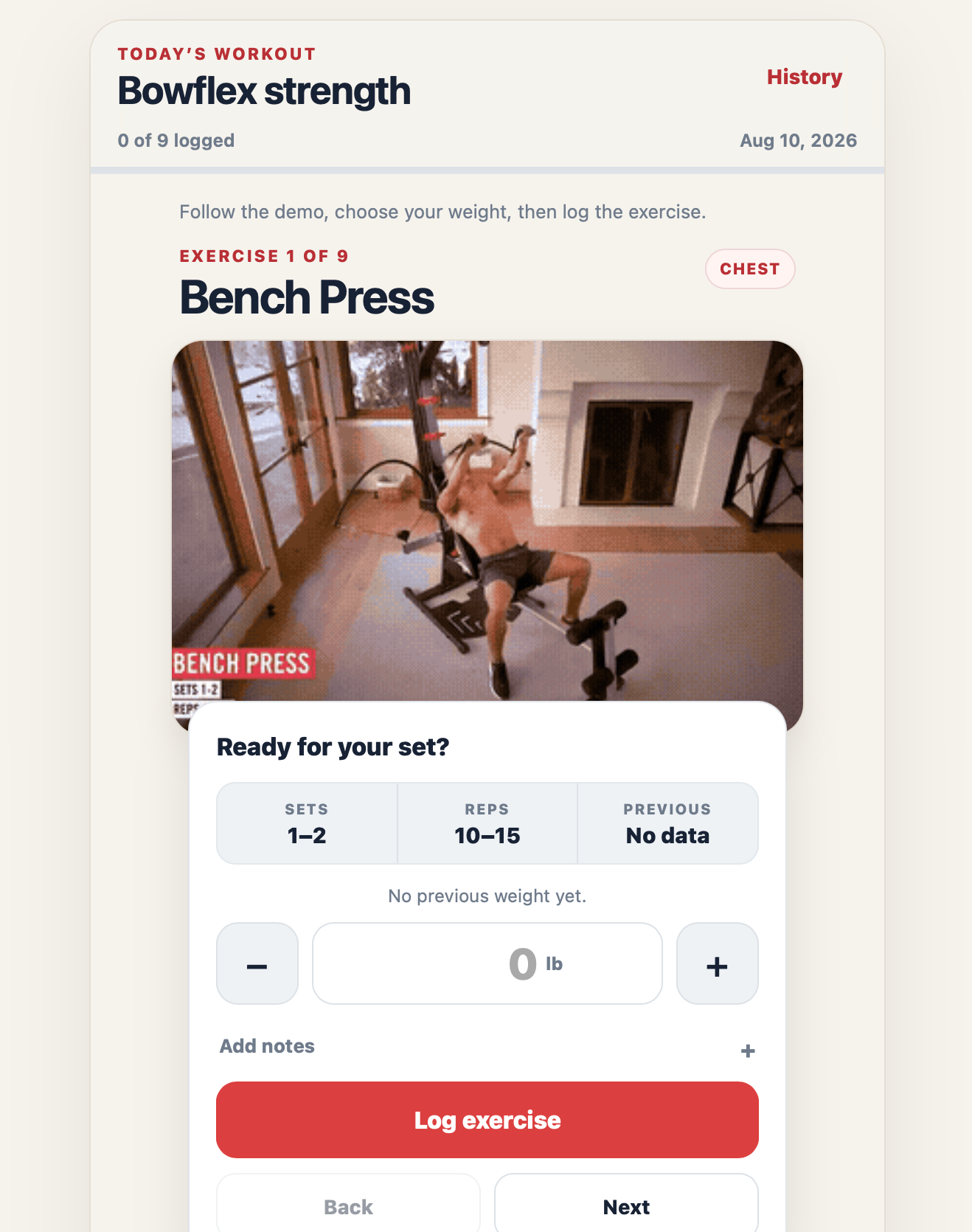
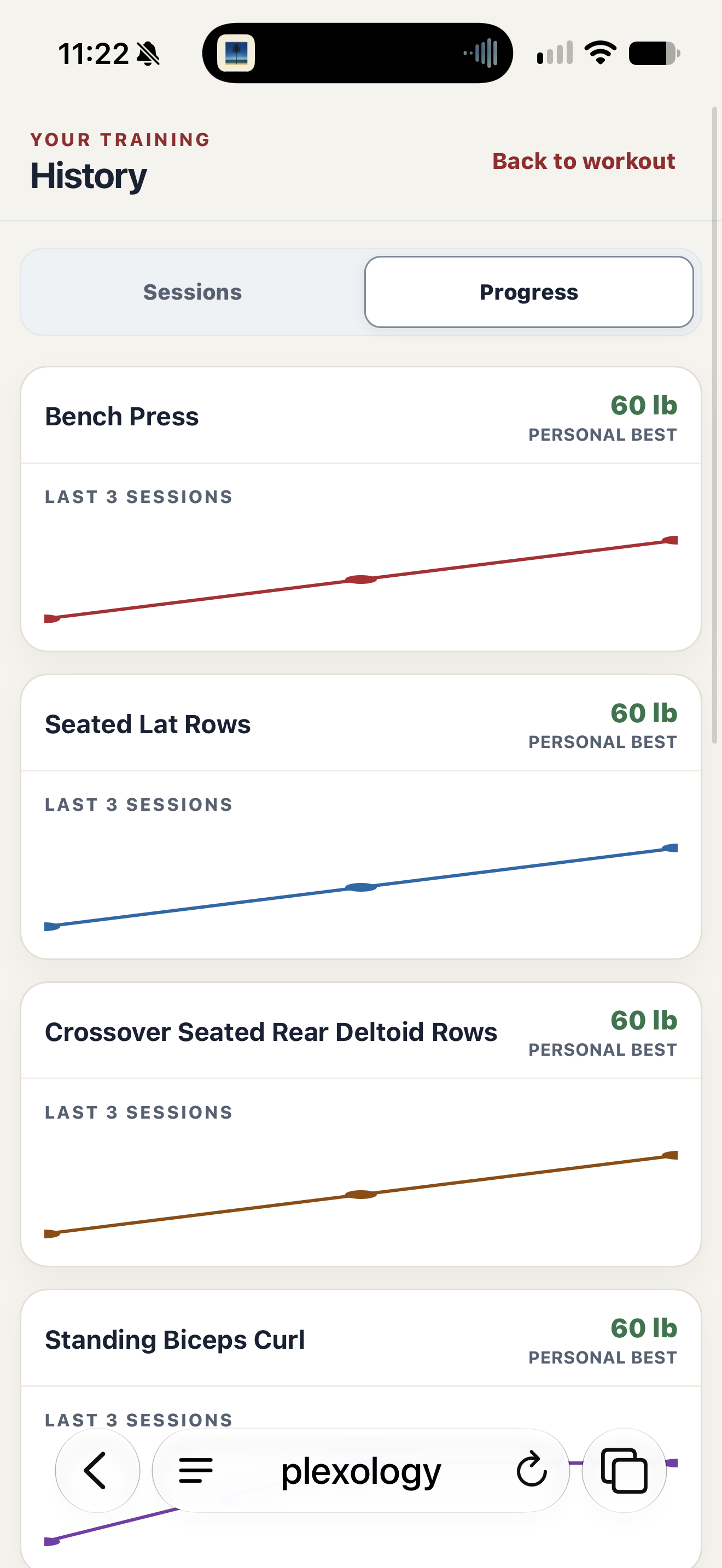
Claude proposed a web app on my local server written in PHP, with clips of each exercise turned into animated GIFs, along with a rudimentary weight tracker with graphing. I was surprised at how well it guessed at what I wanted and the first draft of what it came up with was honestly amazing.
I've used AI for coding help like this a bunch ever since and this early experience was one of the best ones I've had to date, and one of the examples I use when talking with skeptical friends about how technically interesting AI can be for building custom personal software.
You can take a horse to water but you can't make them drink
It was nearly a year ago when I got the first version of this web app working, but of course, I continued to let the Bowflex gather dust under a pile of boxes in my barn instead of using it to workout.
A couple weeks ago, I decided to revisit the project in ChatGPT's Codex. I didn't like that it was one giant web page of 9 exercises and I wanted a more mobile-friendly layout with "cards" I could step through one at a time so I could concentrate on one exercise at a time.

Soon I had a revised local web app doing exactly what I wanted, and I actually hit my home gym last week and I've done 3 workouts since, and I have to say it's been pretty incredible.
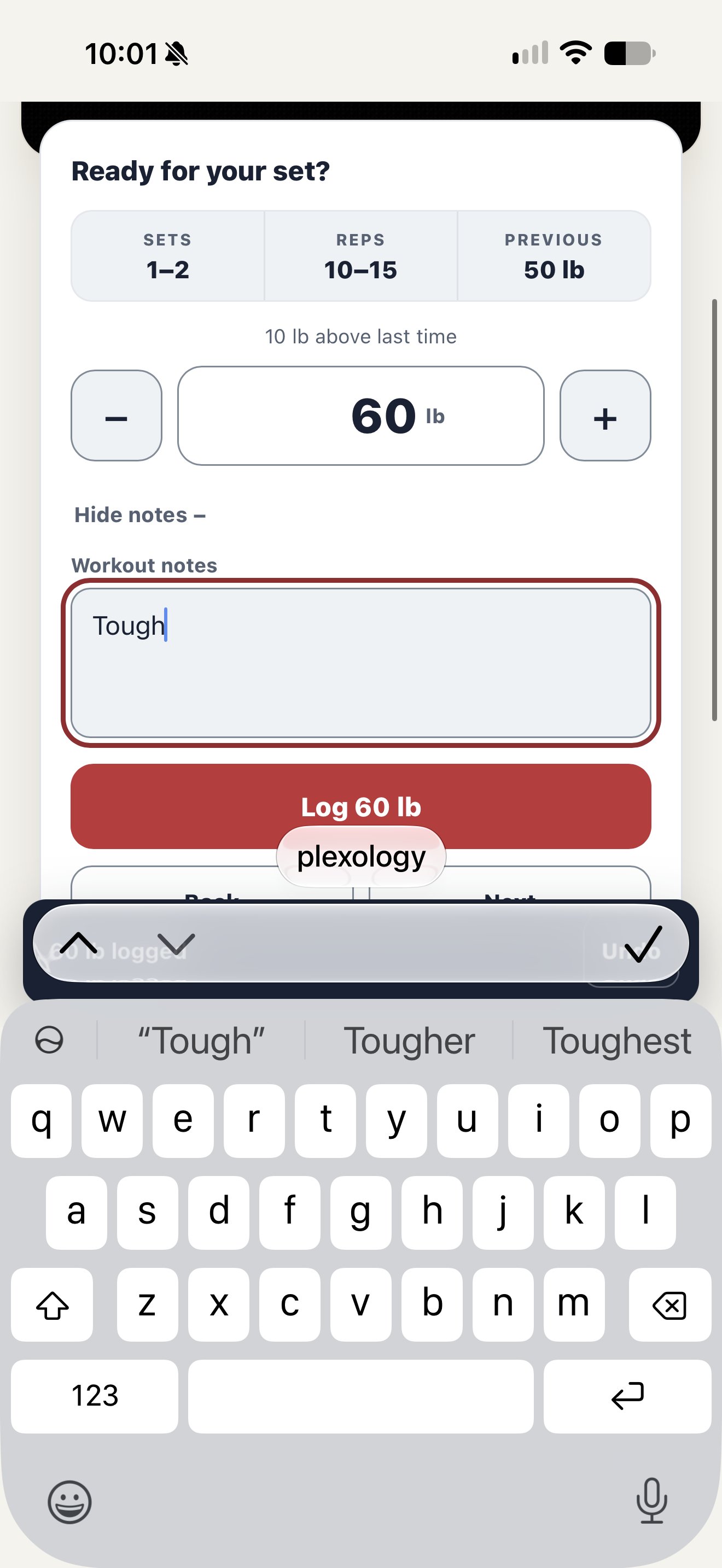
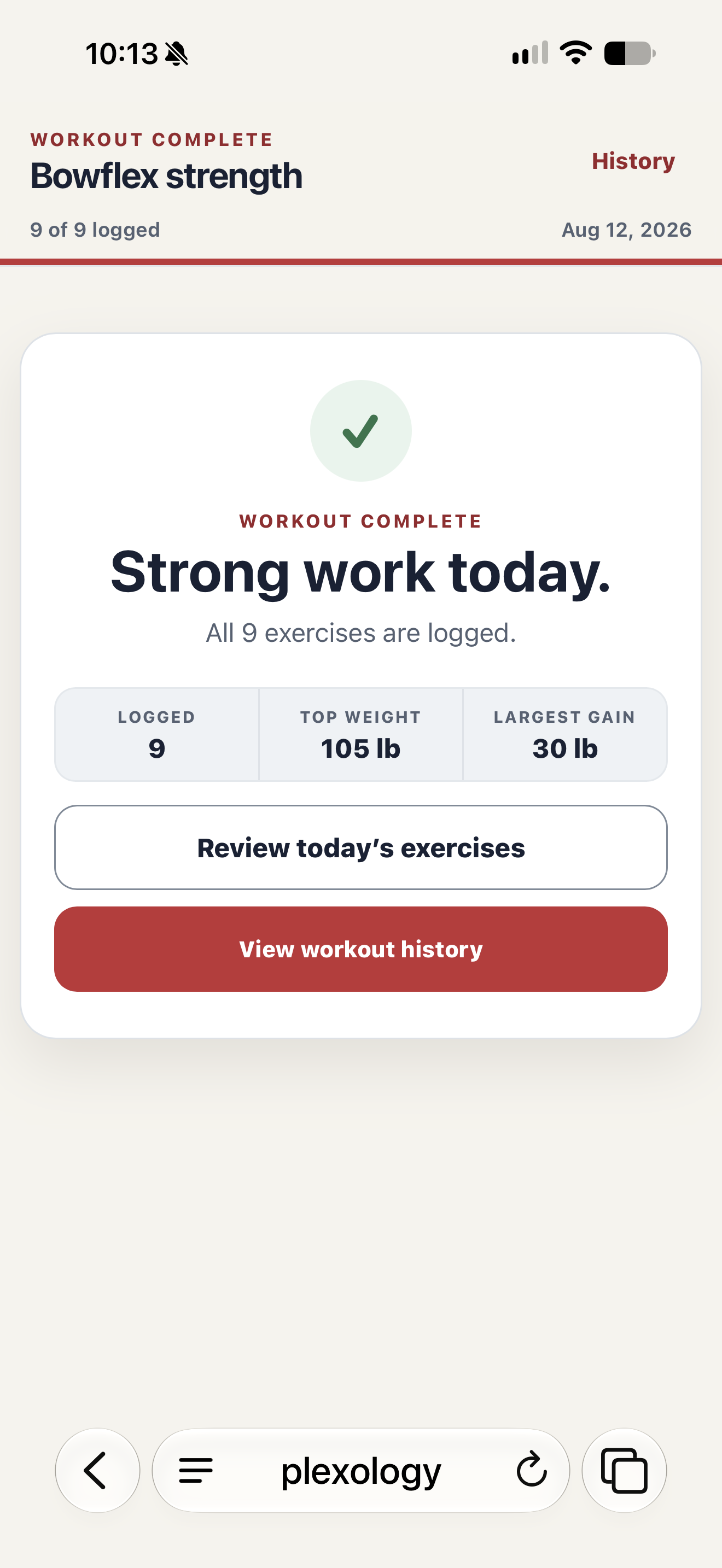
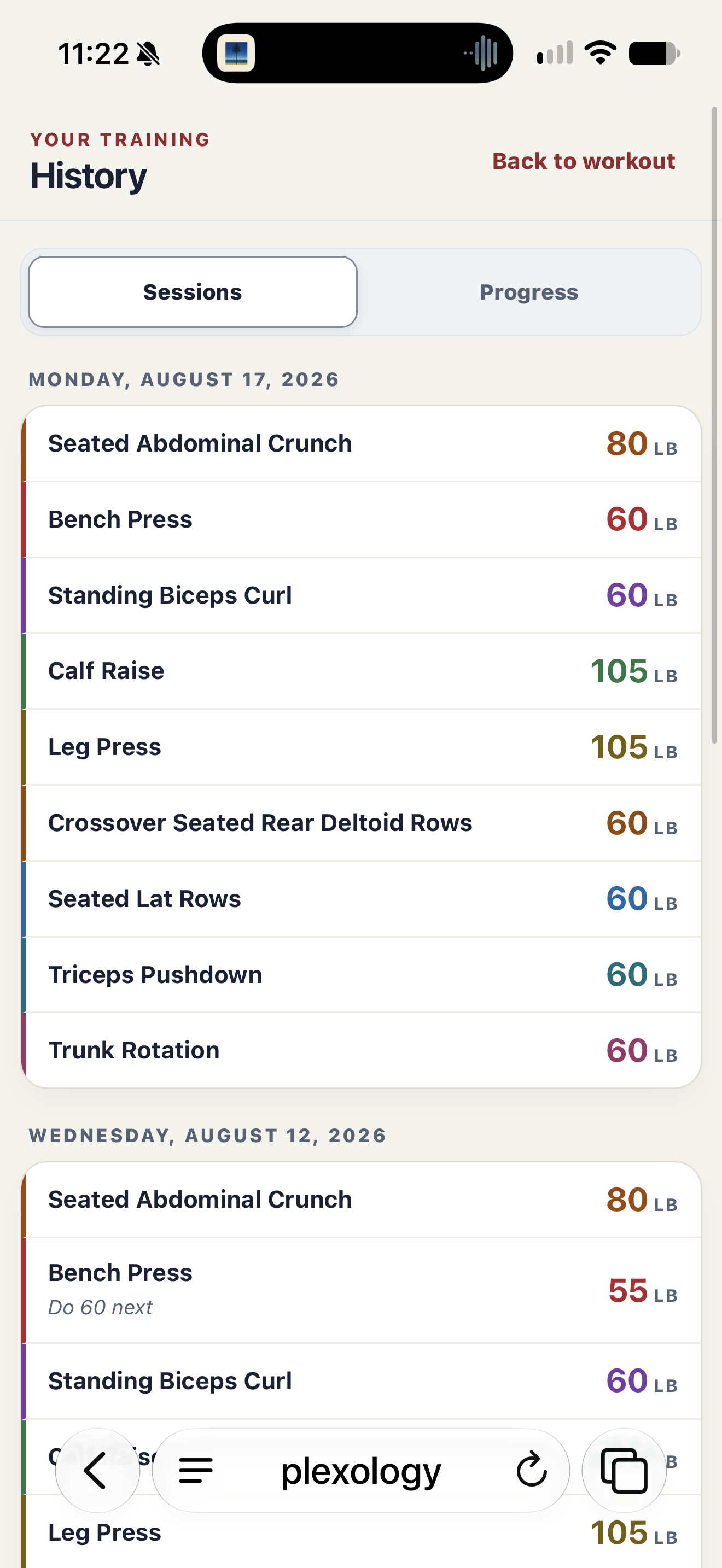
I pull up a bookmark in mobile safari, watch an already running animated GIF of the exercise being done with proper form, along with whatever weights I used the last workout. I do the set, then submit the same weight or a higher one if I changed it, then the next exercise loads and it repeats. It's really easy to use as I step through 9 total exercises in about 20 minutes while listening to music.
Here are some screenshots of the app in action.
I actually missed the gym?
Working out as an adult frequently seems like telling a kid to take a bath. Kids hate the idea of it, protest doing it, but when they finally do, they love it. After a handful of sessions in my makeshift home gym with my little web app, I feel tons better. I used to hate going to a real gym, but having one walking distance from bed somehow makes the excuses to not workout harder to ignore, so I do it.
I remember when I was going hard at a gym ten years ago so much so that I always felt some part of my body was torn up and exhausted, and I used to think about how pointless the gym seemed on the face of it. You'd go to a place and pick up objects that are so heavy they tear your muscles up every time and then you come back in a couple days and do it again, and then repeat forever. I always walked around feeling slightly sore and like my body was trying to catch up and recover from the stupid things I was picking up too often.
Today after a few years without regular strength workouts, I realize now I actually missed that feeling. It feels great to finish a workout. But I also feel good in the hours after a workout and the next day, knowing I'm tearing myself up a little bit while my body builds itself back up stronger.
It's only been a couple weeks so obviously, I'm not going to feel invincible if I went snowboarding tomorrow, but I feel like having this helpful app and a regular routine is going to make recovery from unusual events much easier in the future.