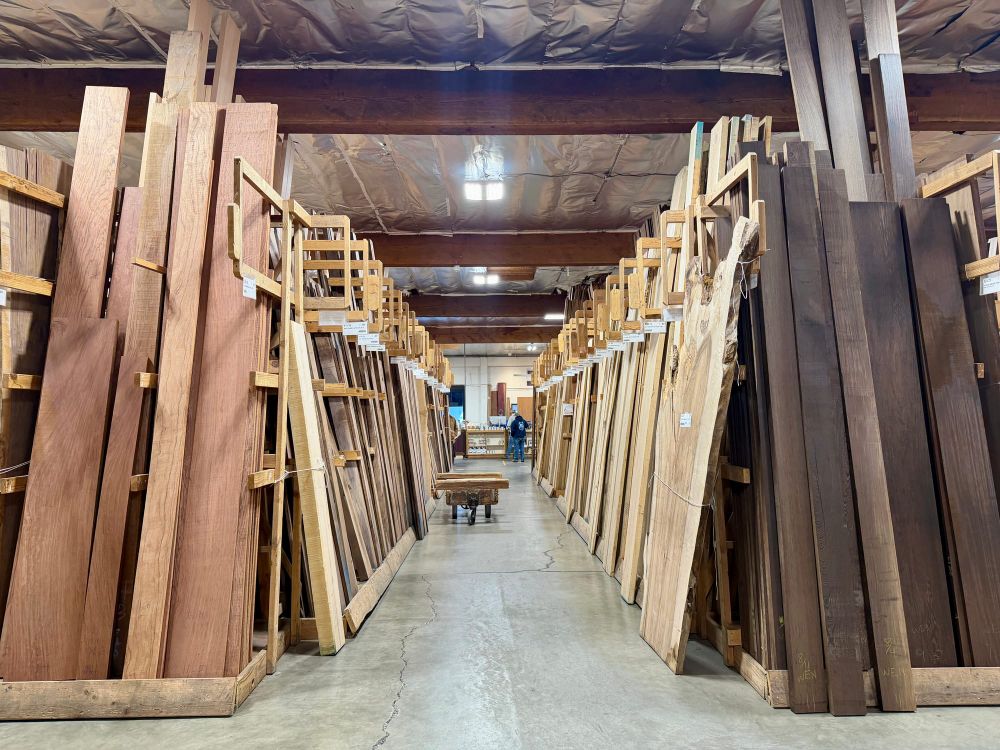
Woodworking updates

For the past few months I've been doing a bunch of woodworking, and I wanted to post-slash-brag about my recently completed projects.
A bathtub shelf
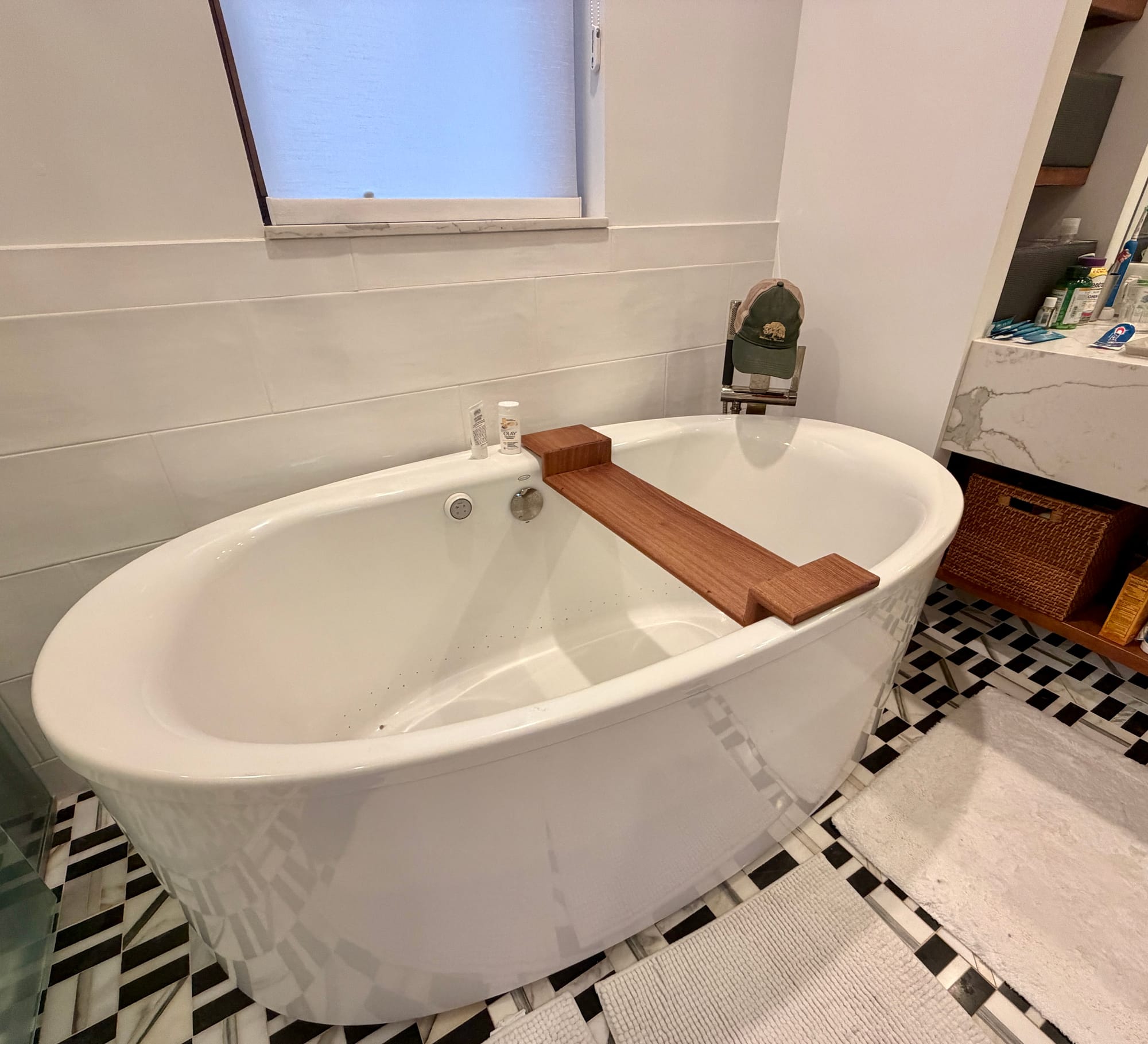
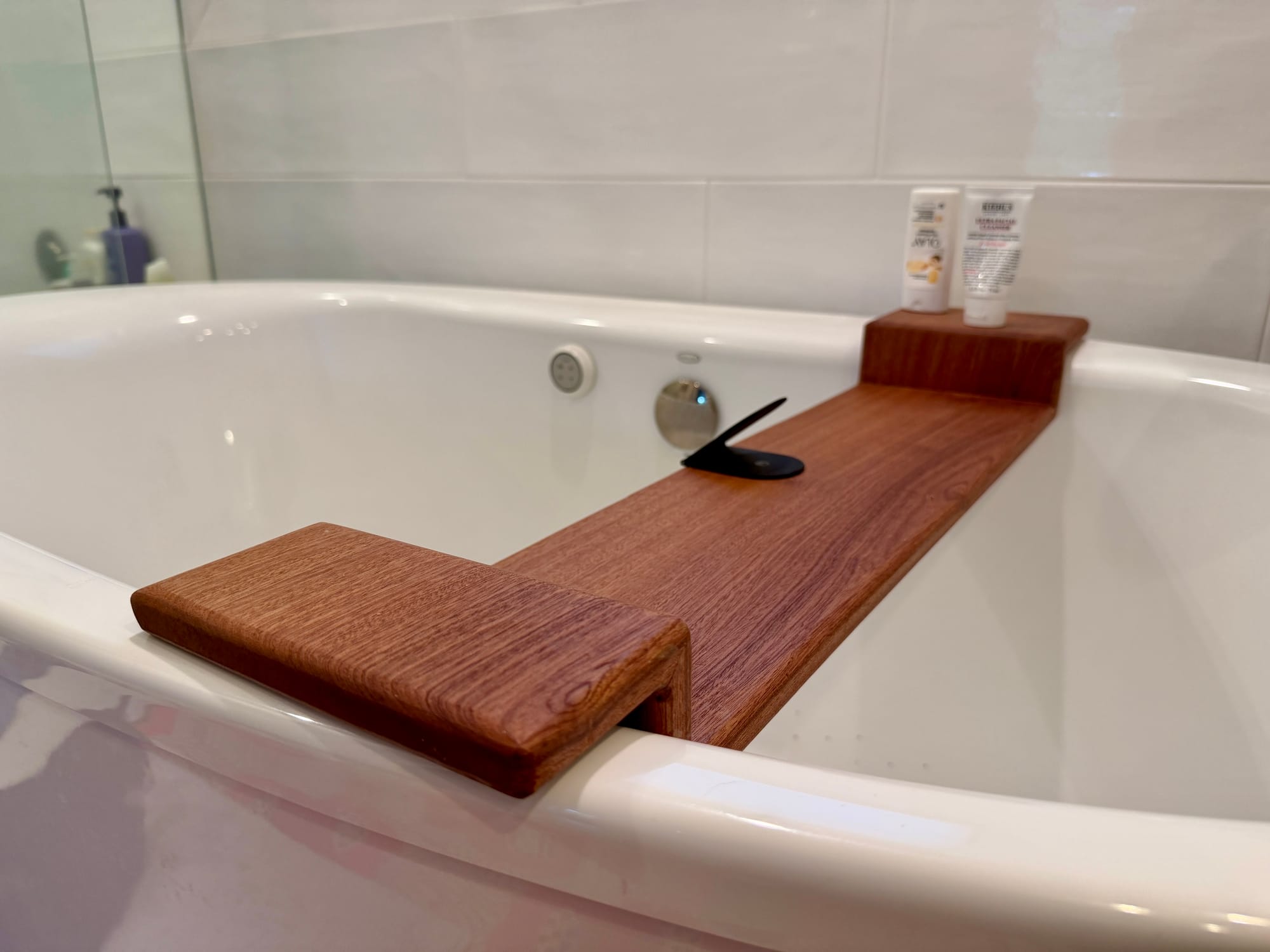
My first real project outside of my beginner woodworking class was following this video to make a custom shelf for our bathtub. My wife likes to read in the bath and I wanted to learn how to do mitered, waterfall corners and joinery with dowels. It's sapele wood (often called African Mahogany) and the grain runs continuously from one end to the other, all connected at every 45º joint which took a surprising amount of practice and patience to get all correct. Angles are hard!
After using a roundover router bit to soften all the edges and lots of sanding, I gave it a quick coat of polyurethane and added a MagSafe stand to hold her phone and I like how it turned out, as it matches the existing cabinets in our bathroom.
Cutting boards
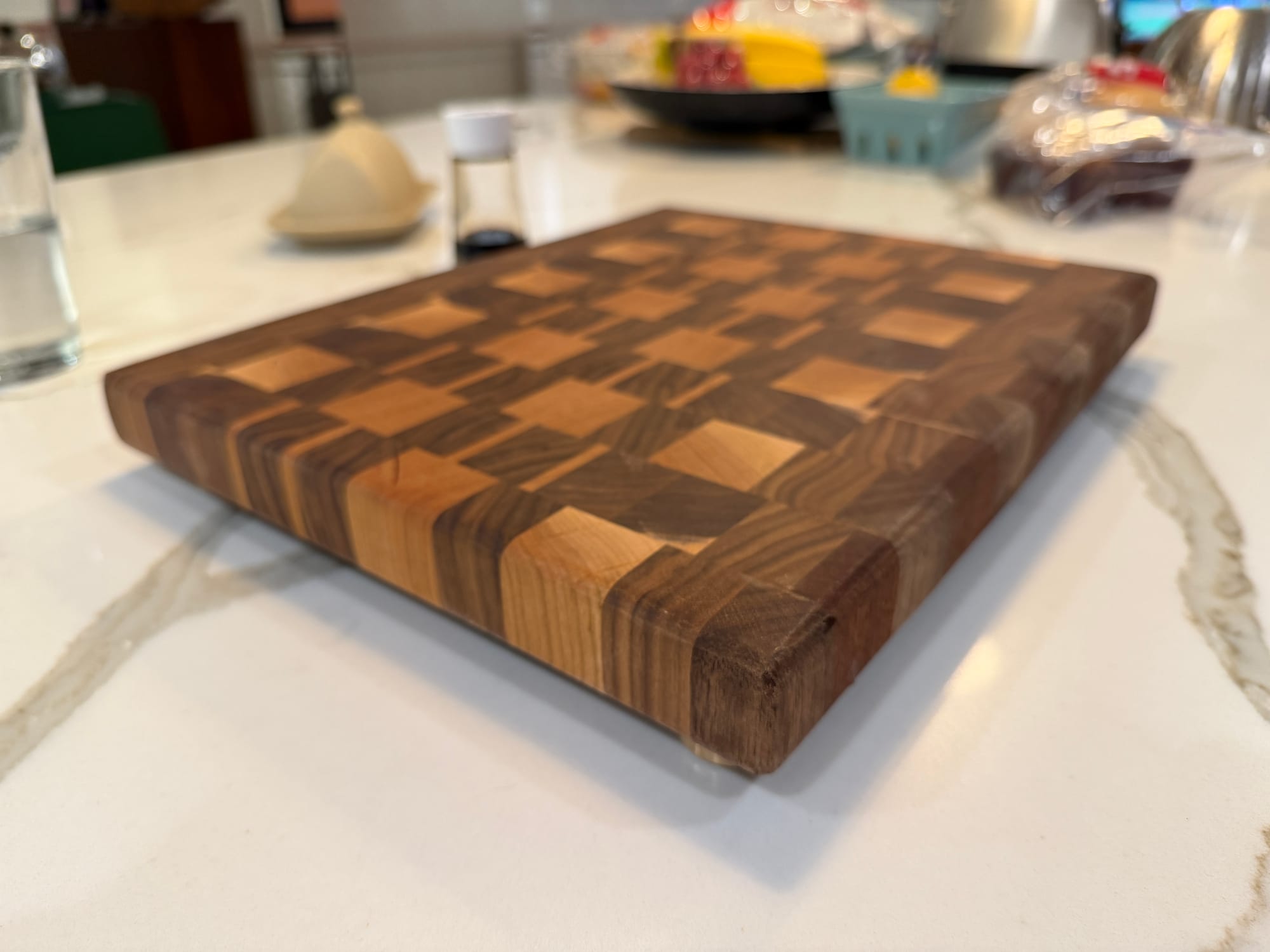
Once I started working with hardwoods, I quickly learned making cutting boards is a great way to use all the off-cuts from other projects. My first cutting board was a walnut and cherry combo that I decided to cut up again as an end-grain board and it turned out well. We use it daily in our kitchen.
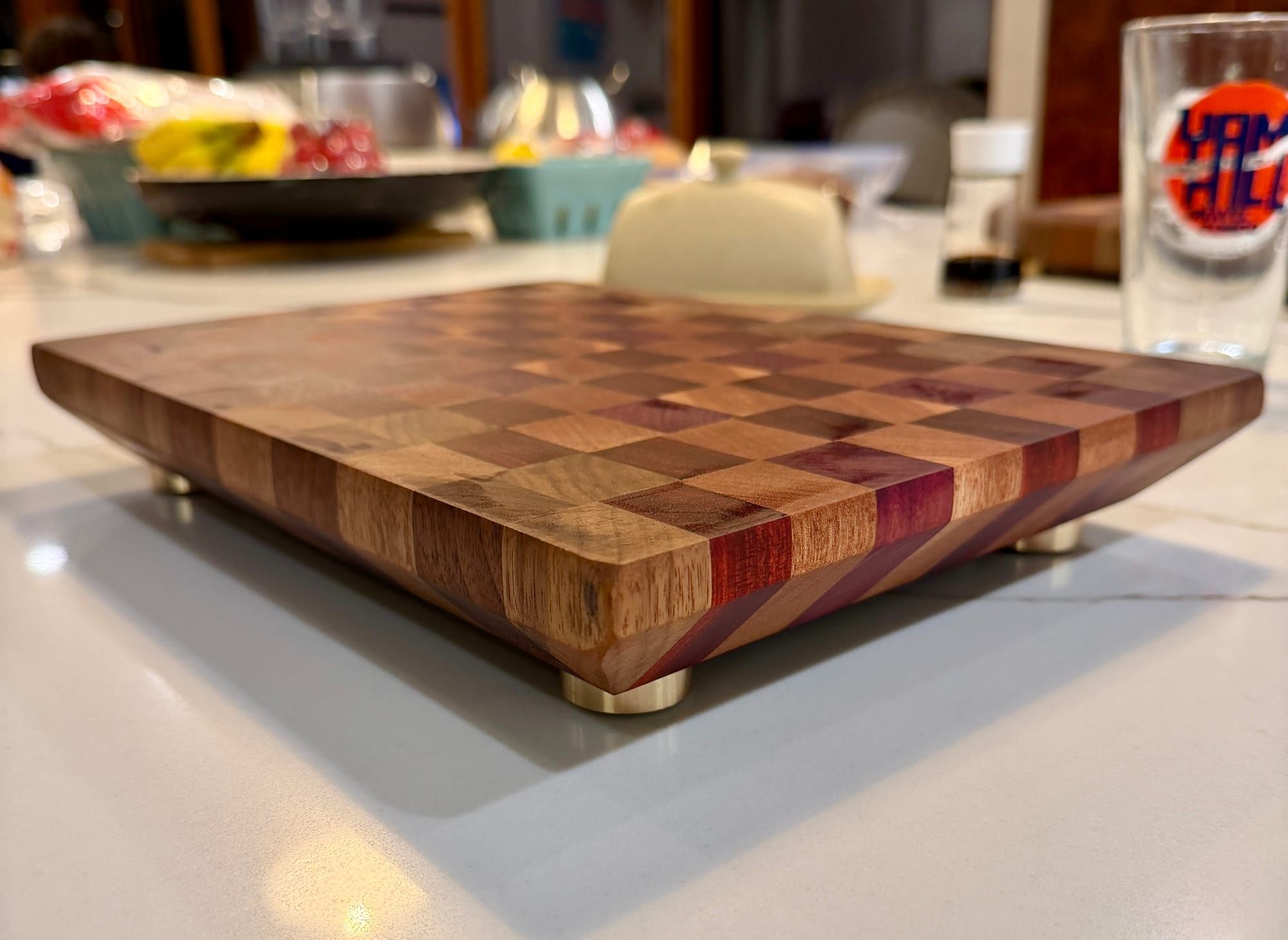
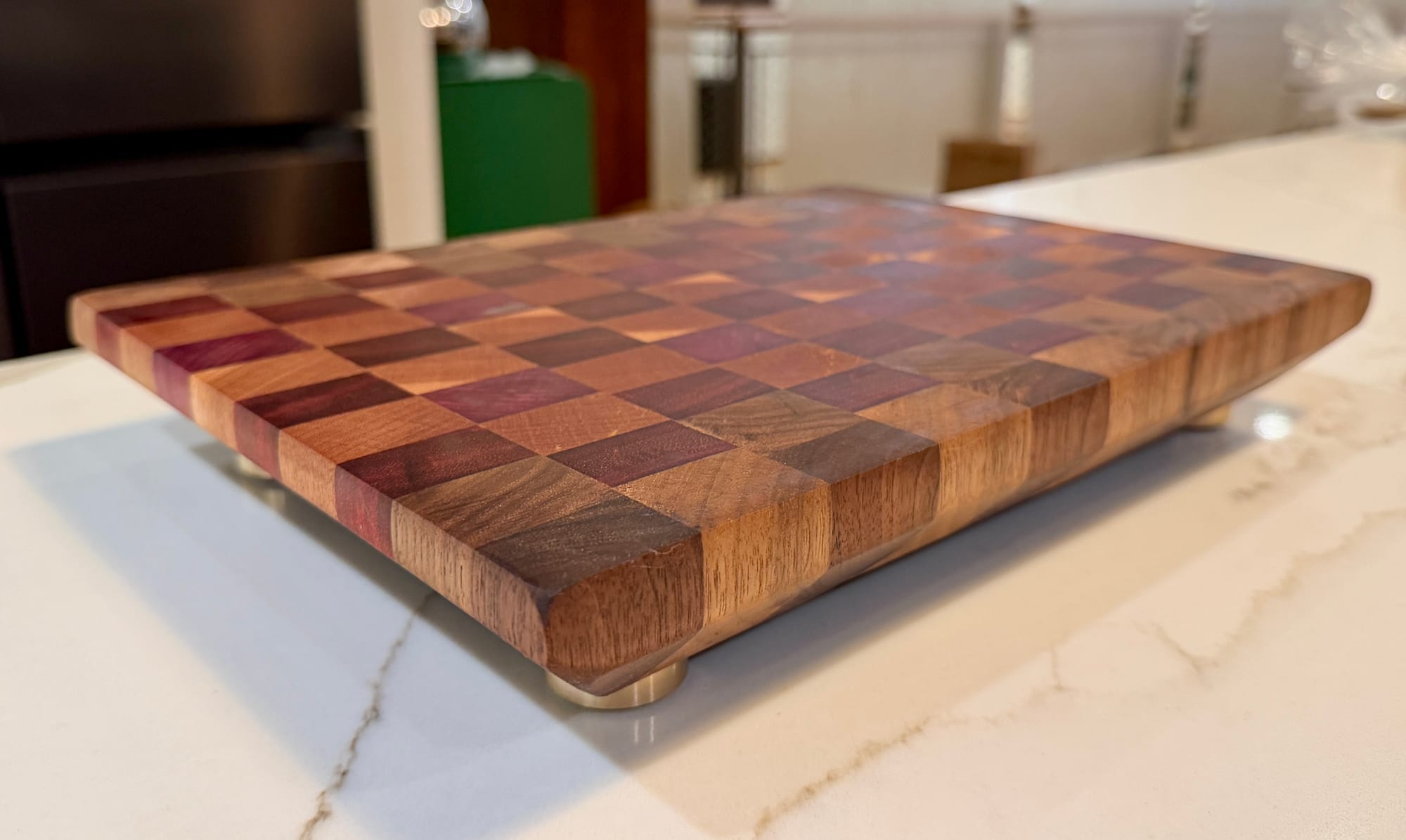
I started another board using more exotic woods including walnut, hard maple, purple heartwood, and bloodwood, and I liked how it looked as an edge-grain board, but cut it up to become another end-grain board. I also put a 45º chamfer on the bottom before attaching some feet.
Now that I've got these under my belt, I'll probably just stick to edge-grain boards from now on, since those can go through the planer easily, cutting down on all the sanding work that end-grain boards require.
A chess board
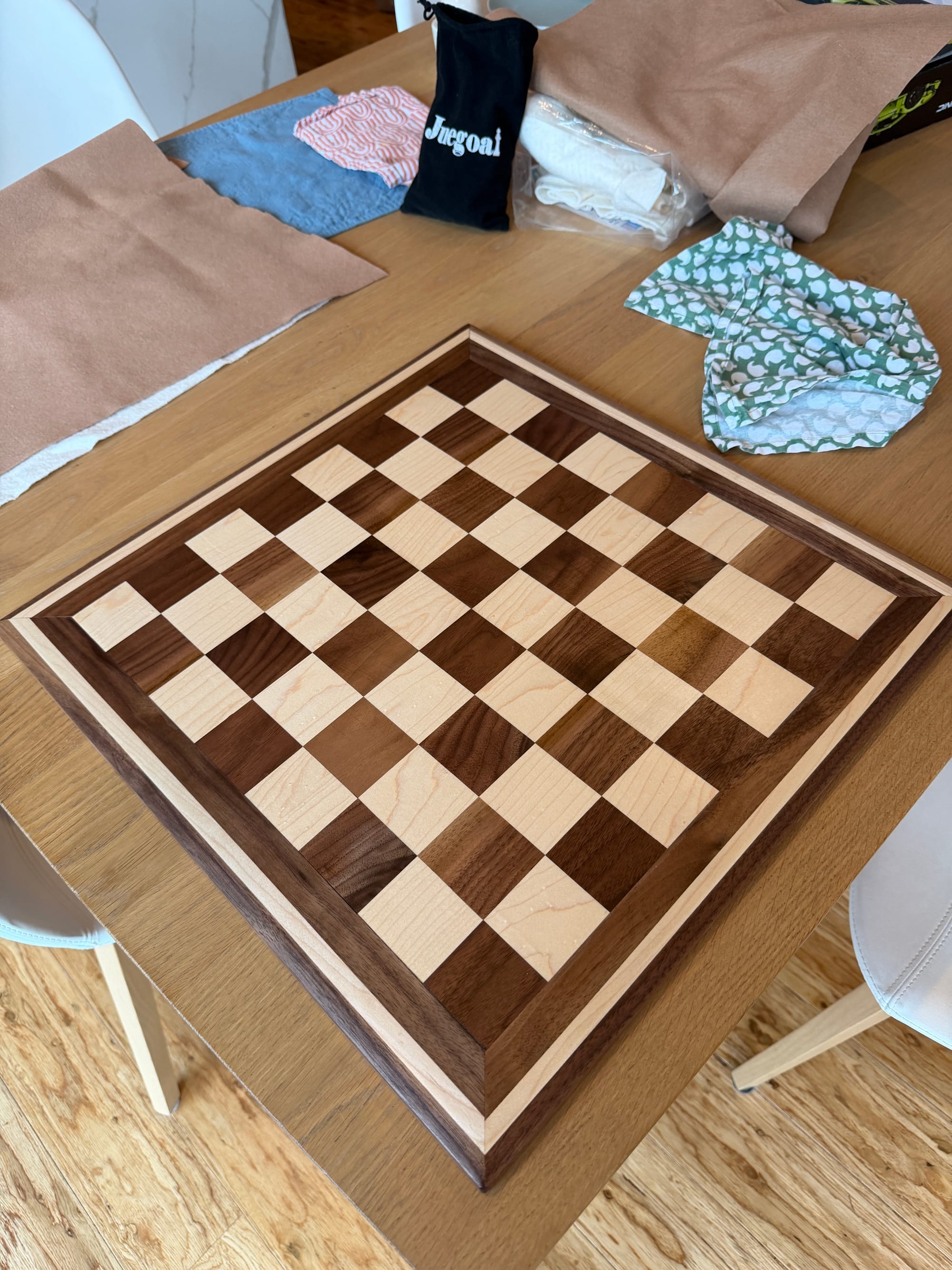
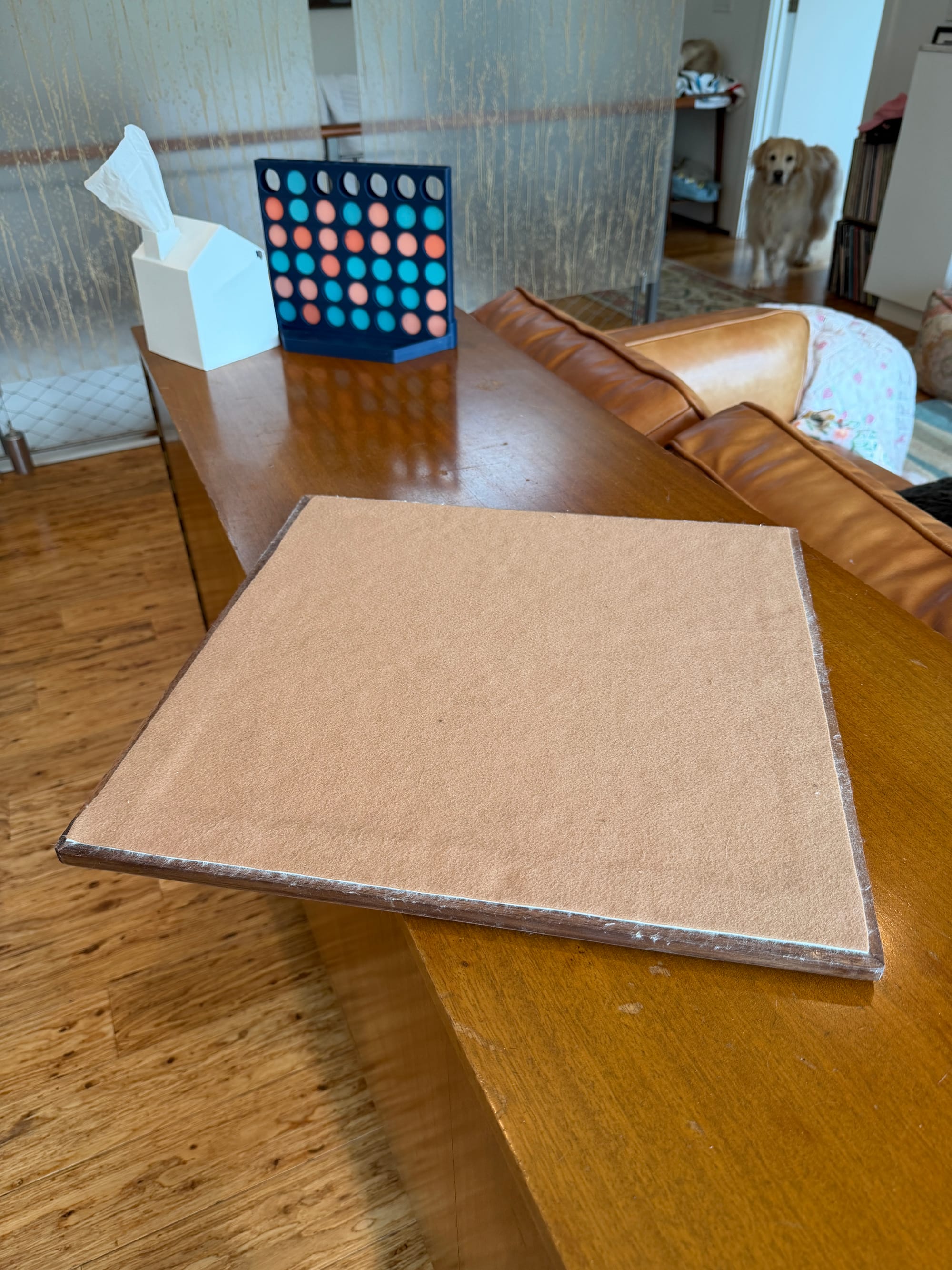
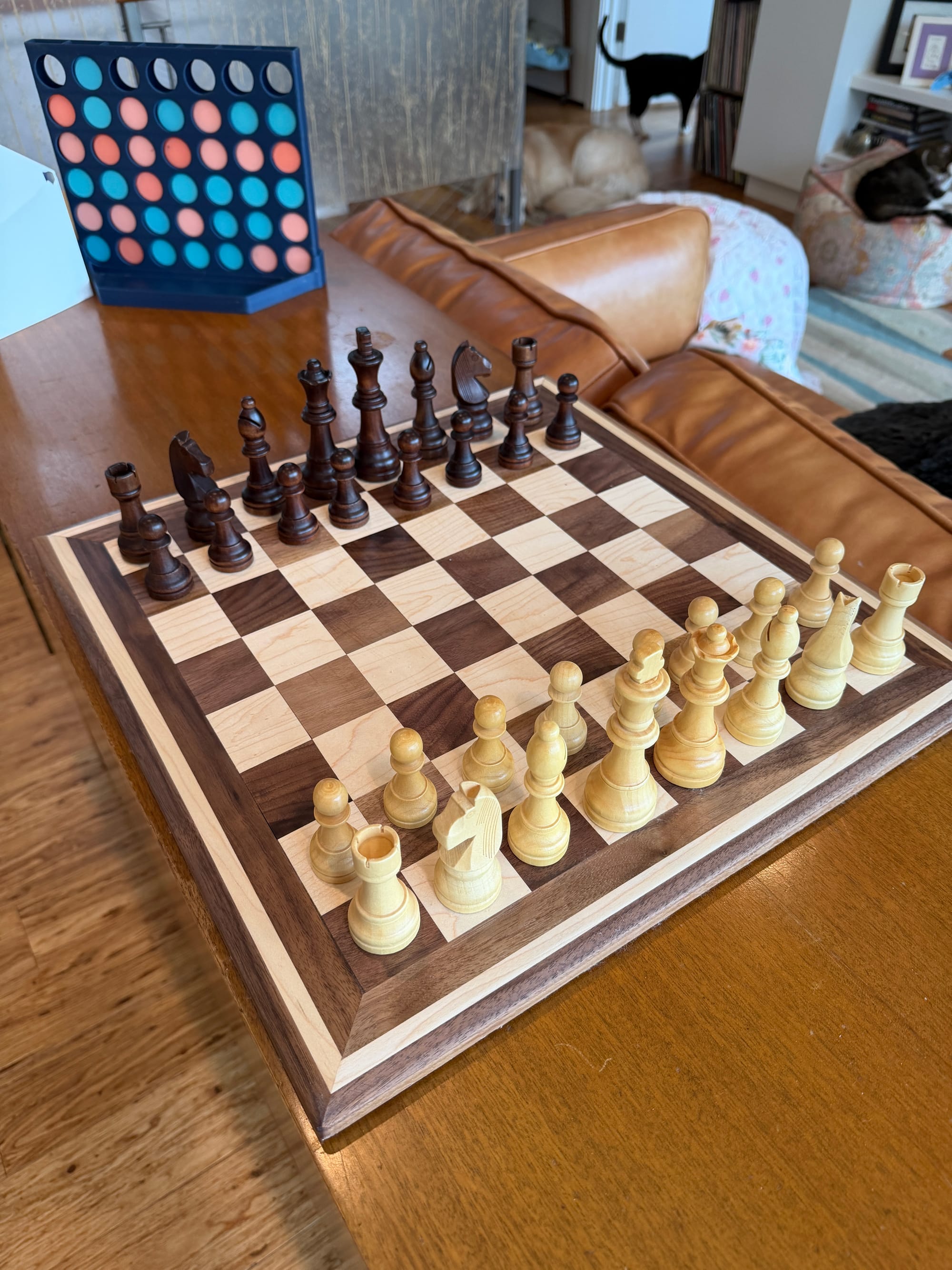
The next kind of project I was surprised to learn wasn't too difficult was making a chess board. I milled down some 3/4" thick walnut and maple boards and cut them into 2" strips, glued them into a big striped board, then crosscut that board into 2" strips, flipping the pattern to re-glue into a checkerboard. I glued up some maple and walnut borders and cut them with miters, then glued it all together, and used spray adhesive to attach cotton batting and brown felt to the bottom. The whole thing was finished in some Osmo PolyX clear. The last step was to get large chess pieces from Amazon and I even got to play my first game on it today (which I lost).
A coffee table
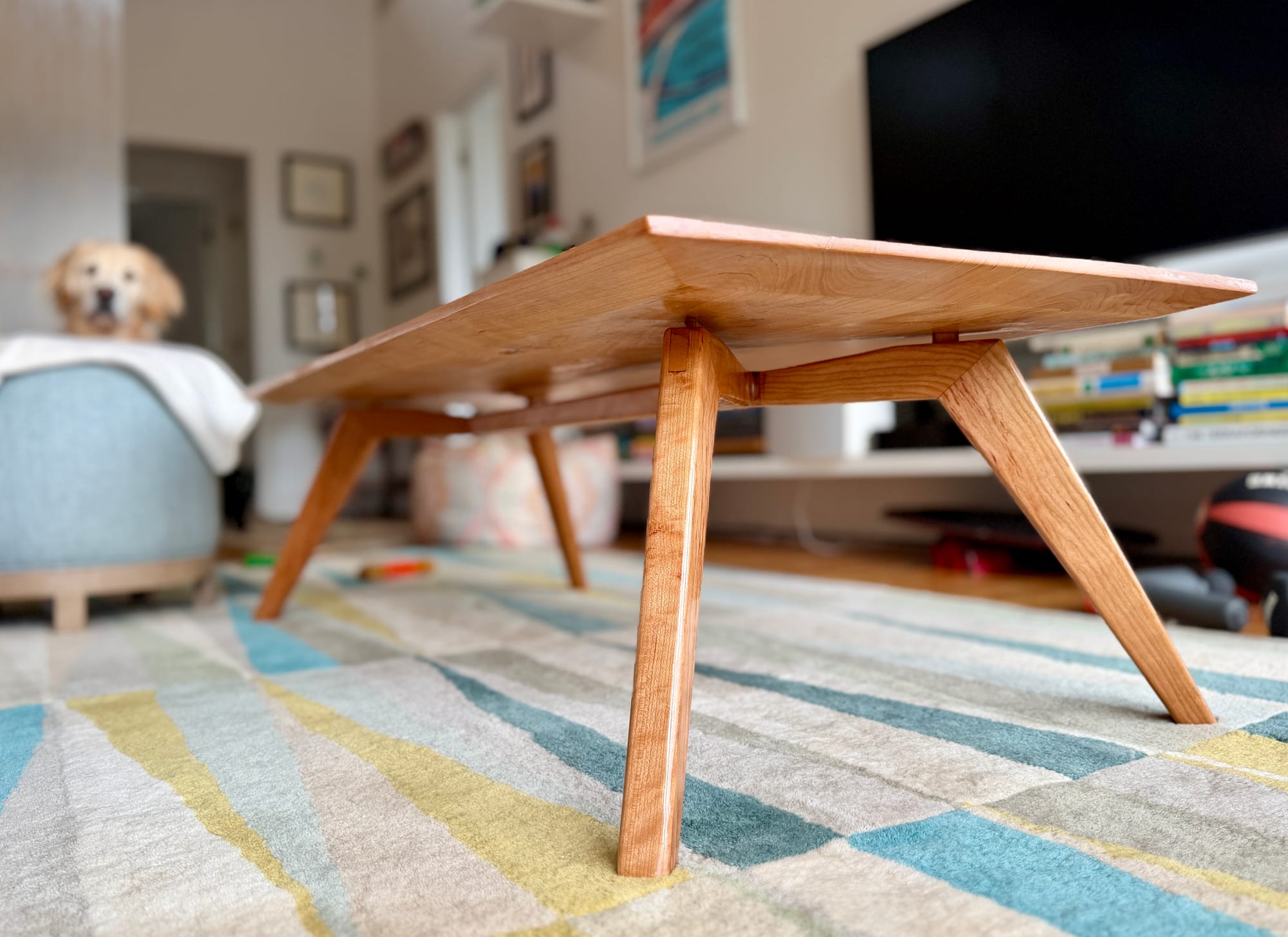
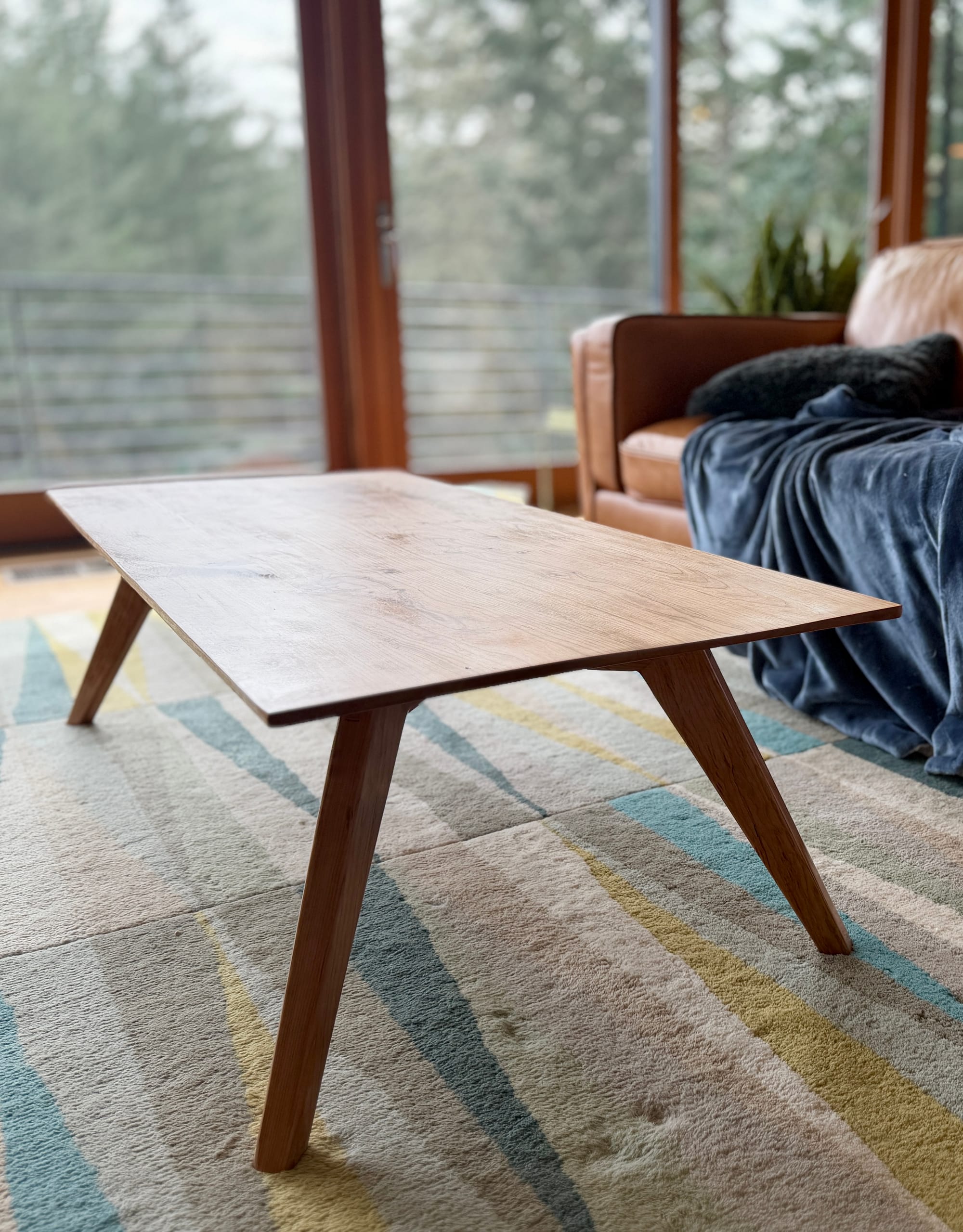
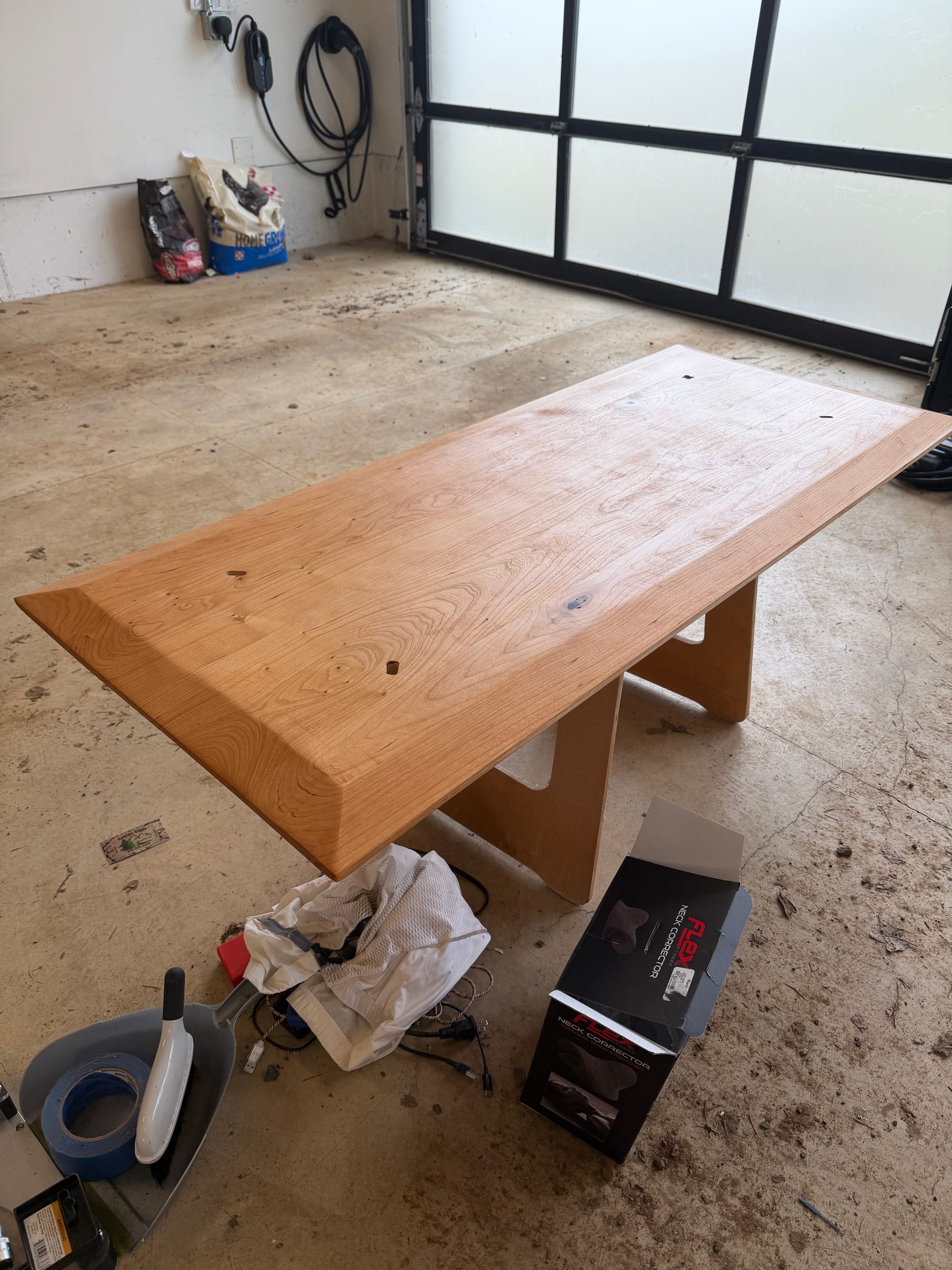
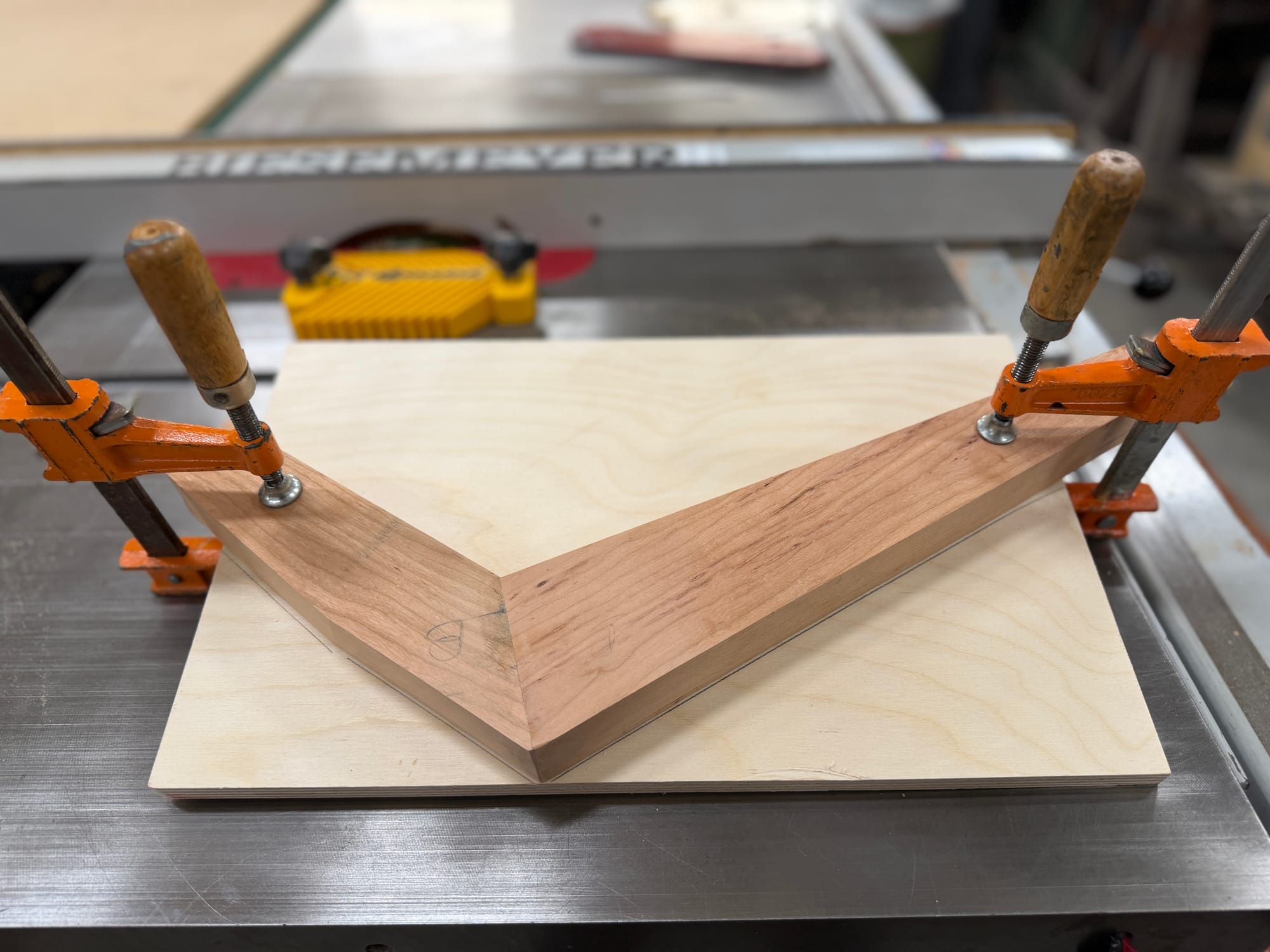
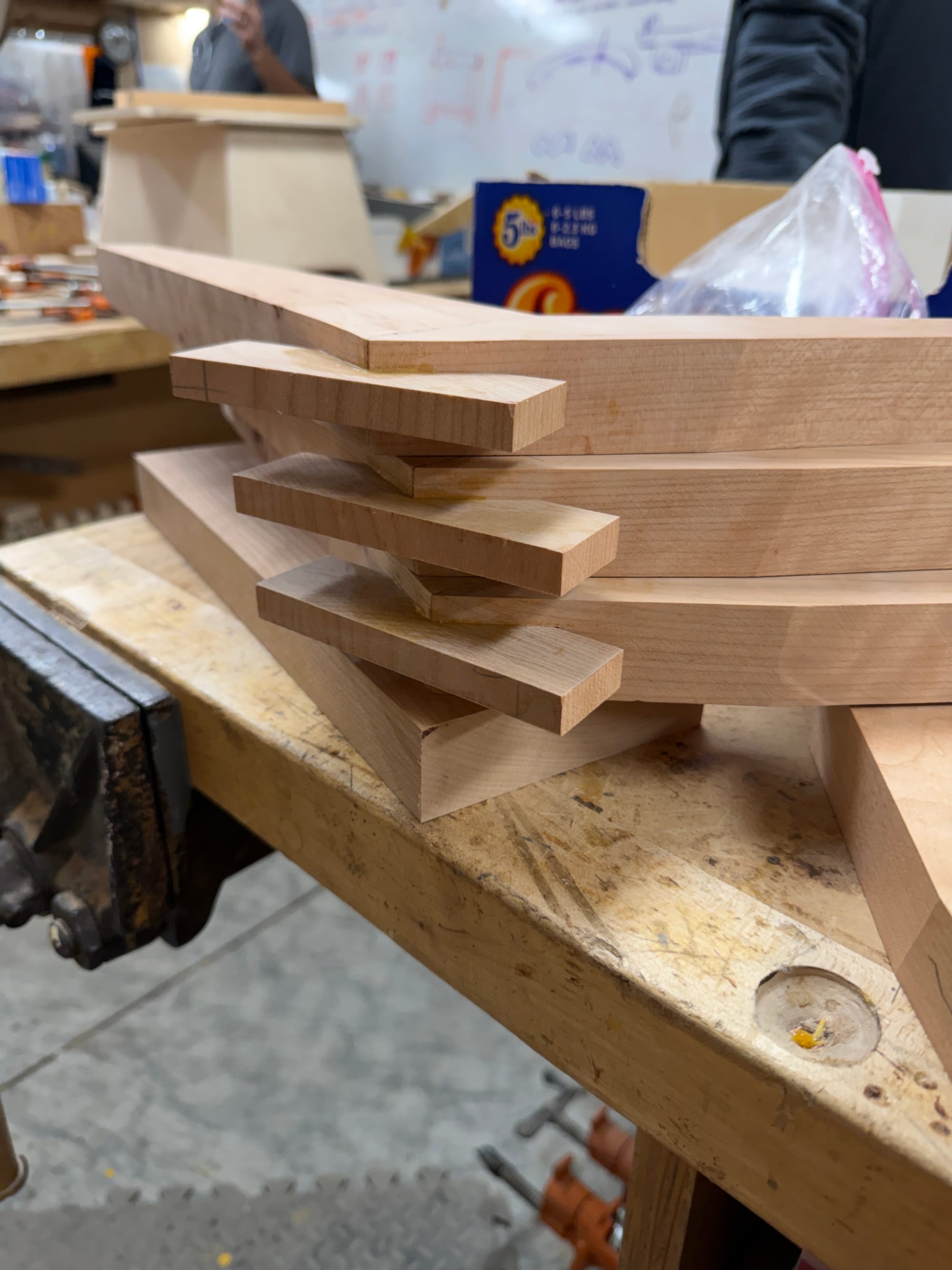
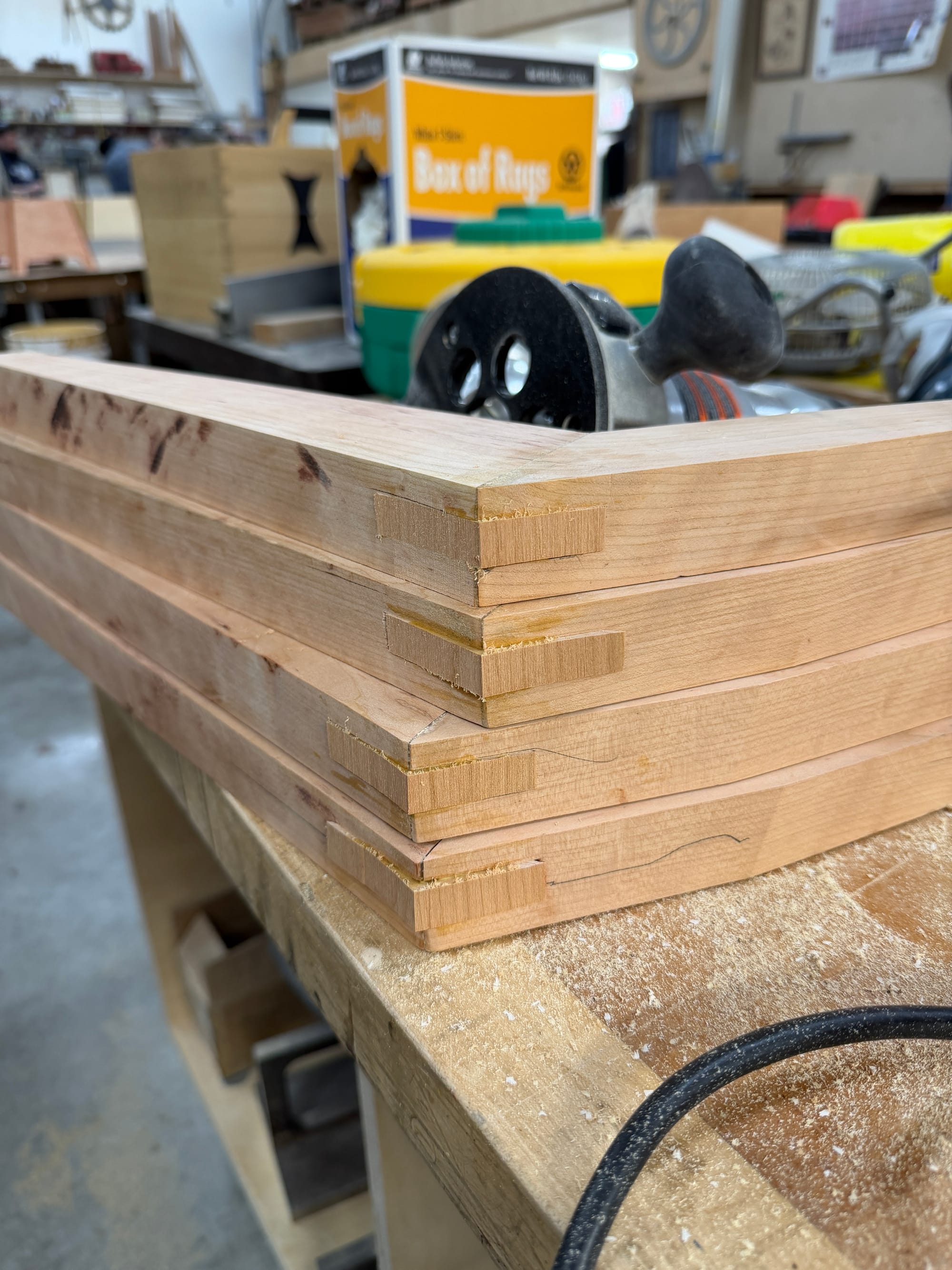
My most ambitious project was the Spider Coffee Table from Foureyes Furniture. They sell detailed plans along with a comprehensive video series for each design and I really enjoyed this build. It took me about a month, and I had to redo a few things to really get everything right. Foureyes charges around $100 for their online courses but I will say they're worth it, as the videos cover way more than their YouTube channel and their plans are extensive and even include 3D models.
I love how this turned out. It's all cherry wood with a Osmo PolyX oil finish, and anyone that comes over to see it can't believe this all came from a rough pile of lumber. What I enjoyed most about this project was learning a bunch of new techniques, including cutting splines, making jigs for consistent repeatable cuts, joining up my first tabletop, and joinery with Festool dominos.
Tools
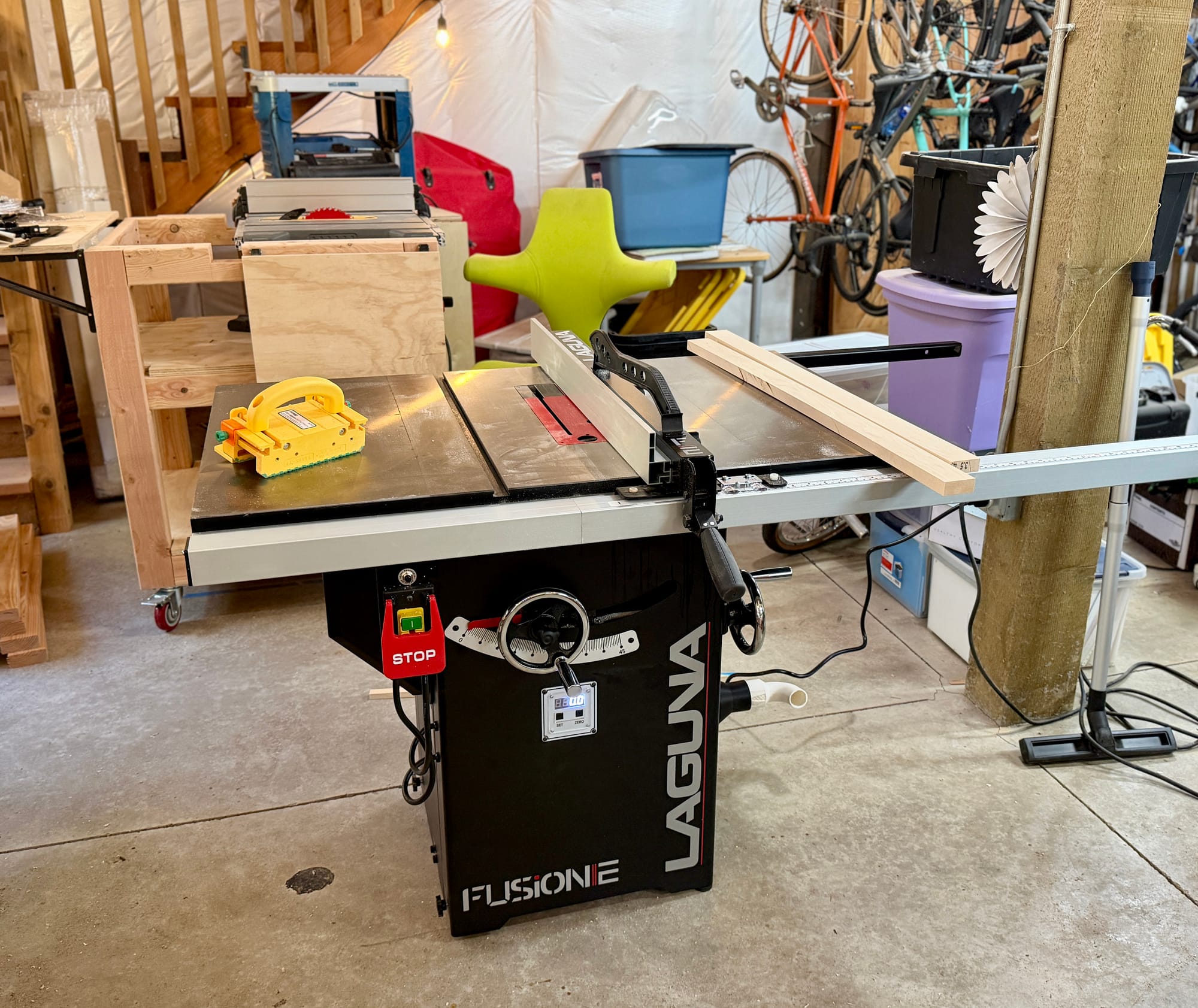
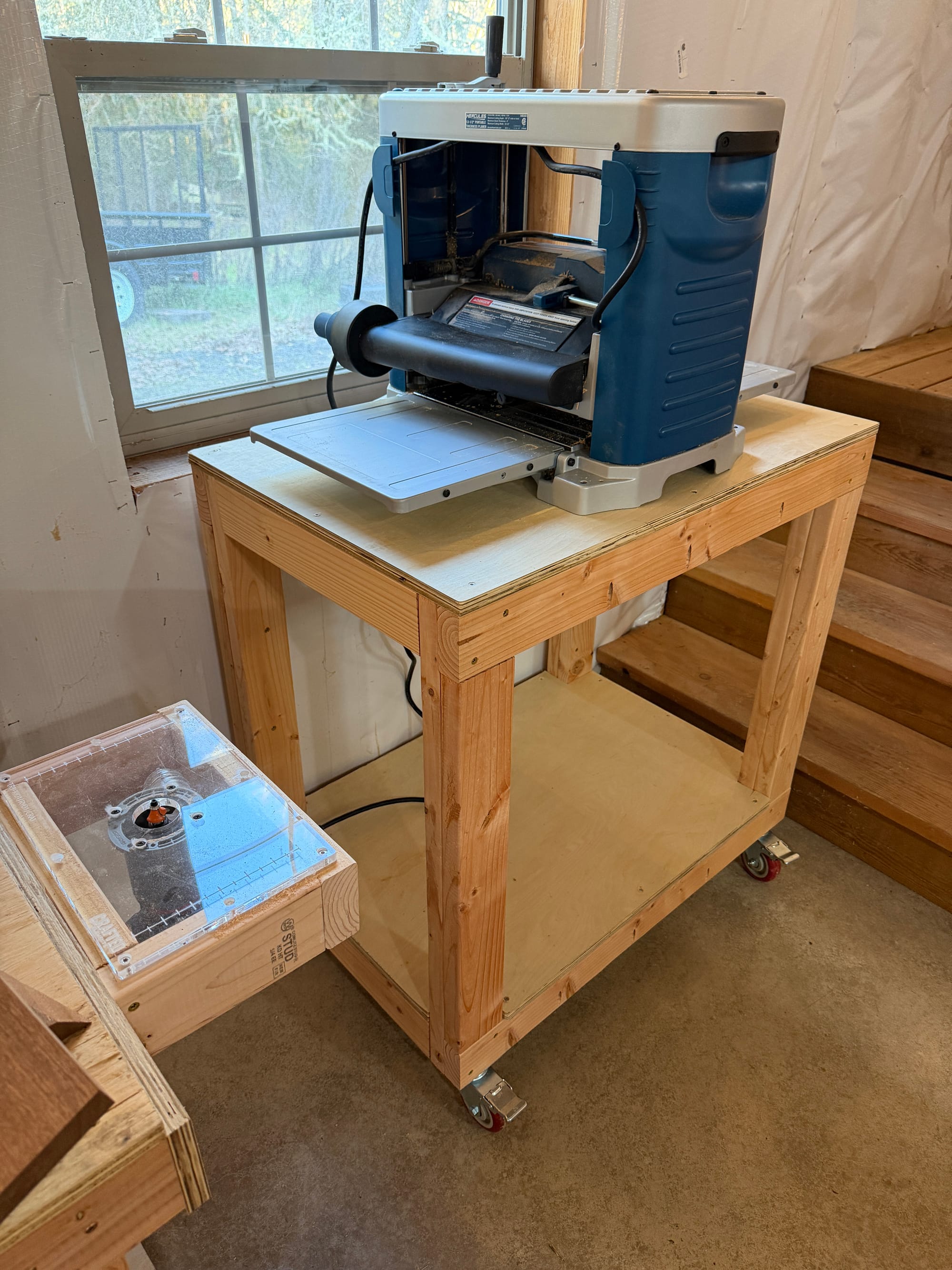
Since I got to spend months inside a large woodshop taking classes, I got used to having good tools around and went on a bit of a spending spree to get everything I needed in my own shop.
Here are some tools I use and recommend:
- My Laguna F2 table saw is a fantastic upgrade over my jobsite dewalt table saw. It lets me do large, consistent cuts that are accurate. It was super affordable compared to SawStop cabinet saws and comes close in terms of features (without the obvious safety tech of a SawStop).
- I love the performance of Harbor Freight's dust collector. I added a cyclone to capture buckets of sawdust before they hit the vacuum, and it cut down on the harmful dust in my shop. I also upgraded it with a better hose.
- The other Harbor Freight item I enjoy using is their planer. It's cheap and it works, without too much sniping.
- I got a Cutech tabletop jointer on sale and it's great for milling down rough hardwood boards and thanks to being all cast iron, it's surprisingly accurate.
- My 12" sliding miter saw from Bosch has been reliable and great.
- The Festool domino router is crazy expensive but after weeks of searching I never found anyone selling one used and now that I have one I know it's a game changer for doing hidden joinery that is strong and easily repeatable. I can see why furniture shops love these, they really speed up building complex shapes.
The rest of my tools are mostly Craftsman cordless models like their orbital sander, belt sander, and trim router, and I picked Craftsman just because I already owned the batteries and chargers for other tools in the past.
I also bought a ton of what I'd loosely call measurement devices, like woodworking tape measures, digital calipers, angle gauges, and loads of levels and rulers and steel blocks to make sure everything is 90º and accurate.
My next big shop project is redoing my miter saw table and then building storage for clamps and wood. After that, I plan to build a custom table to go behind one of our sofas, to hold surround sound speakers while also hiding all the wires and chargers for game controllers. Then I might build my first dining table after that.
Overall, the thing I've loved most from the past few months is learning so much about how woodworking projects go together. Learning all the basics of wood joinery means I can now look at something in a store and usually figure out how I could recreate it on my own using my supplies and tools. It's a pretty good feeling, and makes me want to learn all sorts of new trades as well.