Lost & found in Tokyo: a first-timer's adventure
I’ve wanted to visit Japan since the 1990s but I used to think it would be too overwhelming. I worried it'd be hard to navigate, difficult to find fun stuff to do, and not easy to enjoy a new country where I had a significant language barrier to contend with.
This post is over six thousand words long and will take quite a while to read about everything I did and experienced during my week in Tokyo. Feel free to skim it, check out the photos, and bounce around wherever you like.
But about ten years ago, friends would visit and say Google Maps and a swappable SIM card made getting around Japan incredibly easy. From my own experience, translation apps are getting really good at deciphering menus and maps in real time and I know Japan is greatly expanding tourism, so for the first time a Japan trip felt possible for me. For the last year, I've looked for any reason to take my first trip.
Months ago, I asked Andy to join me on a trip but he was already planning to visit Tokyo in September and encouraged me to overlap a bit with his trip. Jason would also be living there by then and I knew Leonard has lived in Tokyo for six years. It finally felt like the perfect time to book a trip and take the plunge.
Getting my bearings and my first night in town
I shopped for cheap flights on any carrier but eventually ended up on my hometown favorite Alaskan/Hawaiian Airlines. My premium economy seat was about $700 each way, but my dream scenario was a business class seat, but those added $5k to the ticket price, which was wild. In the weeks leading up to my trip, I would occasionally check the Alaska app and the upgrade always remained at $5k.
As I sat inside the SeaTac airport waiting for boarding, I looked at the app one last time to see how much a business-class lie-flat seat upgrade ran. With less than an hour before takeoff, it was suddenly around $1,000 and I took the offer immediately.
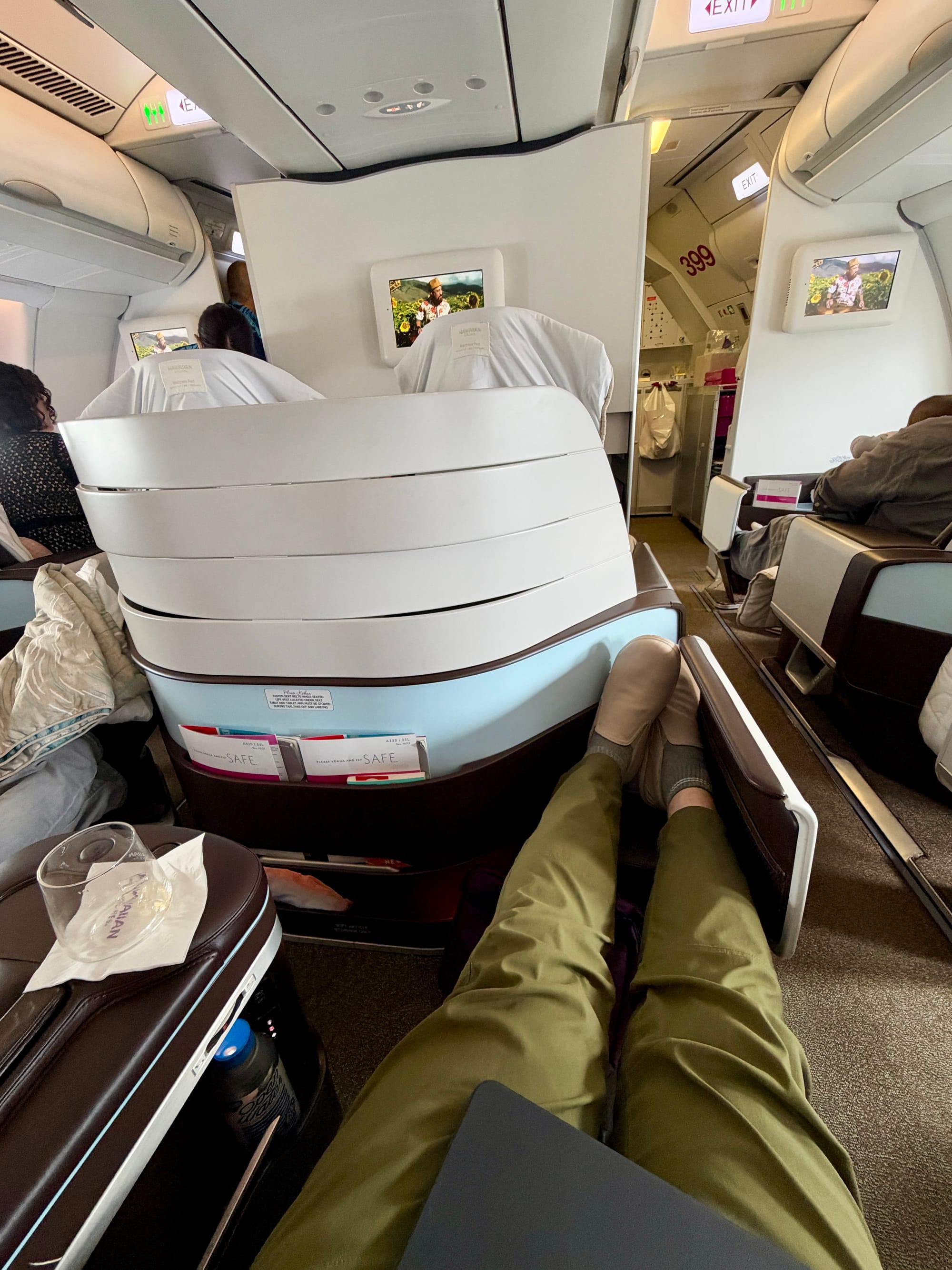
The 10-hour flight was infinitely more enjoyable because I could stretch out. The flight had free wifi, and I watched TV, movies, and YouTube on my iPad for about half the journey, I took a brief nap and enjoyed a couple great meals. I landed in Tokyo around 4pm local time feeling not too bad considering I stayed mostly awake for 24hrs straight to get used to the time change. The seat upgrade was totally worth it, especially compared to my past flights to Australia and New Zealand in coach.
The first challenge
I wasn't sure how long customs would take, so I didn't reserve any airport to hotel transfers and instead relied on mapping apps to simply show me which trains to take.
The weeklong adventure was going to start with an adventure.
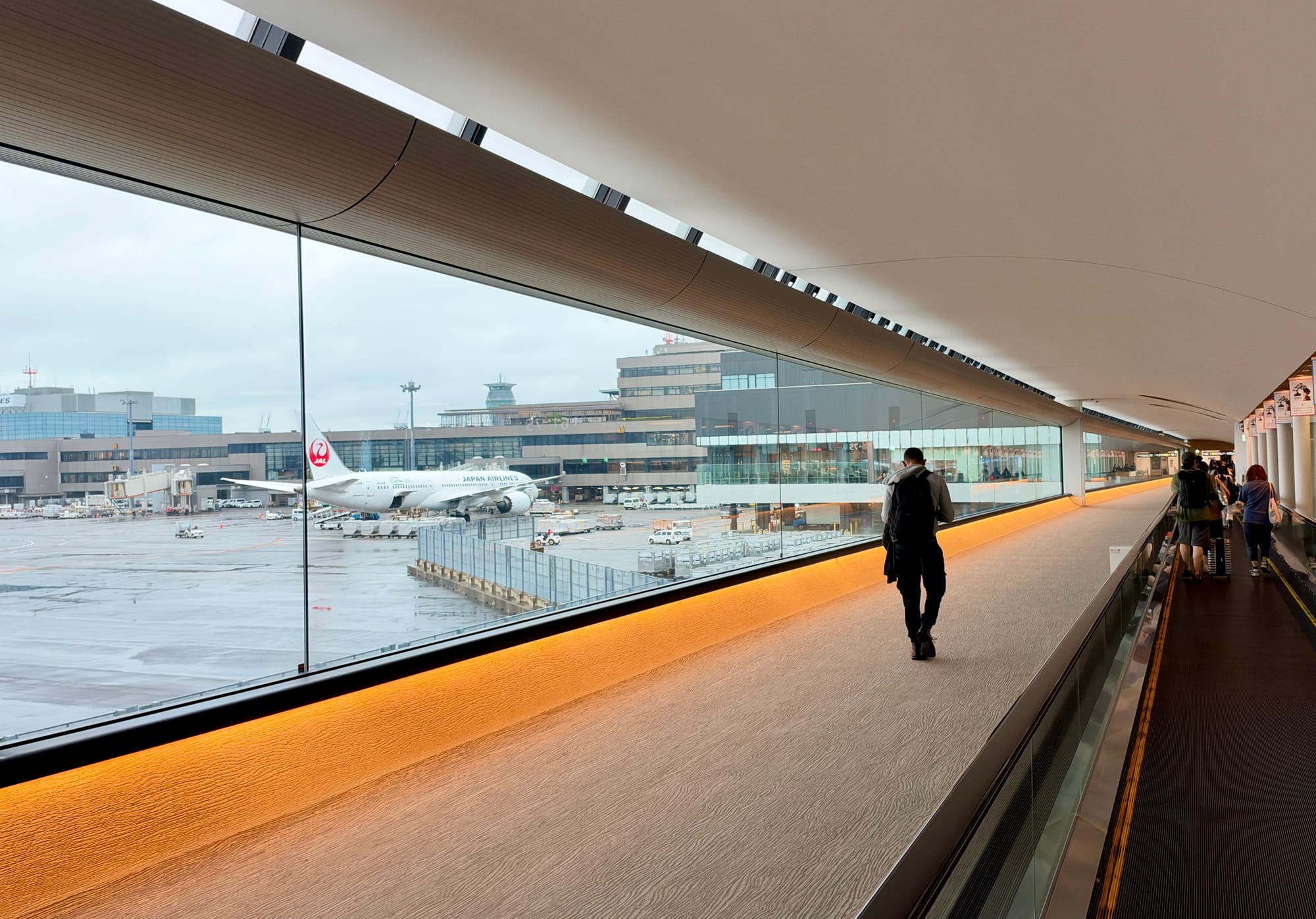
Getting from the Narita Airport to my hotel in the southern part of Tokyo took three long train rides but I pre-loaded a PASMO card on my phone with about $30 worth of credit and I was ready to roll. I also learned a few things on this first venture, like how platform names and numbers work across stations, how destinations and directions were labeled on Tokyo trains, and how to navigate transfers and exits at stations. I also learned about reserved vs. non-reserved train cars, where to store my bag out of everyone's way, and when it's appropriate to take an open seat (and when to give it up).
About three hours after I left the airport, I was standing in front of my hotel that occupied an entire city block, and I couldn't figure out a way in. It wasn't until I noticed a tiny building map on a wall that pointed out the single entrance, downstairs on the opposite side of the building. I made it to my room, unpacked, and showered to reset.
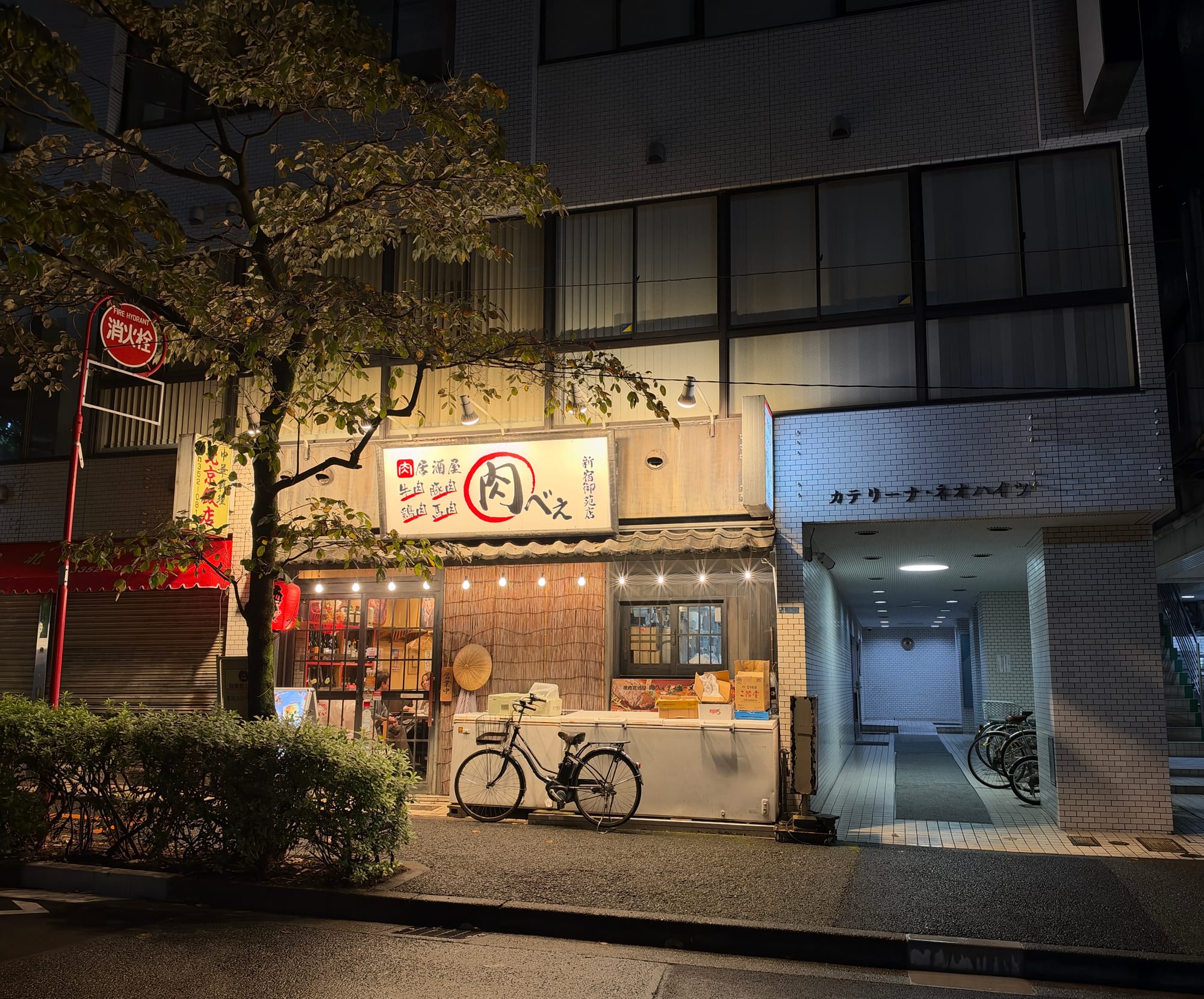
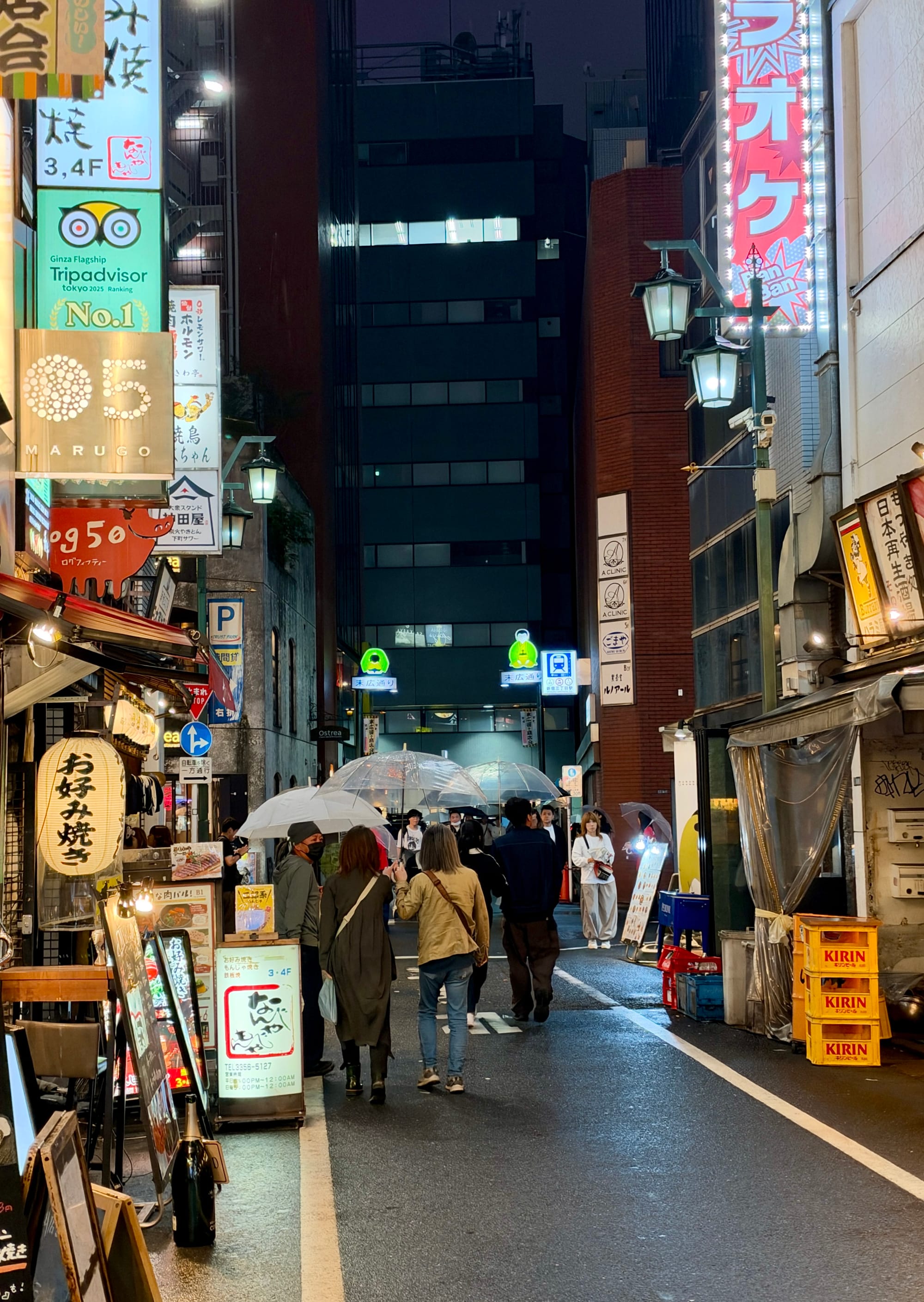
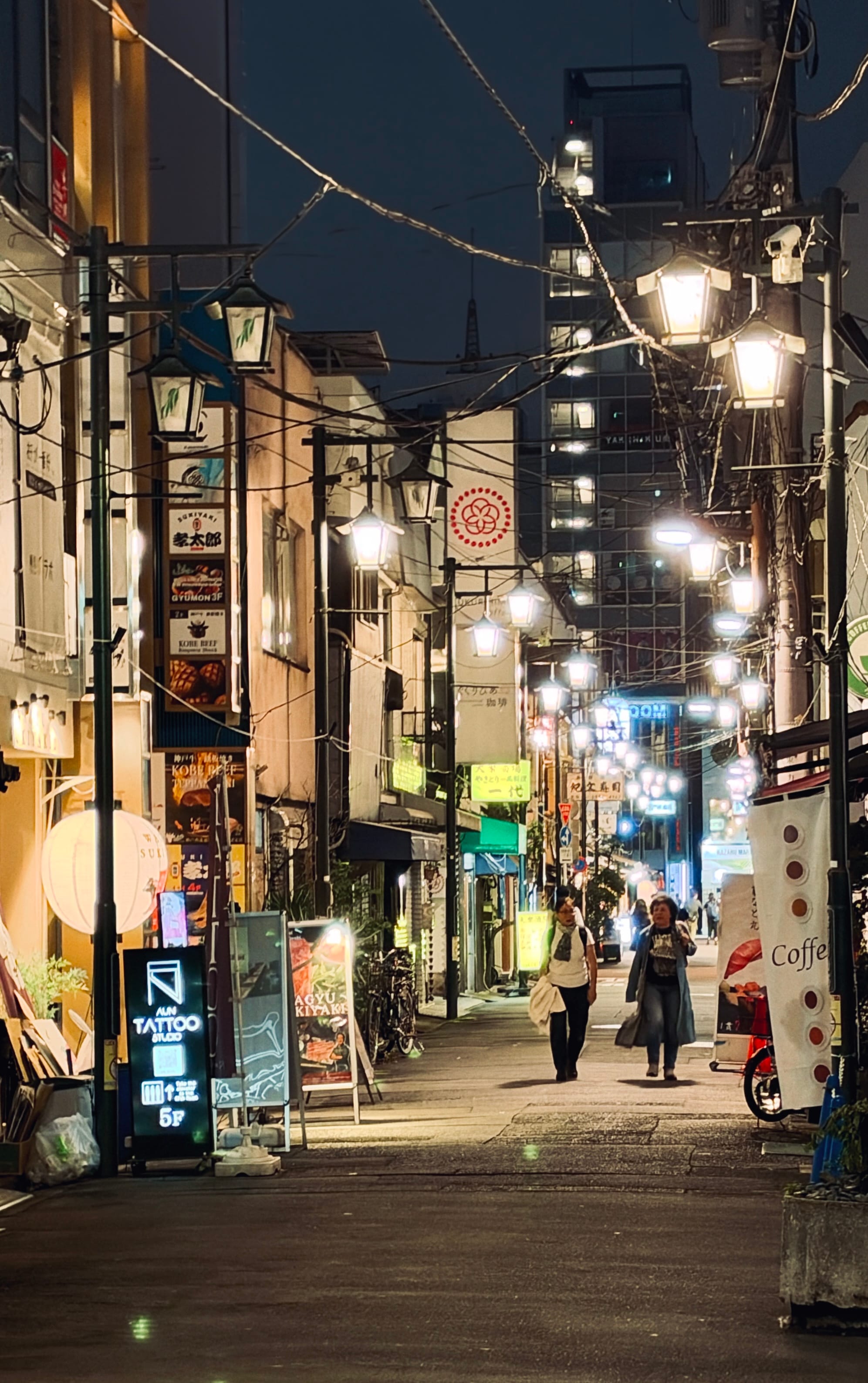
To keep myself awake until a decent sleeping hour, I jumped on a train to Shinjuku to run errands that Saturday night and touch base with Jason. As I wandered around town I marveled at the small, virtually car-free streets that were always a block off major roads and seemed to go off in every direction forever. Cars could drive on these, but rarely did, so the streets were filled with people walking and riding bikes quietly. It was late at night, I was walking alone, but it felt both peaceful and incredibly safe, as no one really bothers you or talks to strangers like they do in America.
It was a first moment of real culture shock, seeing how I could take a train that covered several miles for just a couple bucks in a language I didn't understand and then walk along people-friendly streets safely. I wondered why we so rarely have anything like this in America.
My first temple
On Sunday, I had an open afternoon before a birthday dinner, so my plan was to hit up my first temple about an hour outside of town.
But before I could head out, I had to see a doctor. About once a year, one of my ears plugs up with wax and that affects my balance, my sleep, and my hearing in really bad ways. Normally, it's a quick trip to my local ER where for about a hundred bucks they flush it out immediately.
It was a Sunday morning, I was in Japan, and I had no idea how my American health insurance worked when abroad, so this felt like life at maximum difficulty settings. After a bit of research, I found a local ENT clinic open on Sunday mornings with good ratings that welcomed foreign travelers if they paid at the end of the visit. They also had someone in the office that spoke English, which was a bonus, and their online scheduling showed there were open spots in about a half hour.
I jumped on a train then learned how to decipher specific floors and doors in Japanese addresses in Google Maps and how automatic doorways work in Tokyo (press the button to operate a slider, they don't use weight sensors). I only had to wait about ten minutes in the clinic before I heard "Matthew-san?" and a doctor who happened to speak English suctioned out my ears in less than five minutes for $125. It was kind of remarkable how well it worked out.
Happily hearing again, I jumped on a few trains, transferred where I needed to and eventually got to the temple, which was beautiful and situated in the middle of a green and leafy suburb of Chofu.
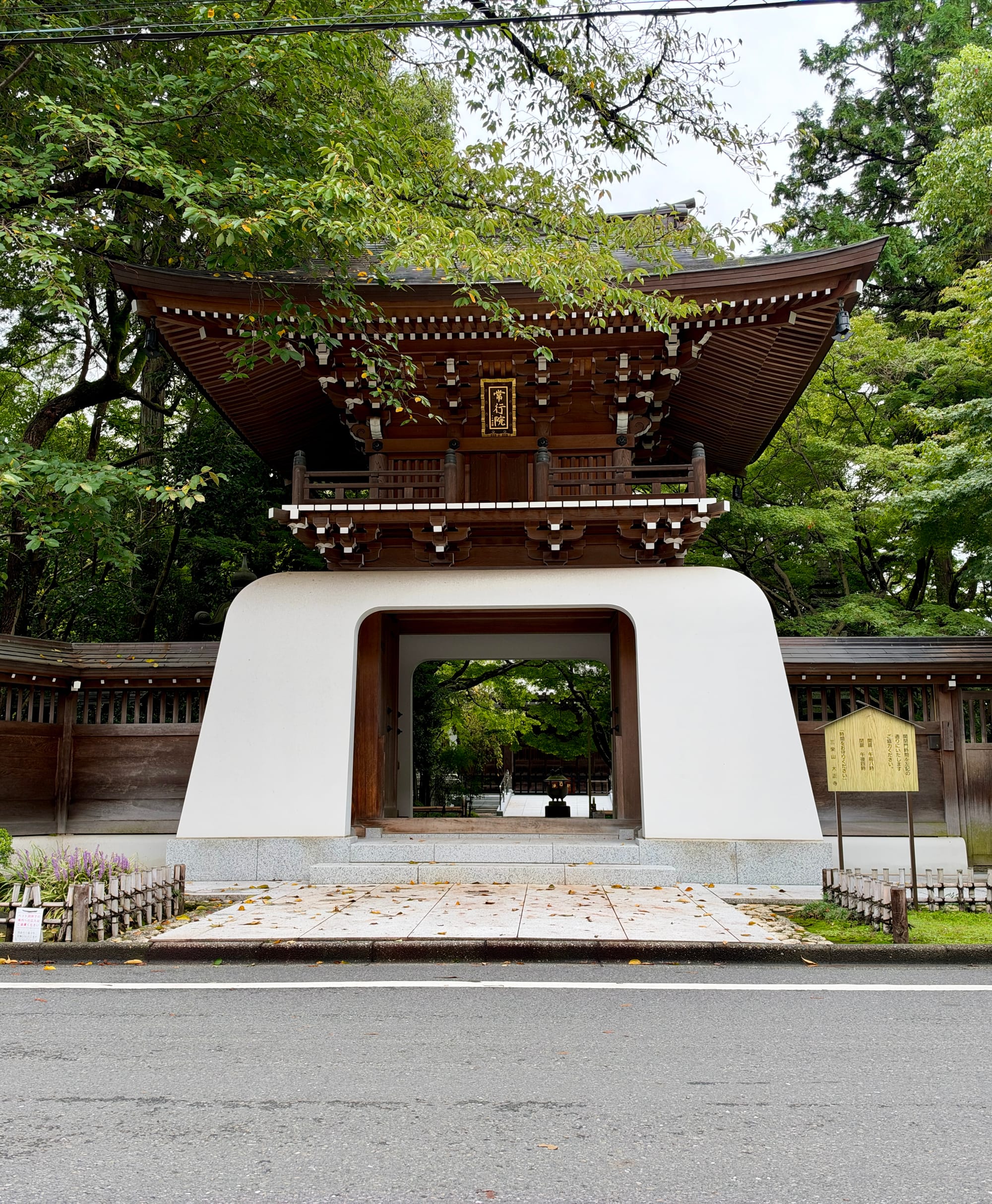
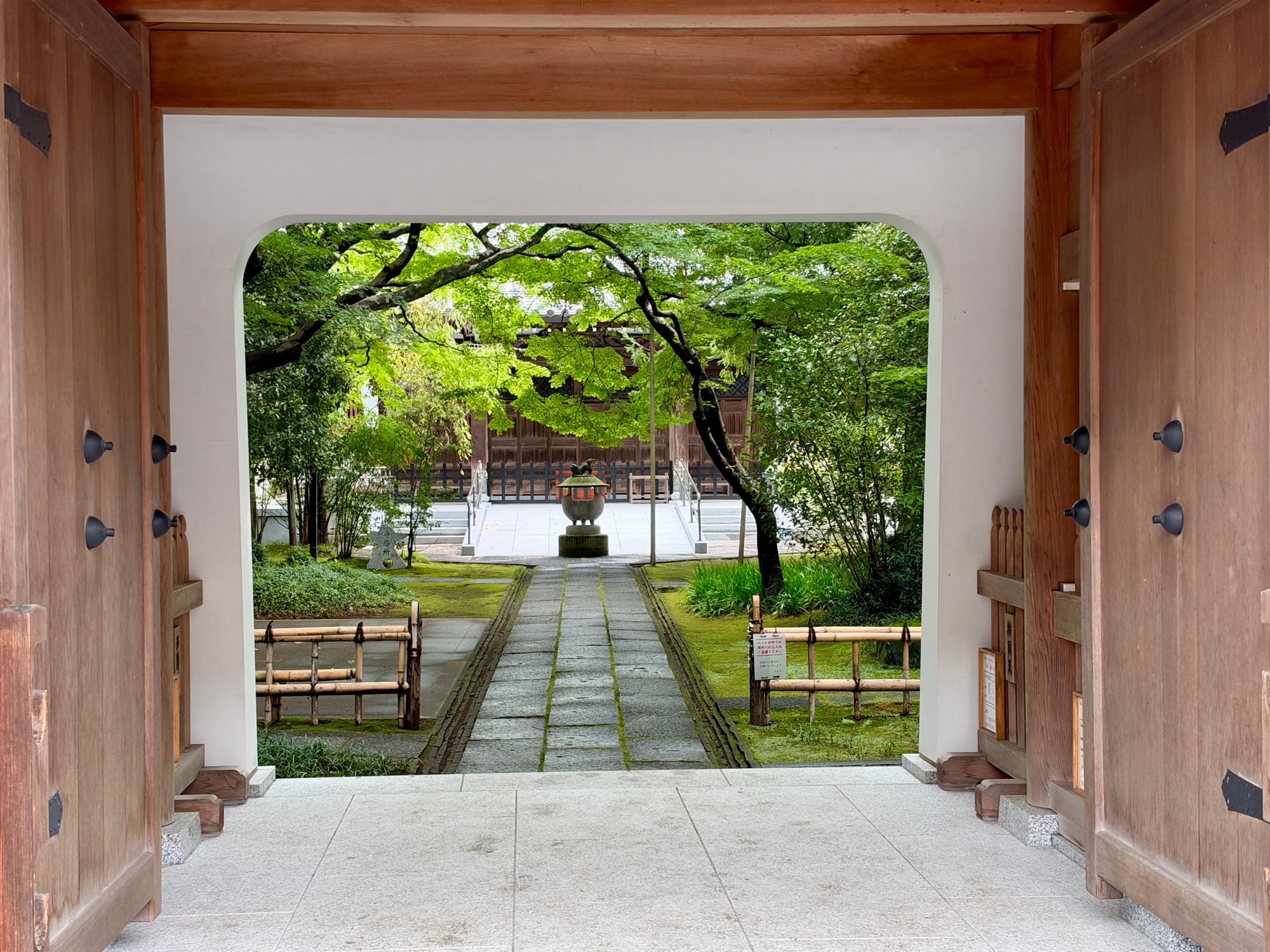
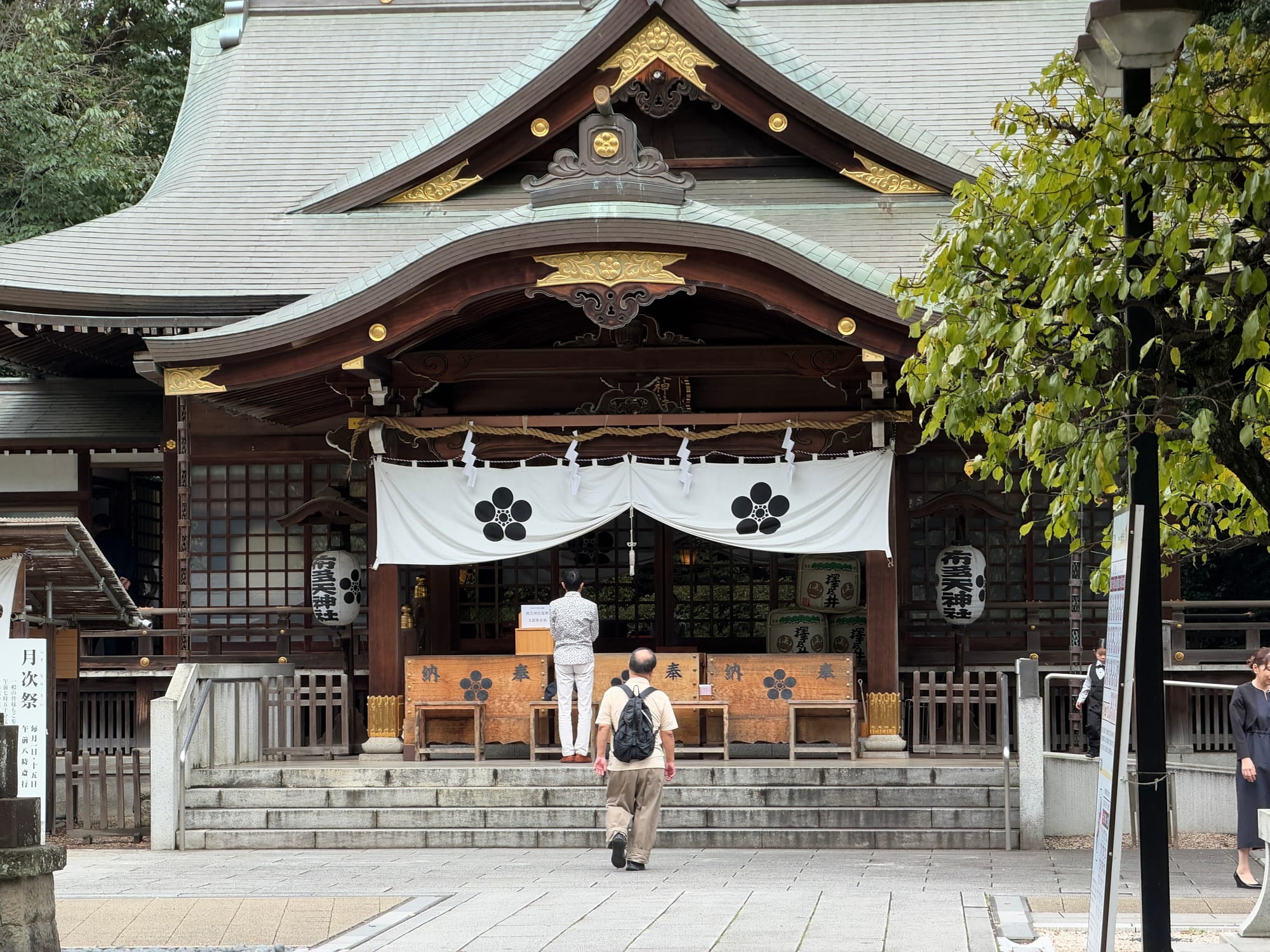
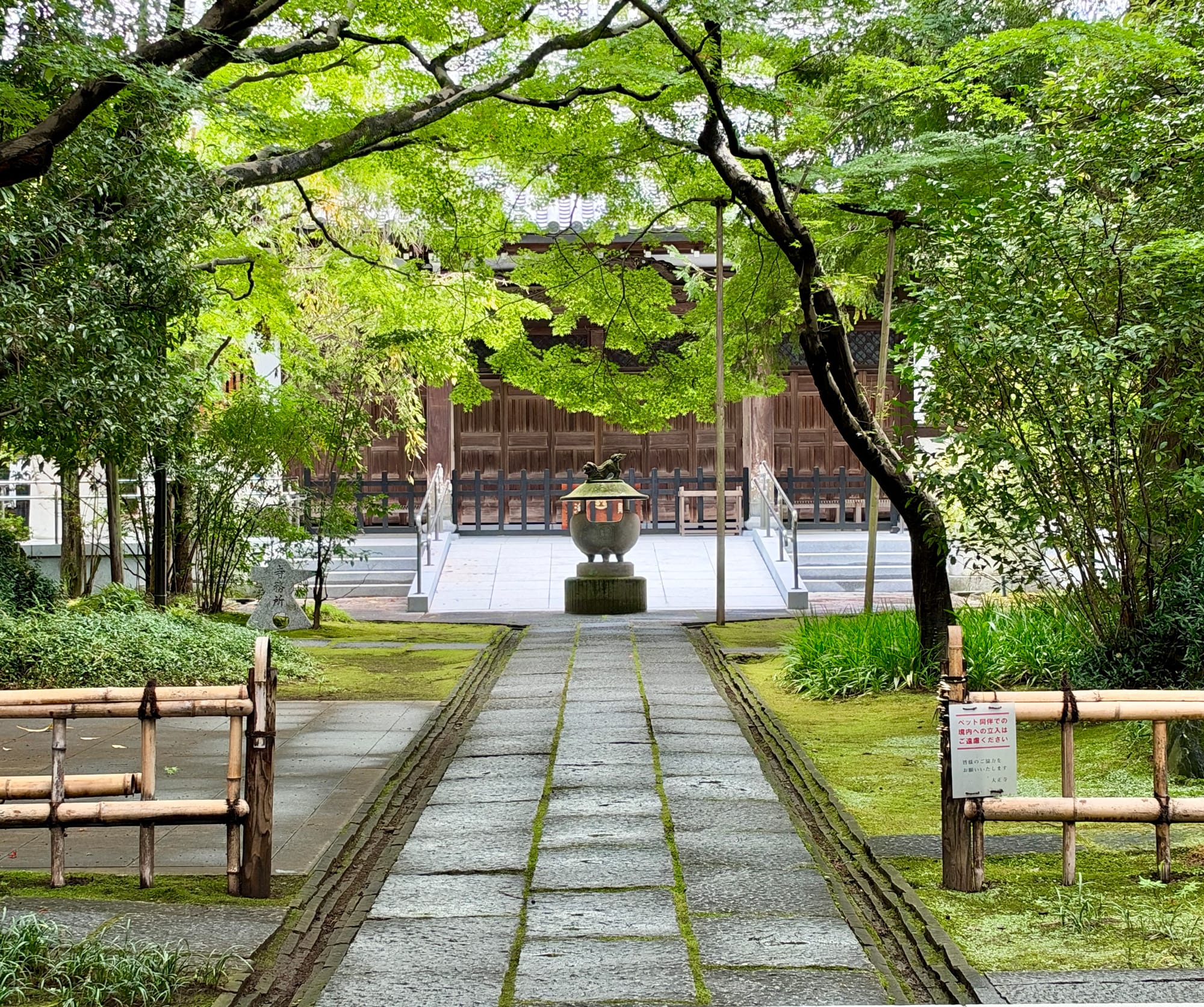
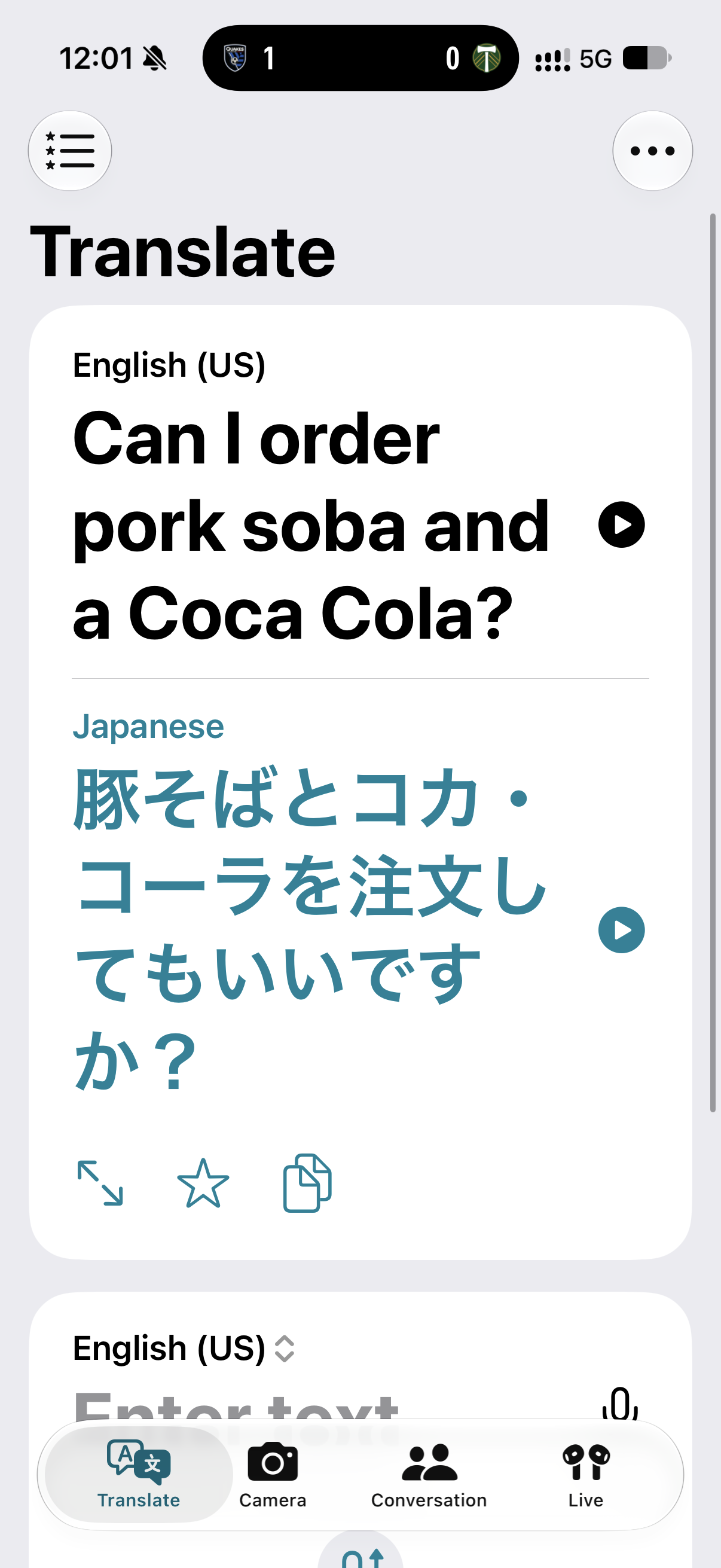
I heard the neighborhood specialized in soba noodles so after the temple visit I walked down another endless pedestrian friendly road until I spotted a good option. I went into my first restaurant where no one spoke English and was seated. I relied on Apple's Translation app to order and the server used their own translation app to give me pointers on where to get water and tea.
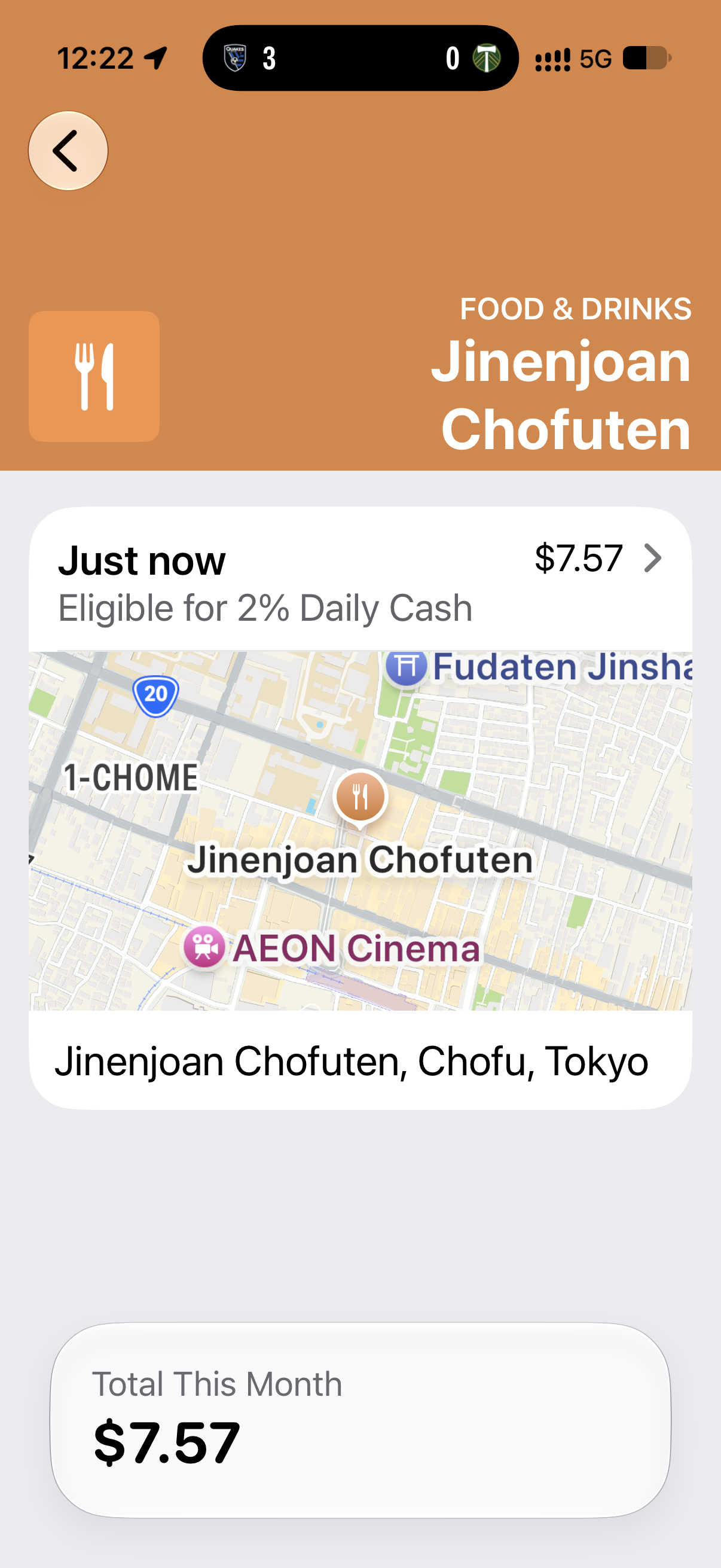
Then I learned what I'd been hearing for years, which is that food in Japan is incredibly good while also being very cheap. My freshly hand-pulled soba noodles that tasted great were less than $8 total. Remarkable.
Constantly learning
Each day I pushed myself to do things that were out of my comfort zone, like take long train trips that zig-zagged all over the city. I learned how to use the bus system, locate stops, and figure out where to stand when a bus arrived. I learned how subway cards could be used almost anywhere to pay for almost anything. I used vending machines when I needed a bottle of water and I dropped into a 7-Eleven, Lawston, or Family Mart when I needed a surprisingly tasty snack. I learned how to cut through the many malls to get into train stations and then I learned how to find the specific exits I needed to get where I ultimately wanted to go.
These were all mundane things, but it was fun to do something new every few hours all week long.
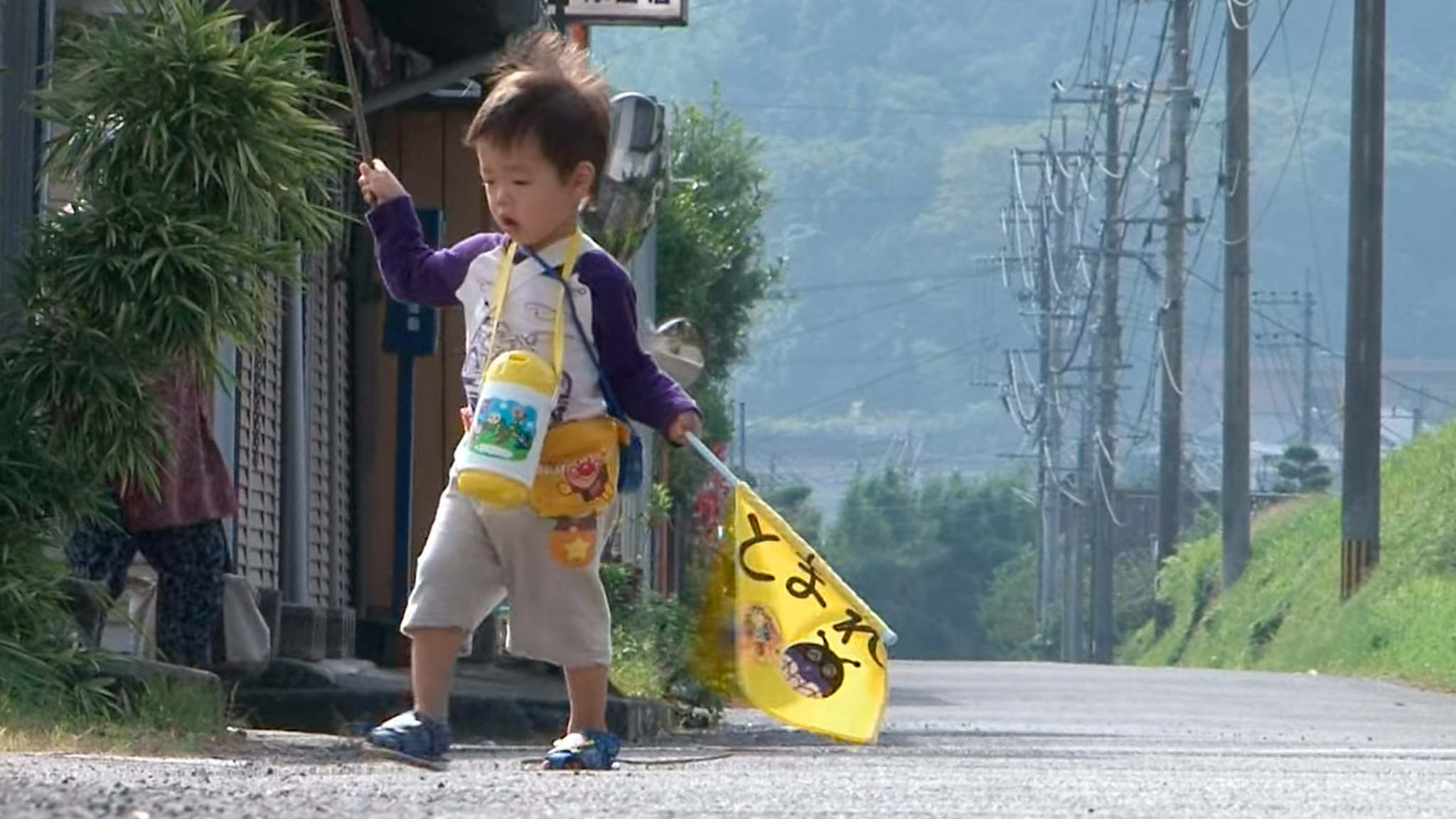
I felt like one of those little kids running errands on that old Netflix show, holding a flag to warn others I'm still learning things, like where to buy an umbrella in a downpour and how to pay for it and also how it opens and closes and also how to not be in anyone's way while you do that.
Jason's birthday
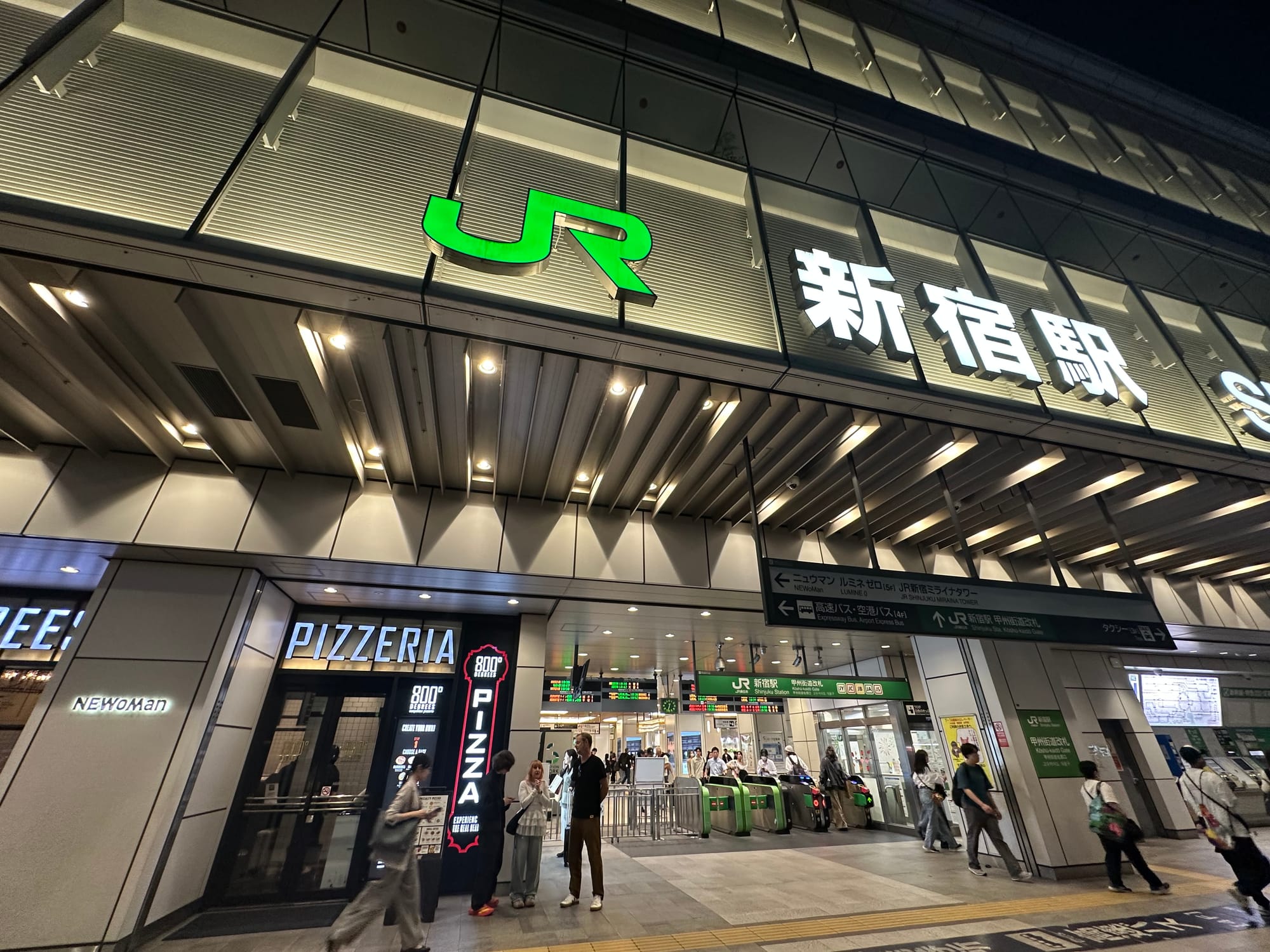
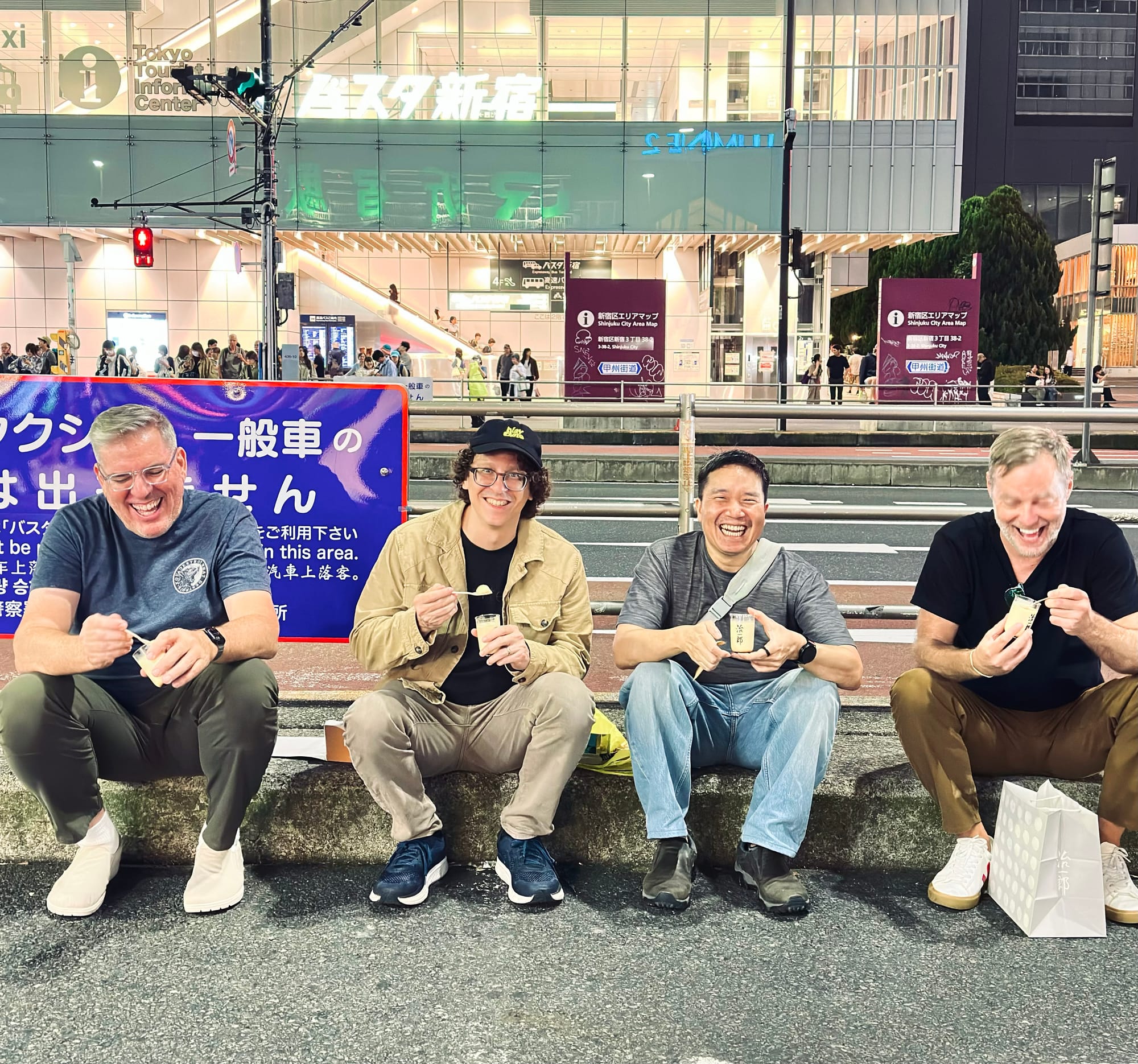
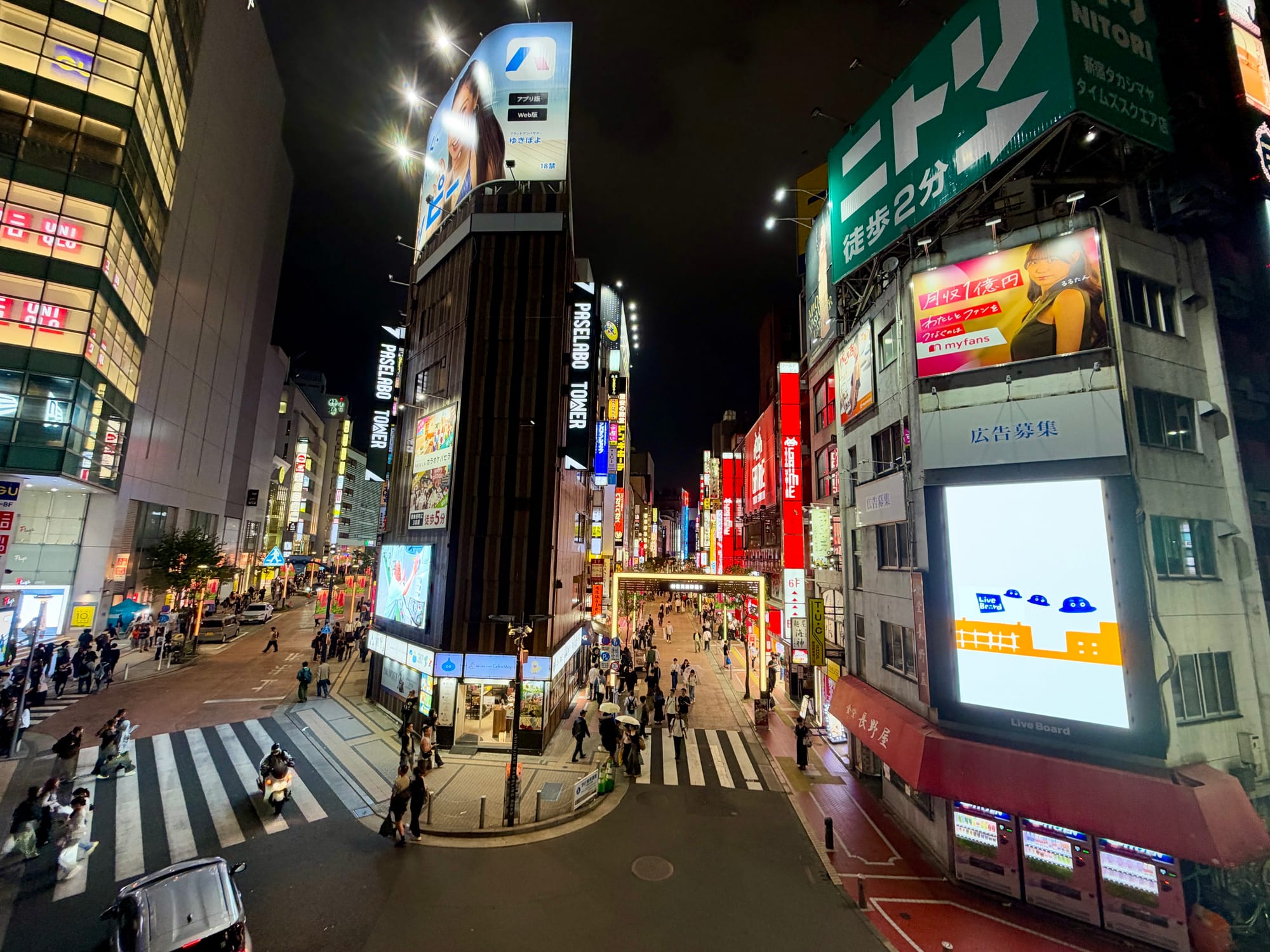
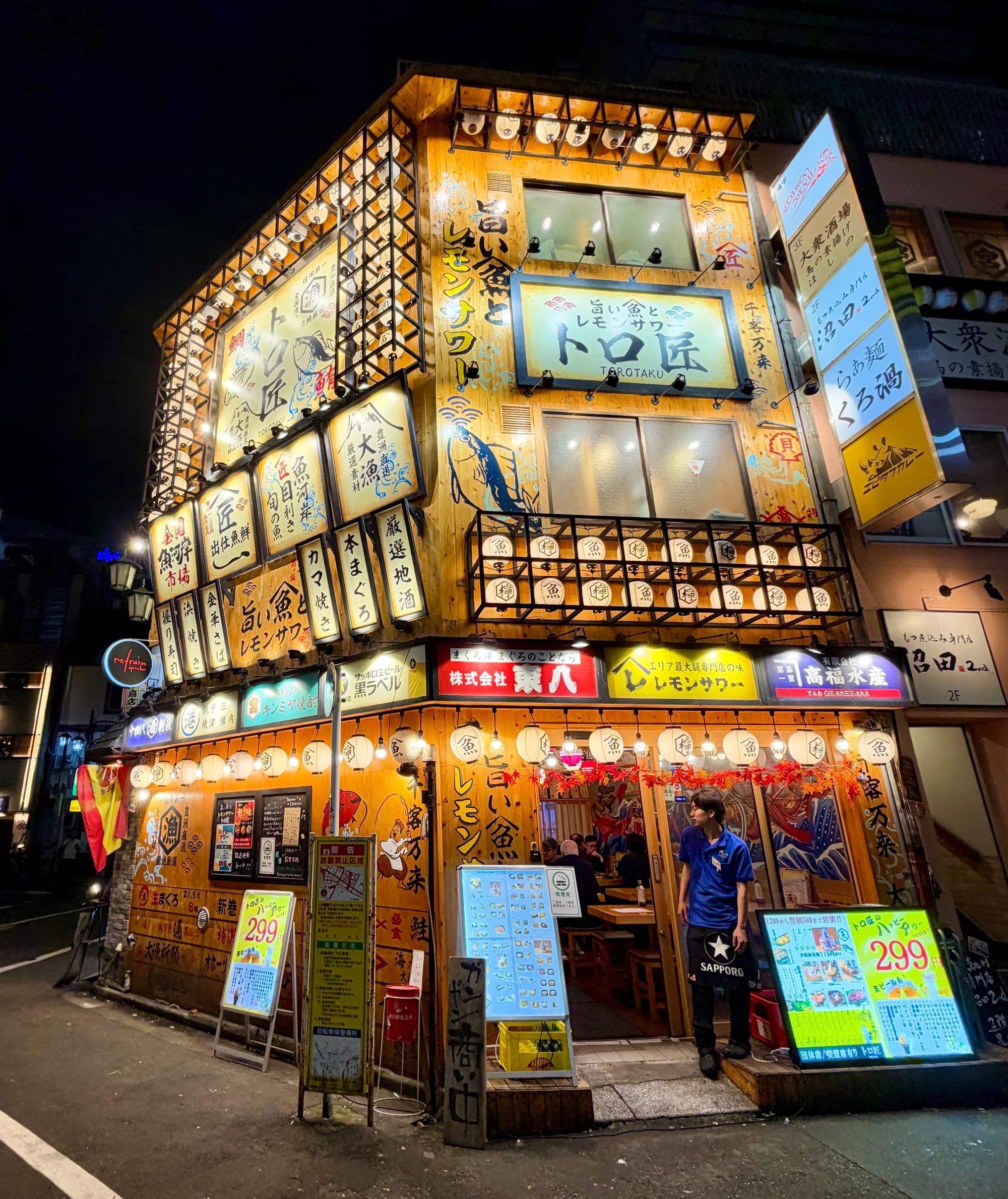
I made my way back to Shinjuku later that night for pizza at 800 Degrees. I've heard Japanese pizza was pretty great and this place nailed a Naples-style of pie. Then we hit a mall and bought a bunch of sweet treats, which we ended up eating out on the street. One of the best puddings I've ever eaten was about a dollar.
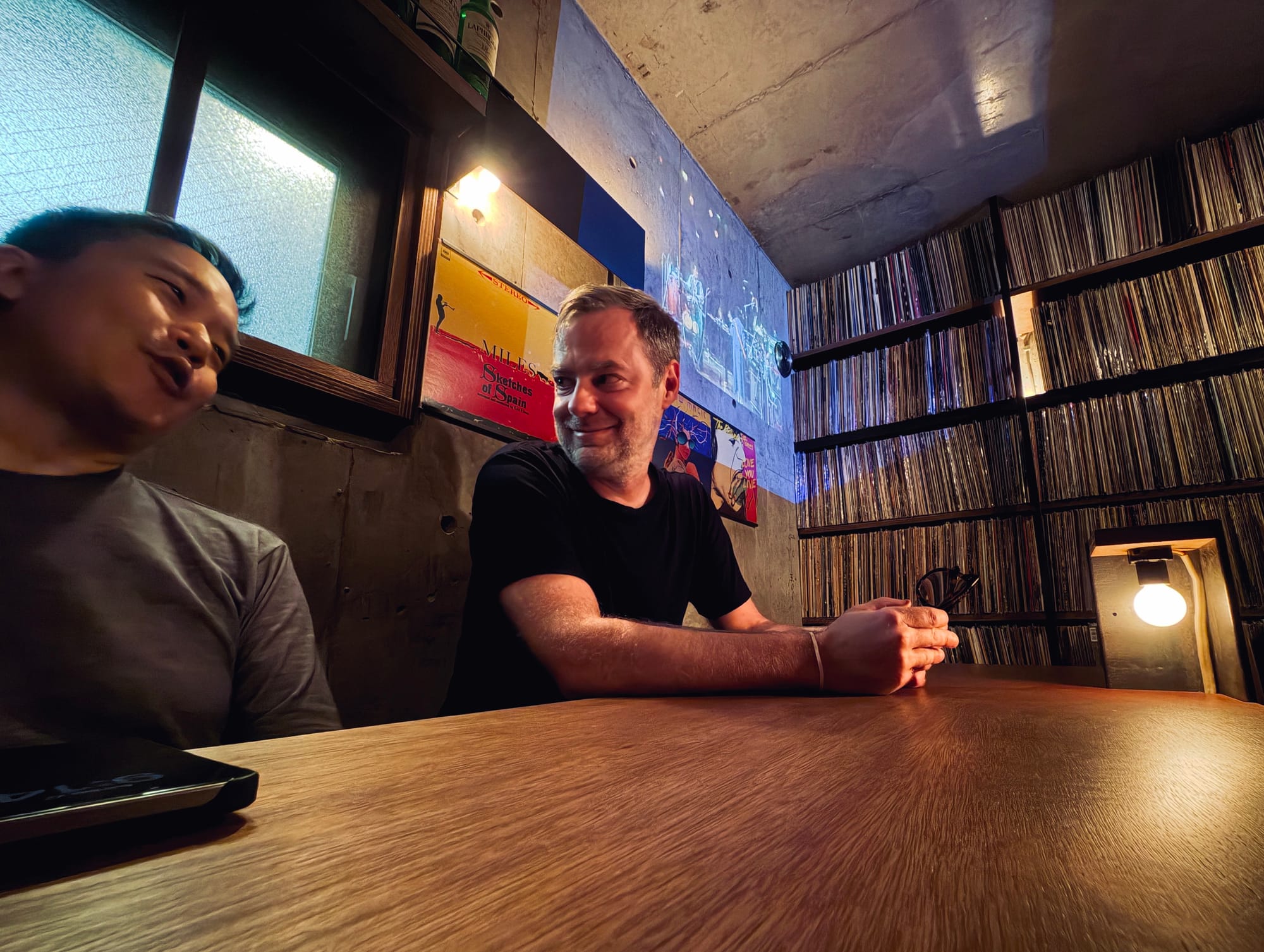
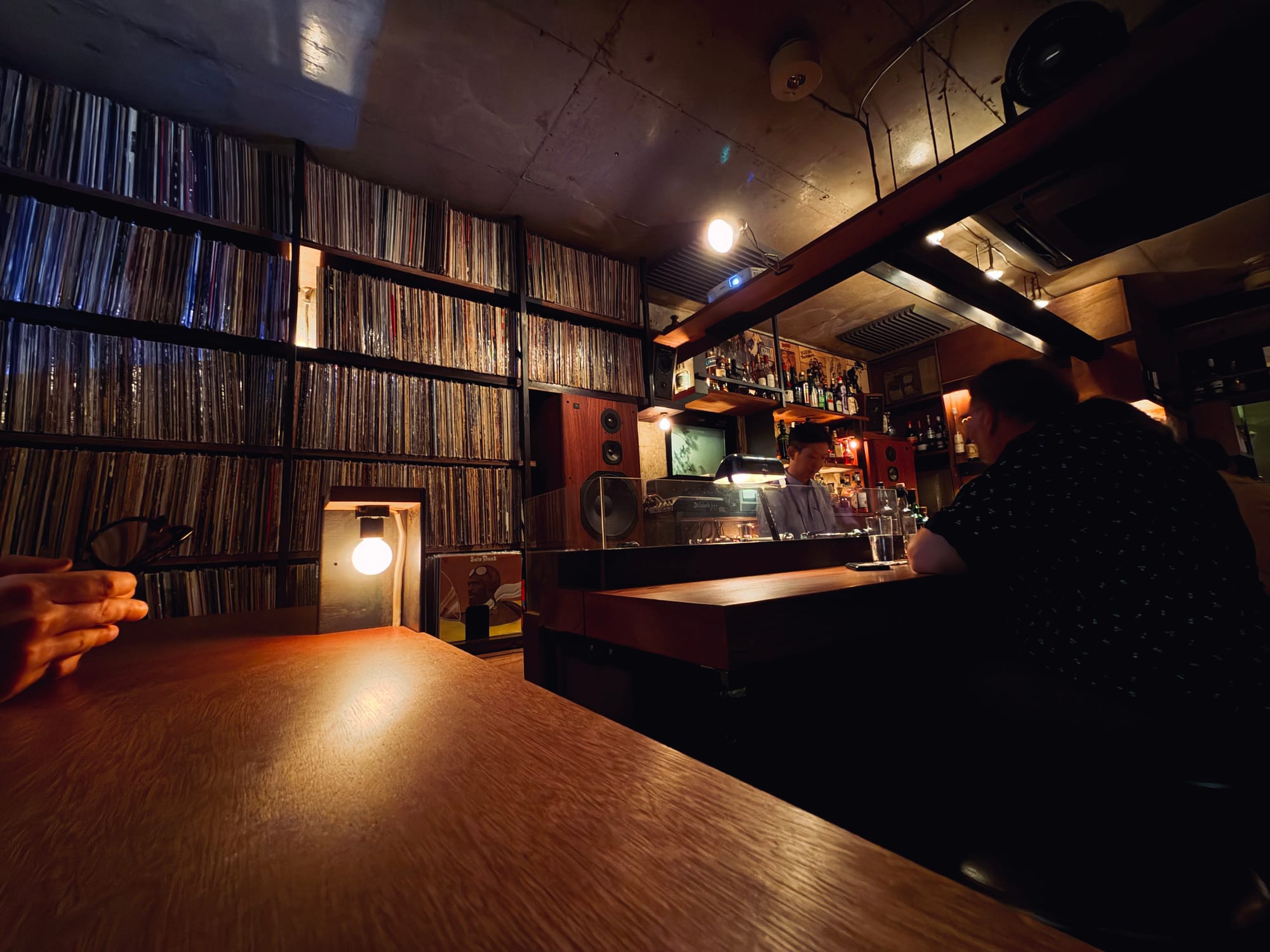
We had dozens of bars to pick from around Shinjuku, but we hit up BarRPM and it was utterly fantastic. There, a lone bartender spins classic jazz records on two turntables from the thousands of options in the bookcases behind him while serving Japanese whiskey and gin to customers. It was a perfectly chill vibe and we had a great time shooting the breeze for a couple hours while sipping. If I lived within walking distance to this bar, I would be a regular there every night as the vibes were immaculate.
DisneySea
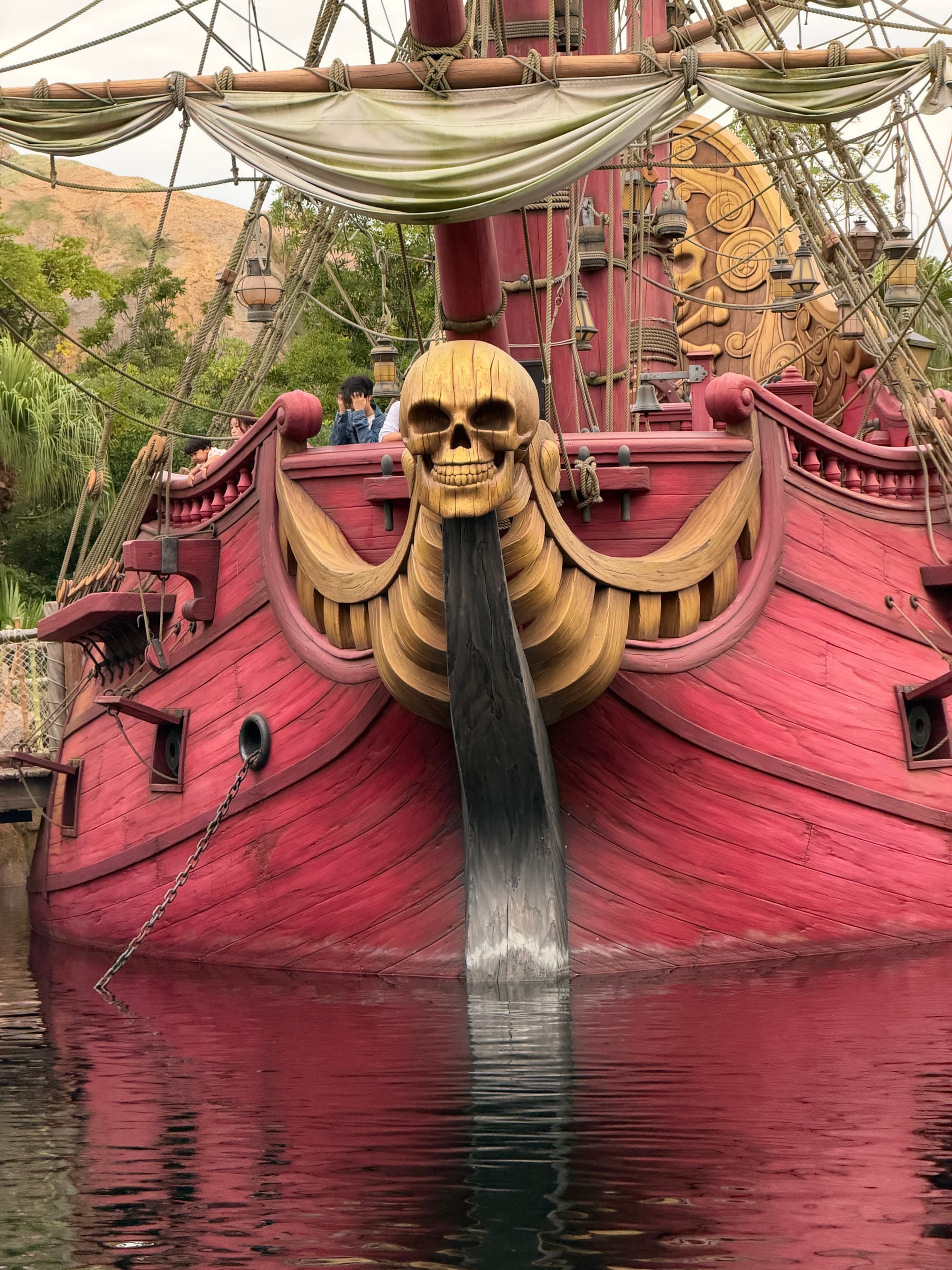
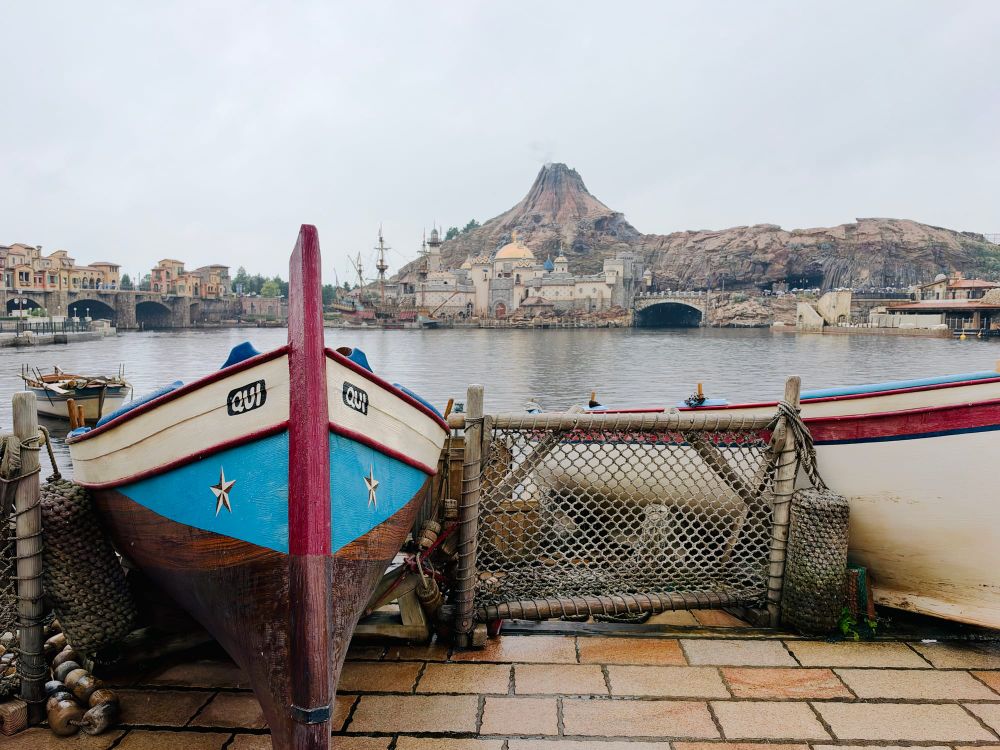
Monday was an entire day spent at DisneySea with Andy and we had a blast. I wrote about it extensively a few days ago, but it really was a dream-like place made real.
A mundane morning
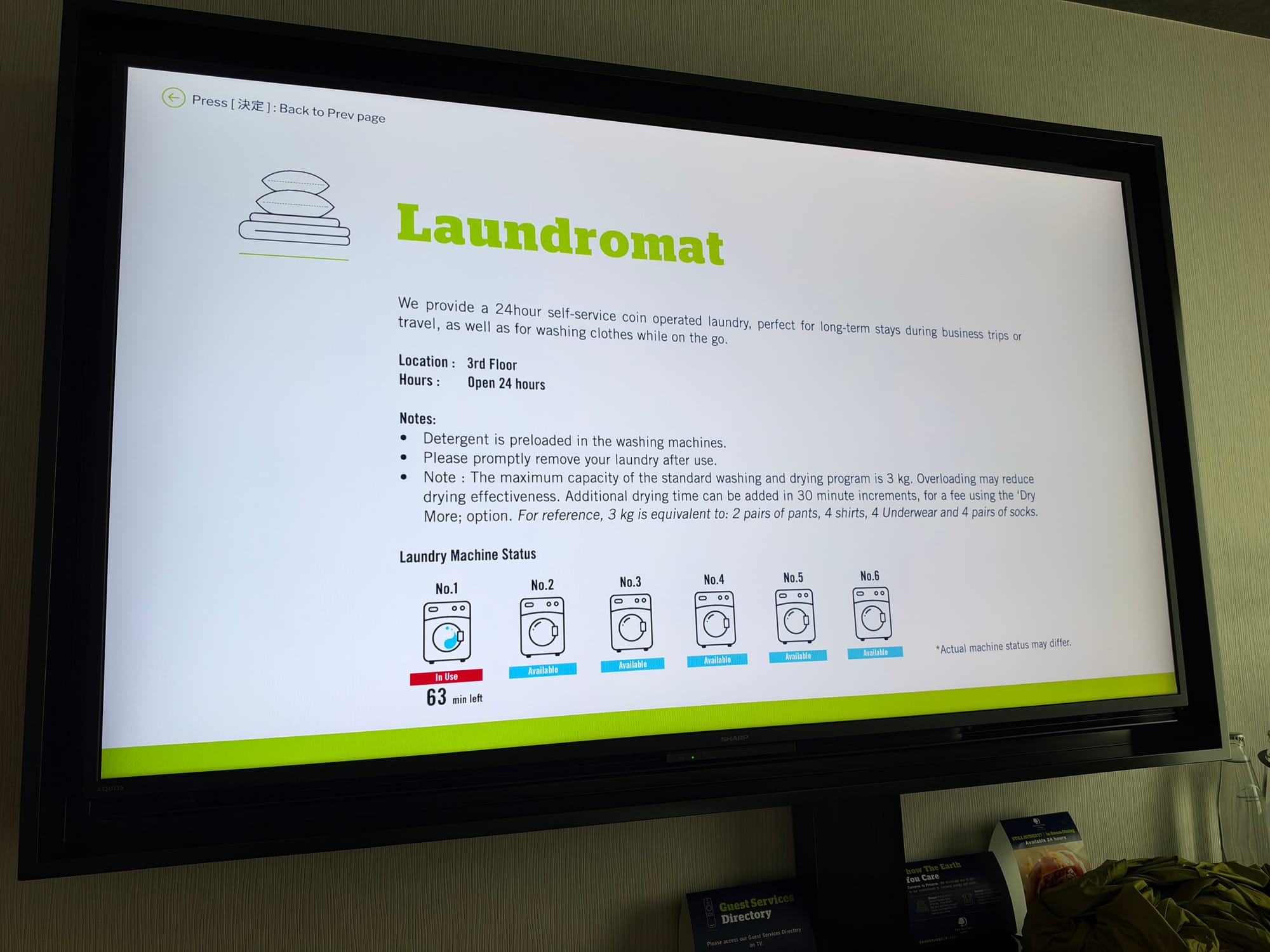
It was hot and humid in Tokyo throughout my entire trip. I thought the city would have weather closer to LA or San Francisco, but it felt like late summer in NYC. I was taking a couple showers a day and changing clothes each time so by Tuesday morning, I tried out my hotel's washer/dryers which were also wired up to the hotel TV so you could see how many machines were unused and you could even see when yours was done. It was like living in the future!
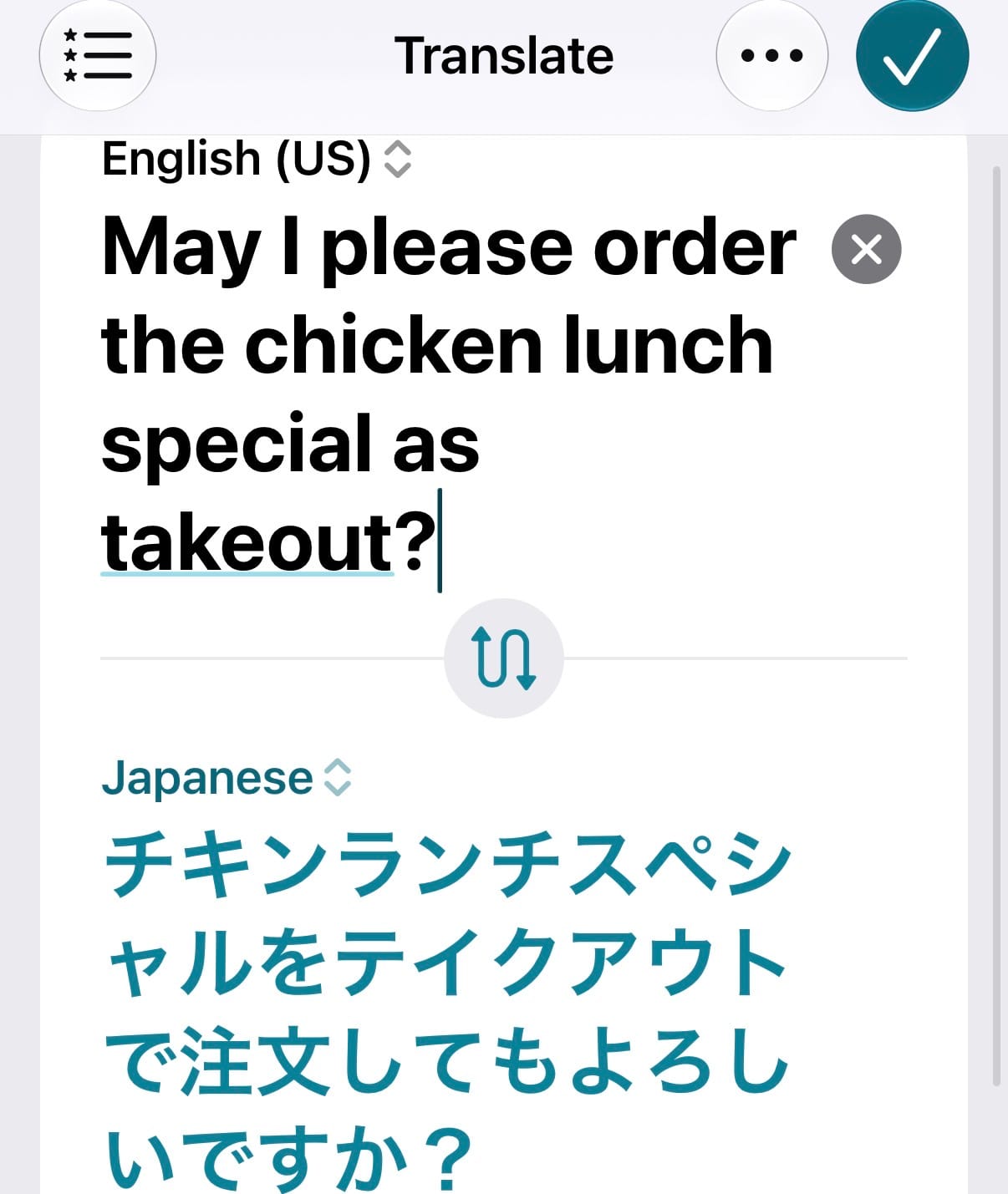
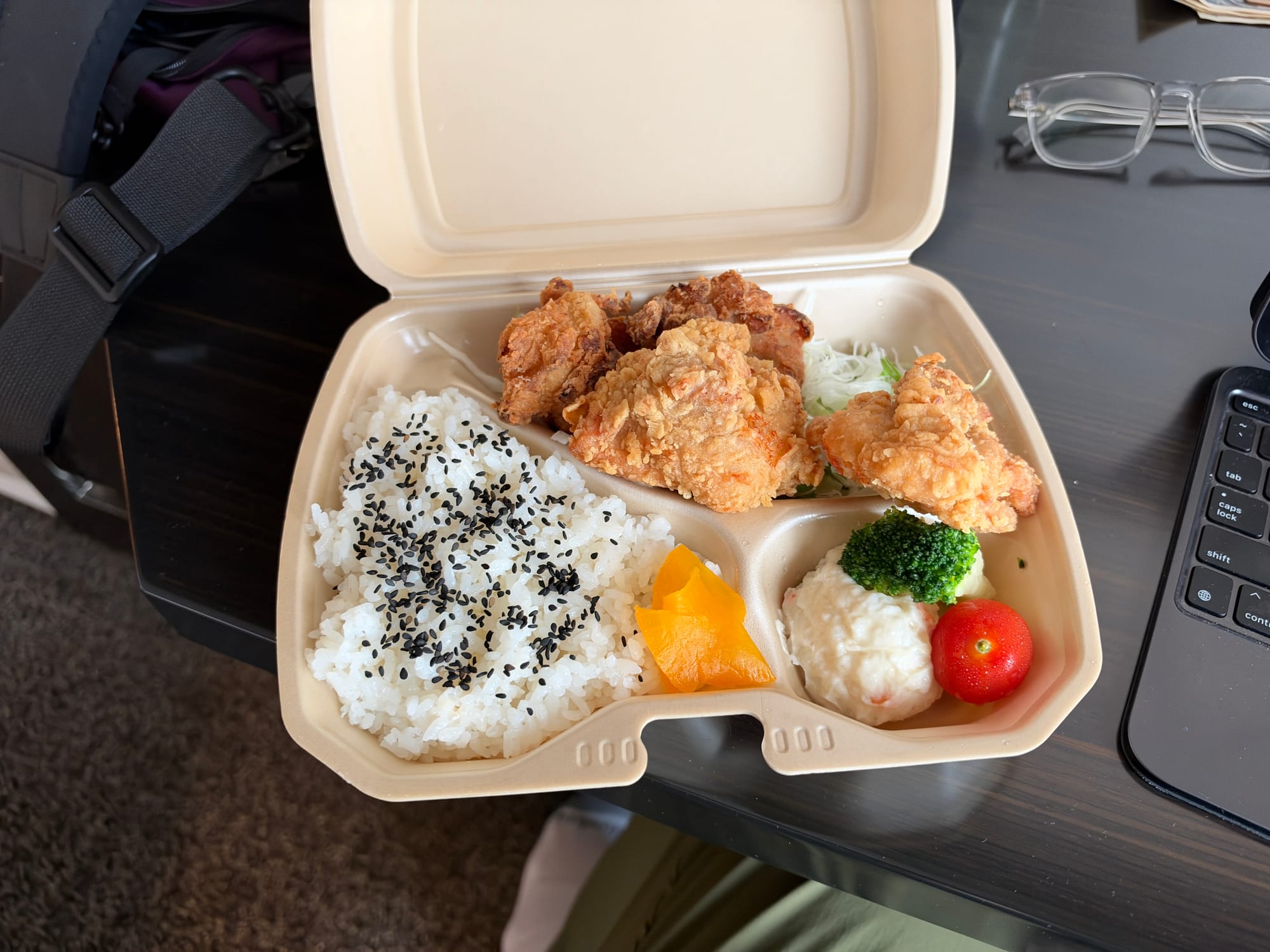
Thanks to translation apps again, I grabbed some incredible karaage chicken bento next to the subway station. Honestly it was some of the best fried chicken I've ever had and the whole meal cost $5, which again, is bonkers.
A local pro baseball game
Tuesday night, I bought a ticket to one of the last Japanese pro baseball games of the season, where I saw the Tokyo Giants take on the Hiroshima Carps. It was a fun experience, with 50-60 different food vendors and the famous "beer girls" with kegs on their backs running up and down the aisles selling beer to fans. The game also featured cheerleaders, scarves, and chants for every player from supporters sections. It was like a rowdy European soccer match and a MLB game combined.
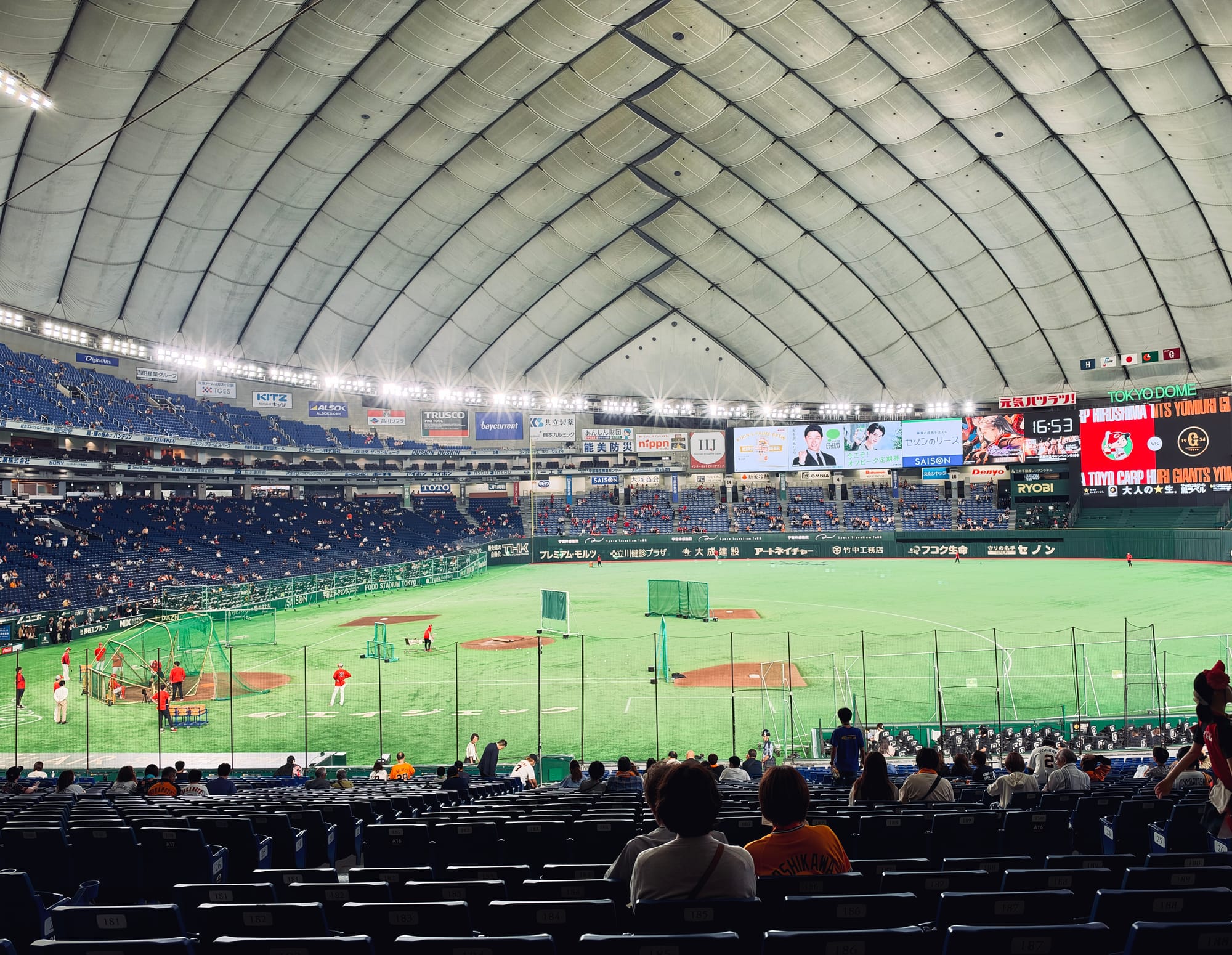
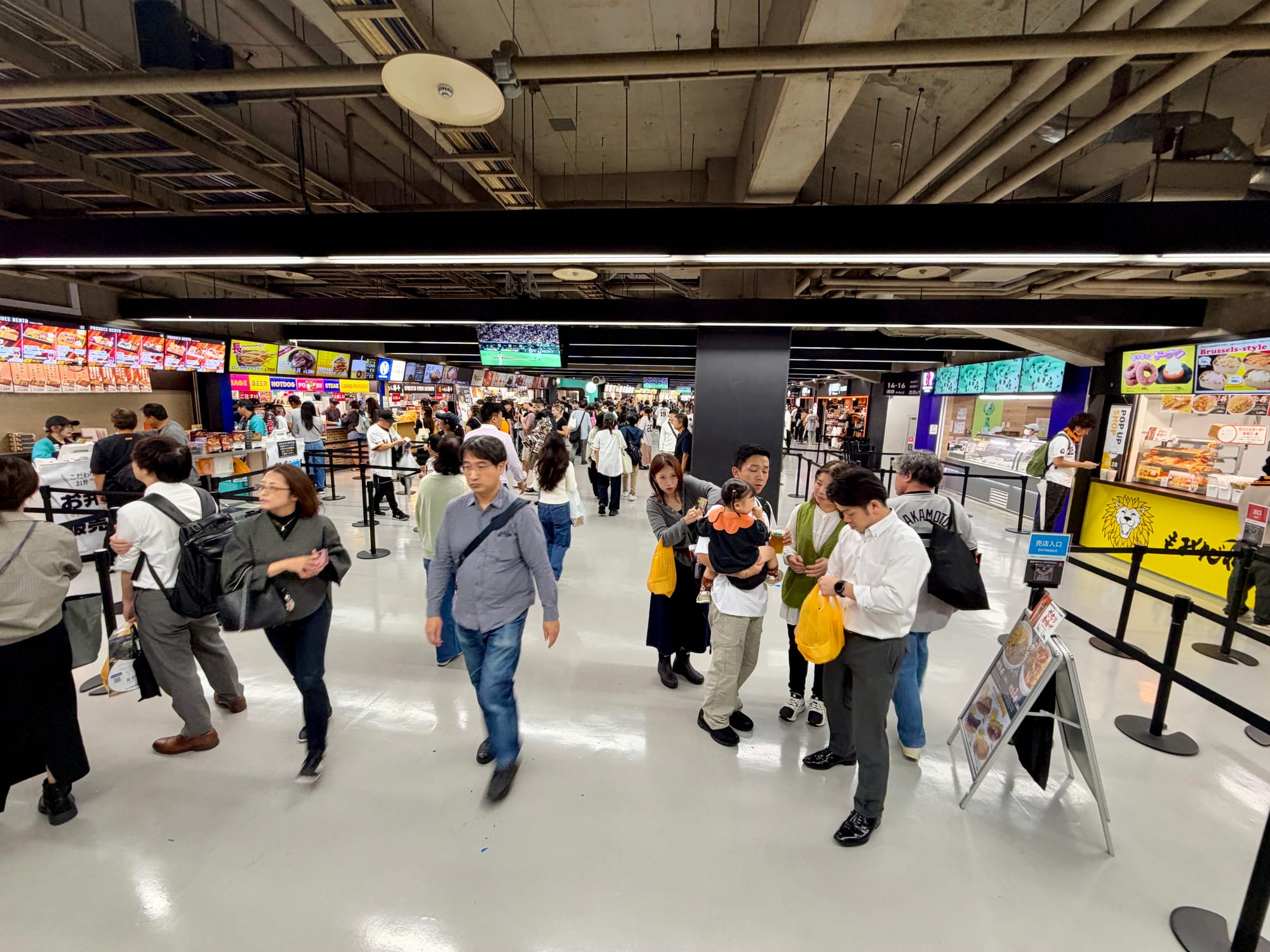
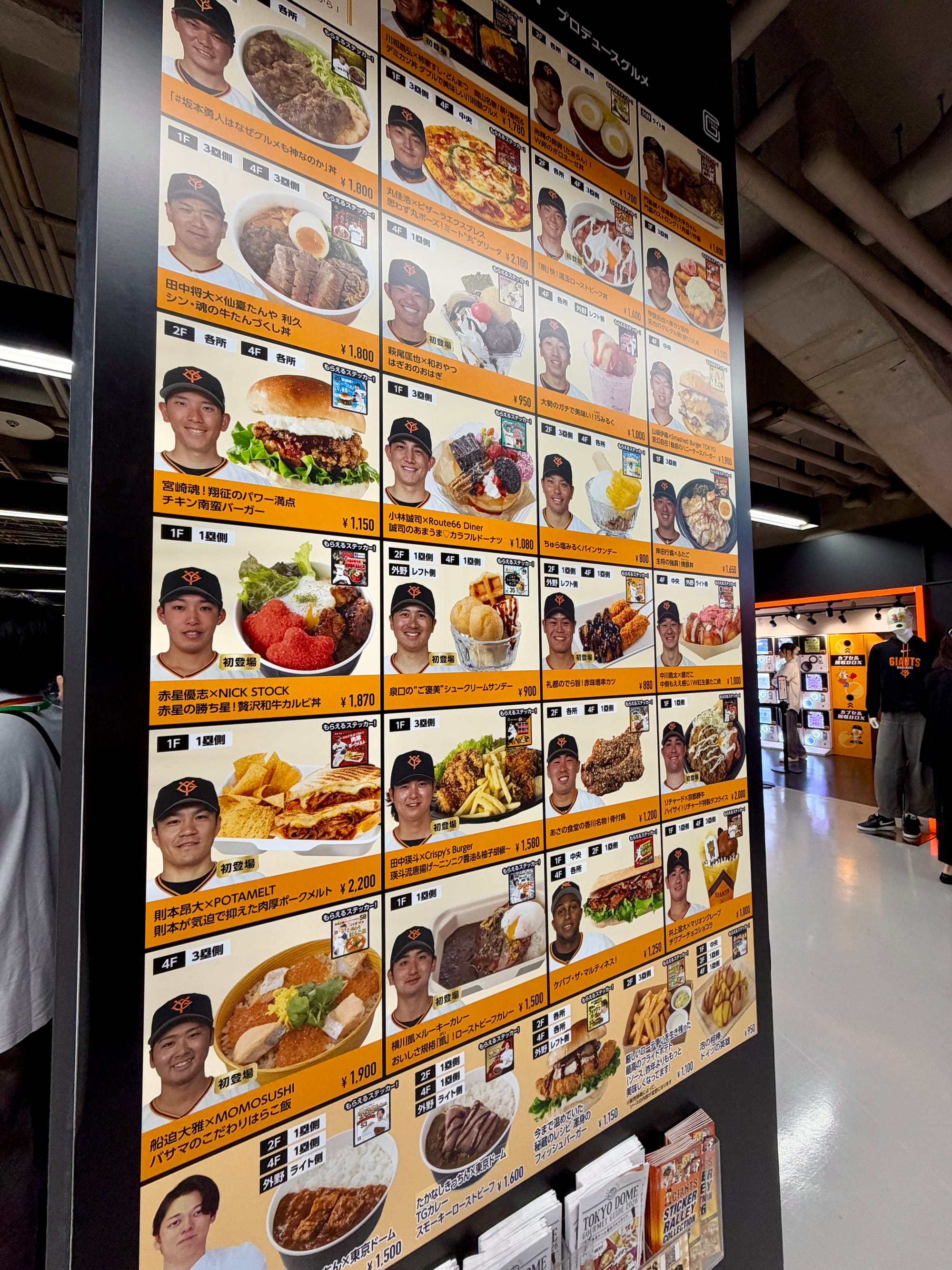
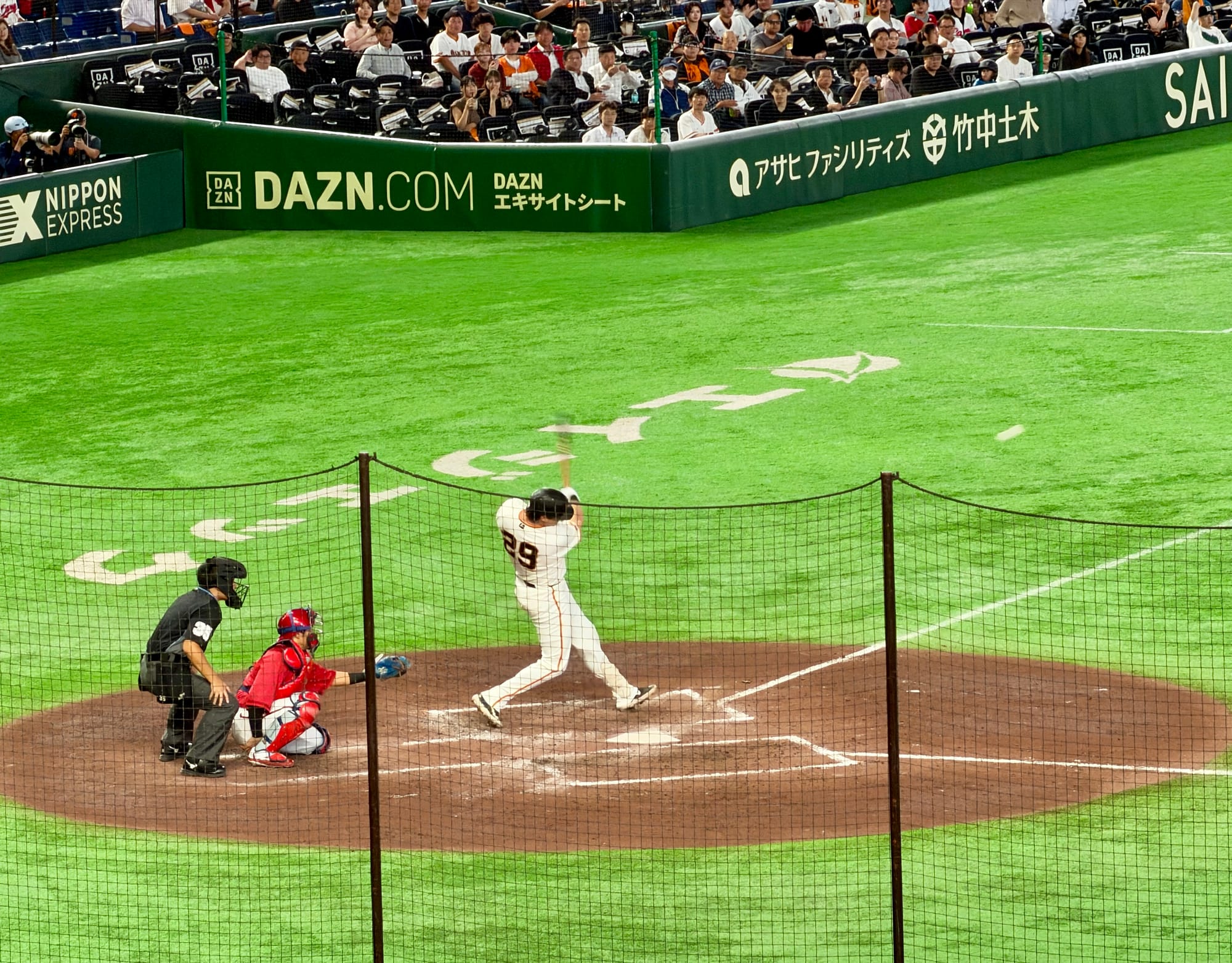
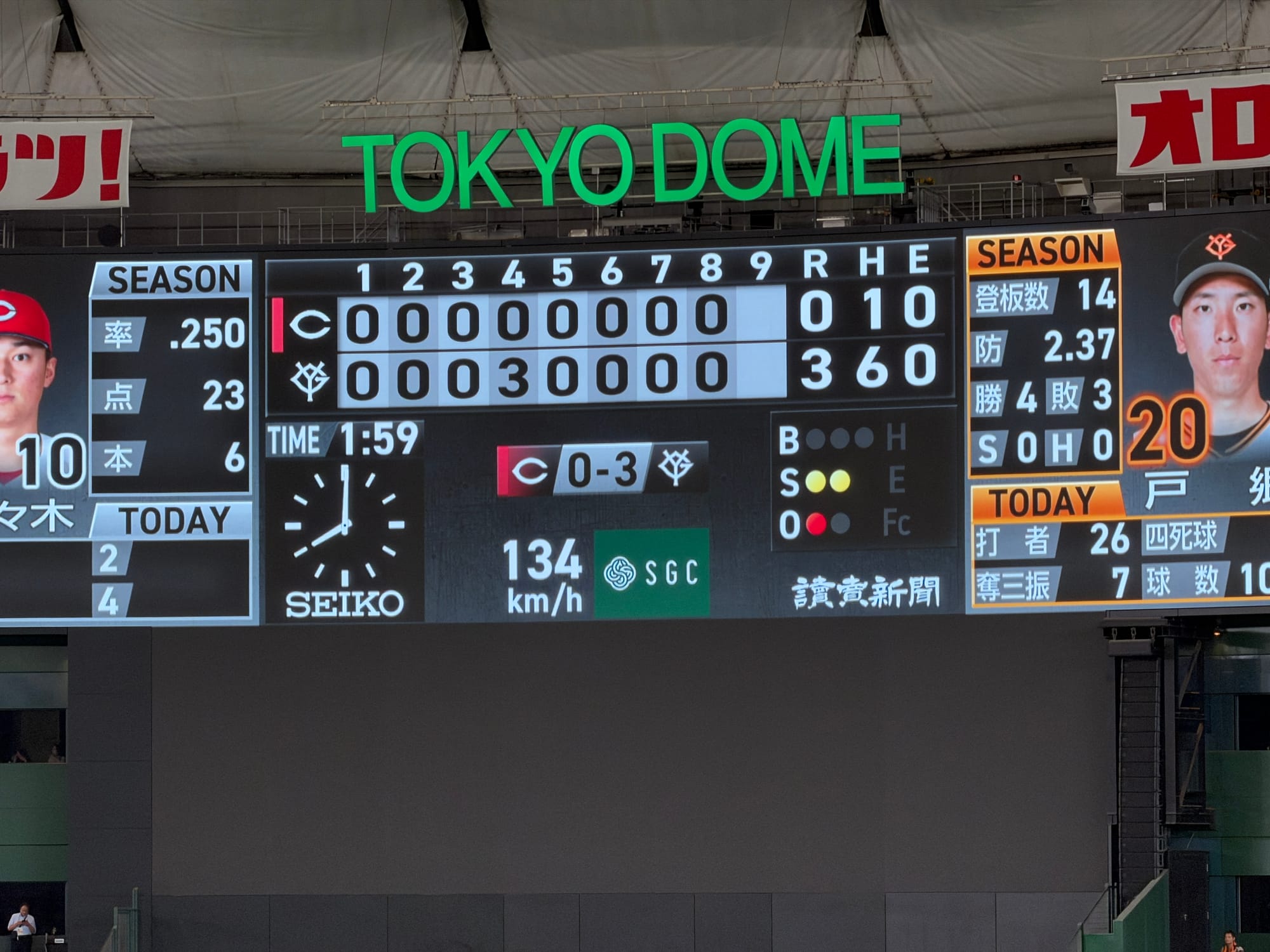
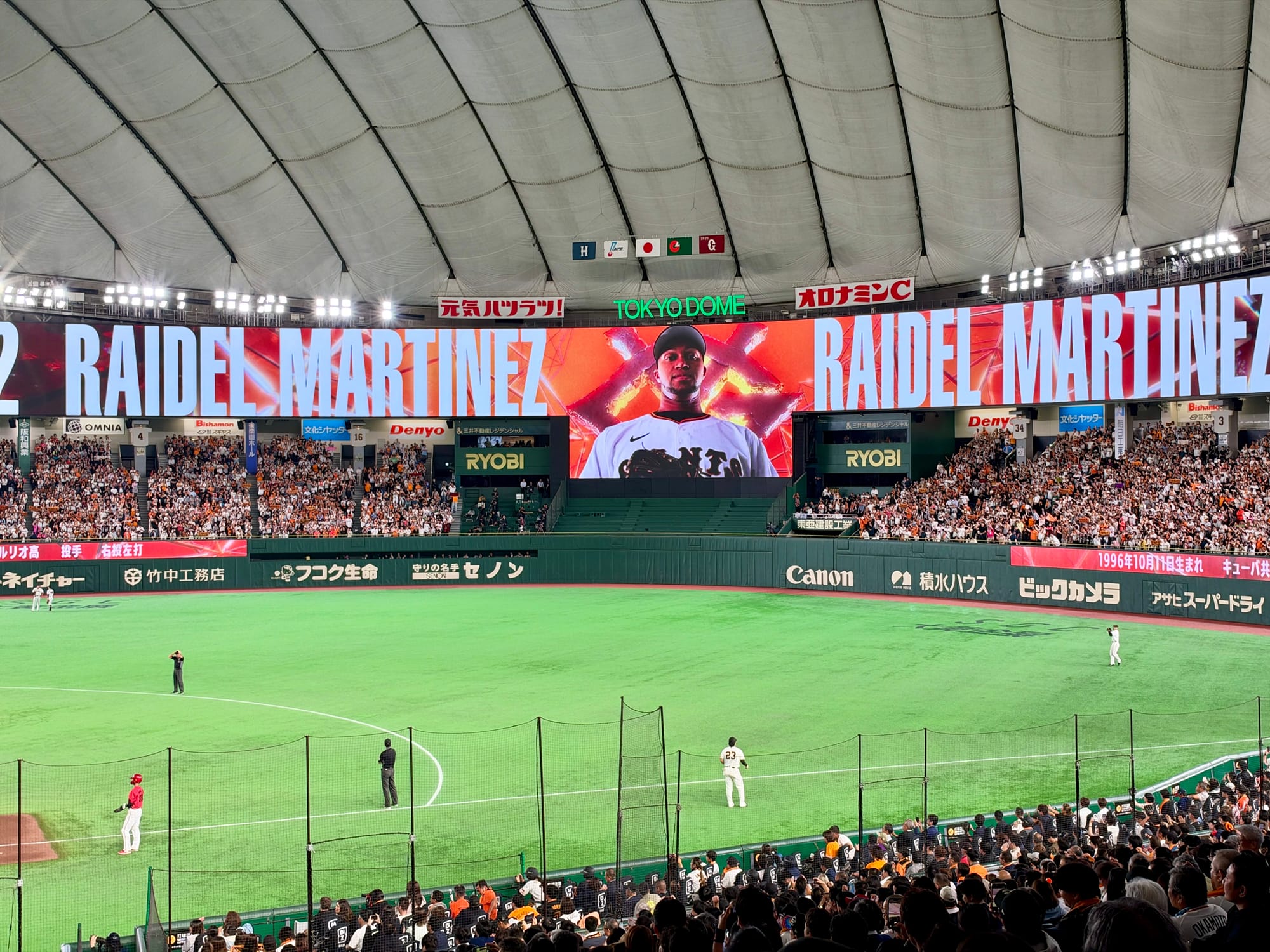
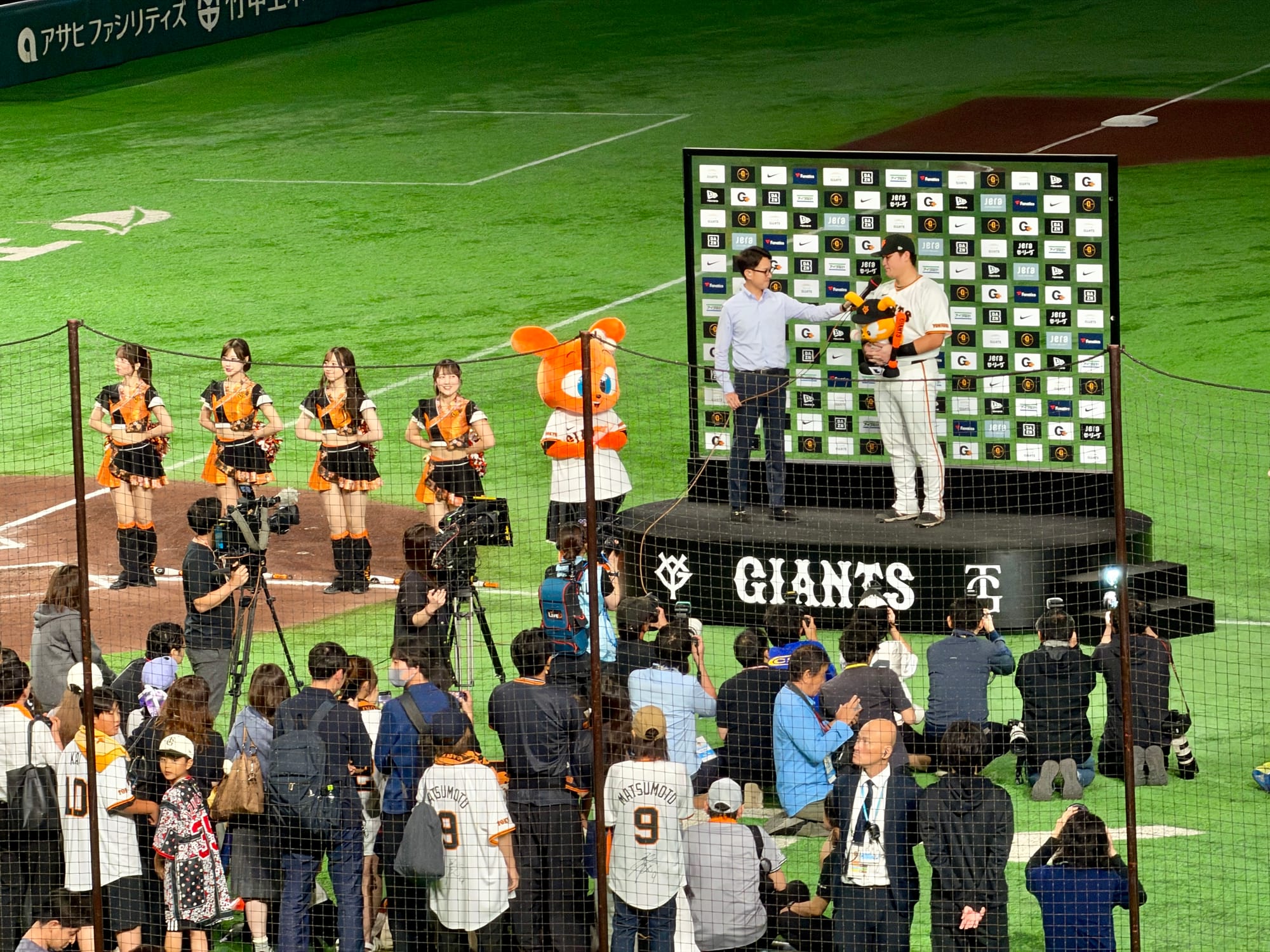
My favorite bit was the poster showing all the players and their favorite food item that you could try out too
The Giants won and the place went wild at the end. The food was better than any ballpark I've been to. I had a Philly cheesesteak, some Belgian fries, and Italian Gelato, along with a couple cokes and all in, the food and drink cost 30 bucks total.
It was fun to experience a familiar sport through another lens and see how other cultures comes up with their own traditions.
The Ramen Museum
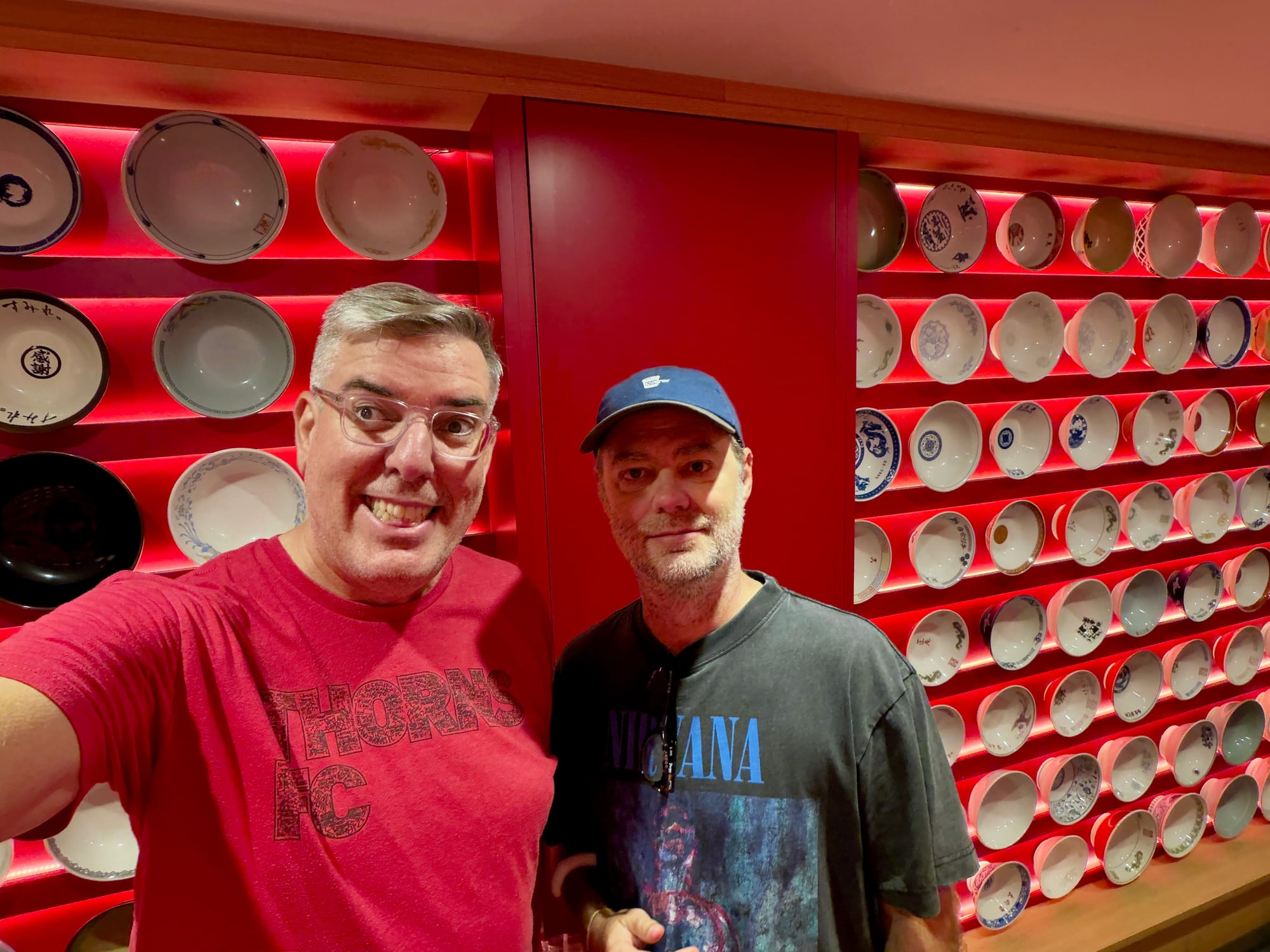
Wednesday morning, Jason and I took a 45 minute train ride out to Yokohama to visit the Ramen Museum. I've been lucky to eat a good variety of ramen in Portland at many of the Japanese restaurants specializing it. But I loved learning more about the history of it in Japan. I had no idea it originated from China, or that the first instant ramen was only sold in 1958 (I figured it was earlier).
I was also happy to learn the inventor of instant ramen, Momofuku Ando, ended up being the guy who started the Cup Noodles empire in 1971. Most American success stories follow a theme were a businessperson steals a good idea from an artisan and exploits it, so it was good to hear the actual inventor of something got to enjoy the fruits of his labor.
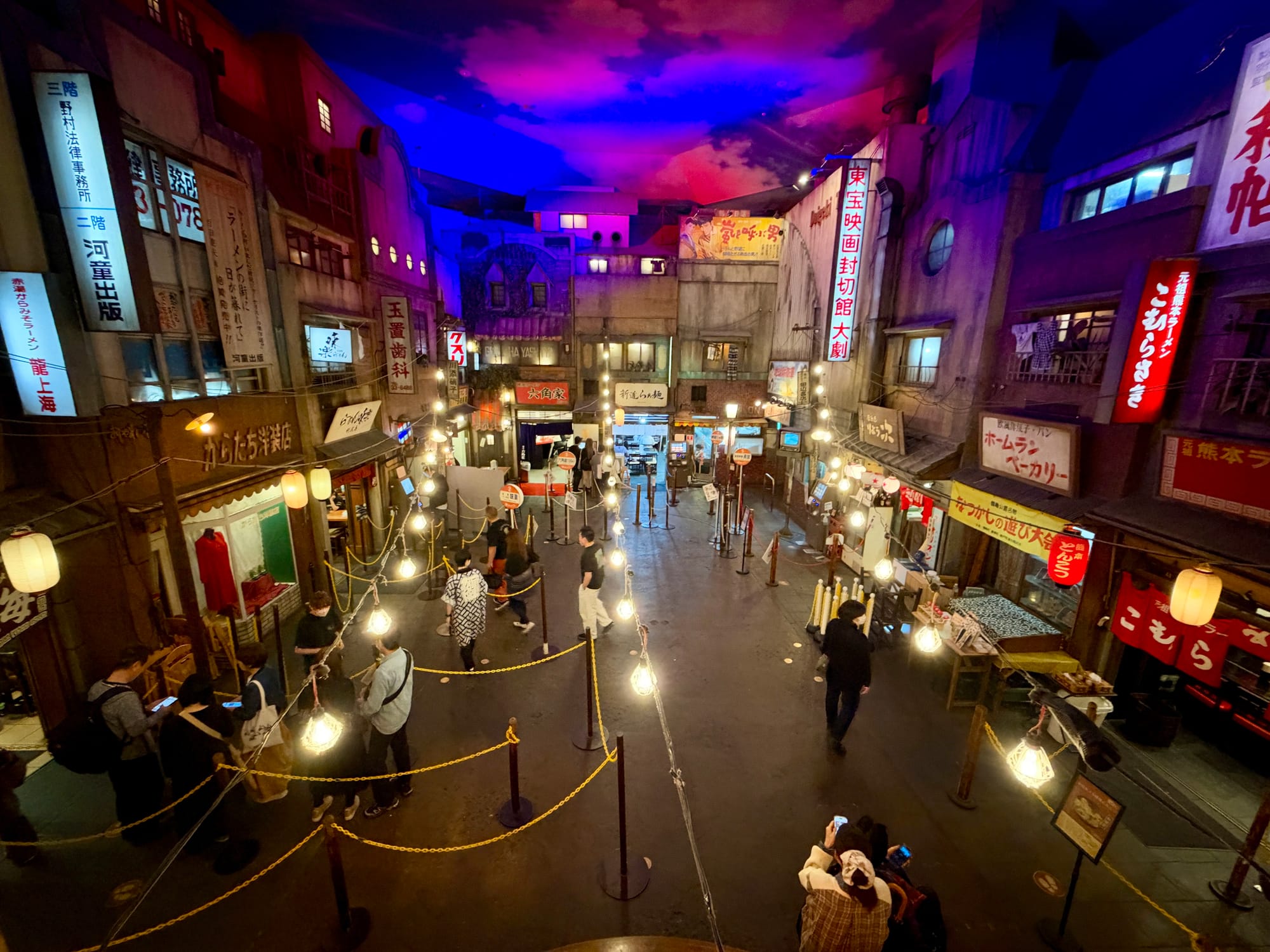
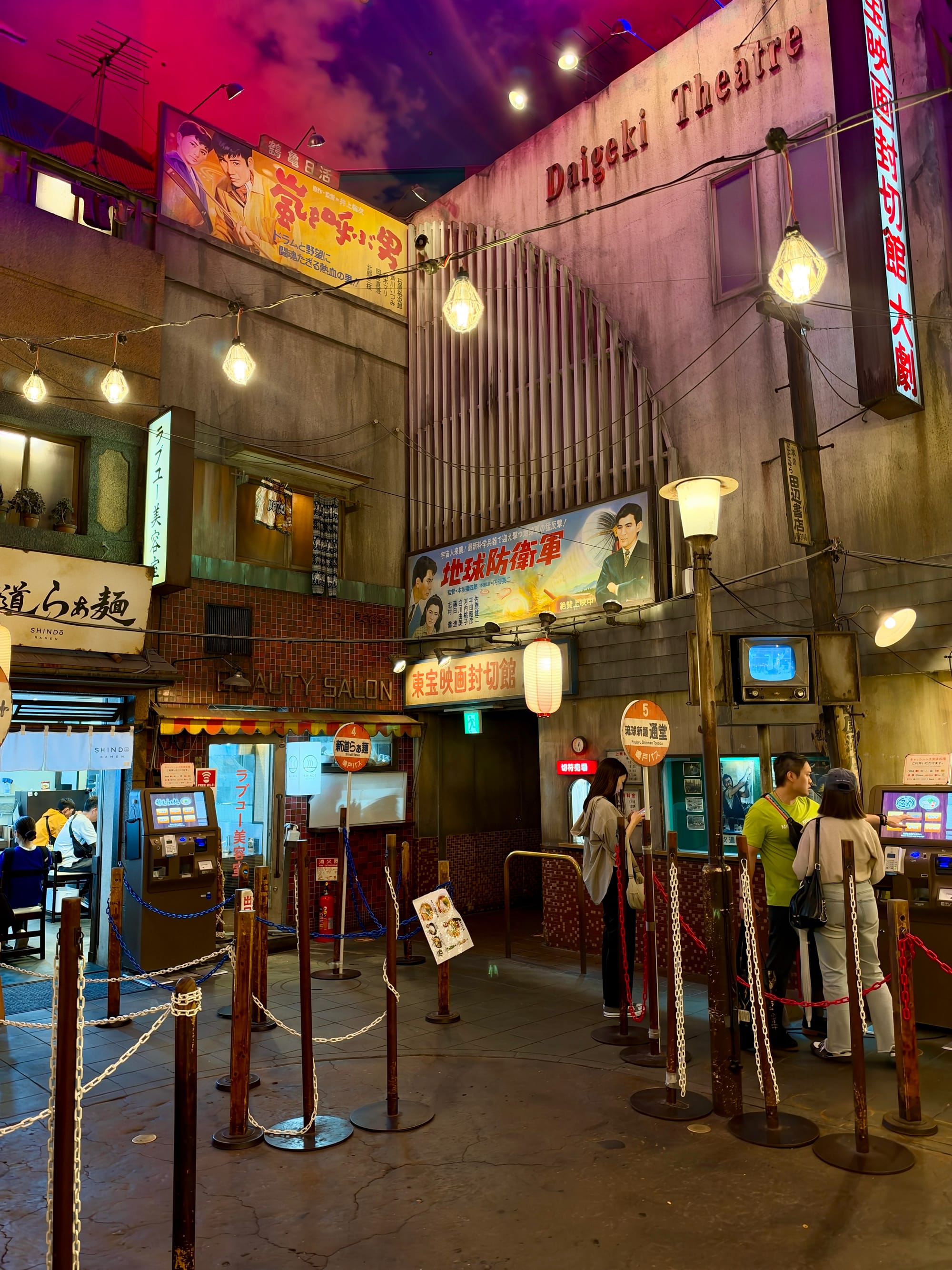
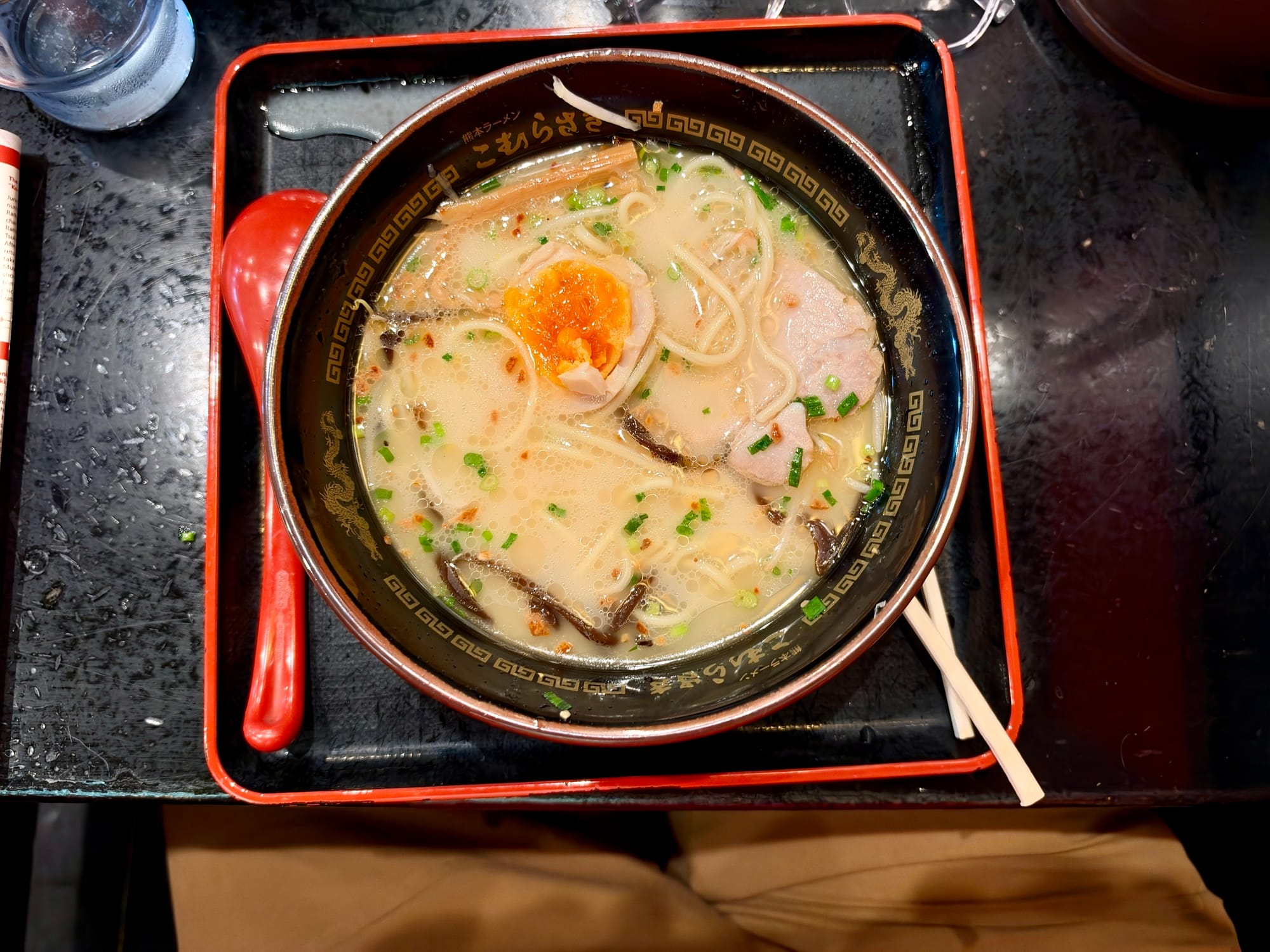
After wandering through the museum, the best part was downstairs where you can order bowls of ramen from about 12 different restaurants operating in a stylized pop-up space. We picked three different spots offering a variety of options rated on noodle thickness, broth type, and "richness" (basically the umami levels). We ate ramen from a place famous for its chicken broth, a place famous for its rich pork broth, and one that had a broth made from nori. All of them were fantastic and I would definitely revisit this place again to try more varieties of ramen out. Even the "small" bowls of ramen were pretty substantial and eating three varieties barely made a dent in our total options.
My favorite aspect of this place was that each restaurant with their own speciality ramen also painstakingly recreated their restaurant interiors in the space. Some places only had eight small seats and you had to wait for one to open up before being served. Each one had its own distinct vibe. The whole place was designed like a little slice of the city from a different time, and reminded me of my Meow Wolf experience in Denver a few months ago.
The Shinjuku area
It's weird but I'd never heard of the Shinjuku neighborhood before this trip. Most people in America talk about Shibuya as a hot spot in Tokyo, so I was surprised to learn Shinjuku is the single busiest train station in the world, with 3 to 5 million people passing through it each day in a city of 40 million people.
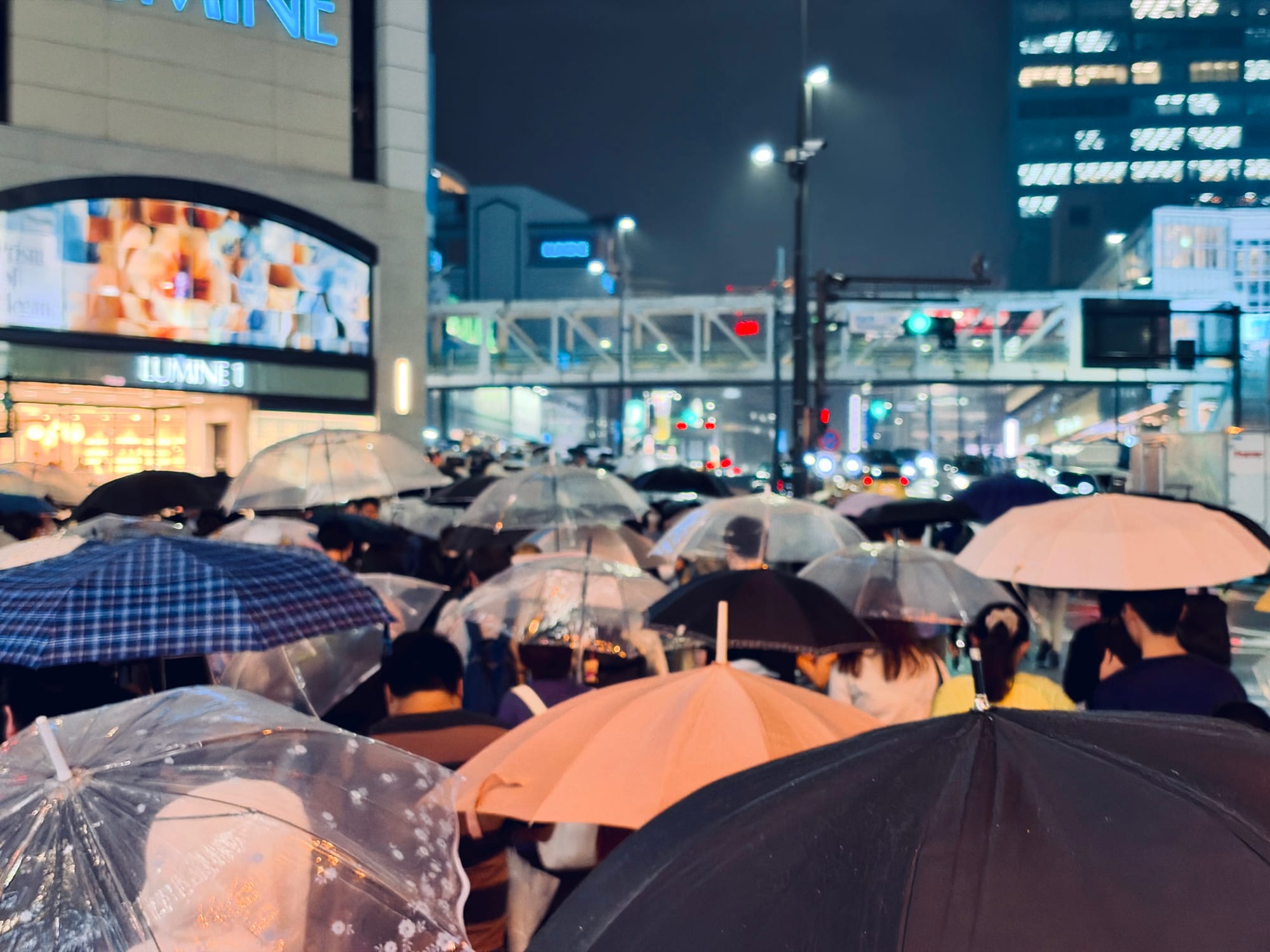
That evening I got to experience the station around 6pm, during rush hour. I was lucky to get a spot on my train from further out and by the time I got near this station each stop had guys in white gloves physically pushing people to fit into train cars.
Walking around Shinjuku station was an overwhelming experience, as you were literally surrounded by about a hundred thousand people all trying to get where they needed to be under the same roof. I don't think humans were ever meant to experience that many eyes and faces at once, so it was a unique experience.
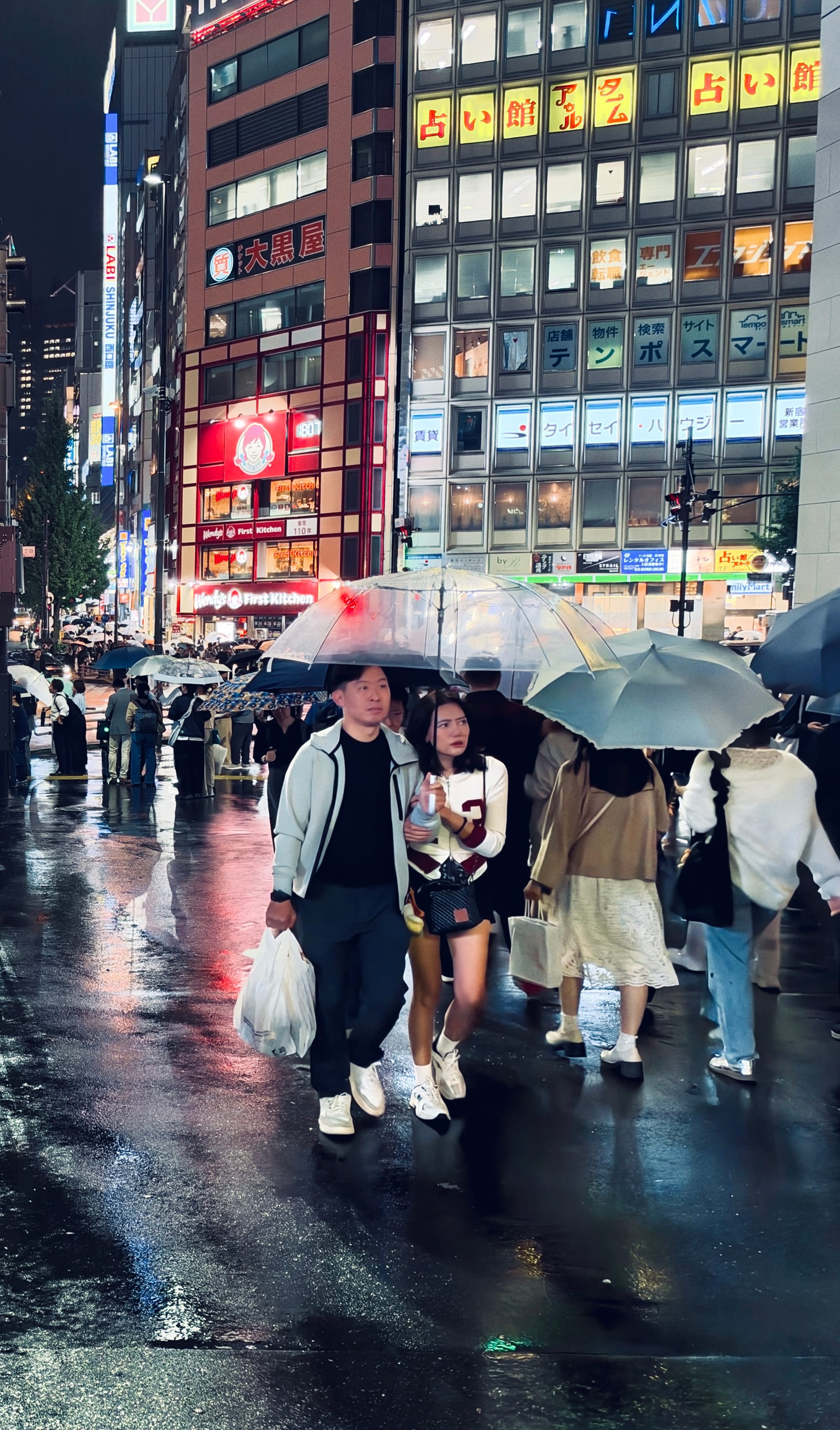
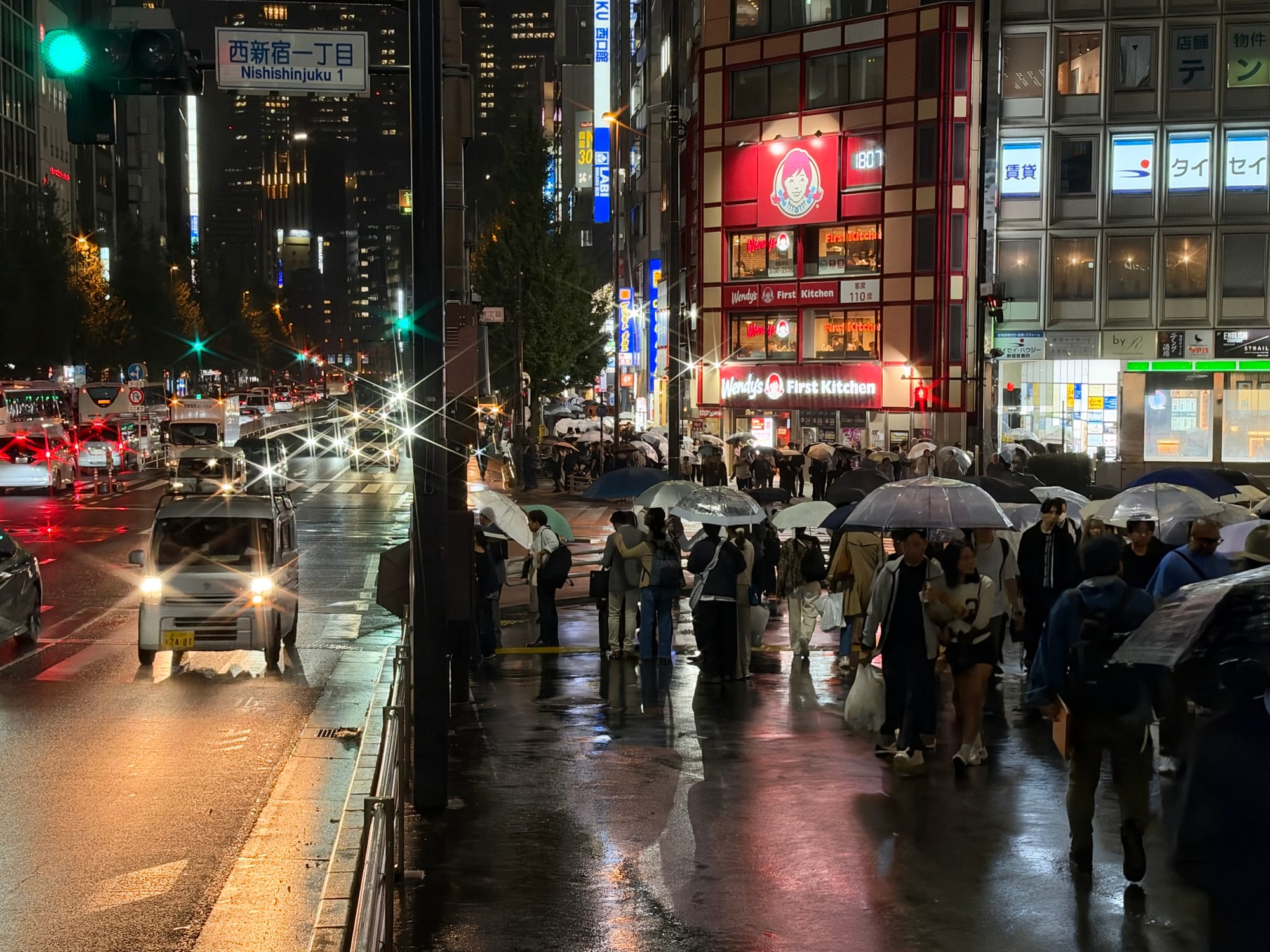
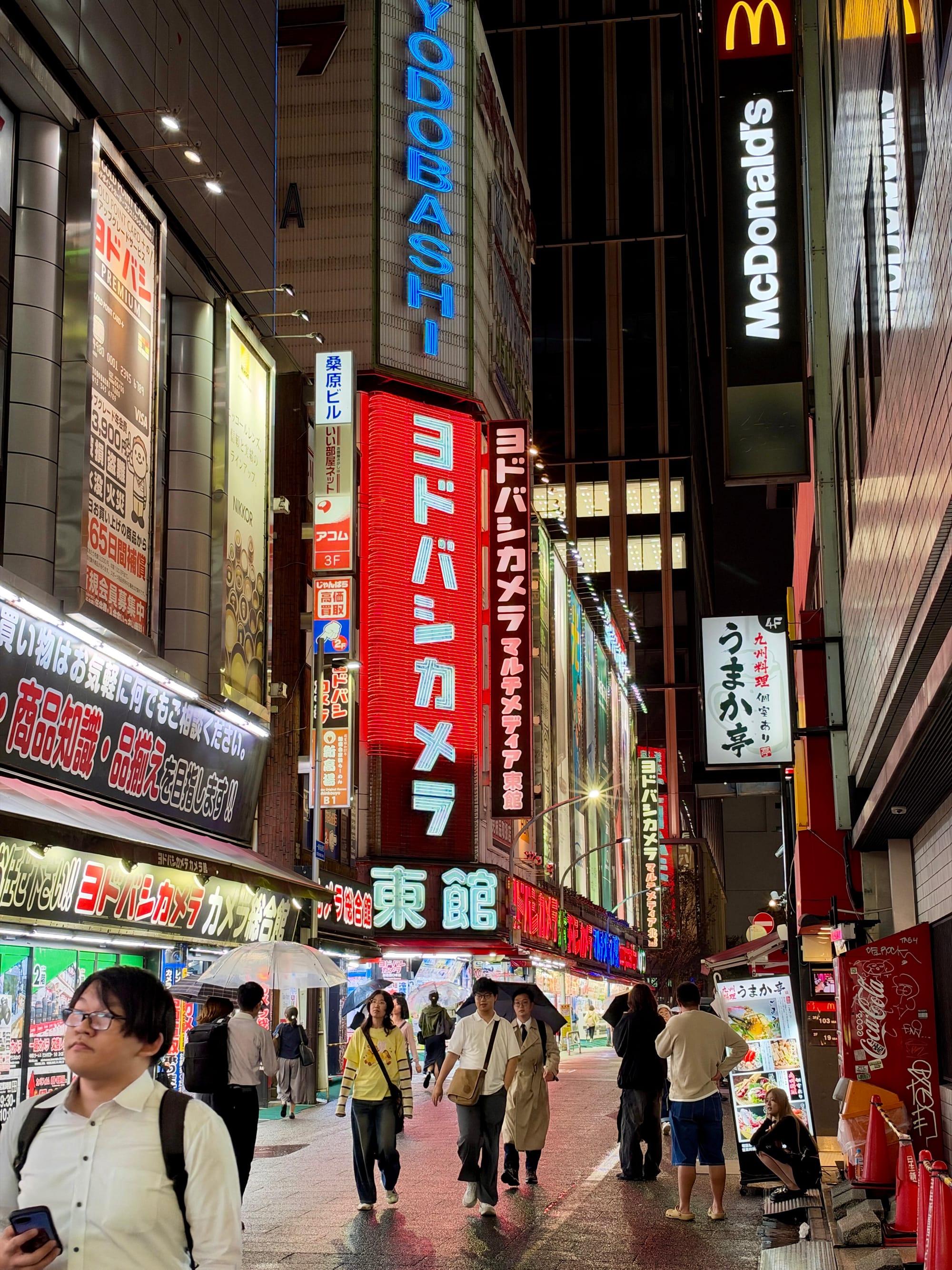
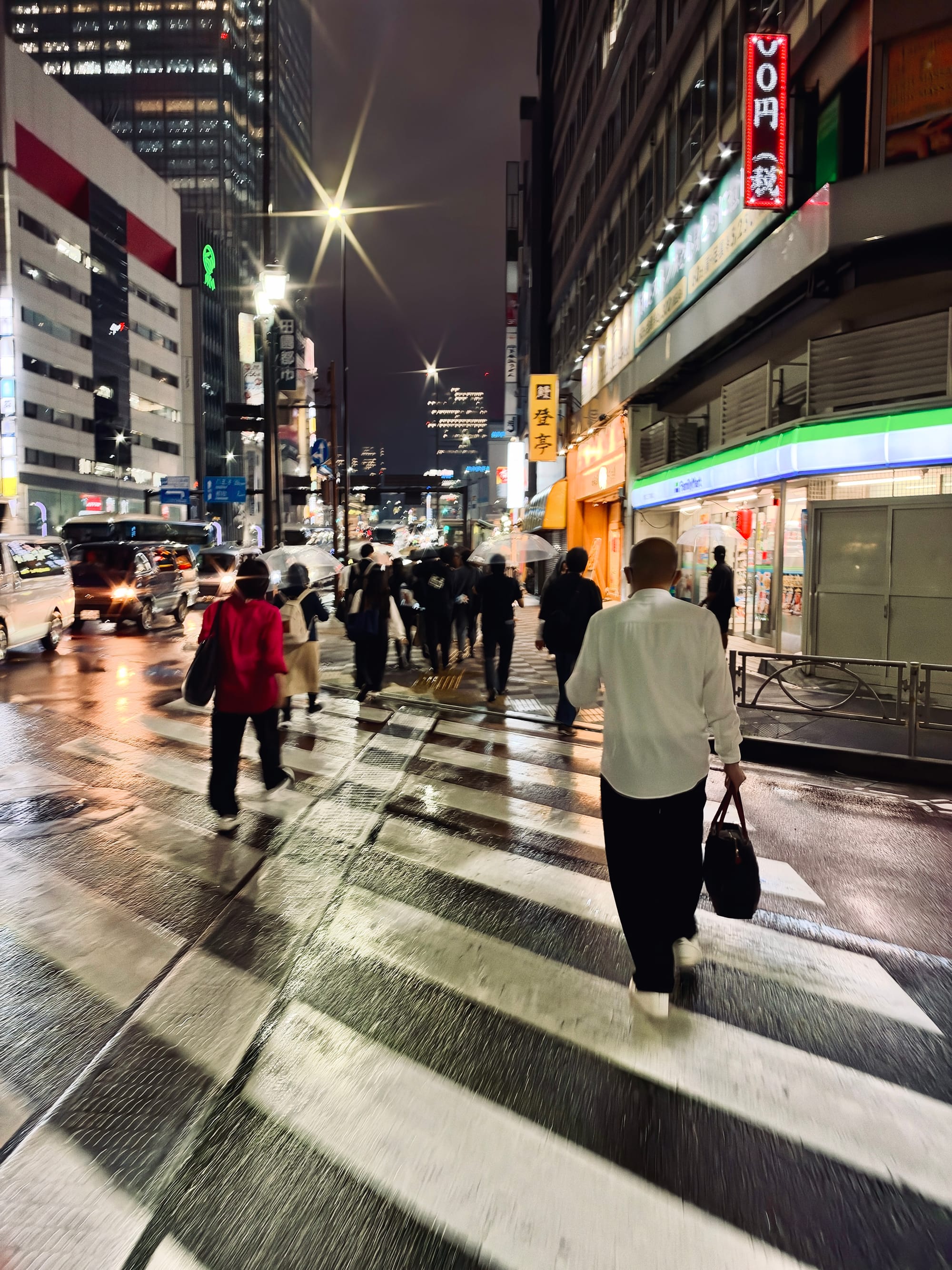
That night I visited electronics stores in the area, each overwhelmingly bright and loud and loaded with tech gadgets spanning multiple stories of tall buildings. I also went into Don Quixote's flagship store, which was similarly packed with products from top to bottom.
This little side-quest taught me that any products in high demand in the states seemed to be also sold out in Japan, as there was no one with a Fujitsu X100VI or a Playstation 5 Pro in stock to sell. Twenty years ago, I used to hear stories of Americans buying rare, underpriced bottles of famous whiskey they could sell when they got back to the US for hundreds or even thousands more than they paid in Japan. That doesn't seem to be a thing any longer, probably thanks to the internet making it easy to know what people really want in other parts of the world.
The Bonsai Museum
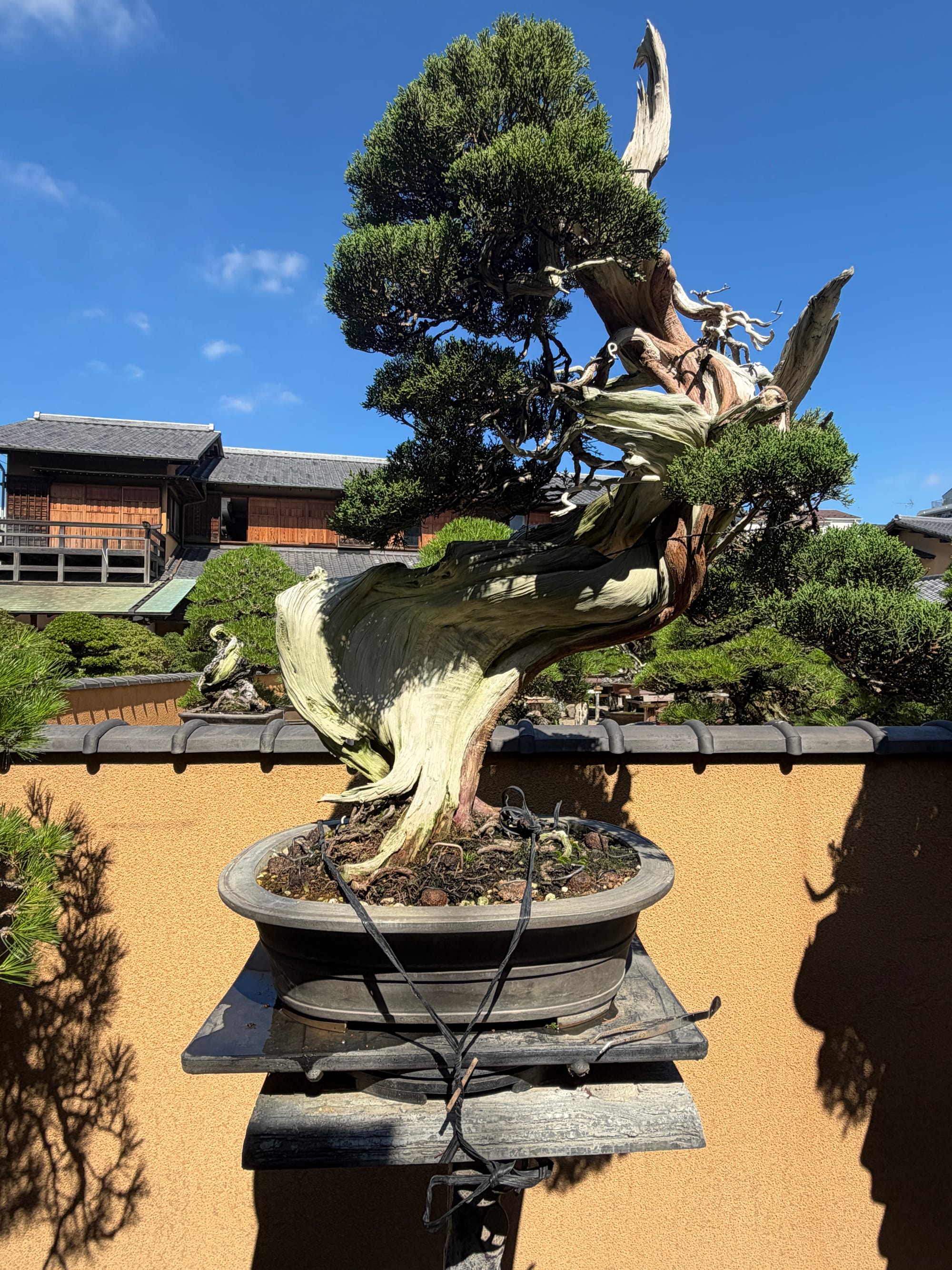
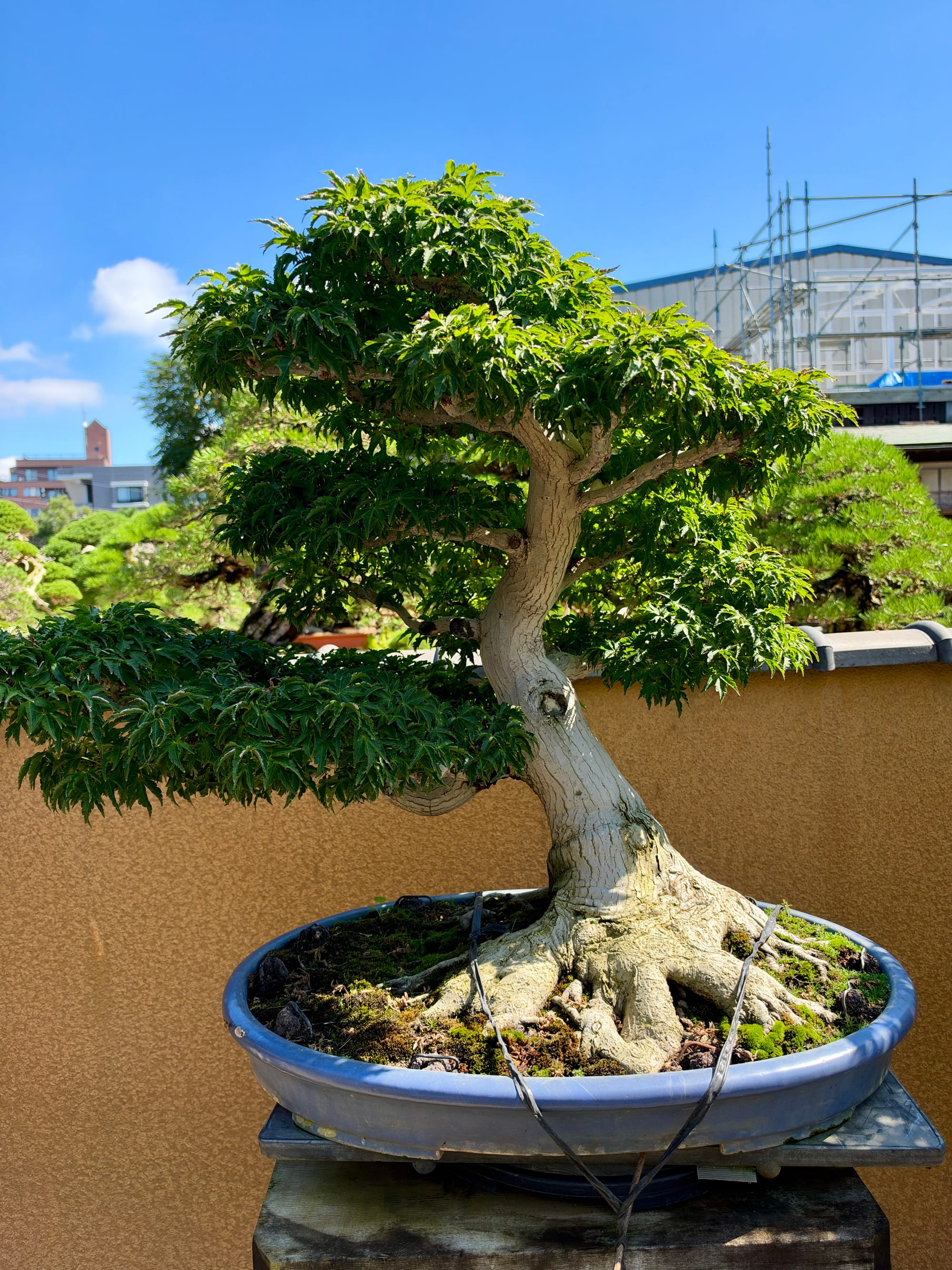
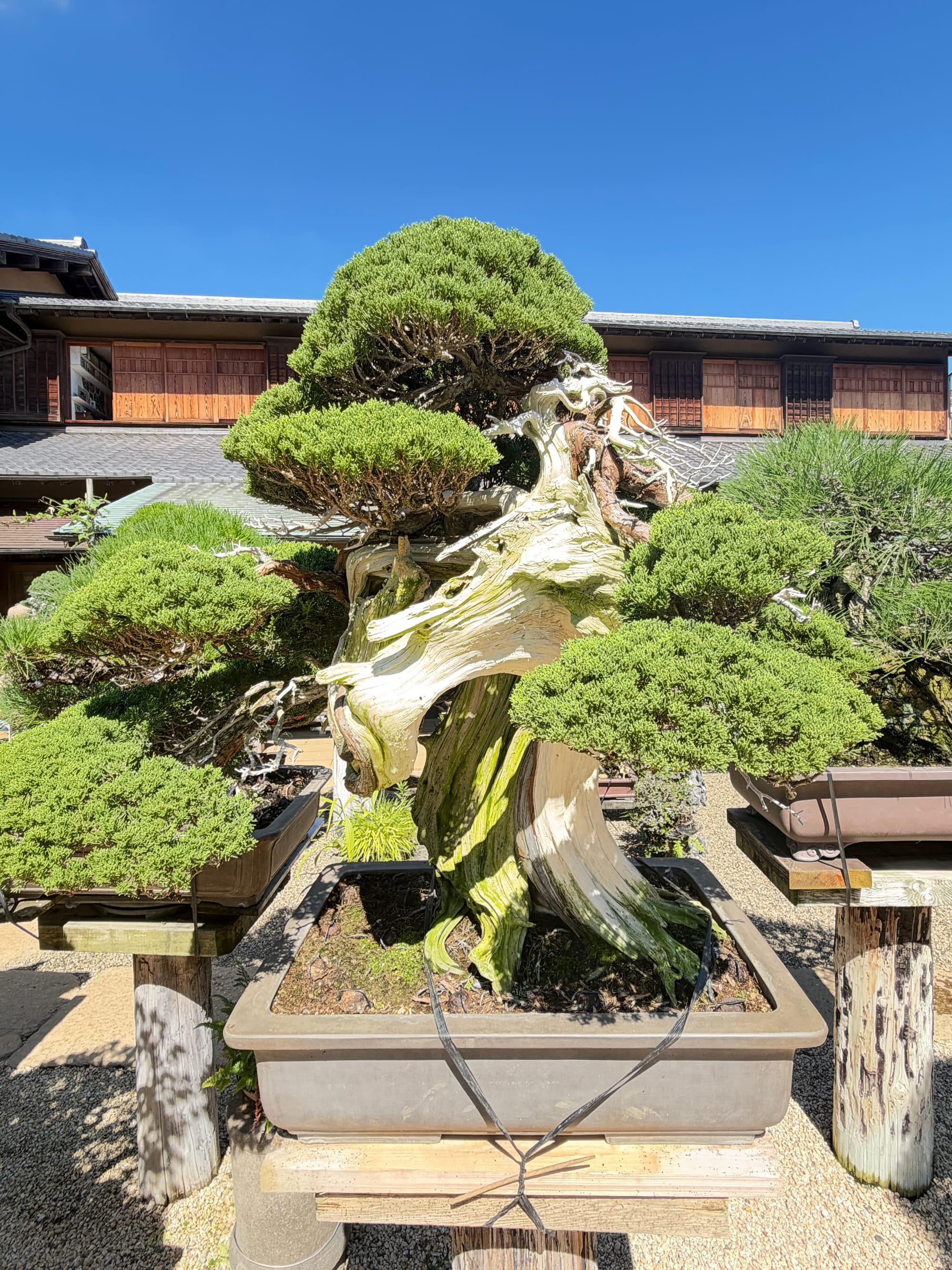
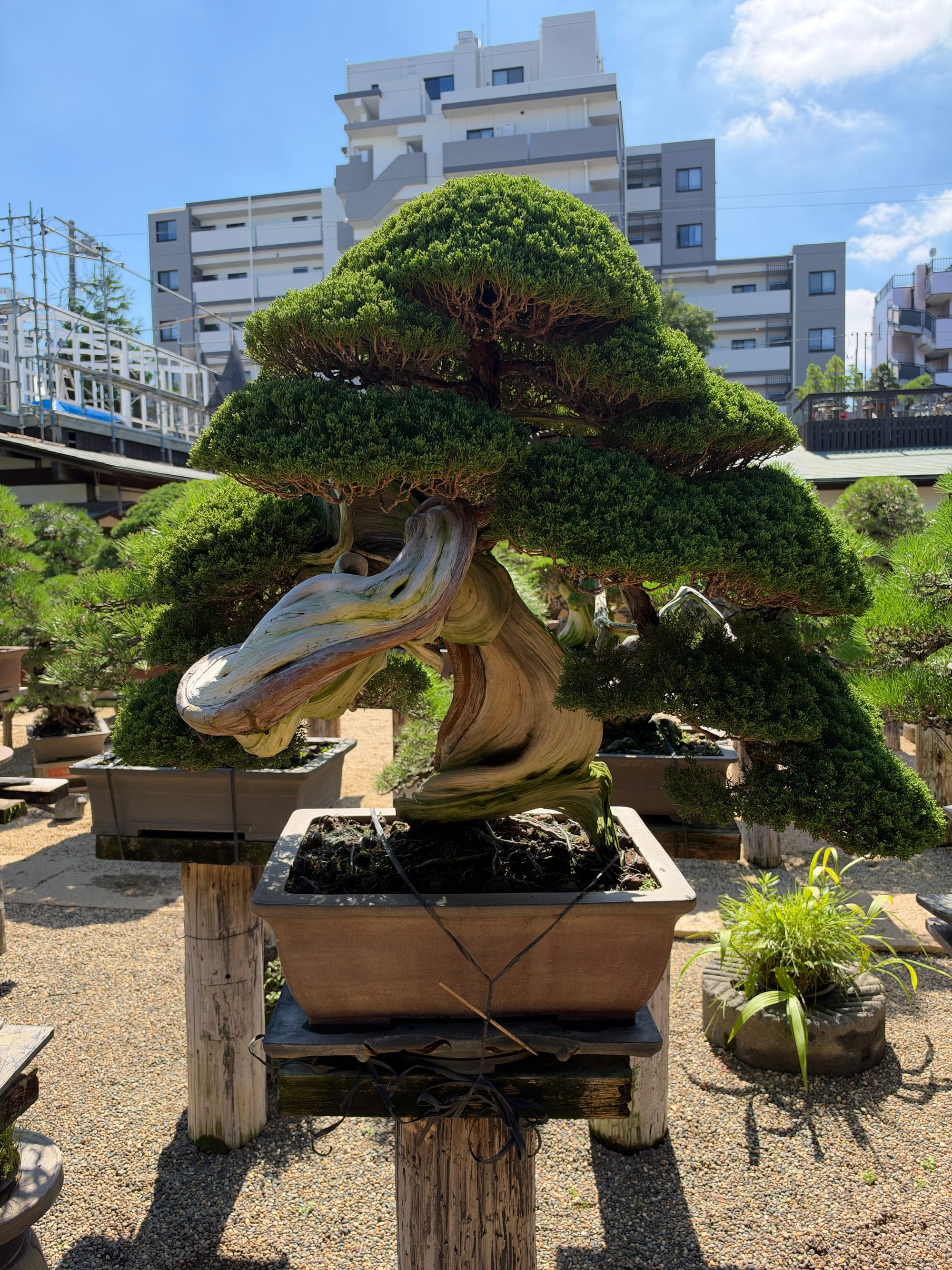
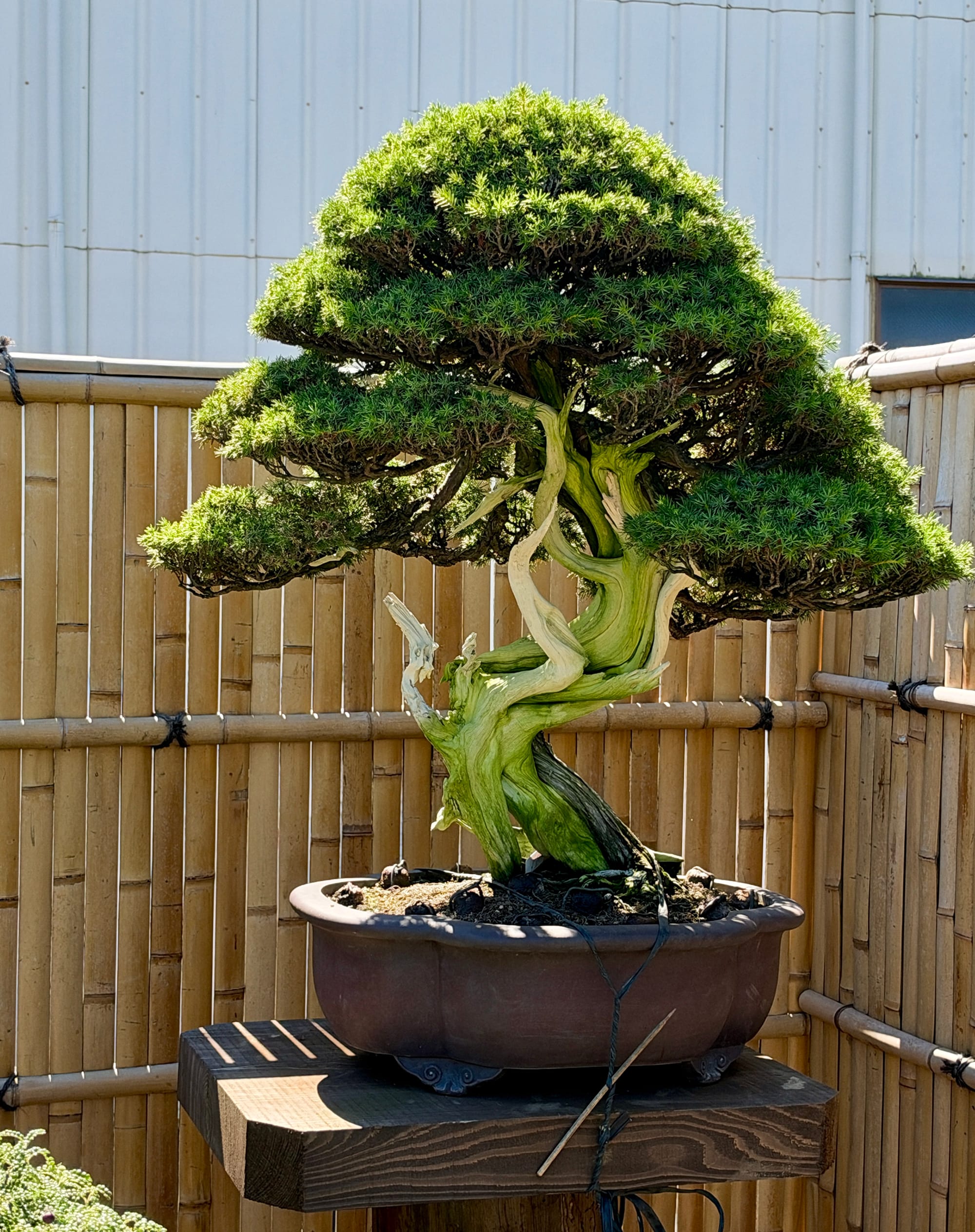
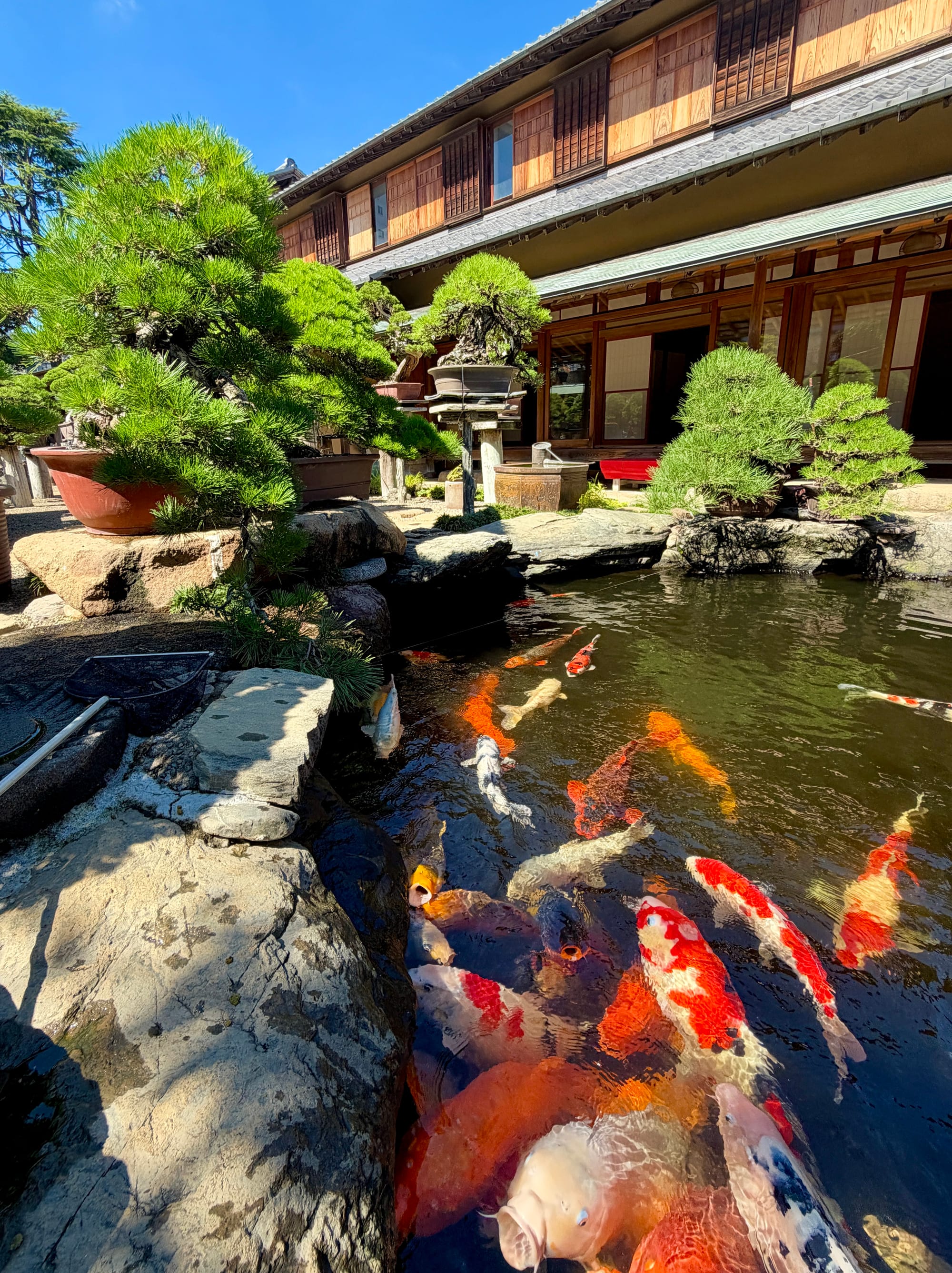
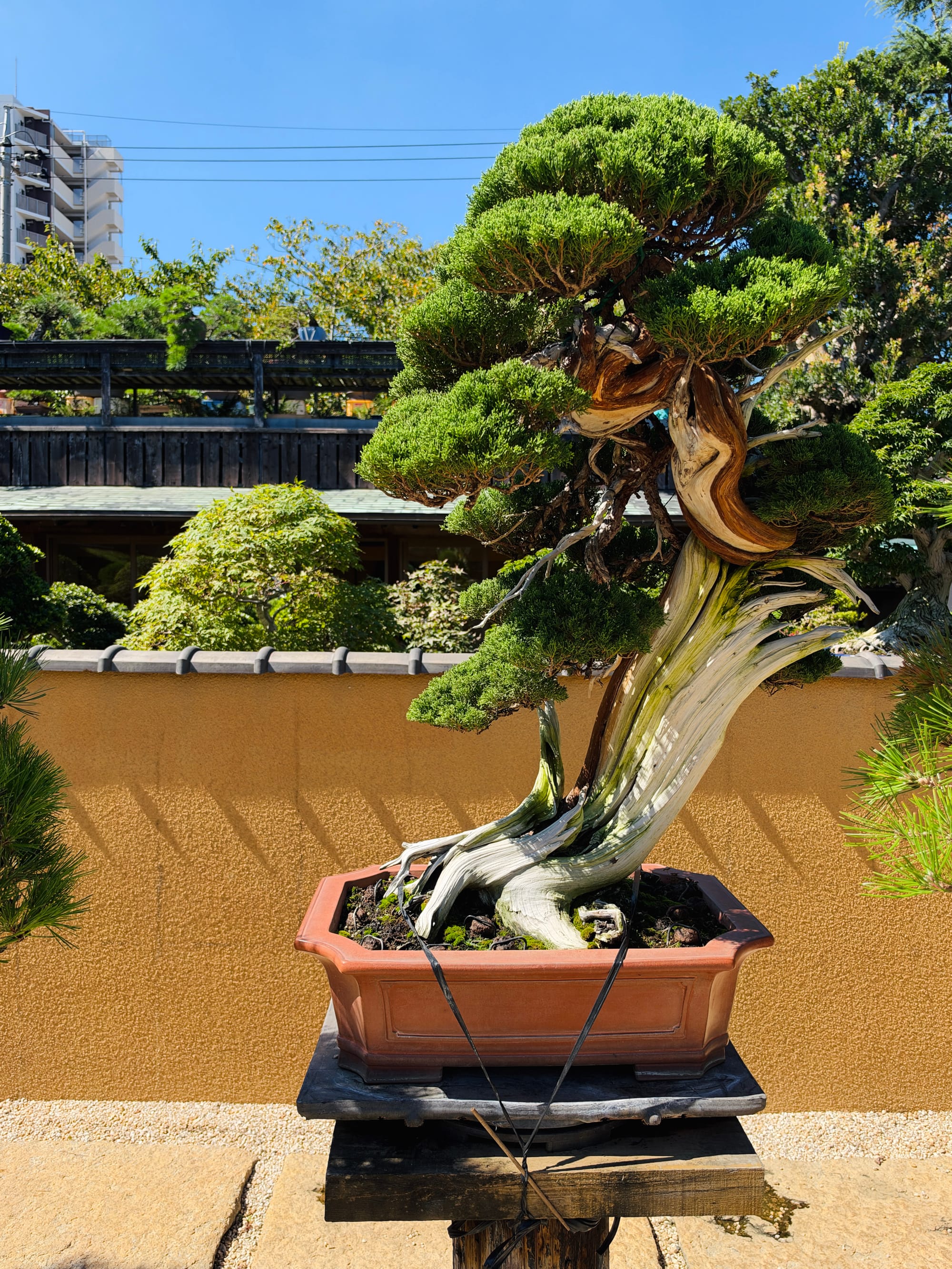
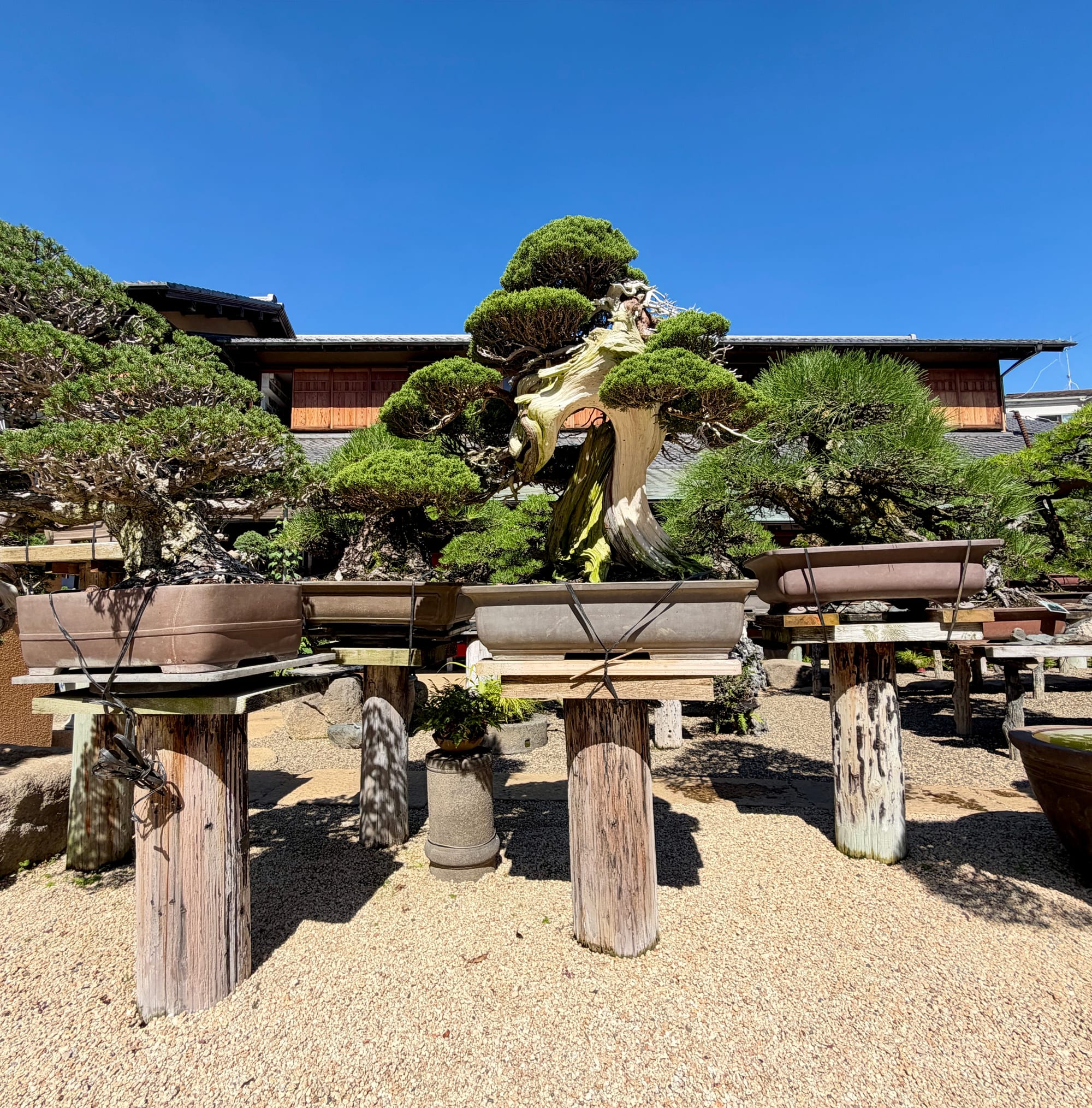
A few weeks before my trip, I attended a talk on bonsai at the Portland Japanese Garden and I've been fascinated with the art form ever since. I wanted to see "real" bonsai in Tokyo so on Thursday, I spent an hour traveling to and wandering around the Shunkaen Bonsai Museum where I was not disappointed. I know how much time and effort bonsai require and there were some really incredible examples on display here, with large trunks and tiny leaves that likely formed only after decades of careful manipulation.
The Tokyo Metro Train Museum
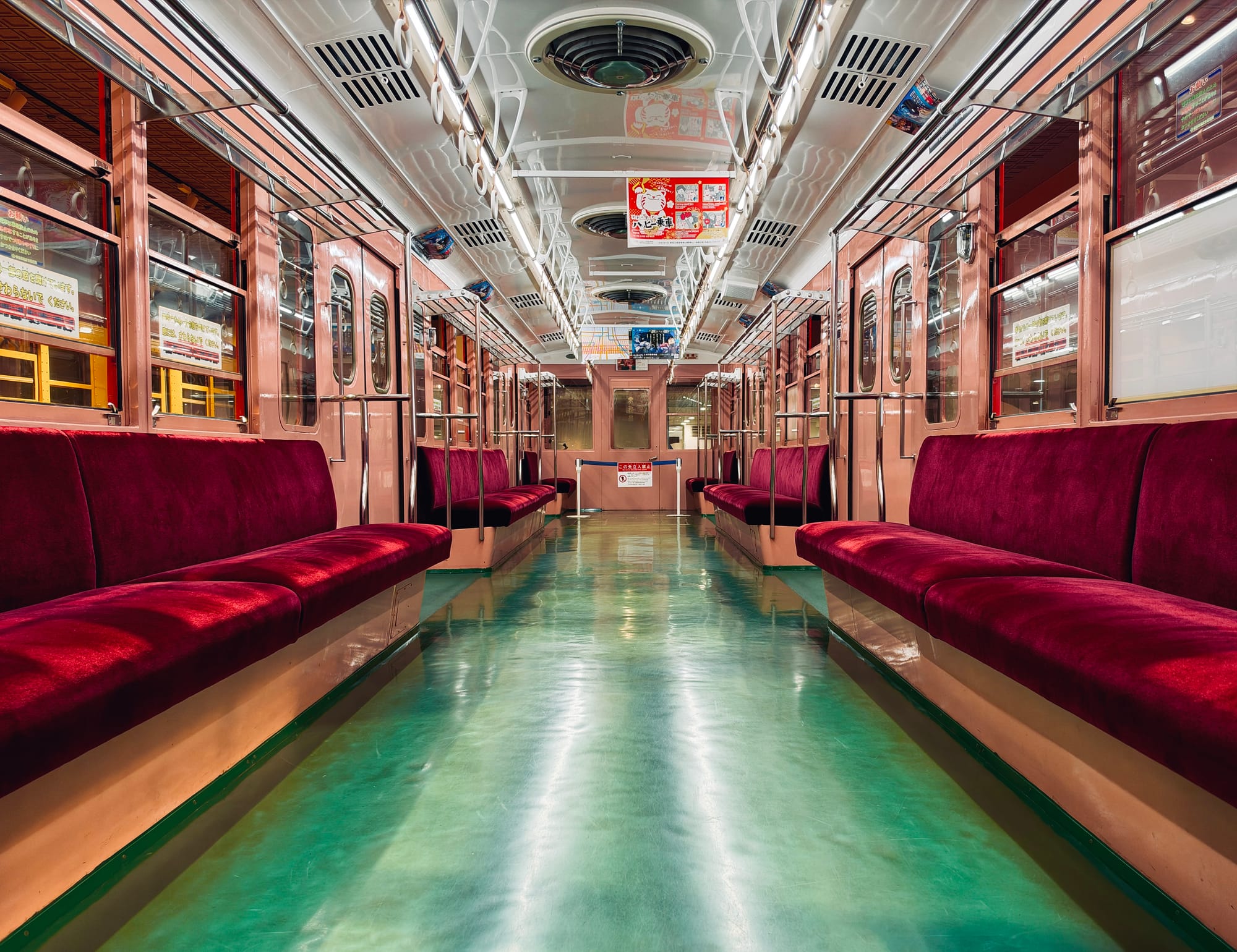
A quick bus ride from the bonsai gardens brought me to the Tokyo Metro museum where they had train cars on display you could wander through. You could even see the first actual subway car that ran in Tokyo starting in 1927, fully restored.
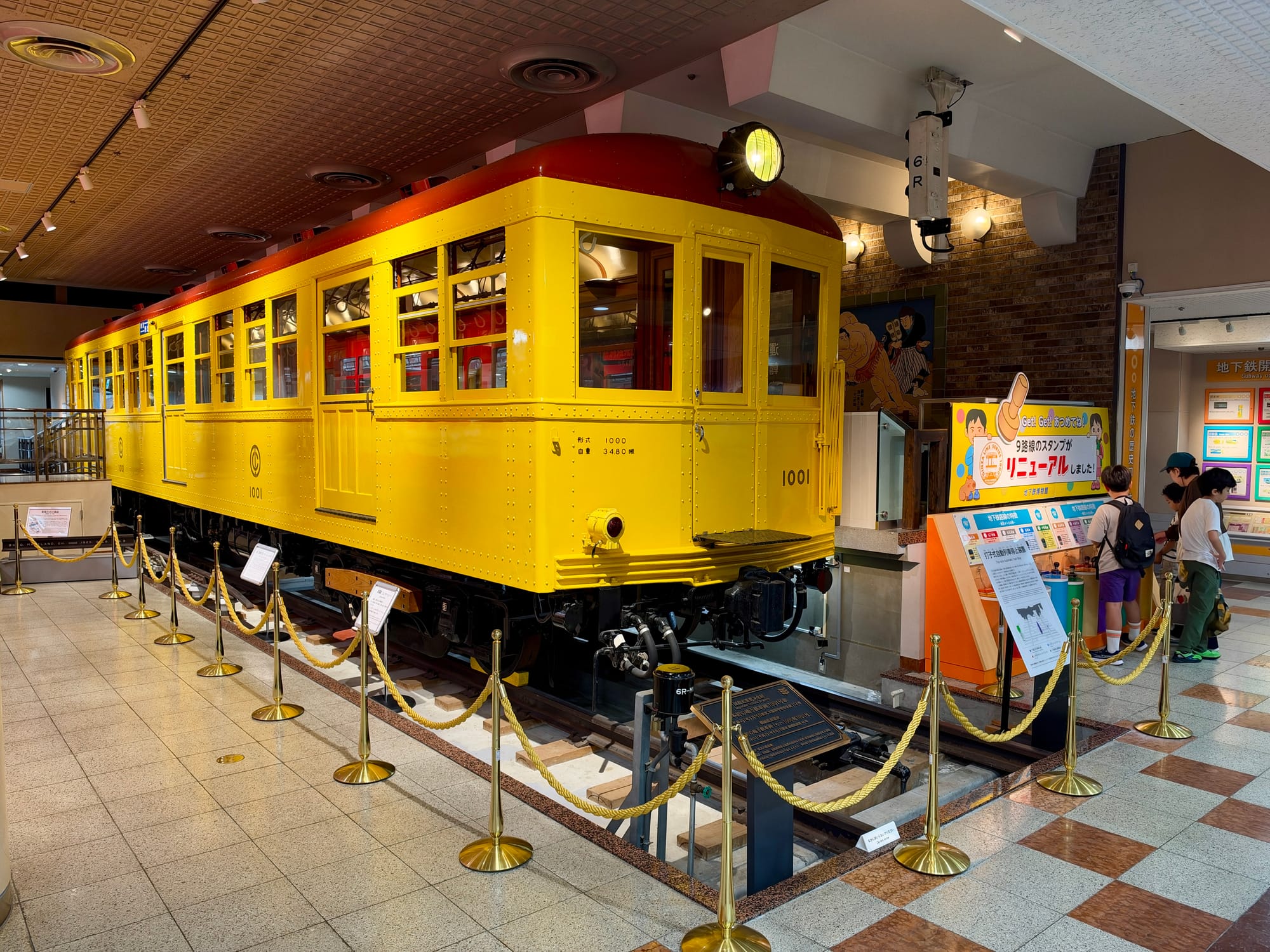
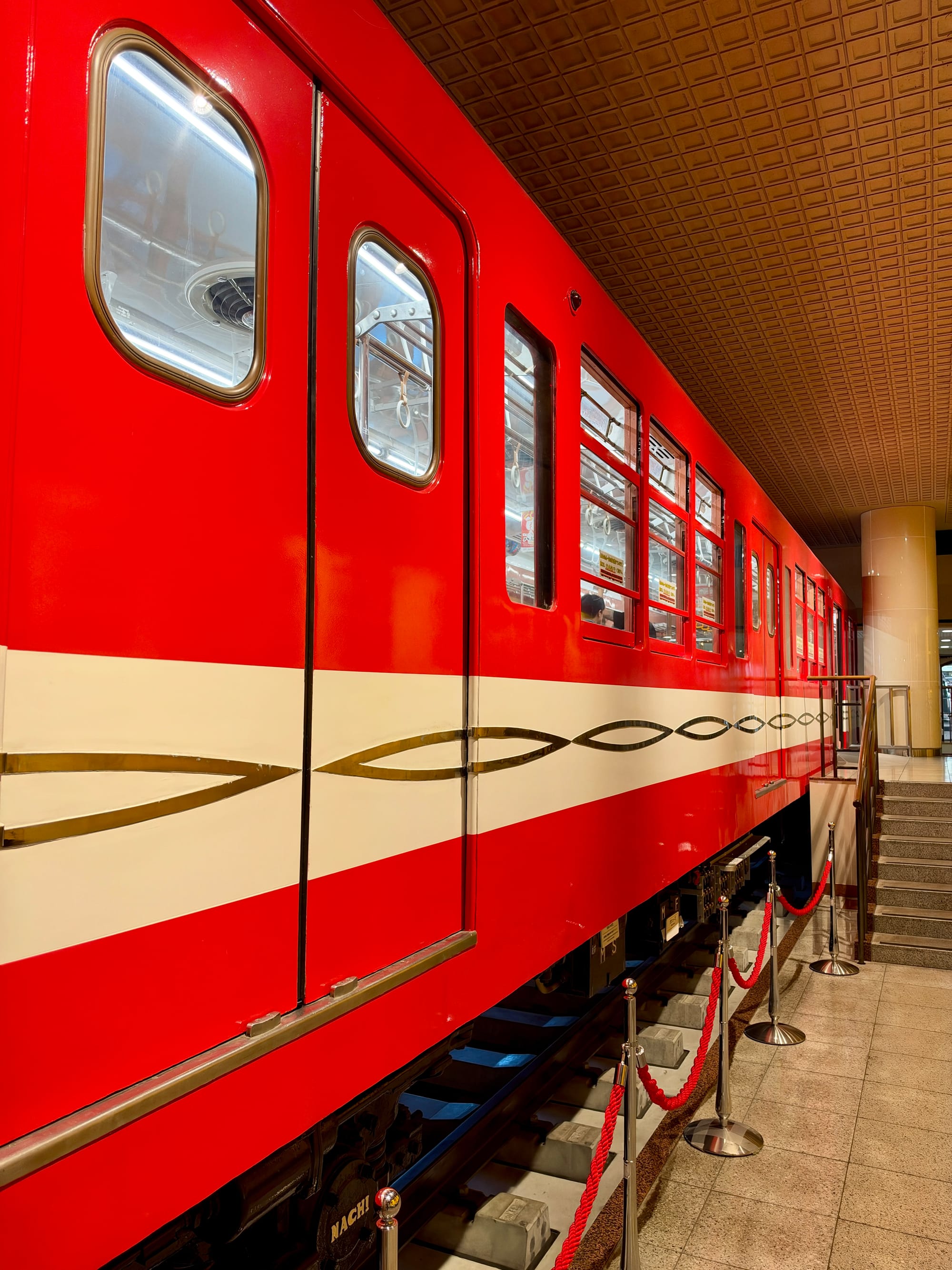
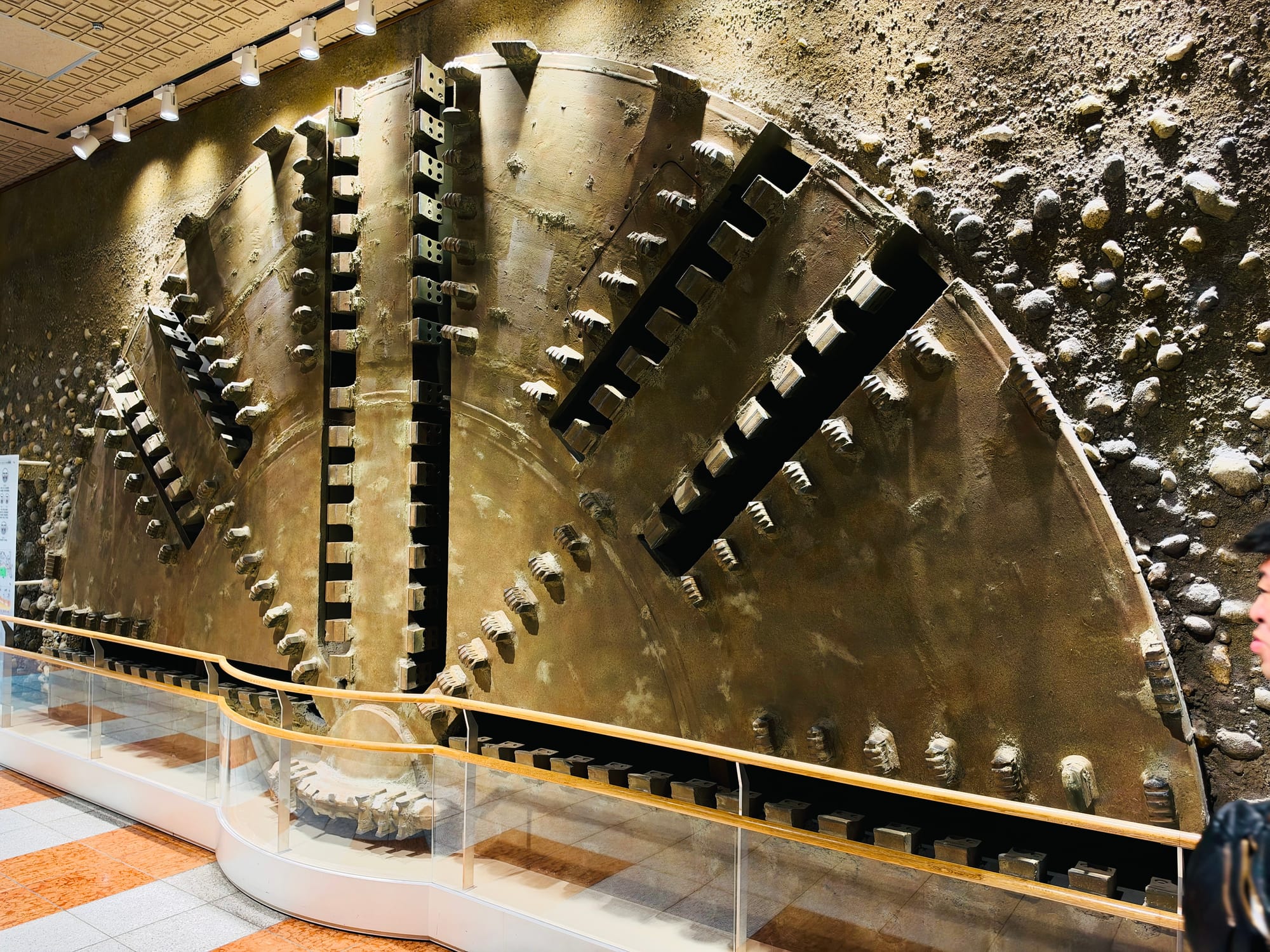
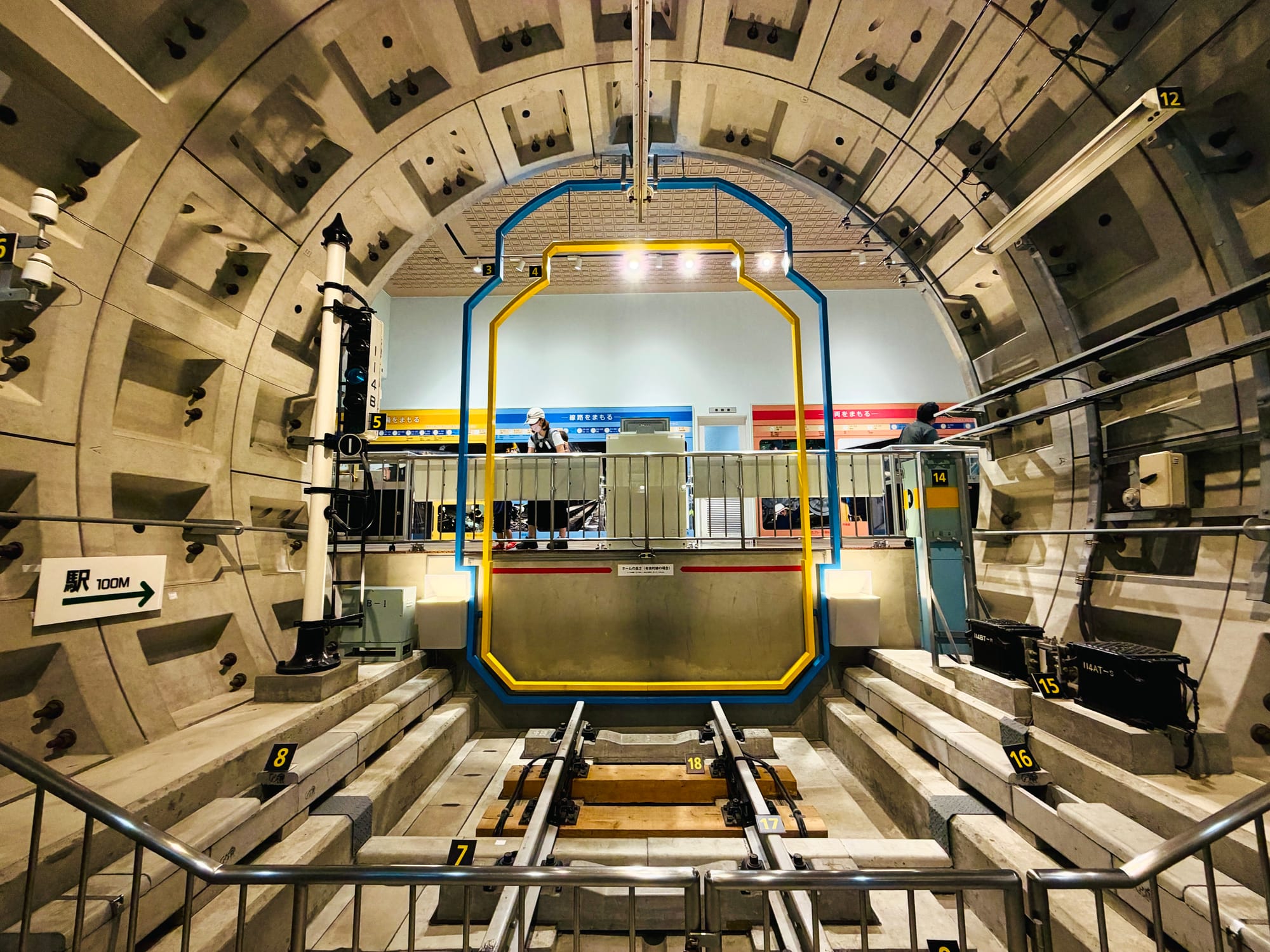
The very first Tokyo subway car, a subway from the 1950s, the boring machine they used to carve tunnels, and a full cross-section of how modern train tunnels are constructed
There were tons of displays on how they used to build tunnels and how they do it in modern times. I loved it and it gave me a new appreciation for the dozens of train lines I rode throughout the week. It's an incredible system that makes getting from one spot to almost any other tremendously easy and affordable.
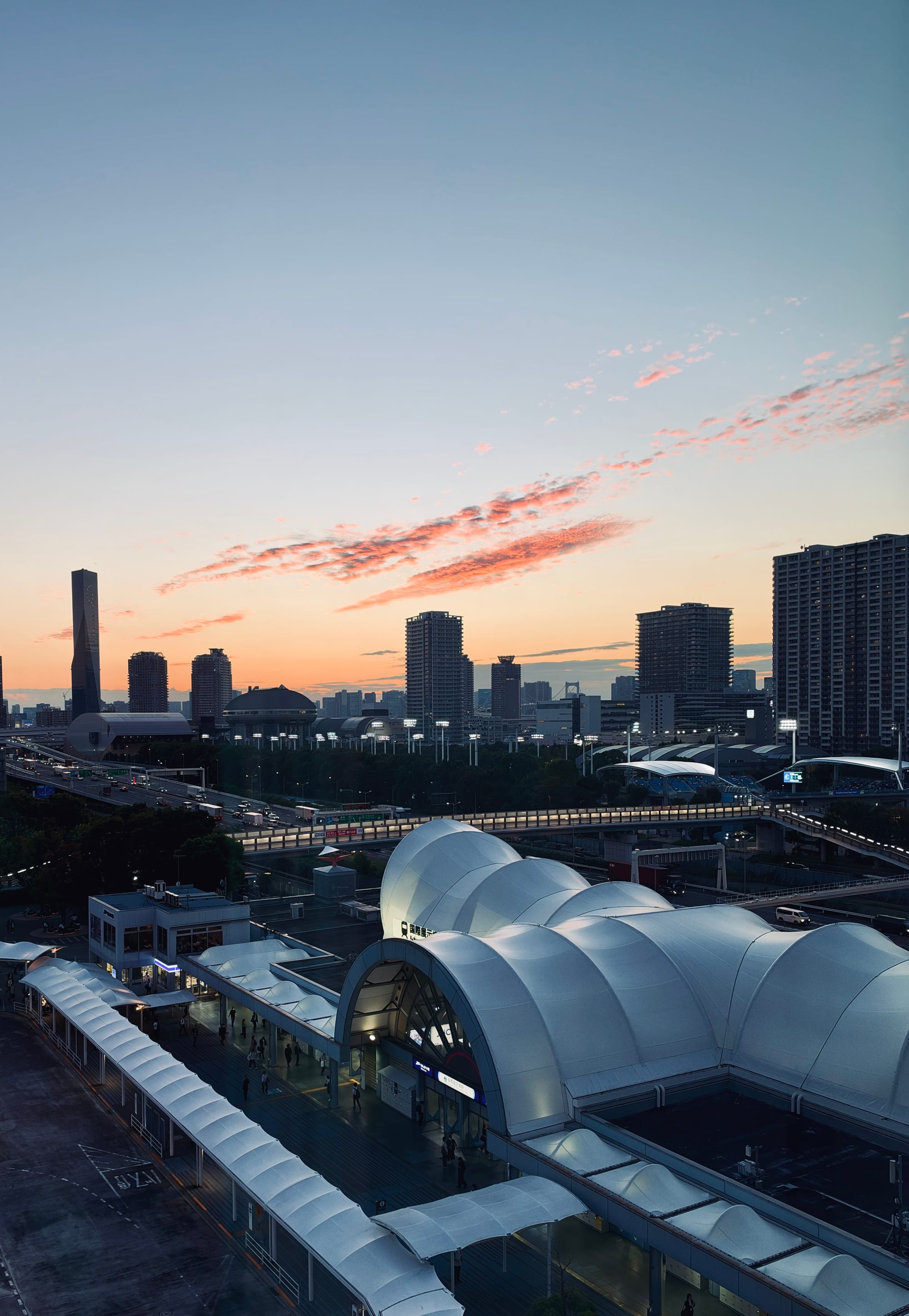
Teppanyaki
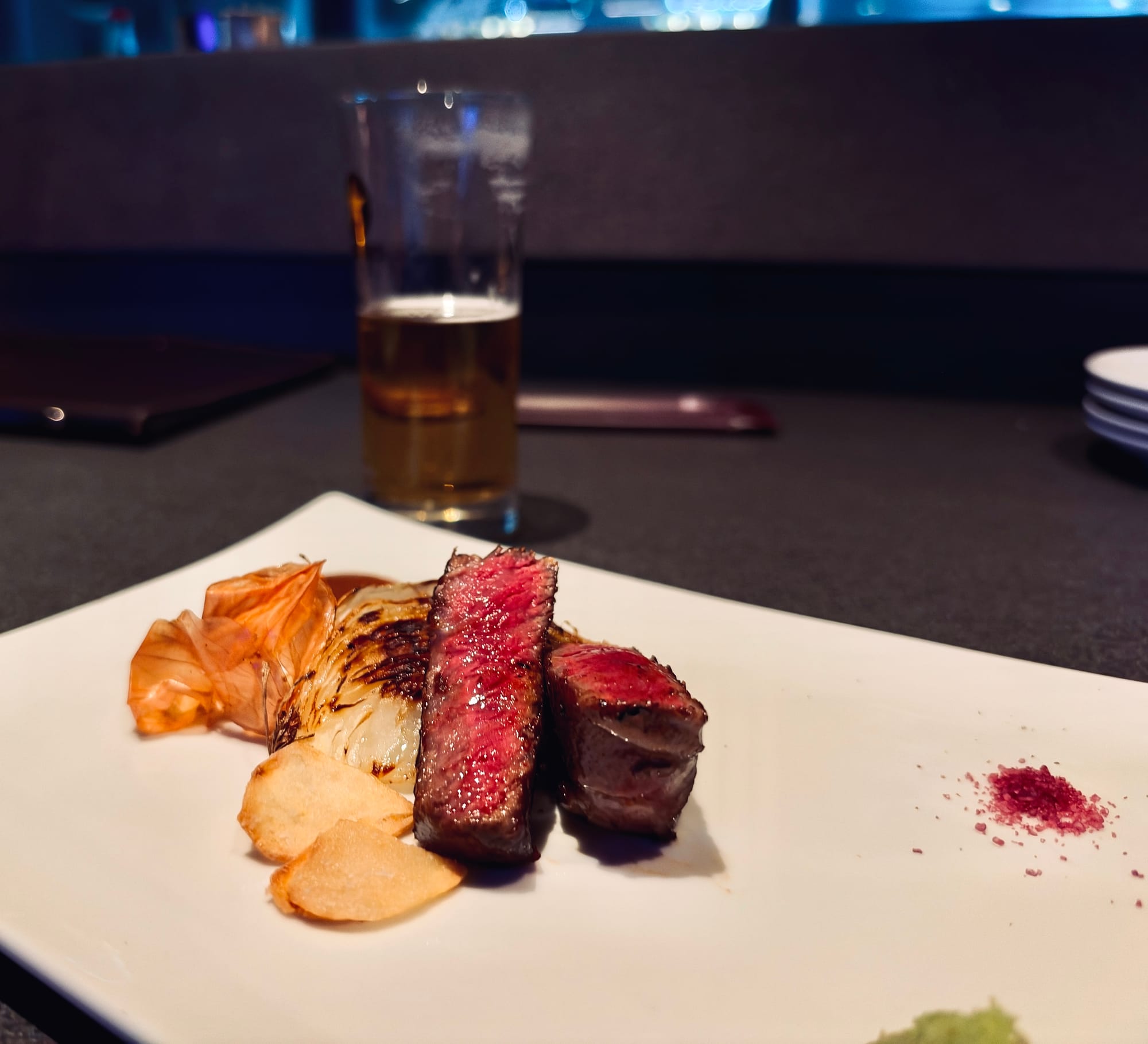
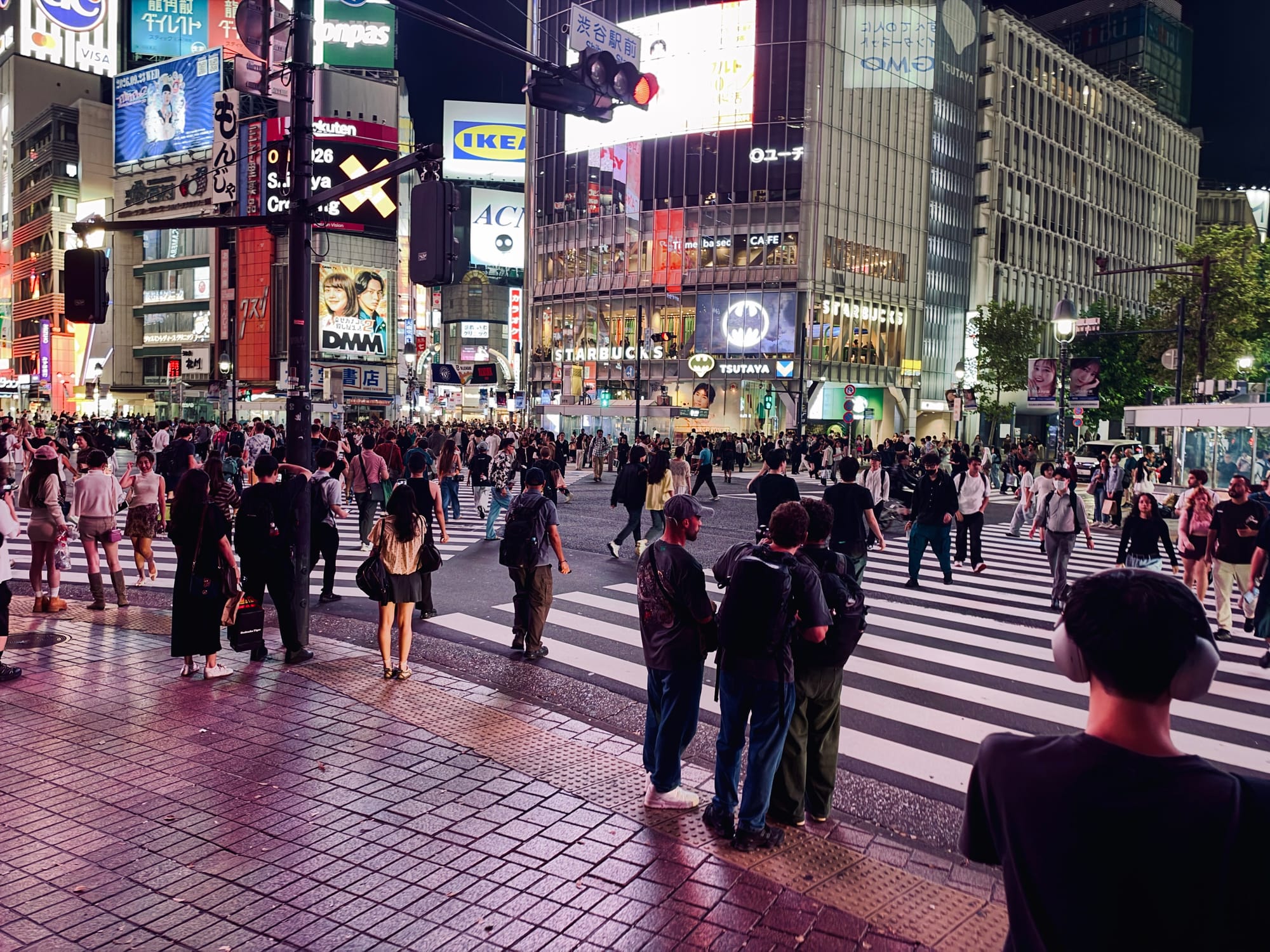
Thursday night, I met up with Leonard and friends for a teppanyaki dinner in Shibuya. I wanted to try some of the local waygu on this trip and we had a fantastic prix fixe meal with lobster.
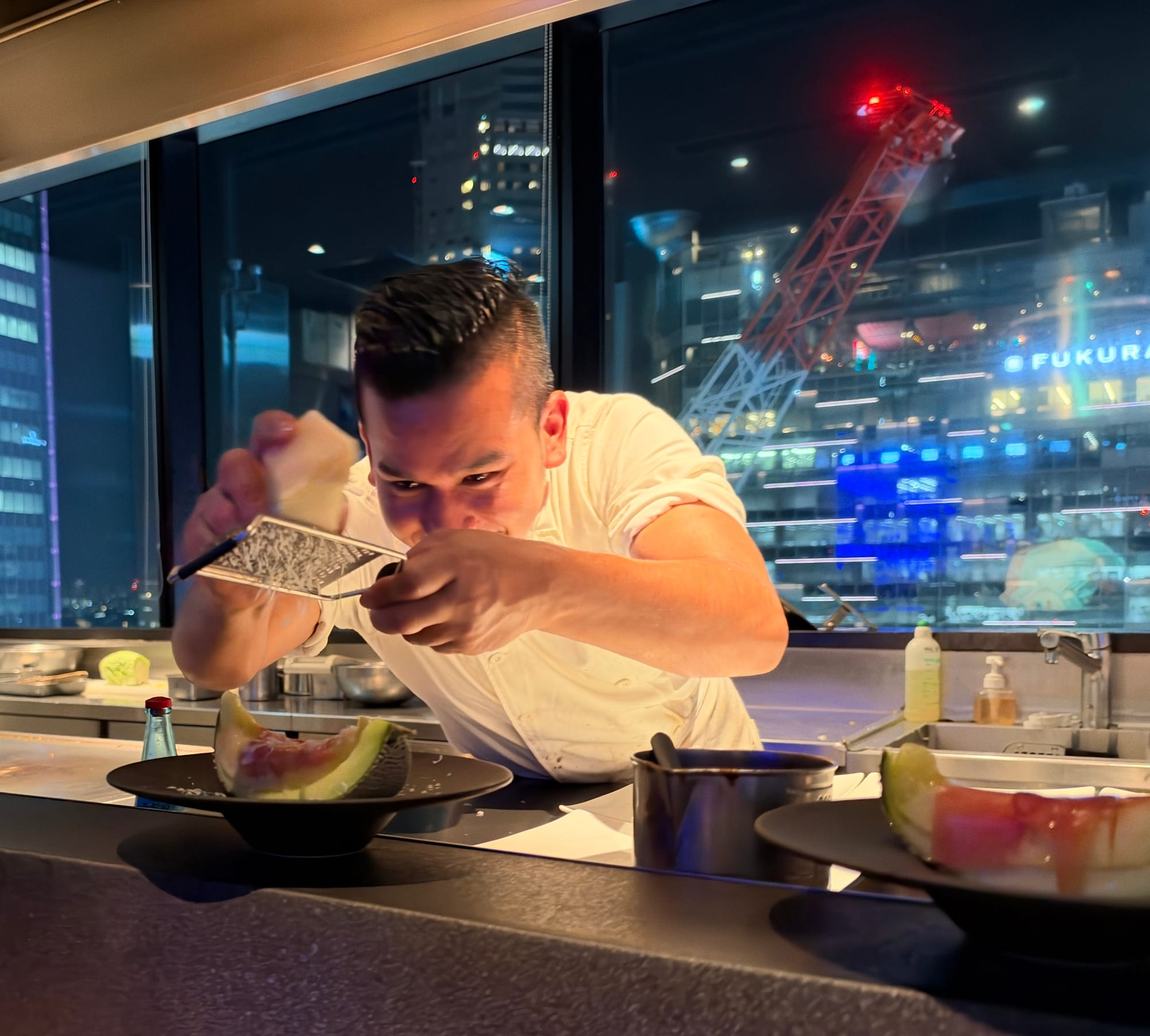
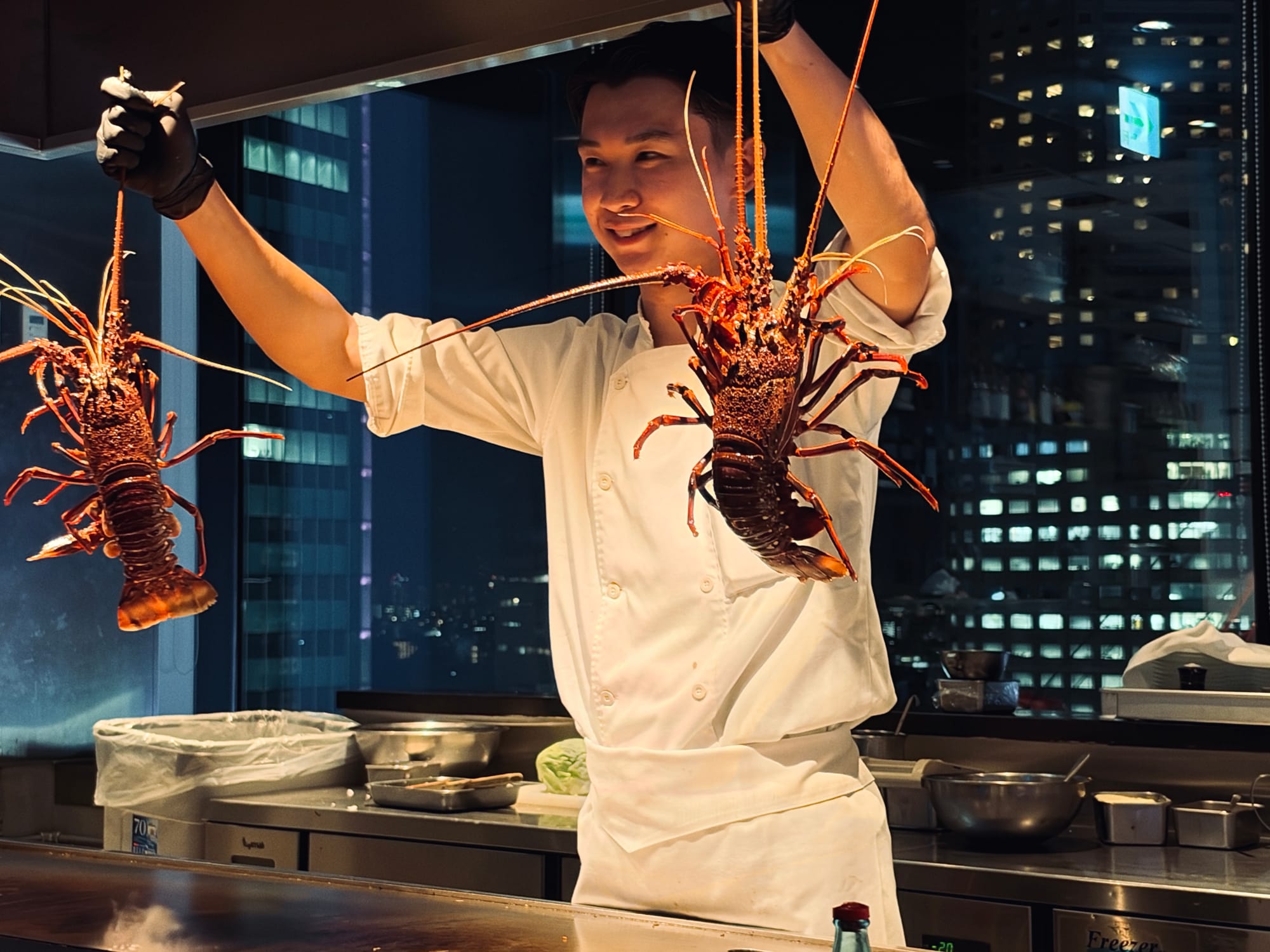
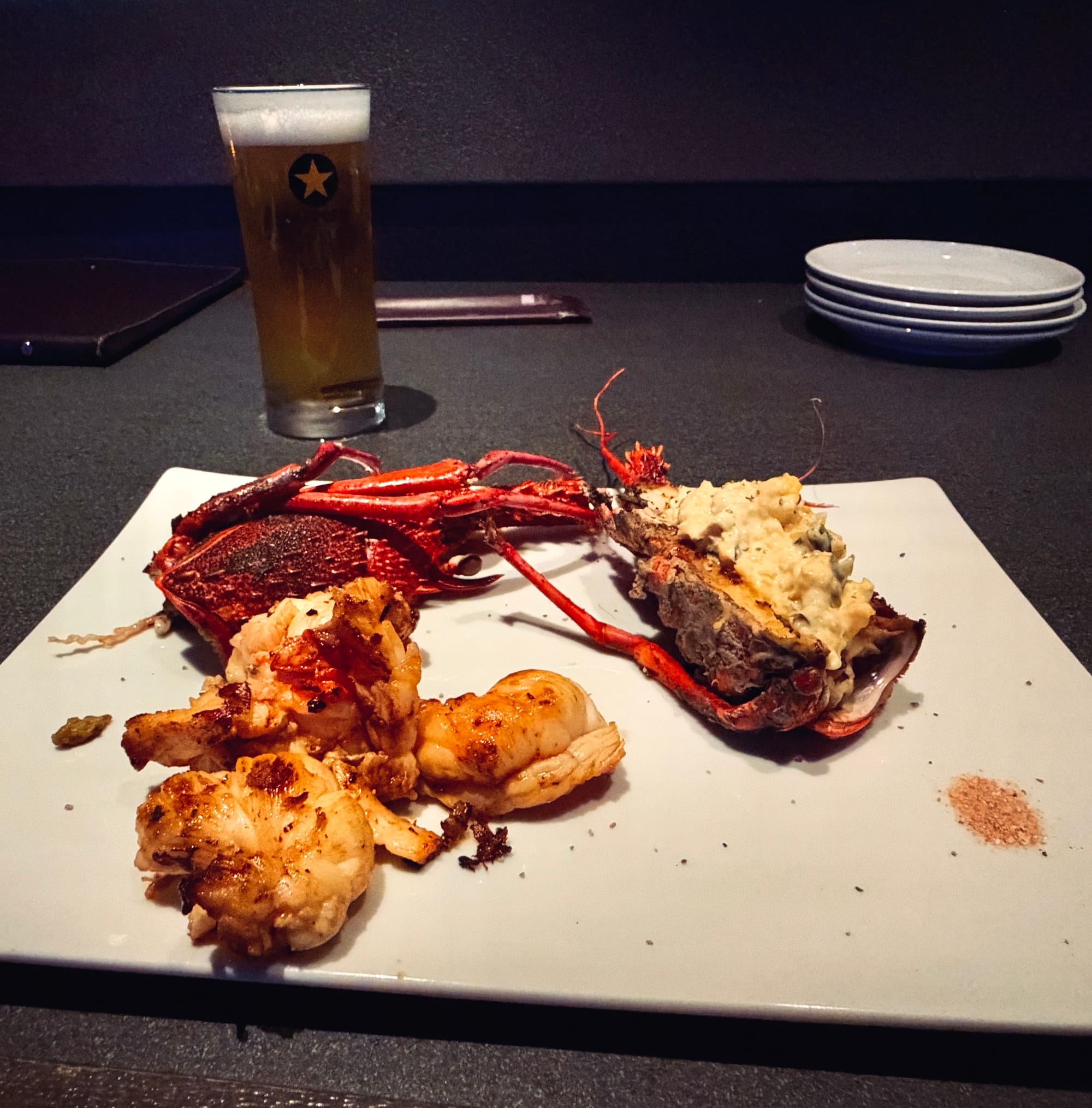
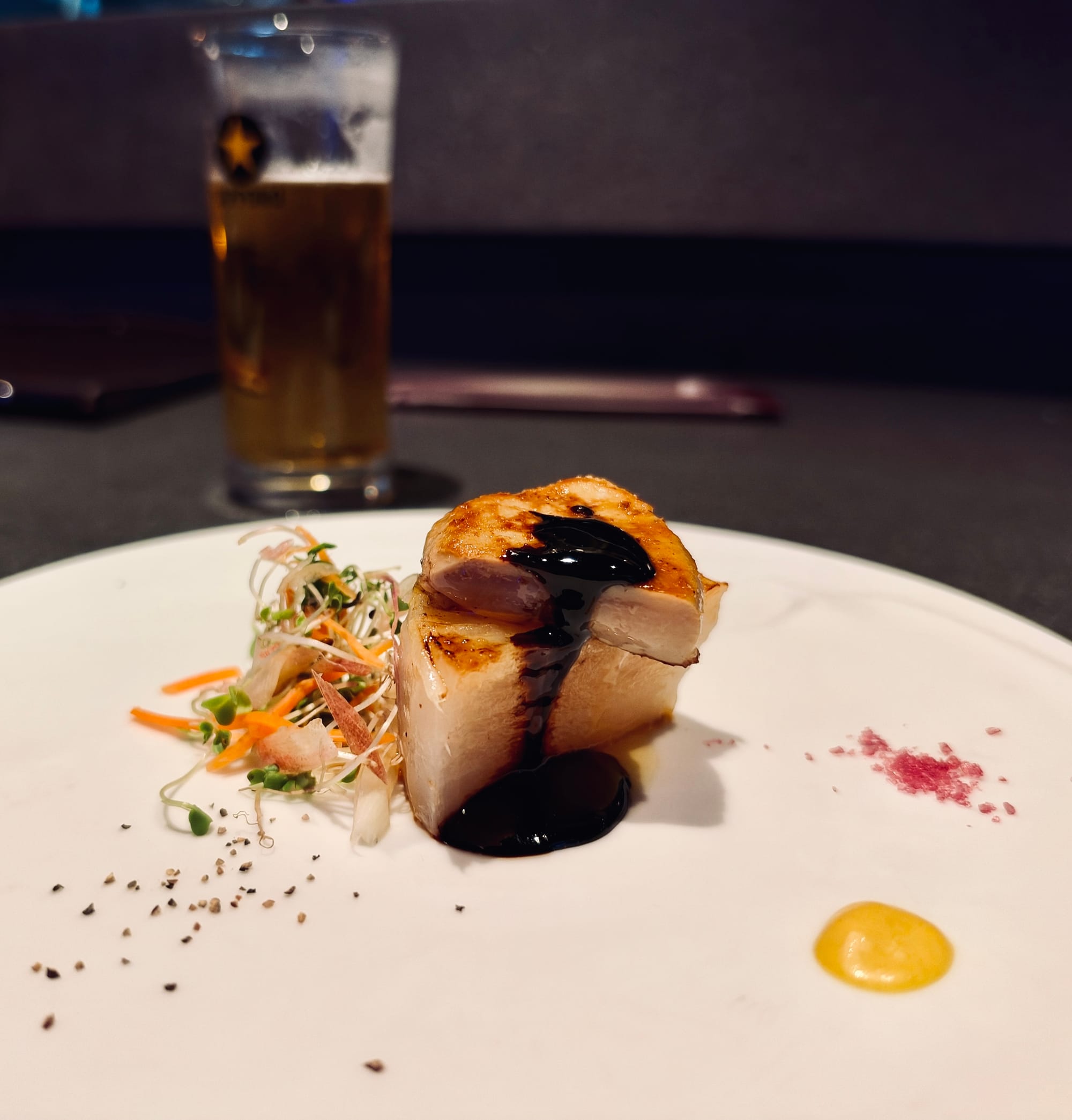
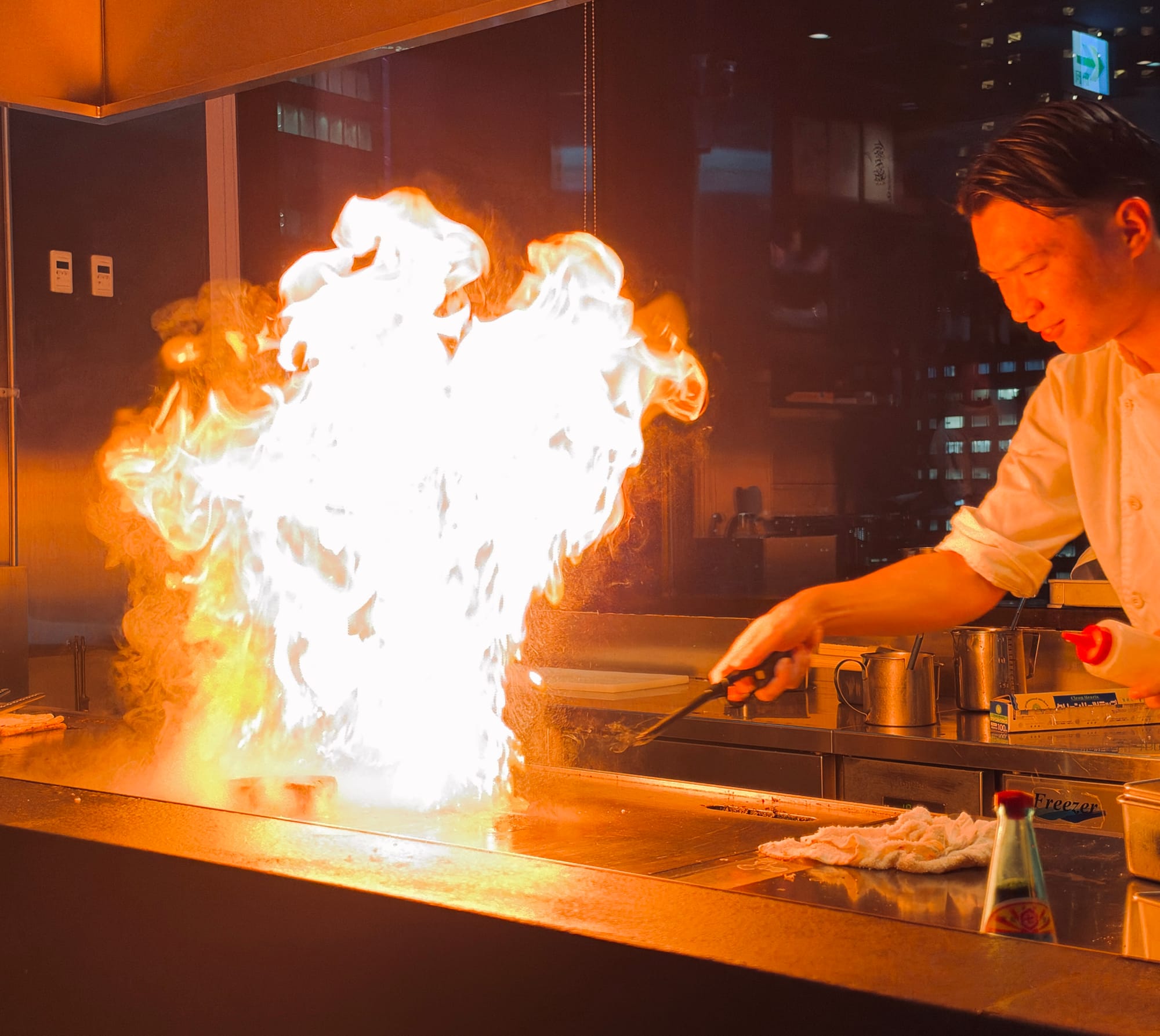
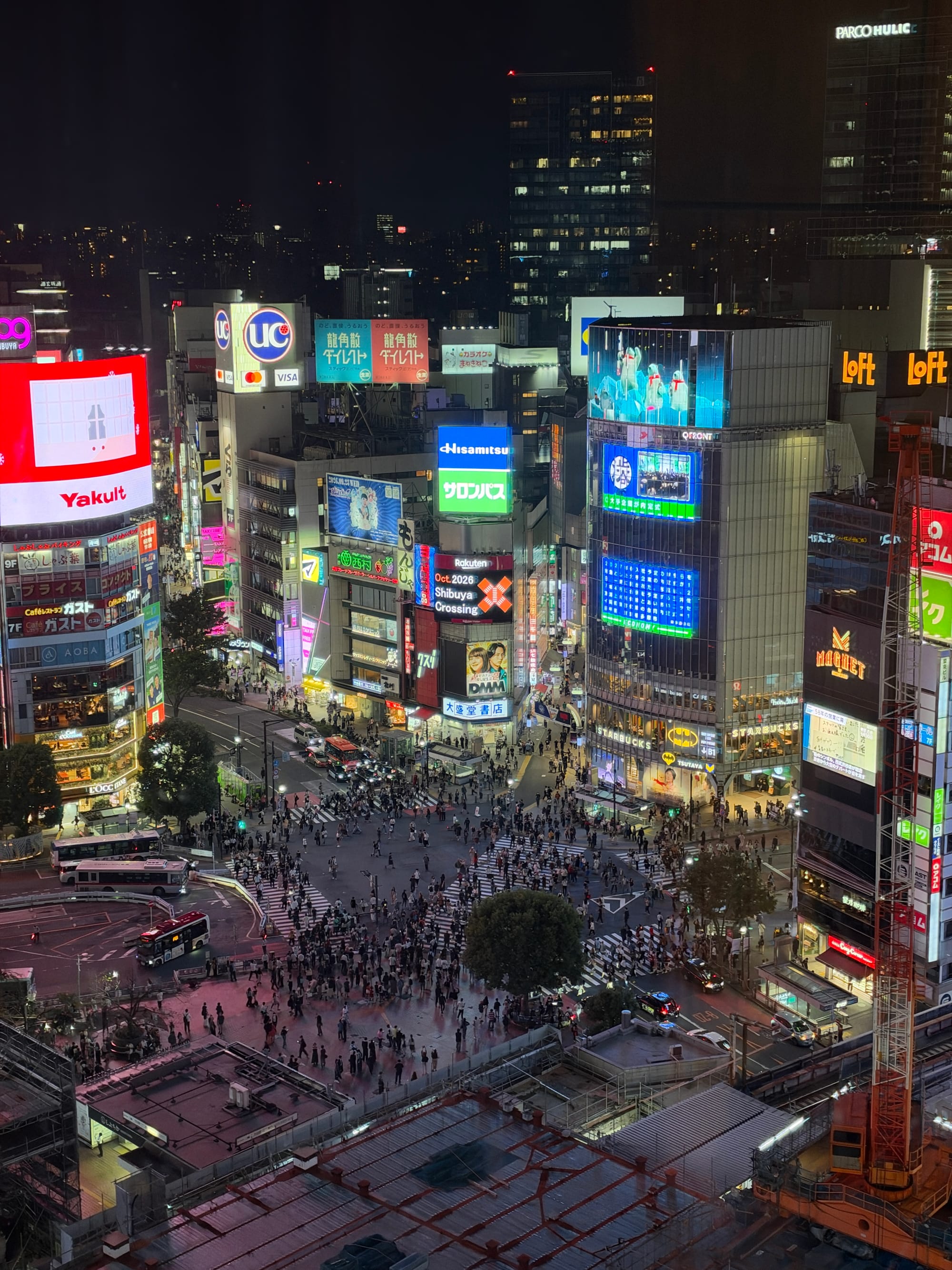
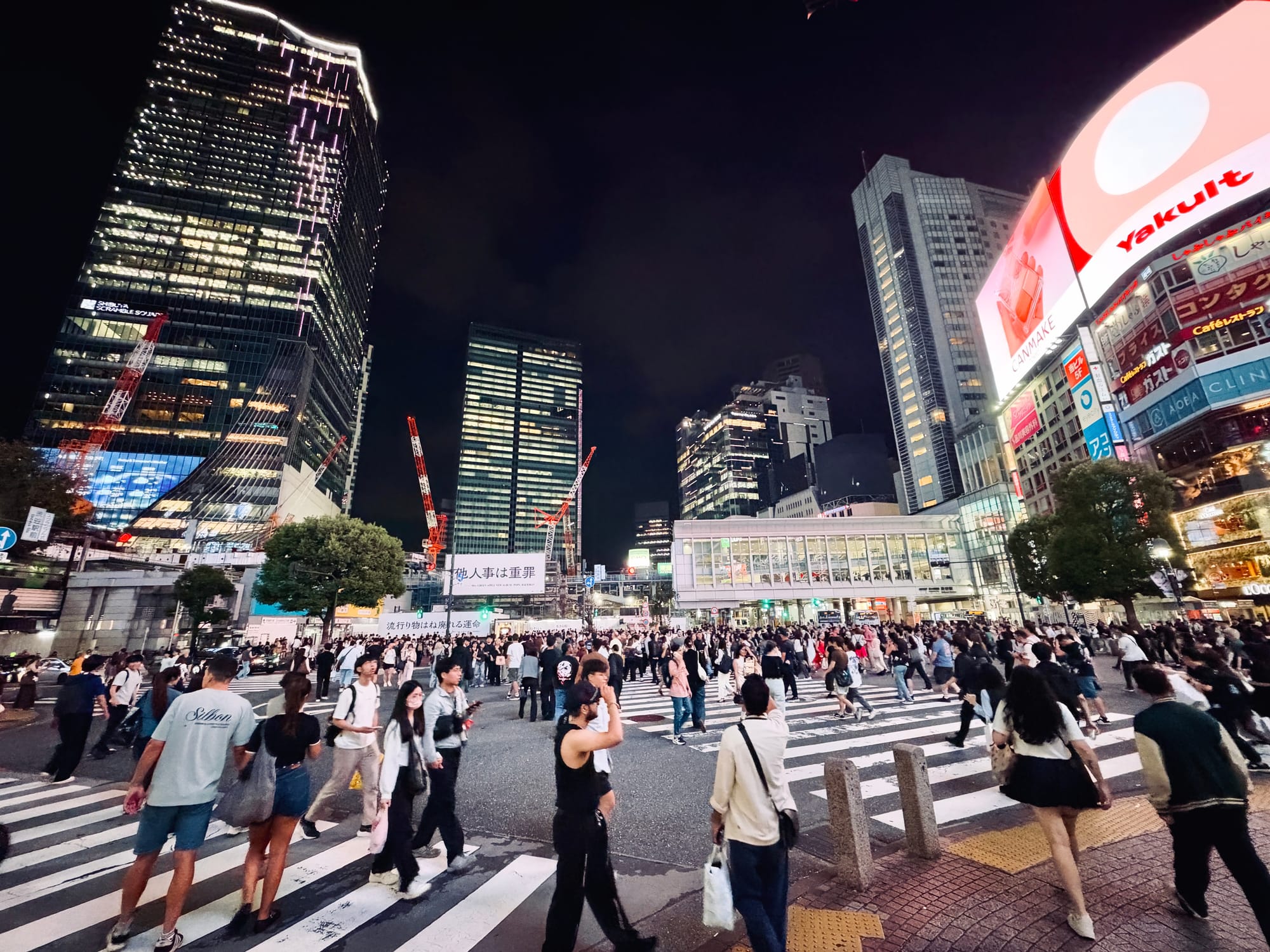
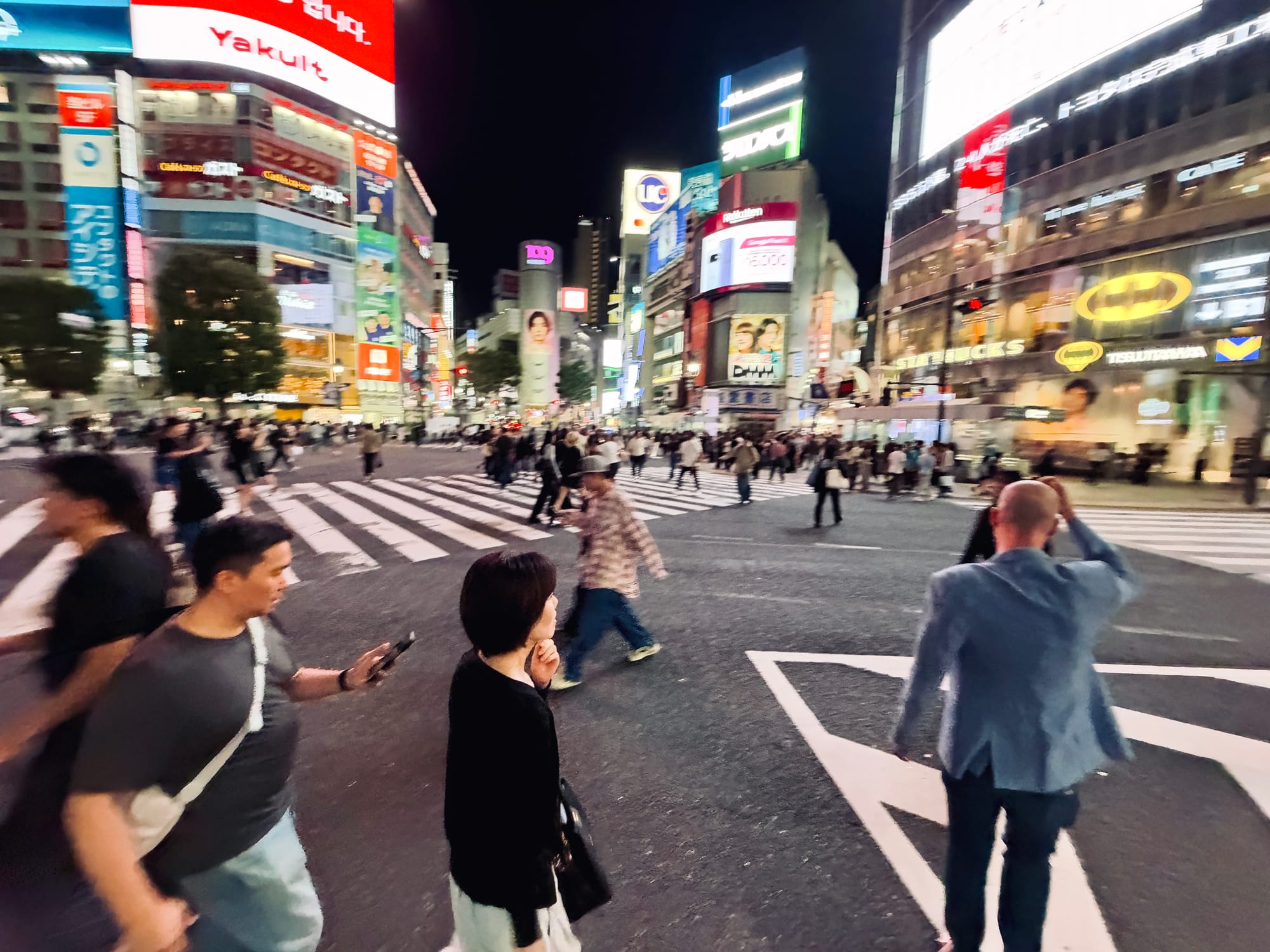
After dinner, we wandered around the famous Shibuya crossing.
A quick trip to a night temple
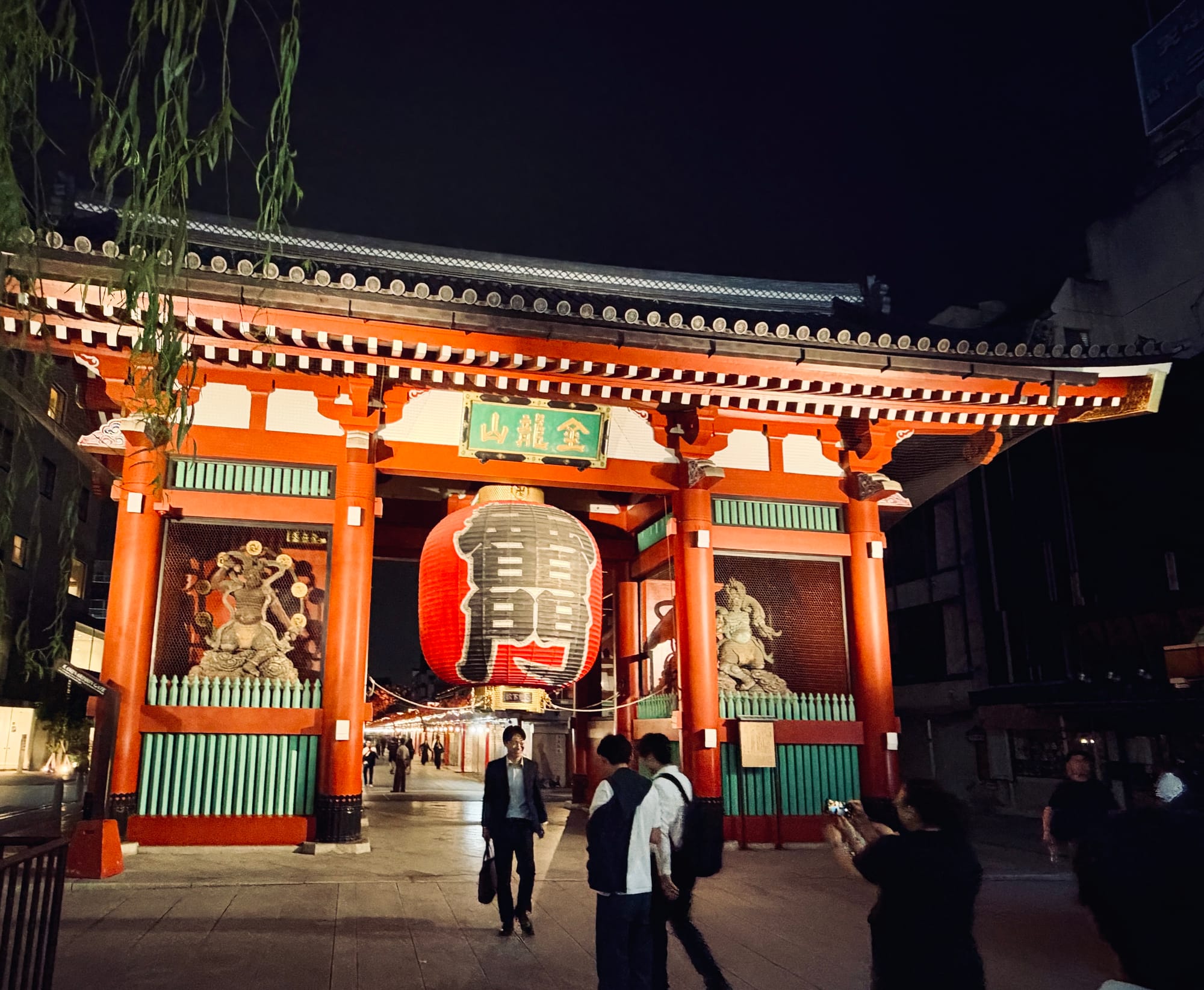
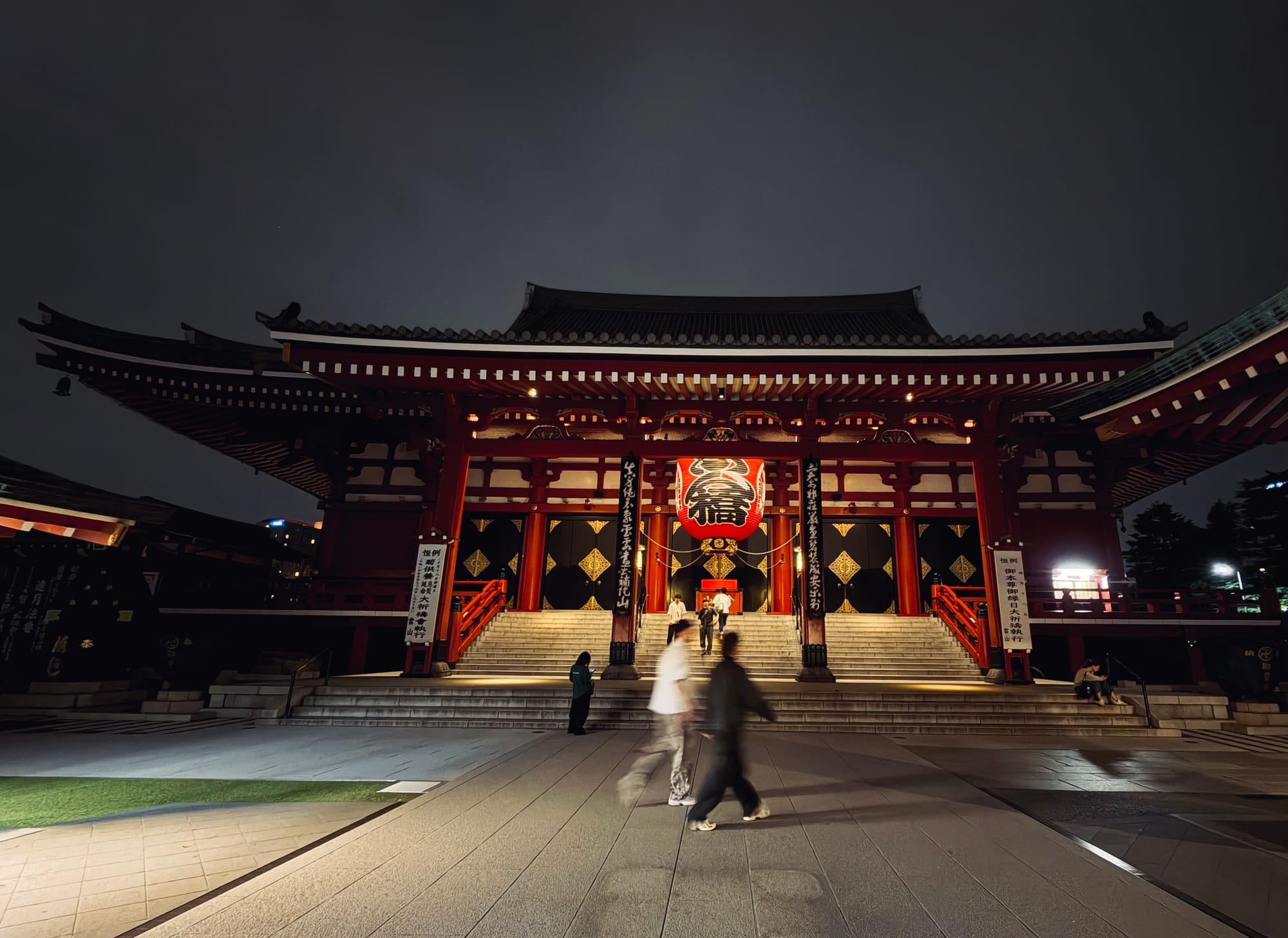
Post-dinner, I wanted to visit another temple where I hoped to miss crowds later at night, but unfortunately most of the main temple buildings weren't lit up when I was there. Still, it was a great experience to see everything on display, even when it was dark out.
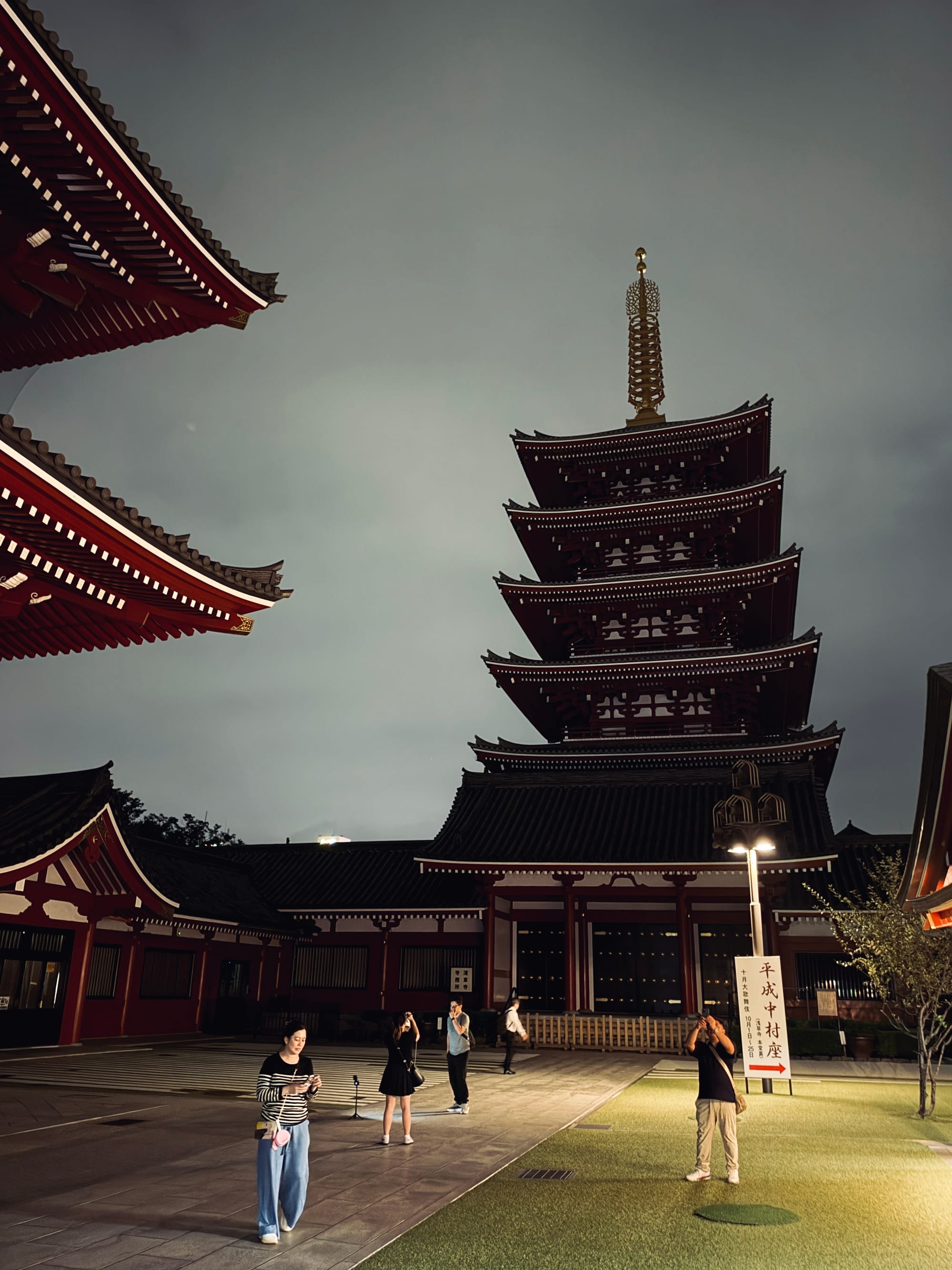
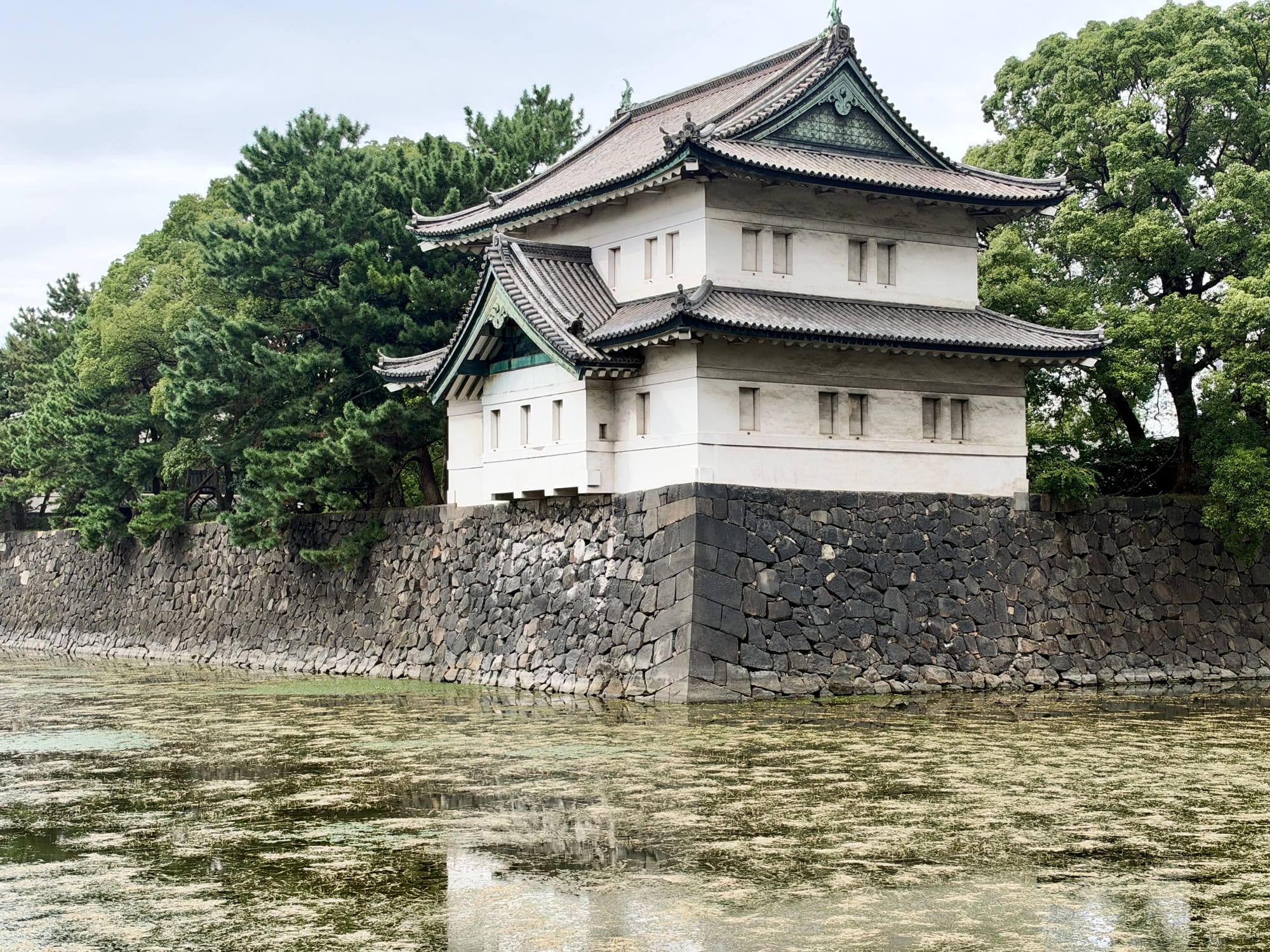
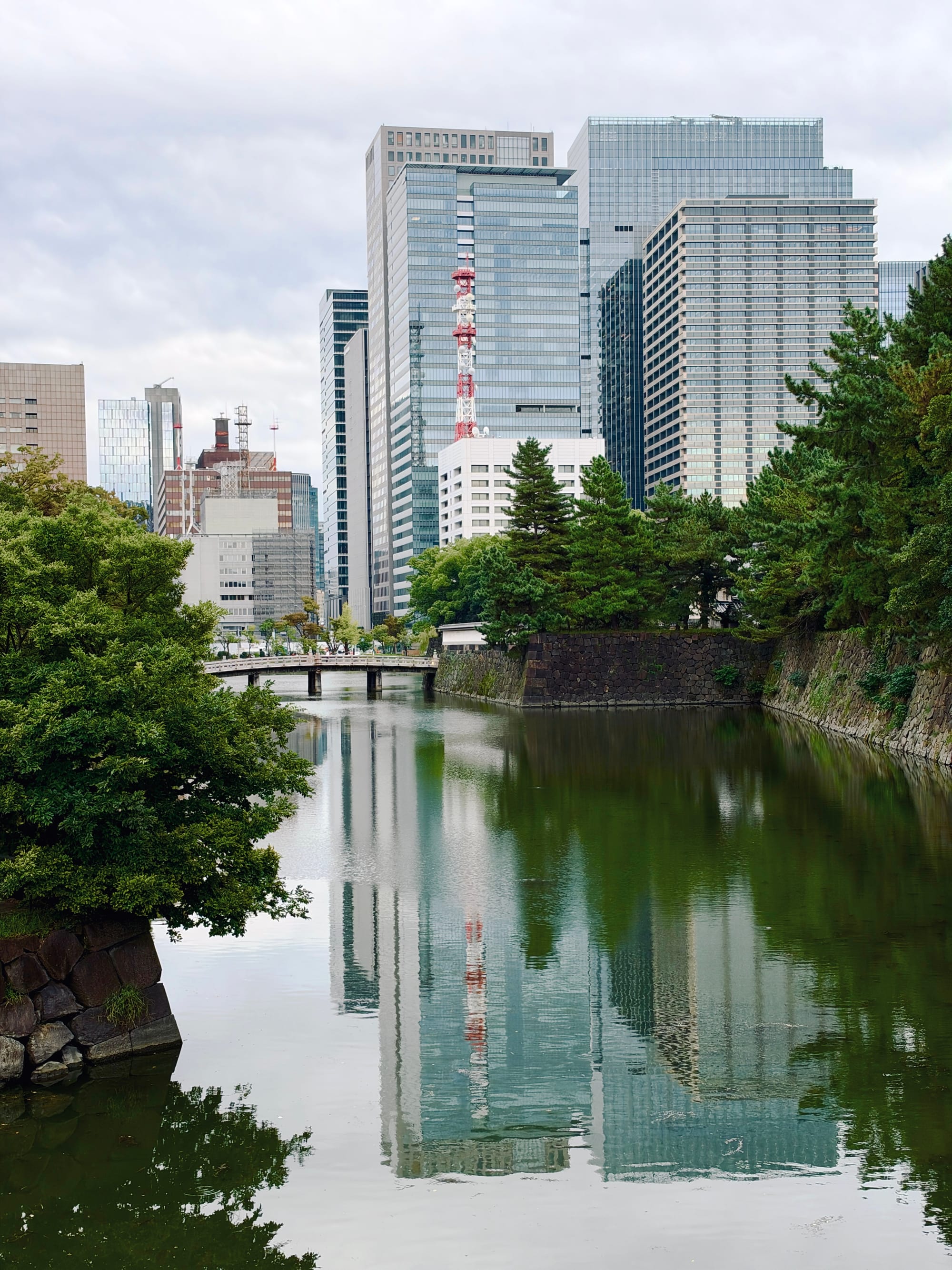
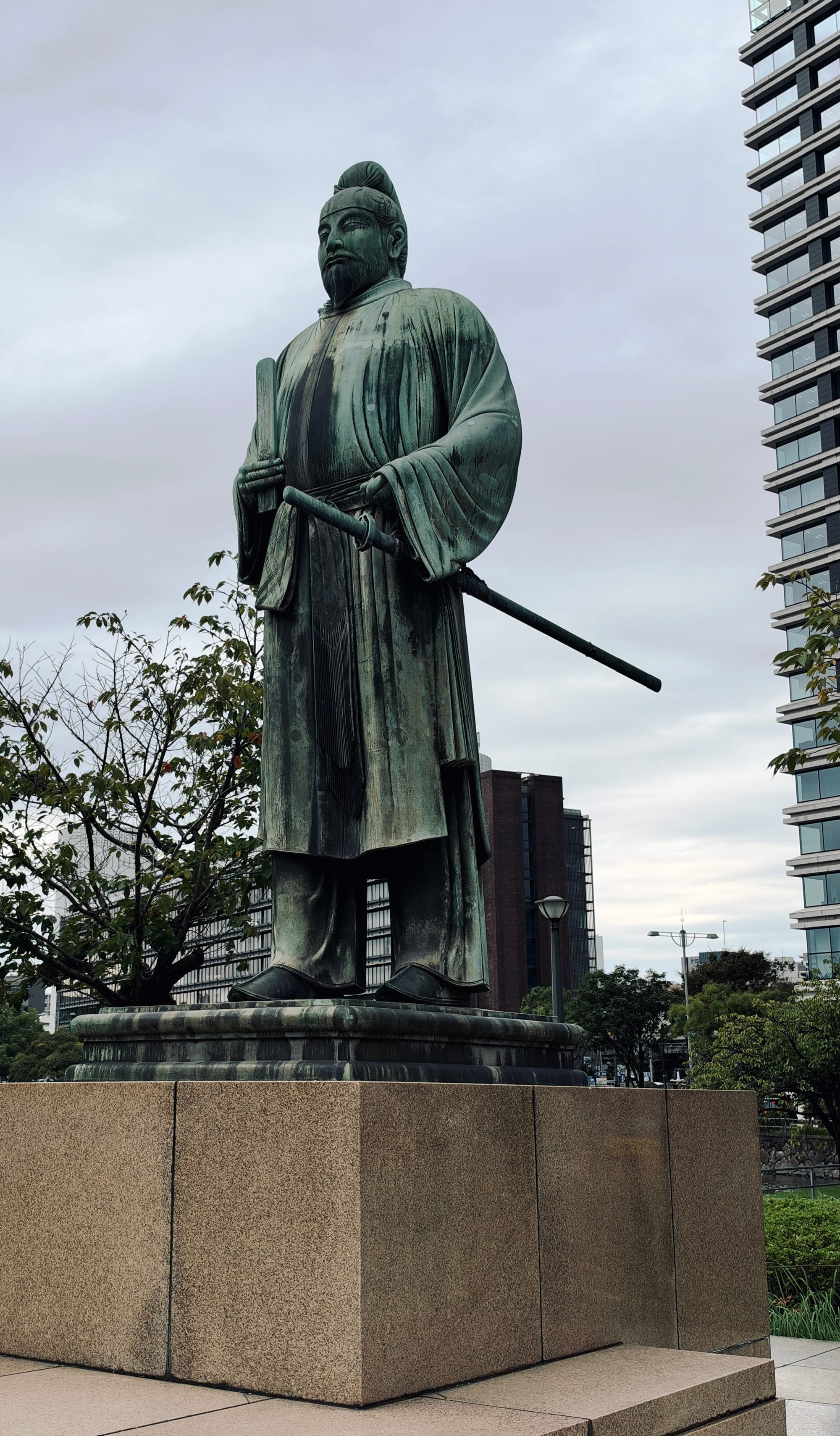
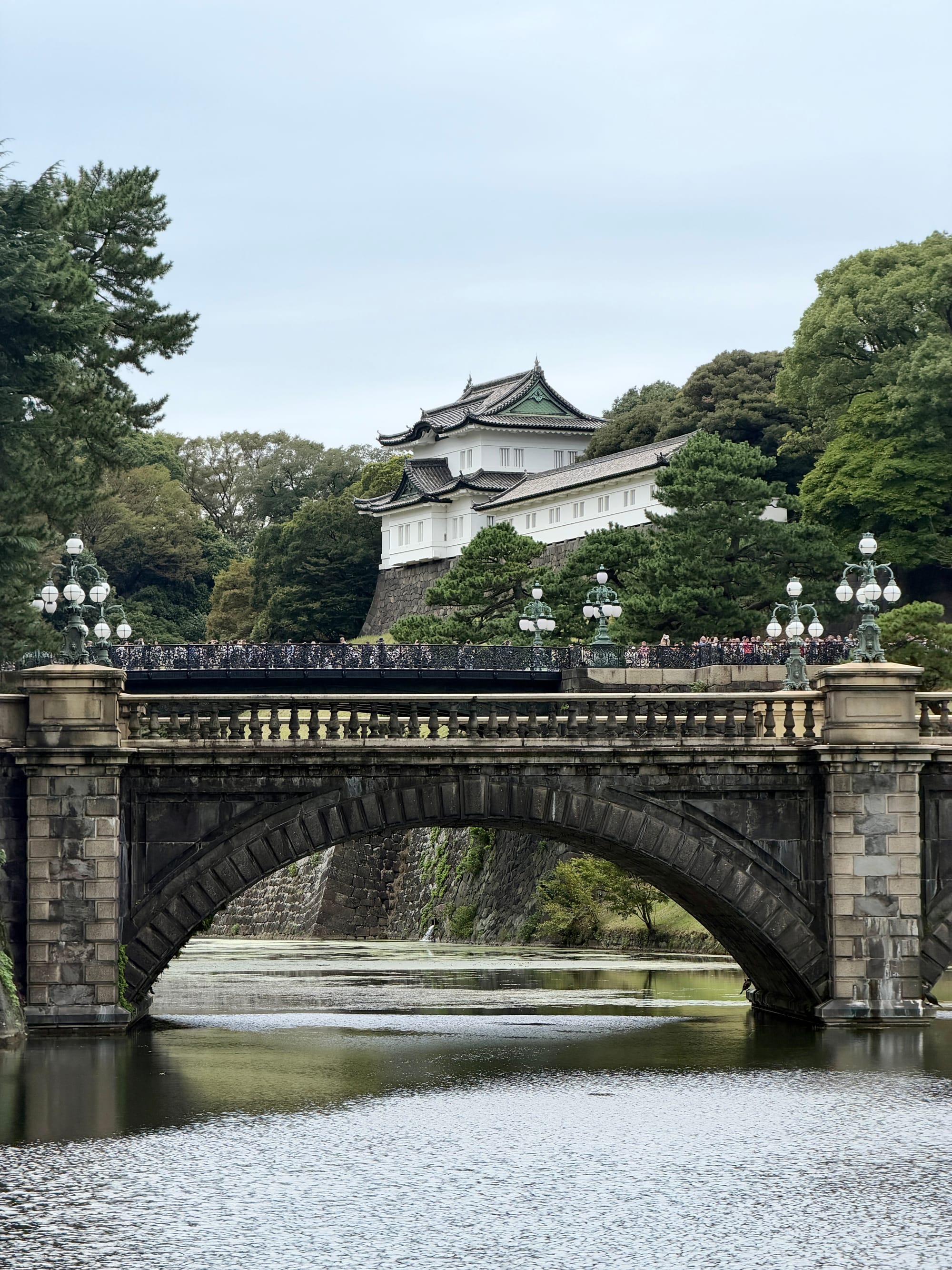
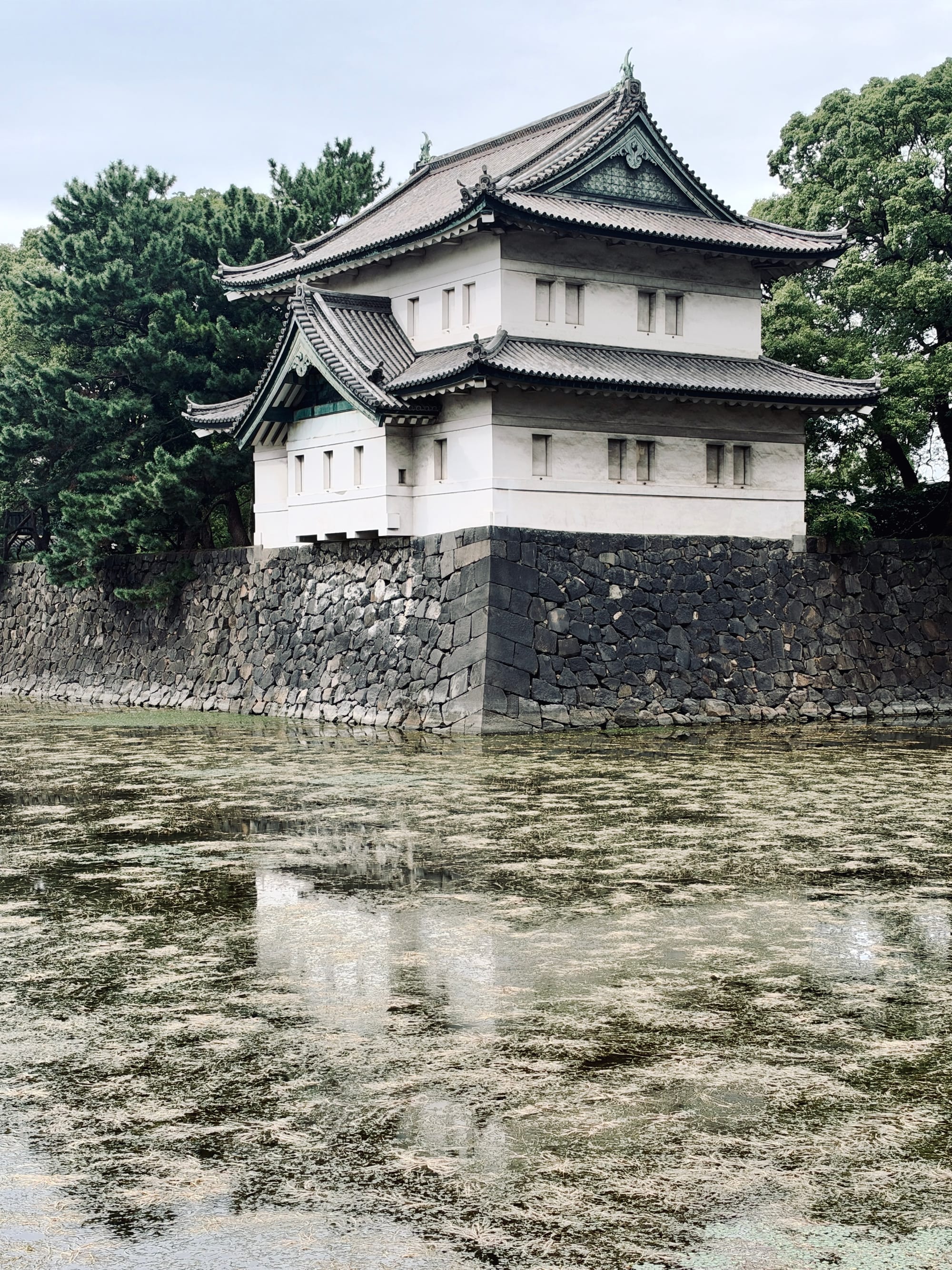
Wandering around the emperor's moat
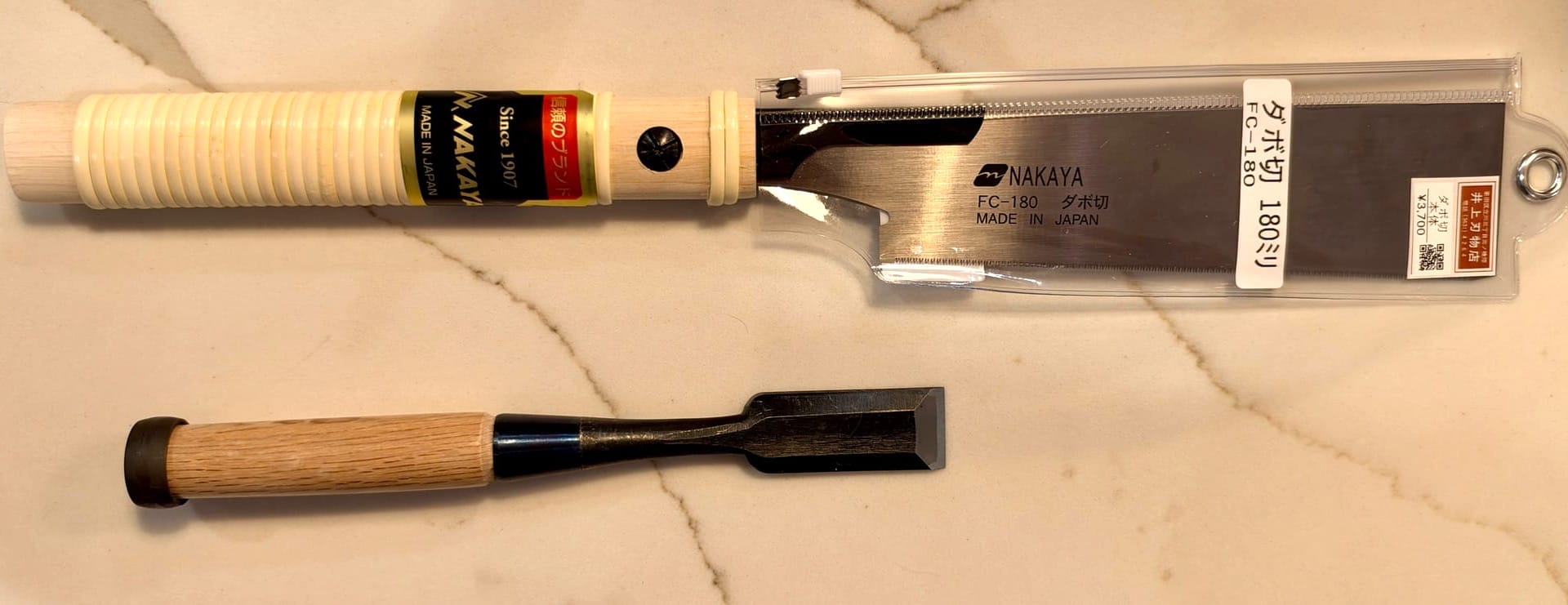
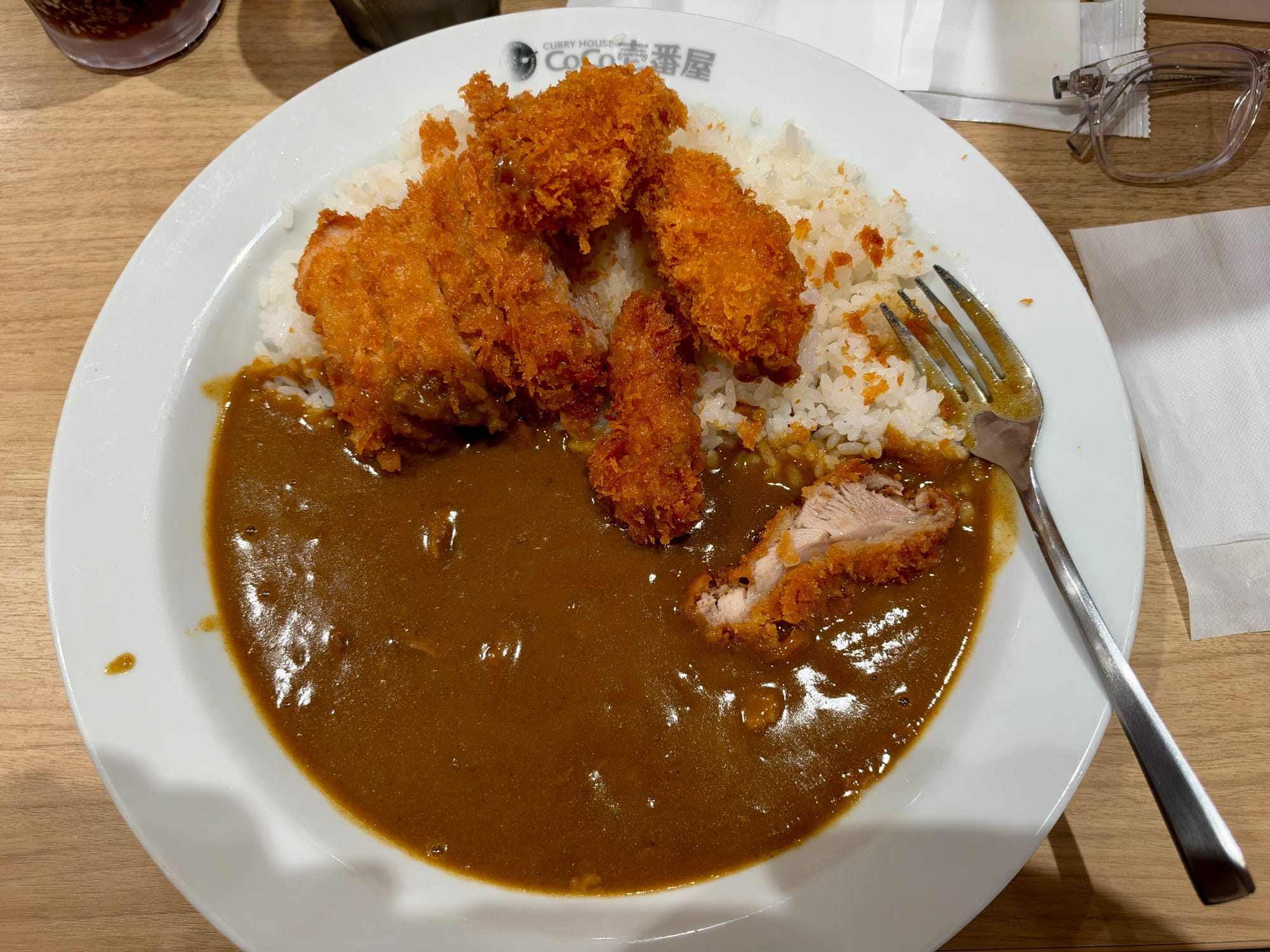
Friday morning, I ran some errands and bought a custom chisel and new trim saw from Inoue Hamono, a local woodworking shop run by a guy and his son. I got lunch at a Japanese curry chain and it did not disappoint.
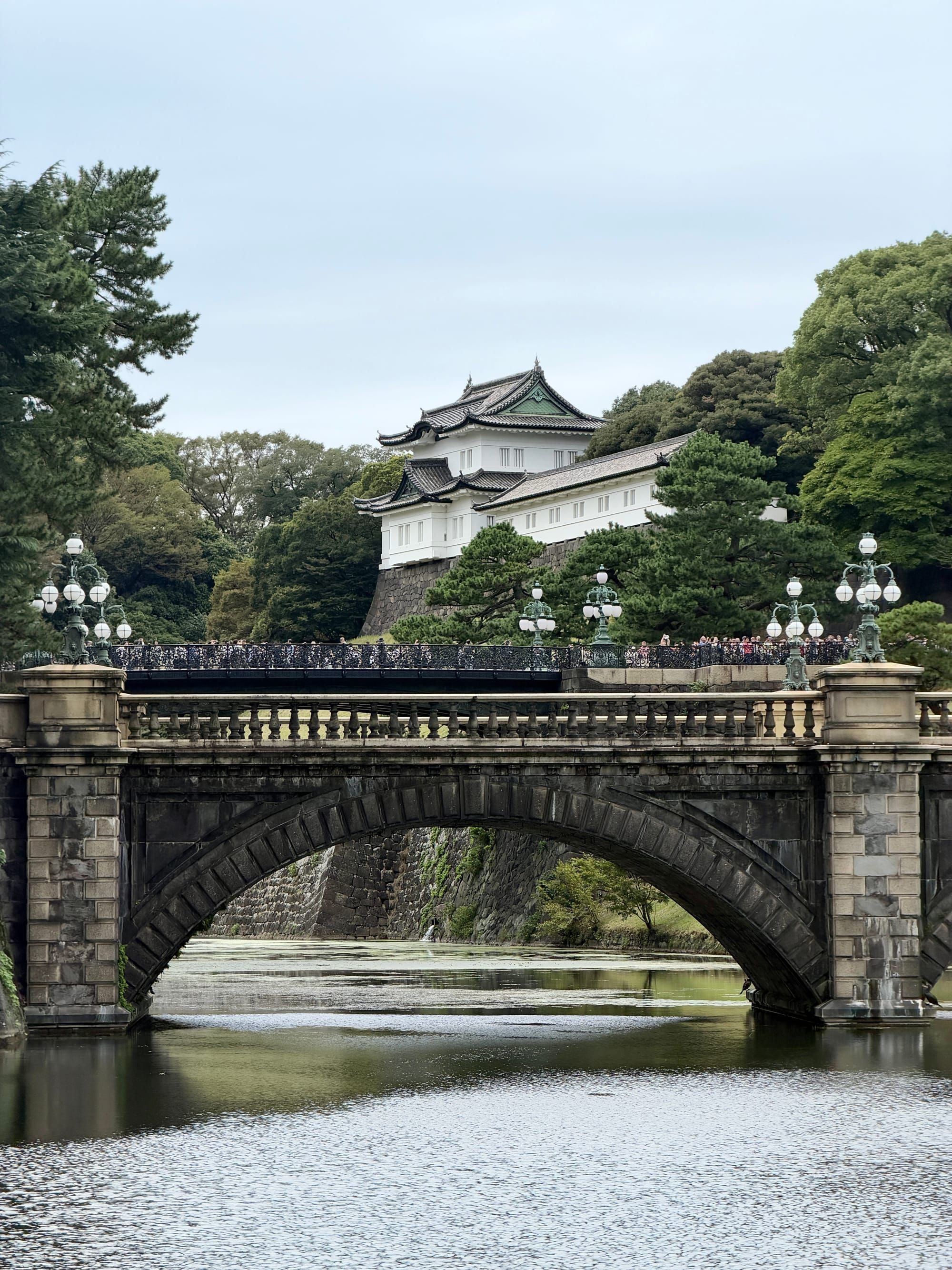
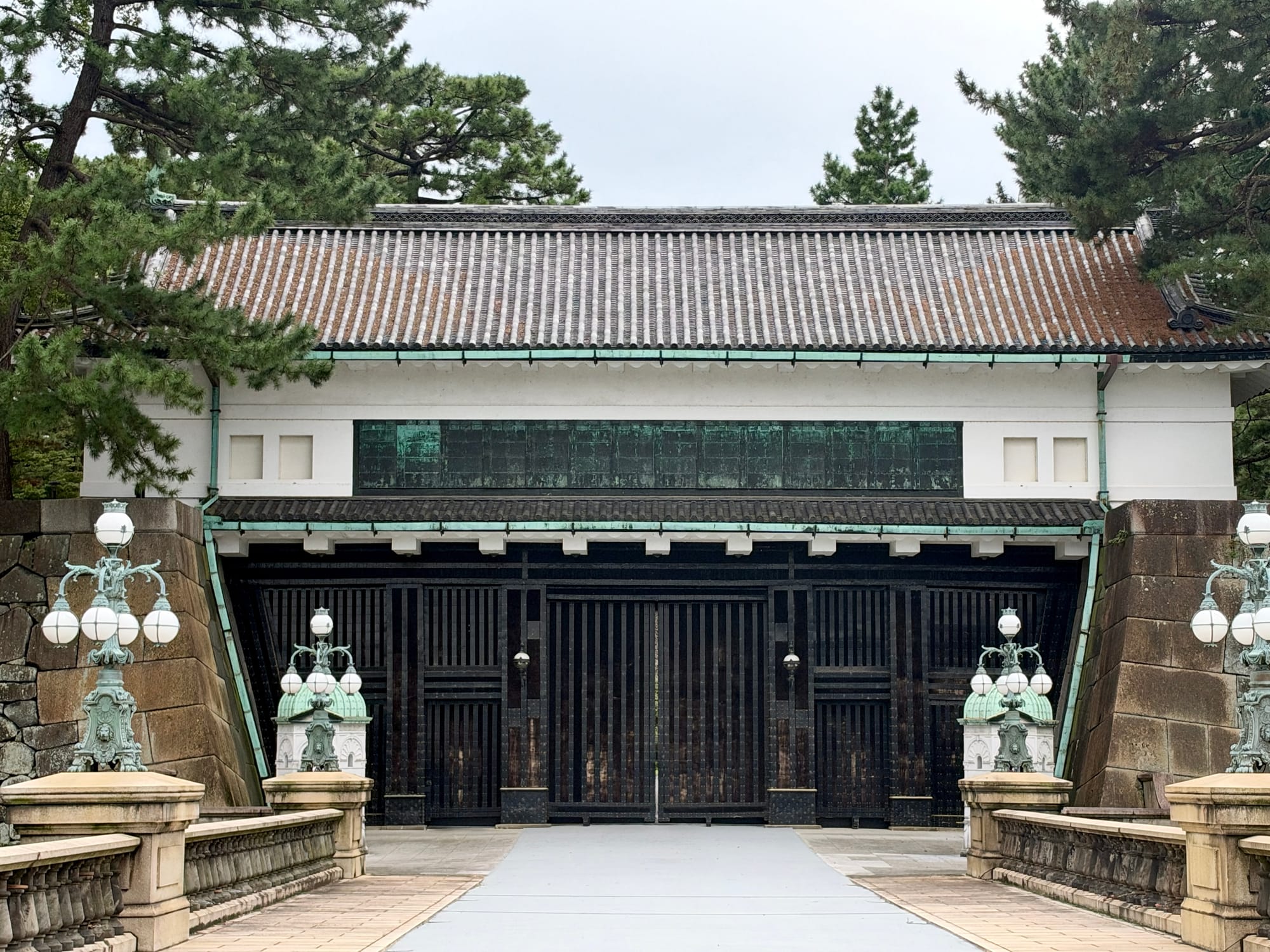
I wanted to see more gardens after so I checked out the emperor's palace in the center of town, and walked a few miles around the perimeter (it was closed to outsiders and heavily guarded at every bridge, but was still beautiful).
My first omakase
Earlier in the week, I went to a highly-rated conveyor belt sushi place where you ordered items from an iPad, then nigiri would slide right to your table along a belt. Even though it was kind of cheesy and from a chain restaurant, the sushi itself tasted great and after stacking a dozen plates, the total bill for two people eating a monster amount of sushi with drinks was just under $20 USD.
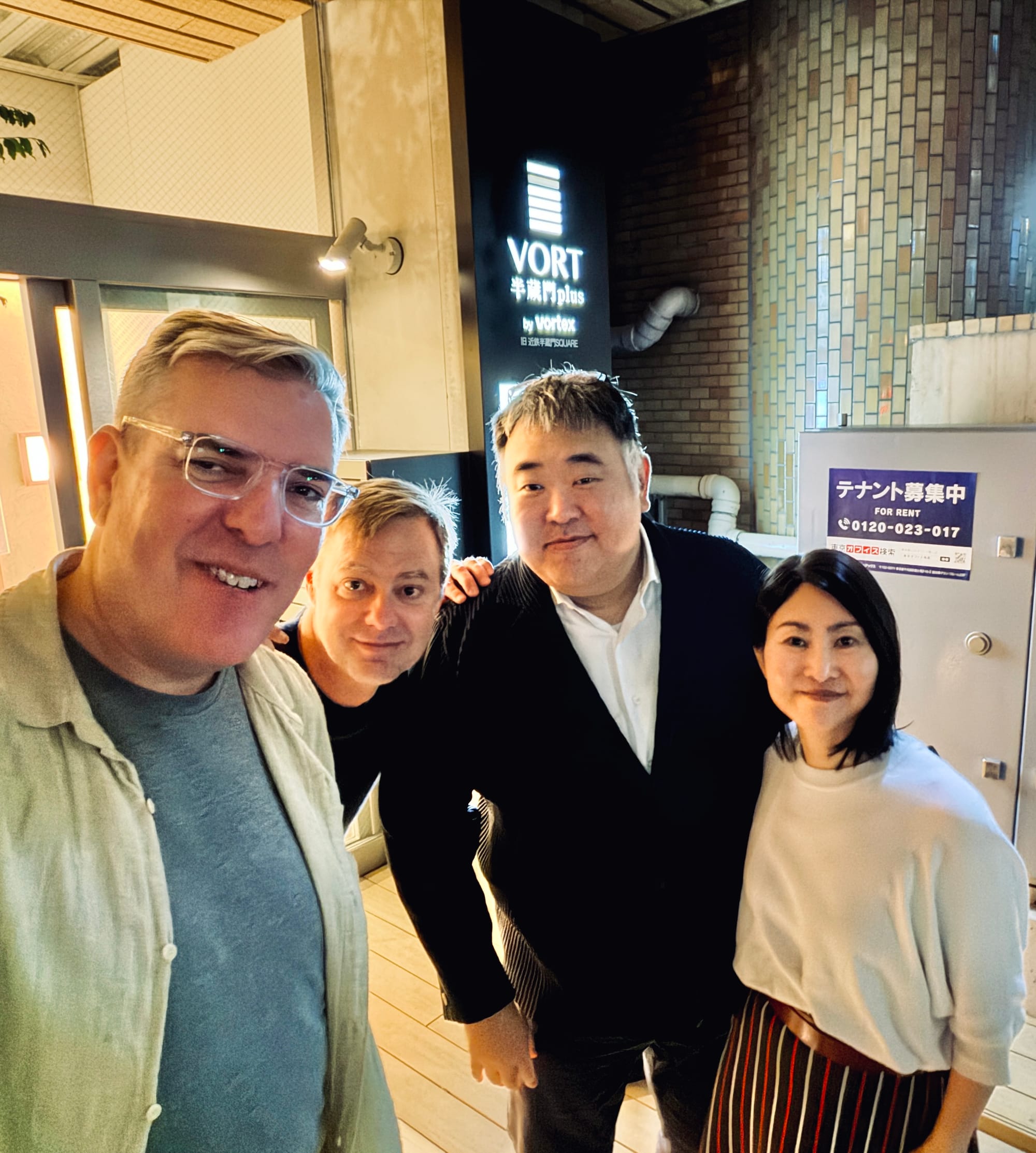
Gen Kanai asked if I wanted to hang out that week and I said I really wanted to try a high-end sushi dinner knowing I'd spend most of the week eating street food. We ended up at Sushi Waku, where a chef and his assistants offer a custom tasting menu with about twenty different perfect bites. The whole place only seats about a dozen people so reservations are mandatory and it was an unforgettable night, lasting about 3 hours and running $200 per person while eating the best seafood I've ever had in my life.
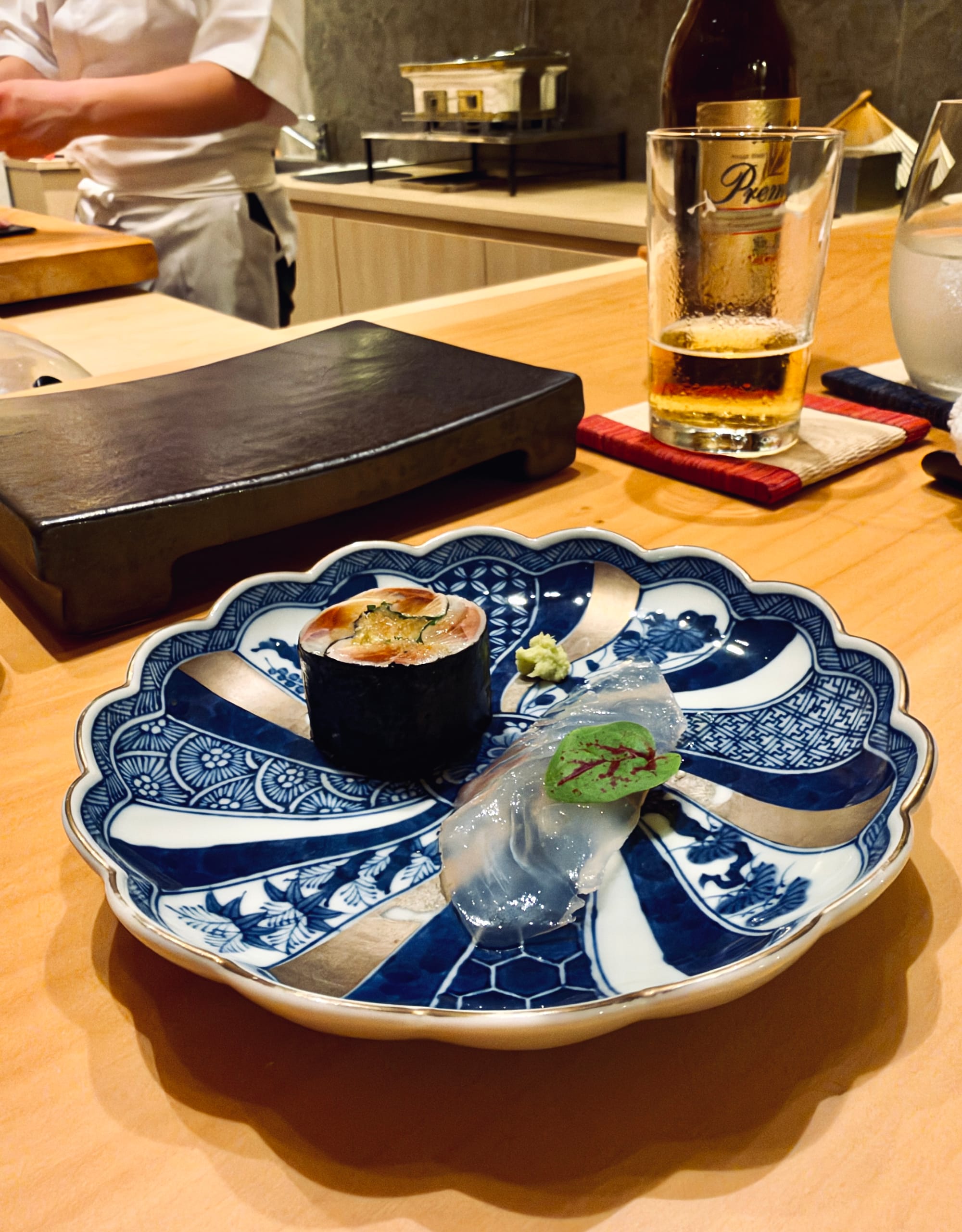
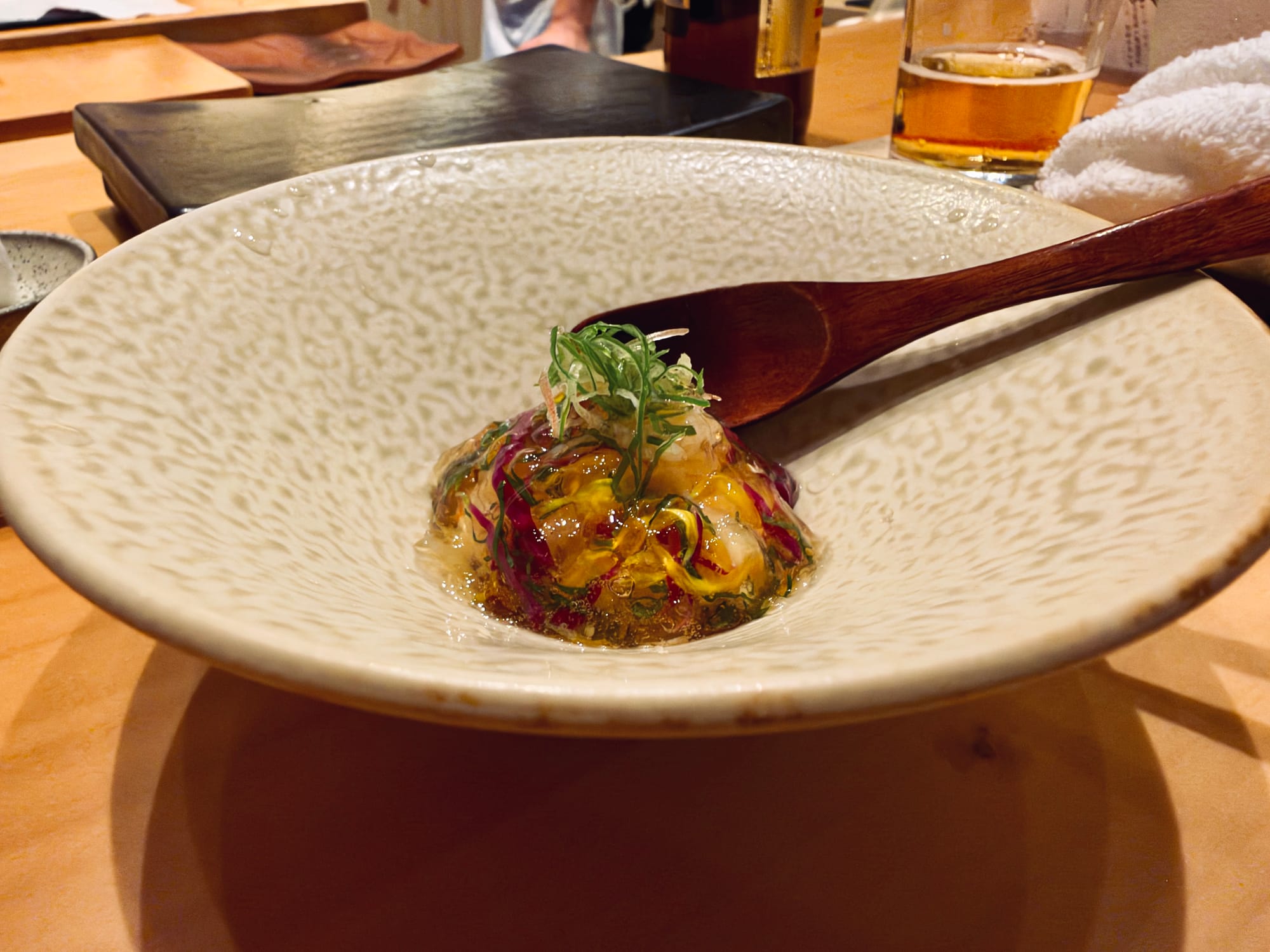
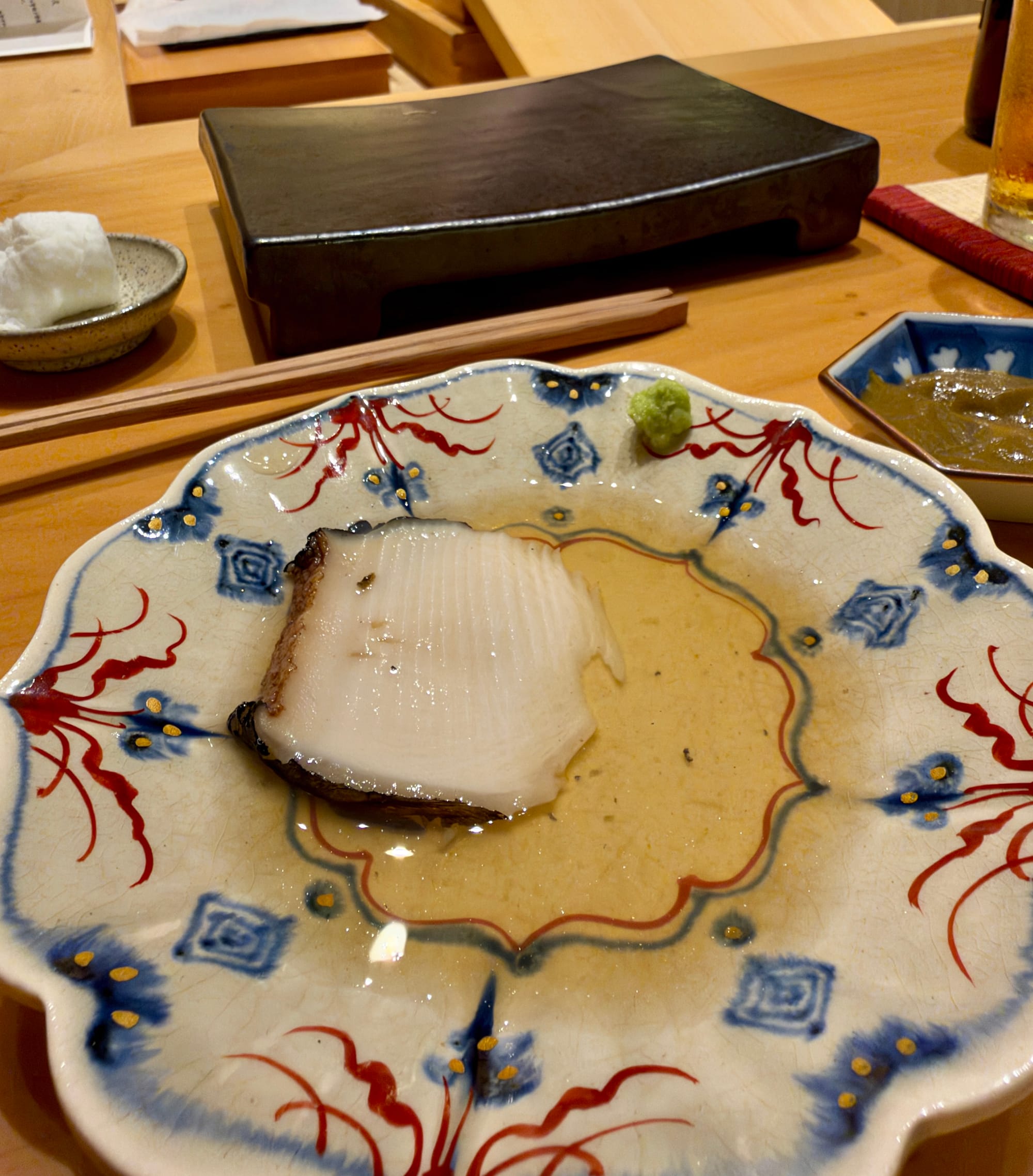
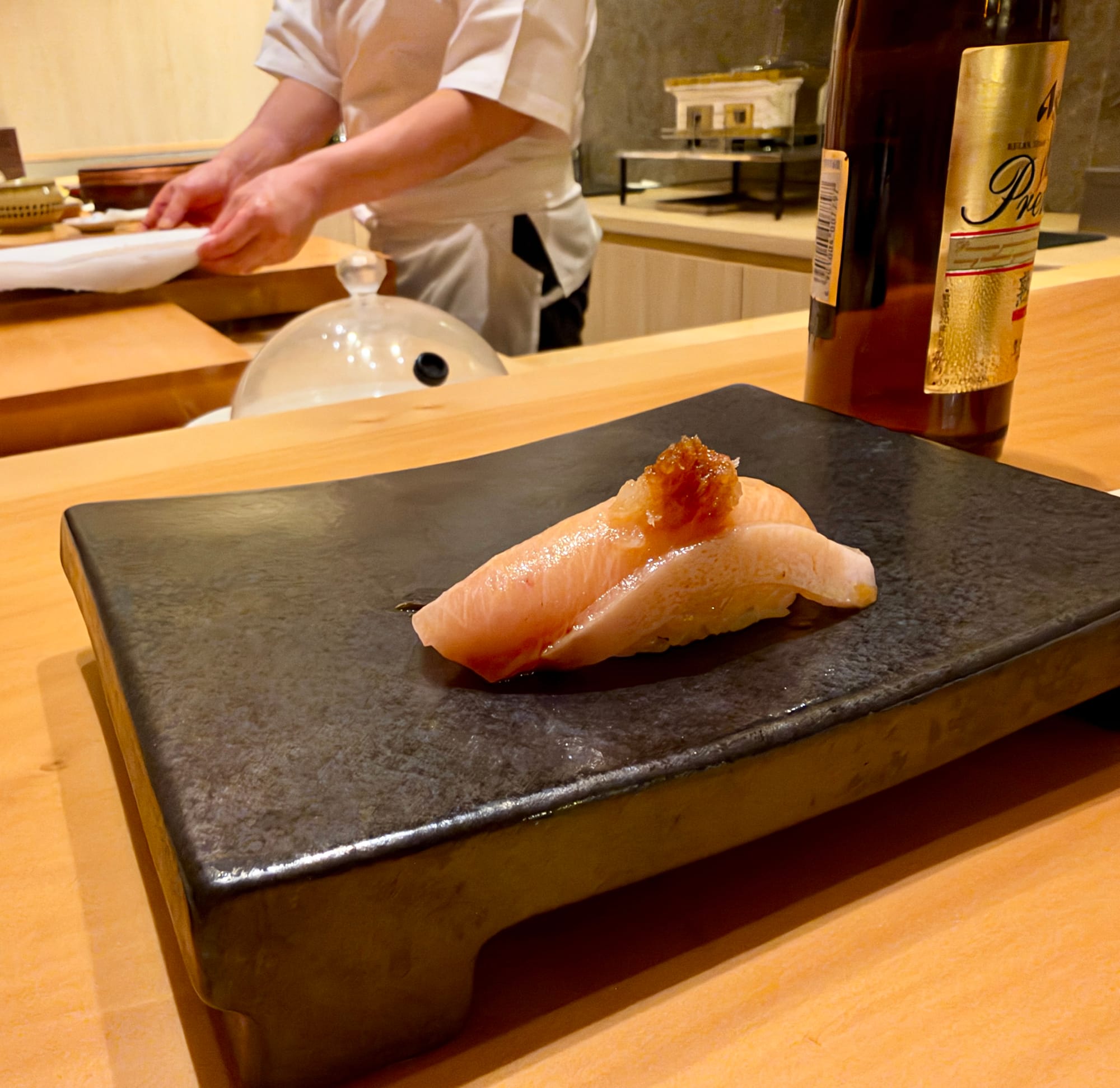
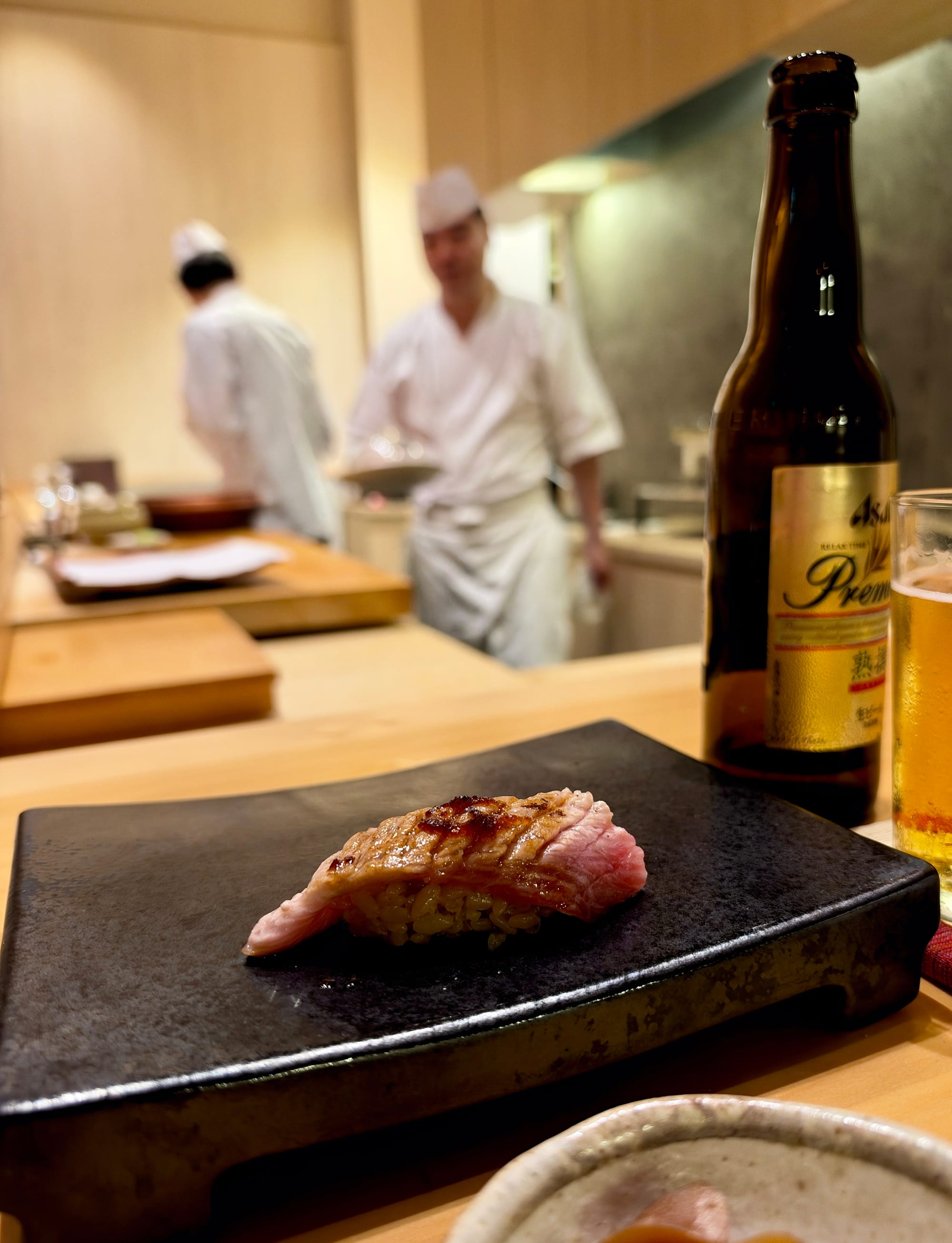
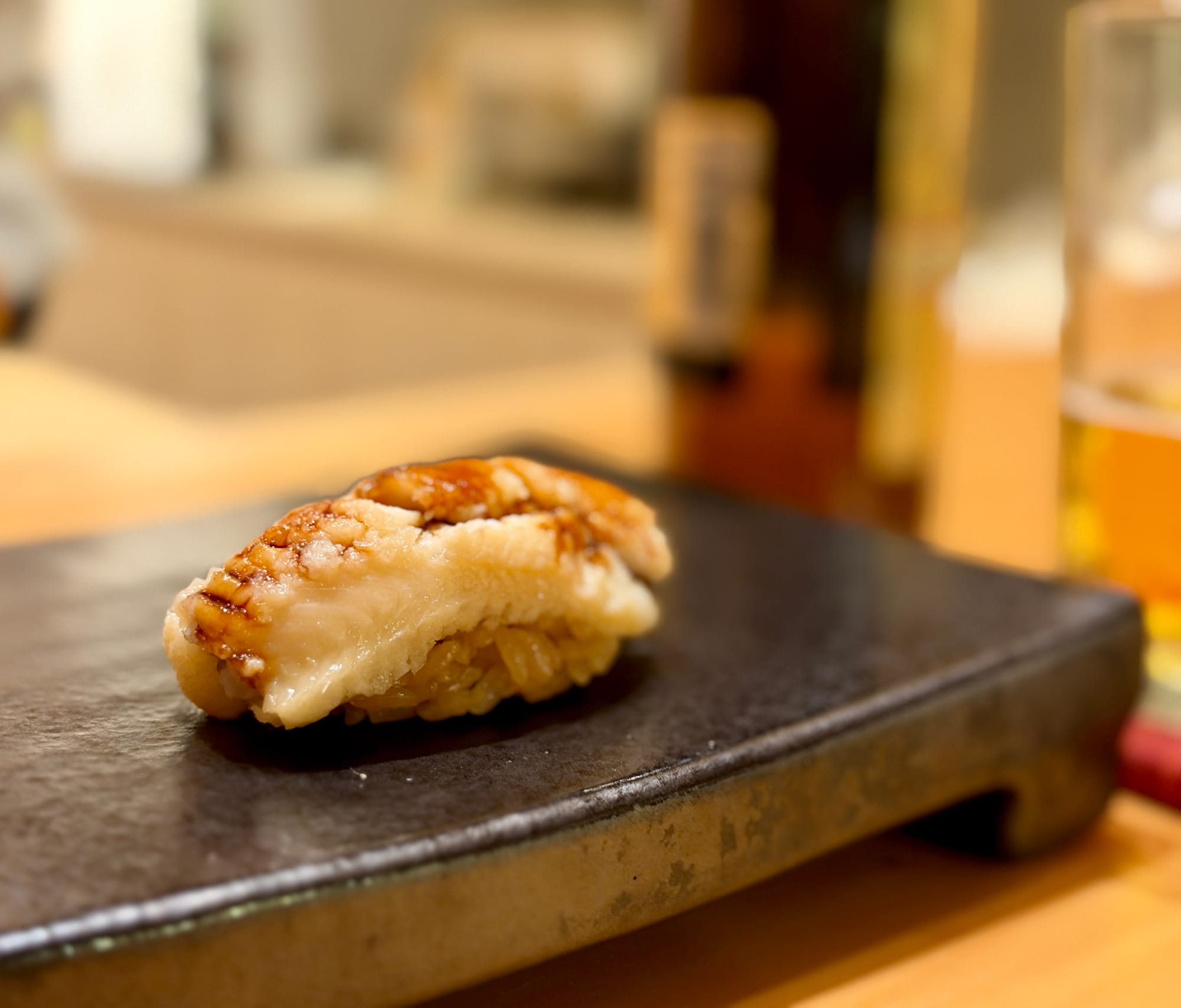
Every bite was perfectly balanced. Whenever the chef served up something like toro belly, there would be a touch of fresh ground wasabi, a squirt of key lime, and a few drops of rice wine vinegar to give an acidic punch to balance out the luxurious fatty tuna.
To say this was good is an understatement. This was mind-blowing, great sushi.
After a week of eating awesome food that was very reasonably priced, it was a nice treat to do one super high-end meal where you get to see what a master artisan working in their craft can do.
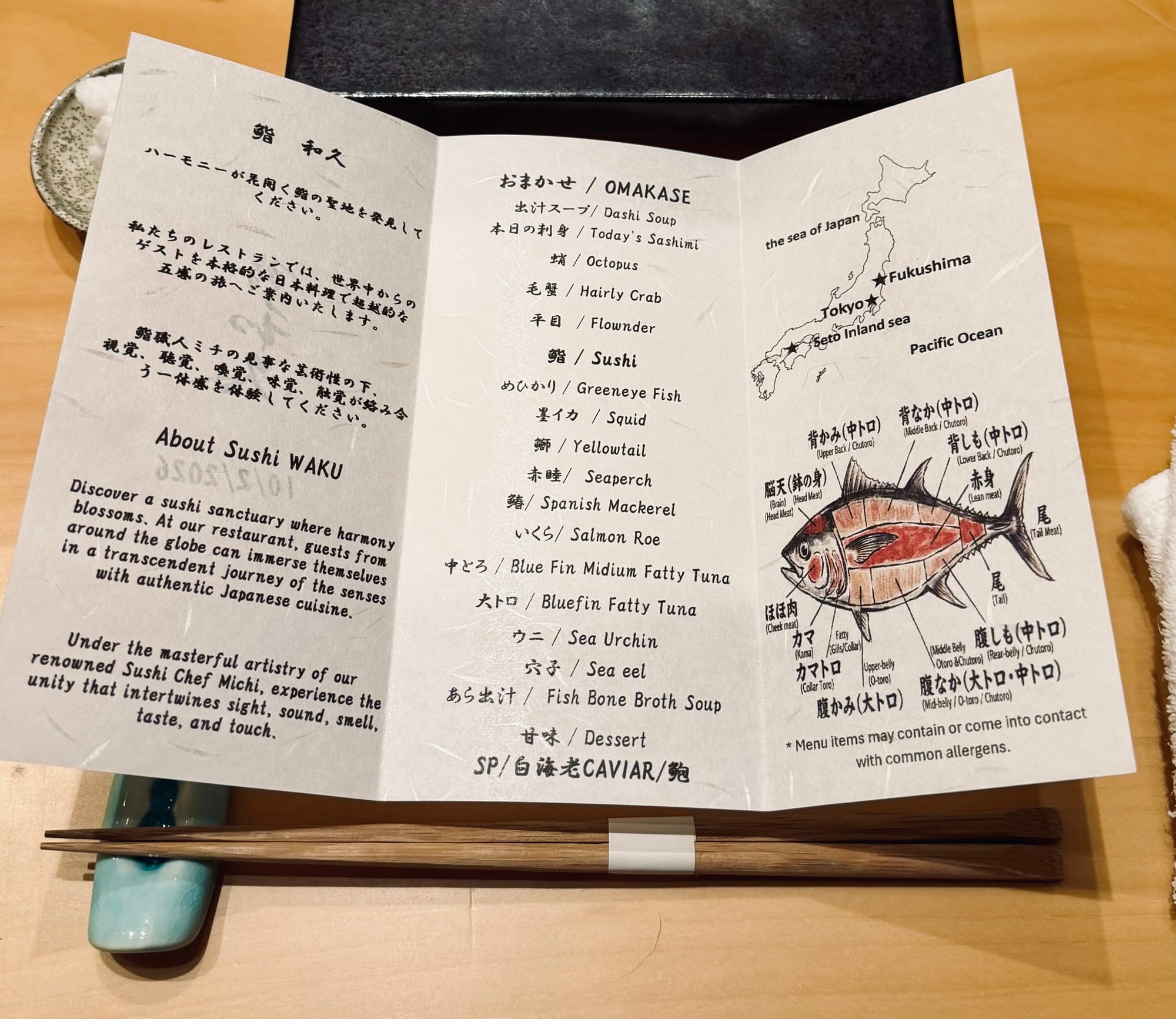
This meal was easily up there with The French Laundry in terms of taste, ambiance, and presentation, and I'll never forget it.
On Saturday, I had a late check out and early evening flight home, so I did more laundry, picked up the last of the knick-knacks I needed, and opted for a "limousine bus" that cost $20 to get all the way to the airport. It was incredibly comfortable and only took an hour from door to door.
My return flight was already upgraded to a business class lie-flat seat at no extra cost, so I got to relax in my own little space all the way home as well.
First thoughts, post-trip
I felt incredibly lucky to take this trip and experience it with friends there. I loved seeing a beautiful new country and getting to enjoy another culture.
I've spent some time in England, Spain, Belgium, Italy, Australia, and New Zealand in the past and though those places had their own ways and vibes, they mostly felt like slight variations on American life. Japan is the first place I've been that truly felt different. The city was crowded but quiet, vibrant but relaxing, and overall, almost everything in day to day life felt like a breath of fresh air compared to how things are done in the US.
I've long heard that Japan was riddled with "hidden rules" and that people there had high expectations for etiquette from visitors, but honestly, everyone on subways and in the city acted about the same way I do normally. It felt surprisingly easy to know how to act in most situations by watching others and just being a decent person to those around you. I'm not generally a loud-mouthed American so I didn't feel like I had any problems fitting in.
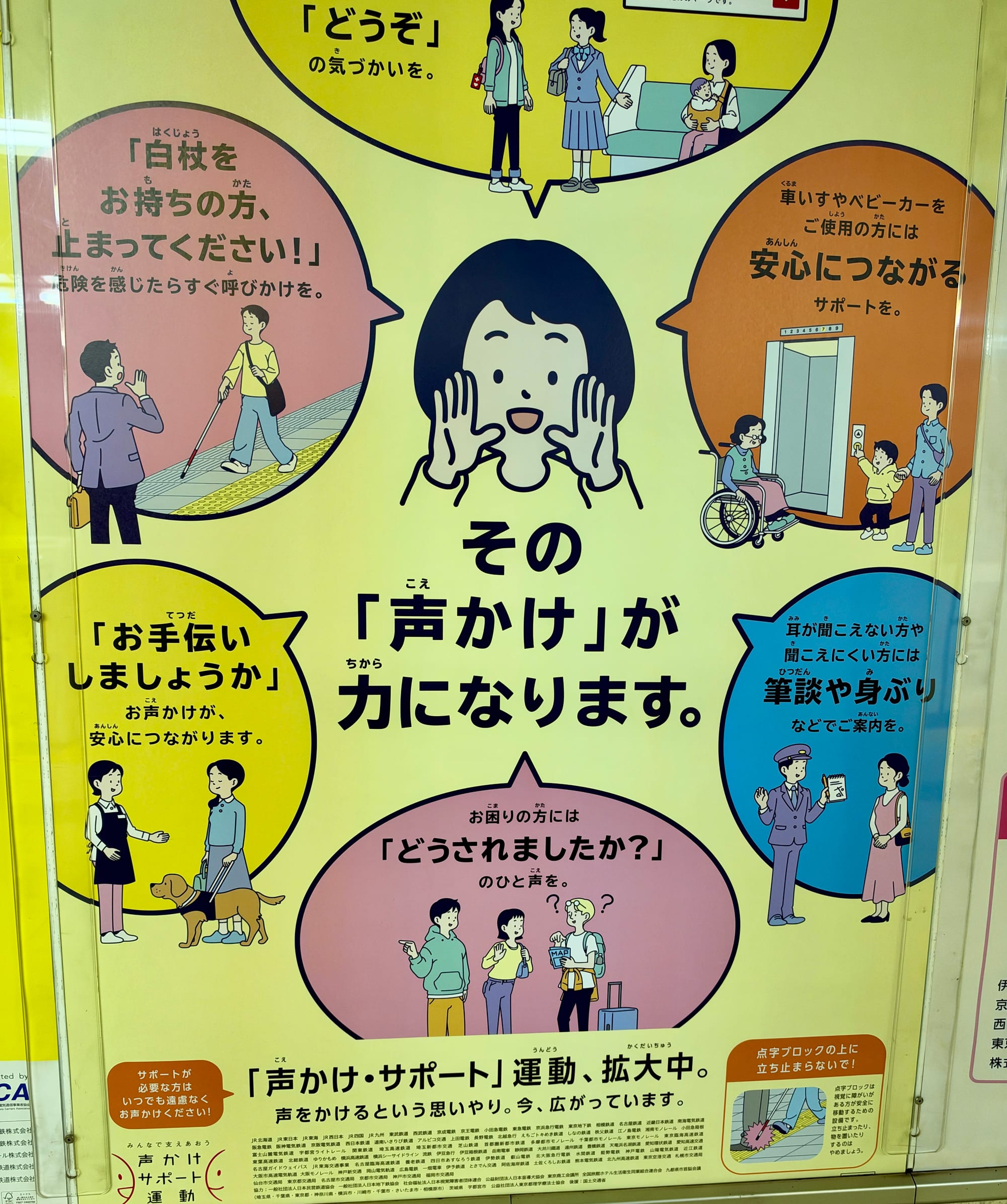
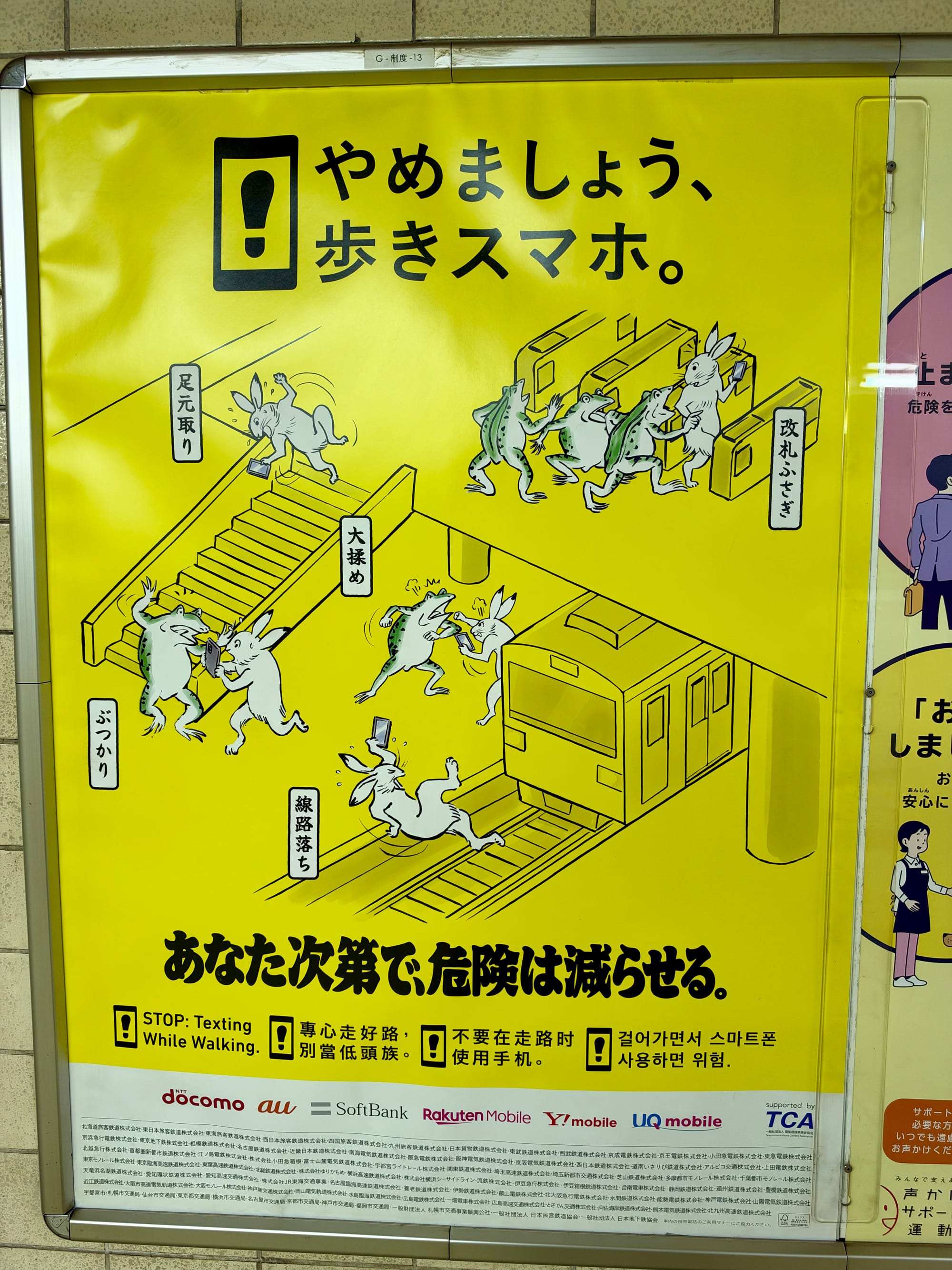
Etiquette posters, the first one says use your voice to help others, the second is all the bad things you shouldn't do in the subway
Tokyo was a dream city for an introvert. Strangers don't talk to you on subways or elevators. I felt calm and relaxed pretty much everywhere I went, and I made sure to step to the left side of escalators and always stay out of people's way in crowded spaces. I could pop headphones in and enjoy music and podcasts while criss-crossing the city experiencing unique neighborhoods.
Some observations from Tokyo
I jotted down a bunch of notes over the week whenever I had an a-ha! moment. Here they are.
There is no such thing as a 5 star review in Tokyo
It was refreshing to see that everything in Google Maps was rated honestly. I even looked up Michelin-starred restaurants to see some with only a 4.2 out of five stars. The amazing omakase place I ate at was the only place I ever saw with a five star average.
Leonard told me before I went that "any food place rated over 3.6 stars in Google Maps will be terrific, better than anything you can get in the US" and he was totally correct. It was honestly refreshing to be in a place where people speak freely about their experiences. In the US, anything less than 5 stars on a rating usually means someone gets fired if you post it, so it's rare to see people rate things honestly, so ratings systems in the US are mostly useless.
Construction sites have dB meters
I didn't get a photo of this but it was awesome to see little digital readouts at major construction sites, one showing the noise levels on the sidewalk, and another showing how loud construction was on the other sides of fences and walls. It reminded me of how during the early years of COVID movie houses in Japan had a CO2 monitor in every theater, with a readout screen in the lobby so you could be sure there was good ventilation happening.
No trash cans was annoying but makes sense
Tokyo is incredibly clean everywhere, but I found it annoying that trashcans were so rare that you spend most days walking around holding a bag of trash until you get back to your hotel to dispose of it.
When I asked locals why trashcans were rare, I learned that the subway sarin attacks of the mid-90s used public trash cans as a vector, so they removed them, then everyone got used to it. It makes sense to me now and I learned to drop things where I could find a rare trash can while out and about (usually inside convenience stores).
Jaywalking is a big no no
My first night in town, I walked to a street intersection that was tiny, maybe ten feet across, but the light and my walk signal were red but there wasn't any car traffic as far as I could see in any direction. I stood there wondering why everyone walking around seemed to obey the traffic lights. A quick web search taught me jaywalking has some stiff penalties.
I never saw anyone jaywalk all week even when there was no one around, but I get that they're doing everything they can to prevent pedestrian deaths and it was easy to just follow the walk signs and wait until I was allowed to cross. The city felt incredibly safe for walking and biking, with lots of physical separation between people and cars, including walls and barriers along many sidewalks next to busy streets.
Respectful queues were a top highlight
One of my favorite aspects of Tokyo was the respectful queuing at every subway stop, at every escalator, and at every street crossing. People are in a rush, but they're not cutting anyone off or looking out for themselves like you see in the US. All the times I was made to wait felt fair as everyone else had to wait as well. I loved the egalitarian feeling of it.
I loved how every subway stop had people lining up to the sides of where doors opened, so there was space for others to get out quickly before new riders funneled in.
I didn't realize how much I enjoyed line culture in Tokyo until I got to the airport for my trip home and suddenly every American on my flight was clogging the gate. I had to squeeze between dozens of people to even board my flight since no one waited until their boarding group was called to stand up. Ah, well.
Parking lots were mostly empty at various attractions
Riding on trains, I often got to see parking lots behind museums, around Disneyland, and at major attractions and the thing that stood out to me was they were usually only about 25% full in the middle of the day. That's what happens when you have a top-tier, expansive public transportation network—no one is forced to drive everywhere and so few people do that their parking lots are surprisingly empty.
The close button on an elevator actually works
There's an old joke that the "close doors" button on American elevators isn't even wired to anything and is just there to appease people into thinking they have control. I believe that because I've never been inside a hotel elevator in the US where the button did anything. In Japan, I got to experience elevators where the button closes doors immediately and it was refreshing. Any time someone stepped out or there was no one on a floor waiting, someone in an elevator would hit the button instinctively and we'd be off instantly. I loved that.
Old people will wake up sleeping people on the subway so they don’t miss their stop
I'd heard people look out for one another in Tokyo but I got to see it first-hand late one night as I was riding one of the last trains of the evening. My subway car was filled with teens that all emptied out at one station right before my hotel, and when one kid was slumped over in his seat deep asleep, an older woman walked up to him, shook his shoulders and poked him aggressively until he woke up. He took off running to catch up to the other kids and didn't miss his stop. The guy was out cold and it took a lot of nerve to get him awake, and a stranger did that.
Accessibility affordances seemed top-notch
As soon as I landed I noticed there were bump strips everywhere, usually marking out the best path through any subway and on many sidewalks. I later learned they're there for people with visual impairments so they know by feel which way to head as well as when to stop when the bump strips go sideways.
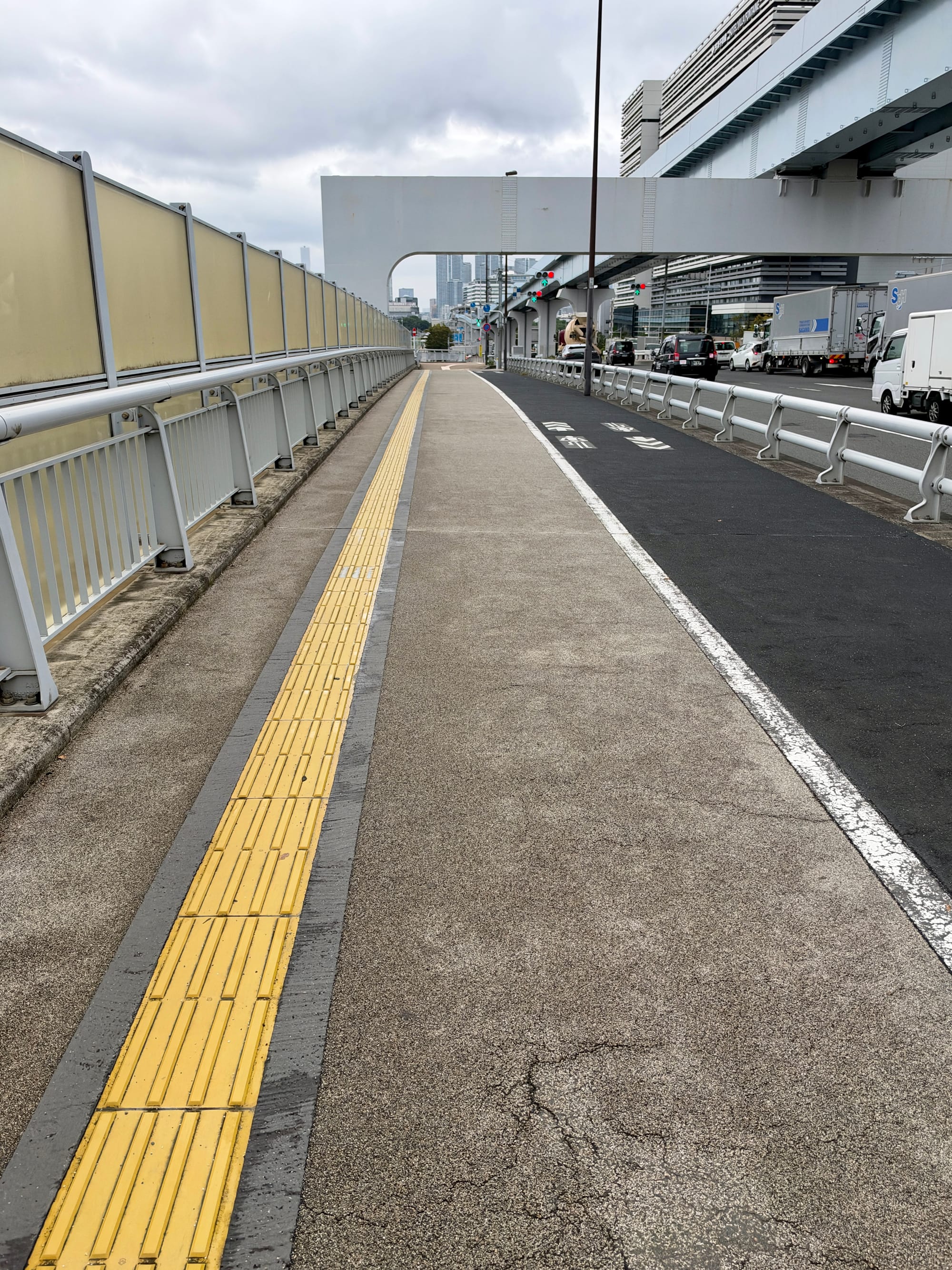
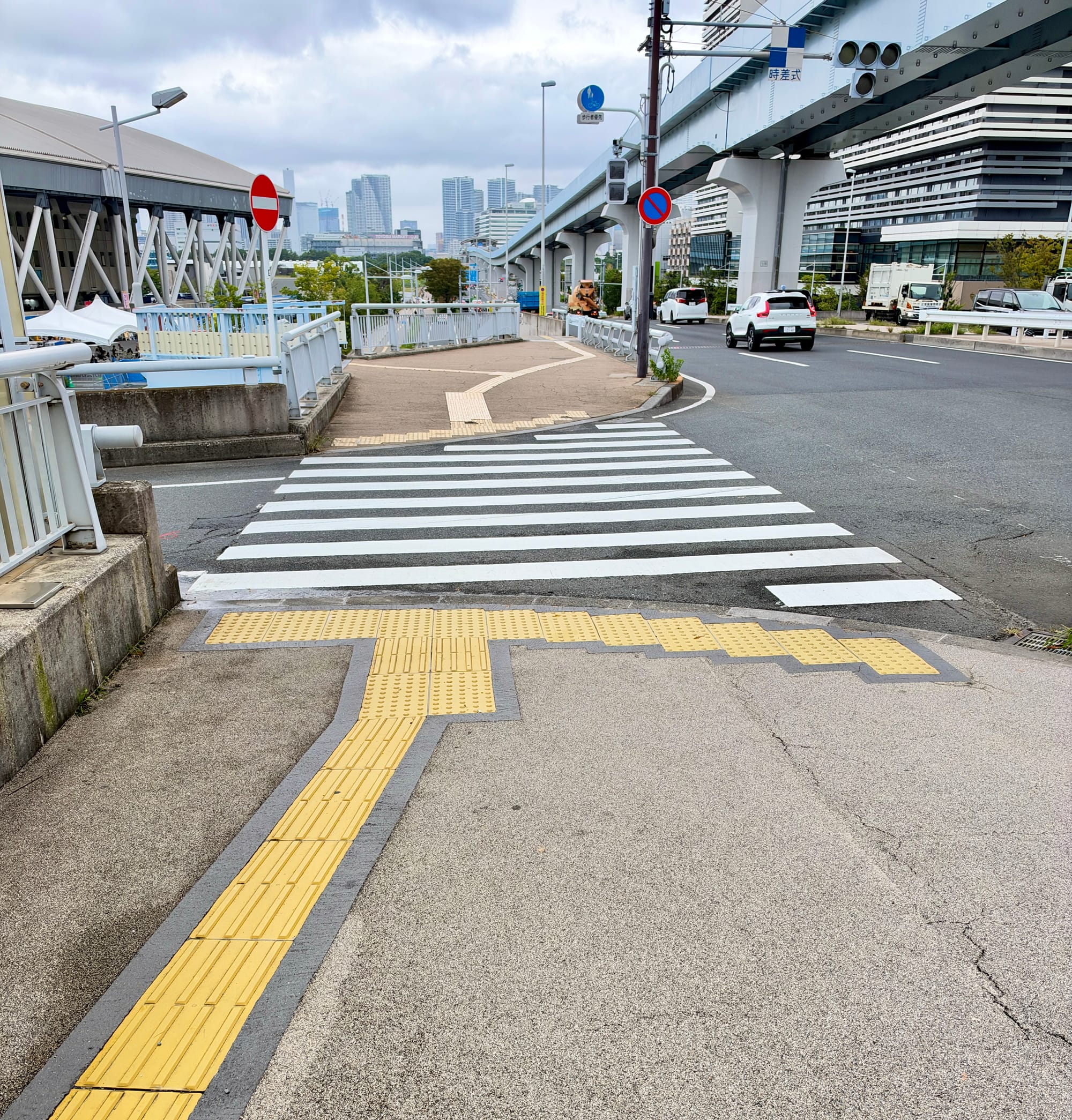
The first time I got off a subway, I heard bird chirps and worried a wild bird got into the station rafters until I saw big speakers overhead and then I realized when there's a transition in a subway, they use subtle audio queues to let visually impaired folks know it's time to pay for a fare or pass through turnstiles.
Mall culture is still alive there
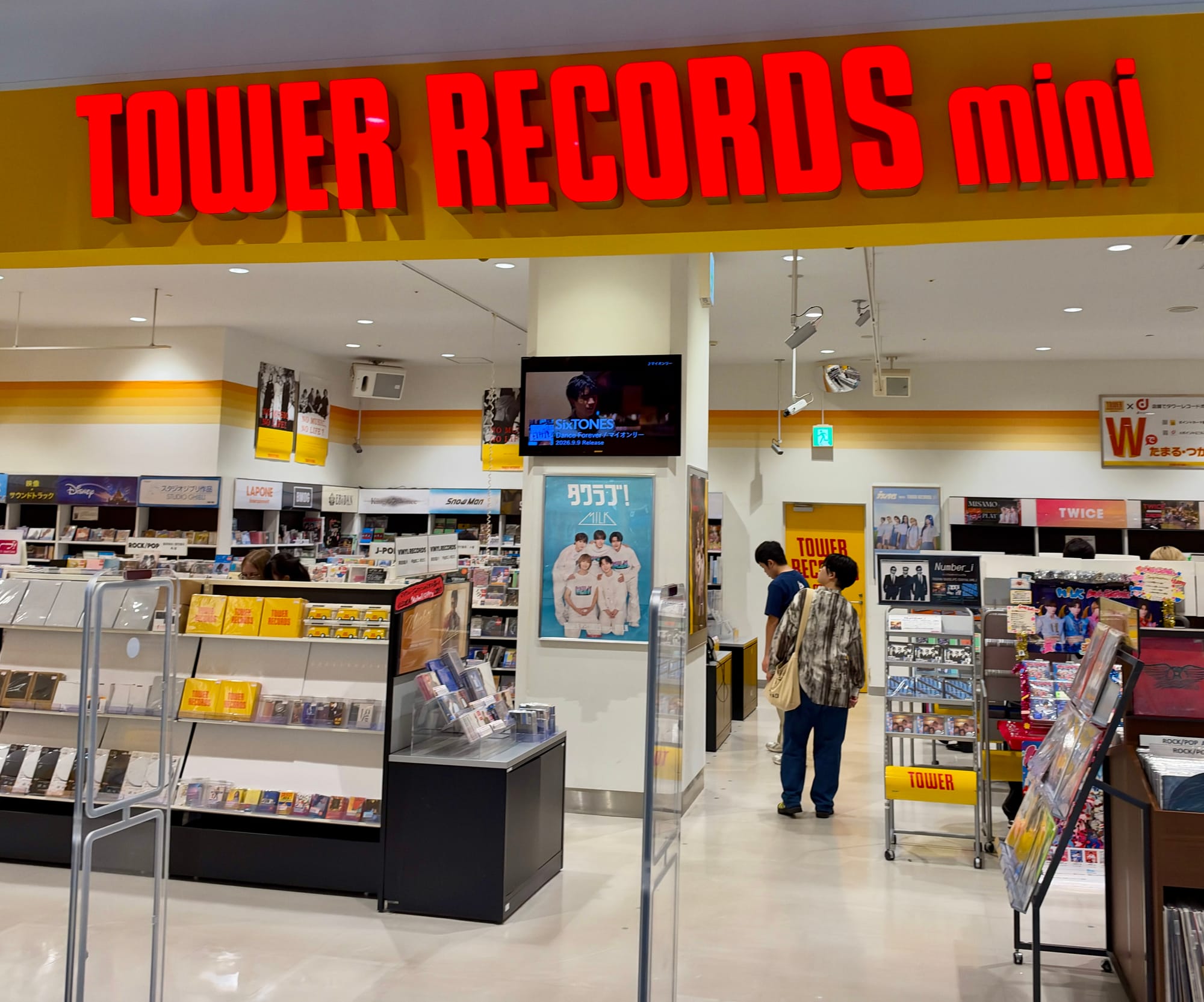
It was fun to see shopping malls still exist in Japan. At first I walked through a few malls on my way to subway stops but eventually I enjoyed cutting through the city using them and just admiring the good old days of wandering a mall and not buying anything. They always had kickass food courts in the basements too.
Everyone seems to wear black and white
I went into clothing stores like Uniqlo, GU, and MUJI and they had lots of nice clothing in various colors, but when you're on a crowded subway stop on a weekday, 99% of everyone seemed to dress in black pants and jackets with white shirts. A local friend told me it was mostly about fitting in and a general sense of not wanting to rock the boat. I boarded the subway each day in brightly-colored clothes and realized maybe most locals save it for weekends?
This friend also explained a general feeling of conservatism in the workforce by saying there's no word in the Japanese language that matches the term "risk" we use in English to describe ideas around entrepreneurism. Instead, the Japanese word it's most often translated to is "danger" which may explain why people seemed pretty reserved in how they dressed.
Tips for anyone considering their first trip
Here's a bunch of things I learned that made the trip go smoothly, and I'll apply these to any future trips to Japan.
Set up a long-press Siri Camera option
You can go into iOS settings and set it so when you press the camera button on an iPhone for a several seconds, the Siri Camera launches directly. This means if you see a sign you want to read, you hold down the button, take a photo as soon as it comes up, then wait a second for Siri to overlay English labels on the image. I found this shortcut made it easy to figure out what a menu or a warning on something said in just a few seconds.
Translation apps are killer
Apple and Google's translation apps are amazing and pretty much removed the language barrier as an issue throughout my trip. And while I never got my AirPods to translate in real-time like Apple ads show, being able to type out text or dictate a voice memo and get an instant translation you could show someone made interactions infinitely easier.
Get a hotel with onsite washer/dryers if you can
Tokyo was much hotter and more humid than I expected. I know most people avoid it in summer, but I was really glad my hotel had a laundry room in the building. I also learned Japanese washer/dryer combos automatically dispense soap and if you don't overload them, the dryer part does work without needing to switch machines. The hotel machines even made you set a PIN code to lock the doors on them, which was nice.
Trains stop at midnight
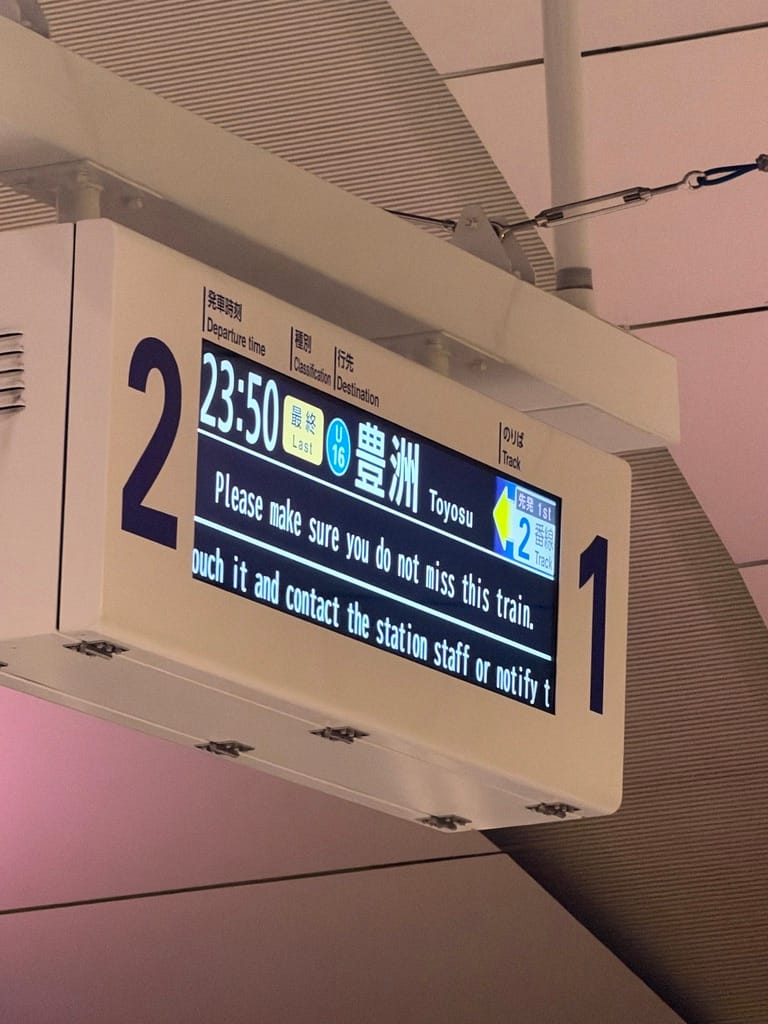
I was kind of surprised to learn the bars in Tokyo have no real closing time or last call mandated, and they all stay open as long as they want, but the subway system pretty much stops cold after midnight. Much like being in London, around 11pm most nights, the stations loaded up with people heading home well before the cut-off.
I was bummed at first since it shortened my nights but as I took more trains I saw that outside of downtown Tokyo most lines were light rail running through neighborhoods, and stopping them at midnight until 6am was a nice thing to do to let people sleep peacefully.
I should have went to an observation deck on the one sunny day I had all week
It was cloudy and rained off and on for most of my week and I only had one clear sky day and I wished I went to one of the many high observation decks in the city. Next time!
If you're on Verizon, get international coverage for about $15 (or get a cheap eSIM)
I've been to Europe before with a Verizon phone and I used to switch to local SIM cards because the international rates were so high. This time out, it only cost me $15 to add unlimited international data and texting to my existing plan, which I can cancel now that I'm back. I was going to rely on a local eSIM, and a week of unlimited overage is only about $25, but I realized I still have too many services with SMS authentication so I needed to be able to get texts on my American phone number while traveling, and Verizon's international plan was perfect for this trip.
A pocket umbrella was killer
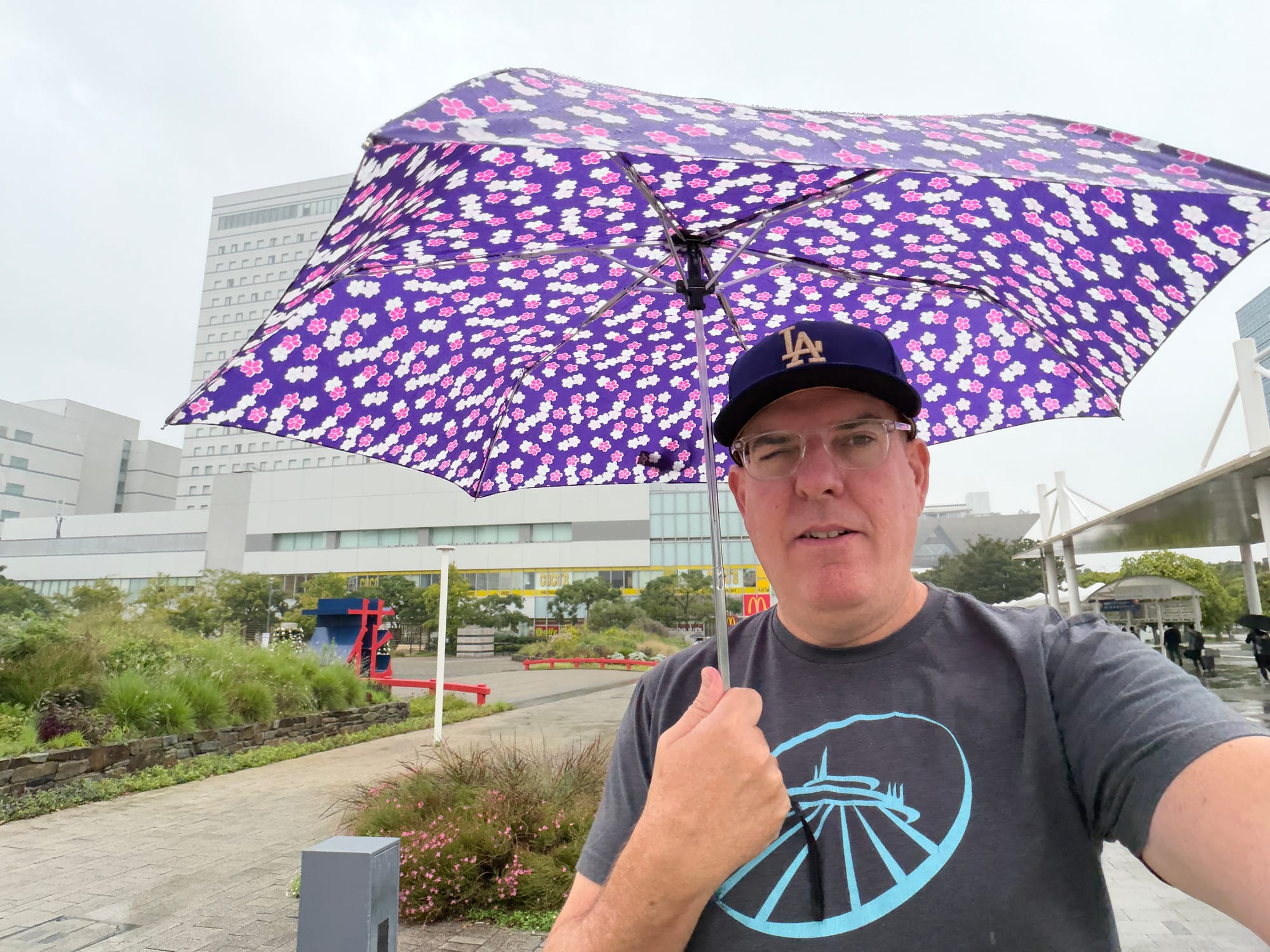
Being that it rained almost every day, I loved the "minimum viable umbrella" I bought at a 7-Eleven for about $5. It folded up so small it fit in the front pockets of my pants, and when deployed was just enough to keep me dry. This will become a permanent part of my kit even when out and about in Oregon, as I really grew to love having just enough of an umbrella on me at all times, easily stored.
Always visit a local supermarket
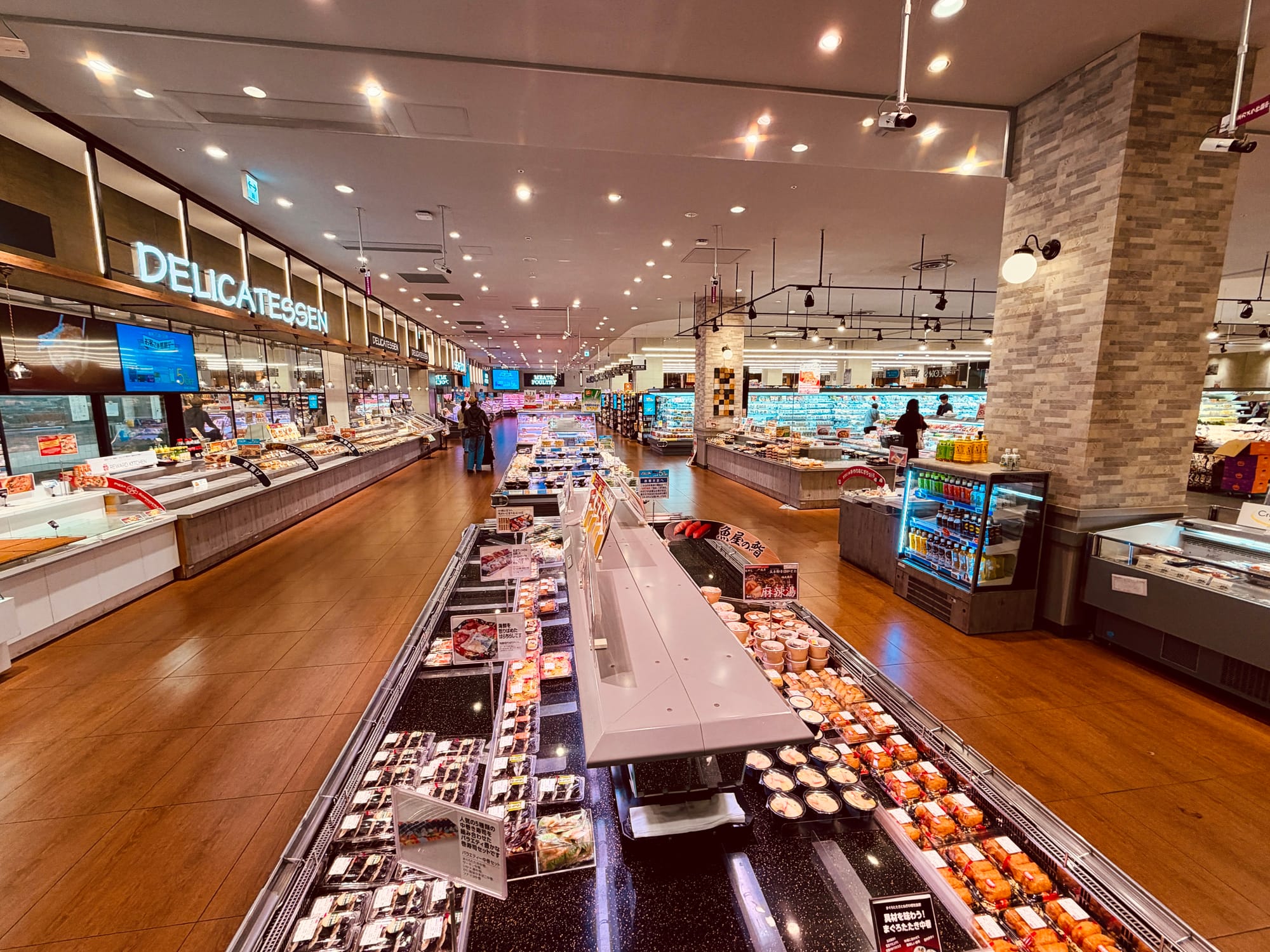
It's a good bit of advice to always visit a local supermarket whenever you're in a new country and the handful I visited in Japan did not disappoint. The meat sections looked incredible, with aisle after aisle of perfectly marbled, delicious looking beef and pork. A lot of supermarkets also had speciality areas with cheesemongers and butchers. Everything seemed high-end and very reasonably priced.
Food was universally incredible
Eating in Japan really was the highlight of the week I spent there. Everywhere I went, from fast food to chain spots to convenience stores to nicer sit down restaurants were all incredible food-wise, across the board. Food was also ridiculously cheap, mostly due to the currently favorable exchange rate with the US dollar.
Japan felt a lot like Italy where I also tried food from every corner of the country and never had a bad bite. Pretty much every single time I got something to eat, it was amazing in some way.
The limousine bus was the best way into/out of Tokyo
I really wished I booked a bus from the airport to my hotel, as it would have saved a lot of headaches and a couple hours from the moment I landed. The limo buses are easy to book online and cheap for what you get, as a full taxi ride from the airport to a downtown hotel can cost a couple hundred bucks.
Google Maps was king
I usually stick with Apple Maps in the US, and I've used a couple different apps like Transit and CityMapper to get around other countries before, but I have to begrudgingly admit that after trying them all, Google Maps was head and shoulders above the rest in helpful, useful features that made sure I never got on the wrong train or got off at the wrong stop. The reviews were also the most trustworthy.
The hotel you choose is not that big of a deal
In all the guides to Tokyo I read before I went, each one featured advice on how to pick a specific cool neighborhood for your hotel where you would base you trip from. I stayed in a clean but boring Hilton business hotel near a convention center on the southern end of Tokyo and honestly, it really didn't matter where I stayed. I made sure my hotel was next to a train station and I used the two nearby lines to access other neighborhoods and places I wanted to visit.
Each day, my schedule was mostly getting out and about by 10am, then going other places and experiencing things until the late afternoon. Then I'd head back, rest, regroup, shower, then head back out for the evening using trains, getting back late at night. I was probably 30min from Shibuya and Shinjuku and it was easy to zip into the middle of town then go wherever I needed to be from there.
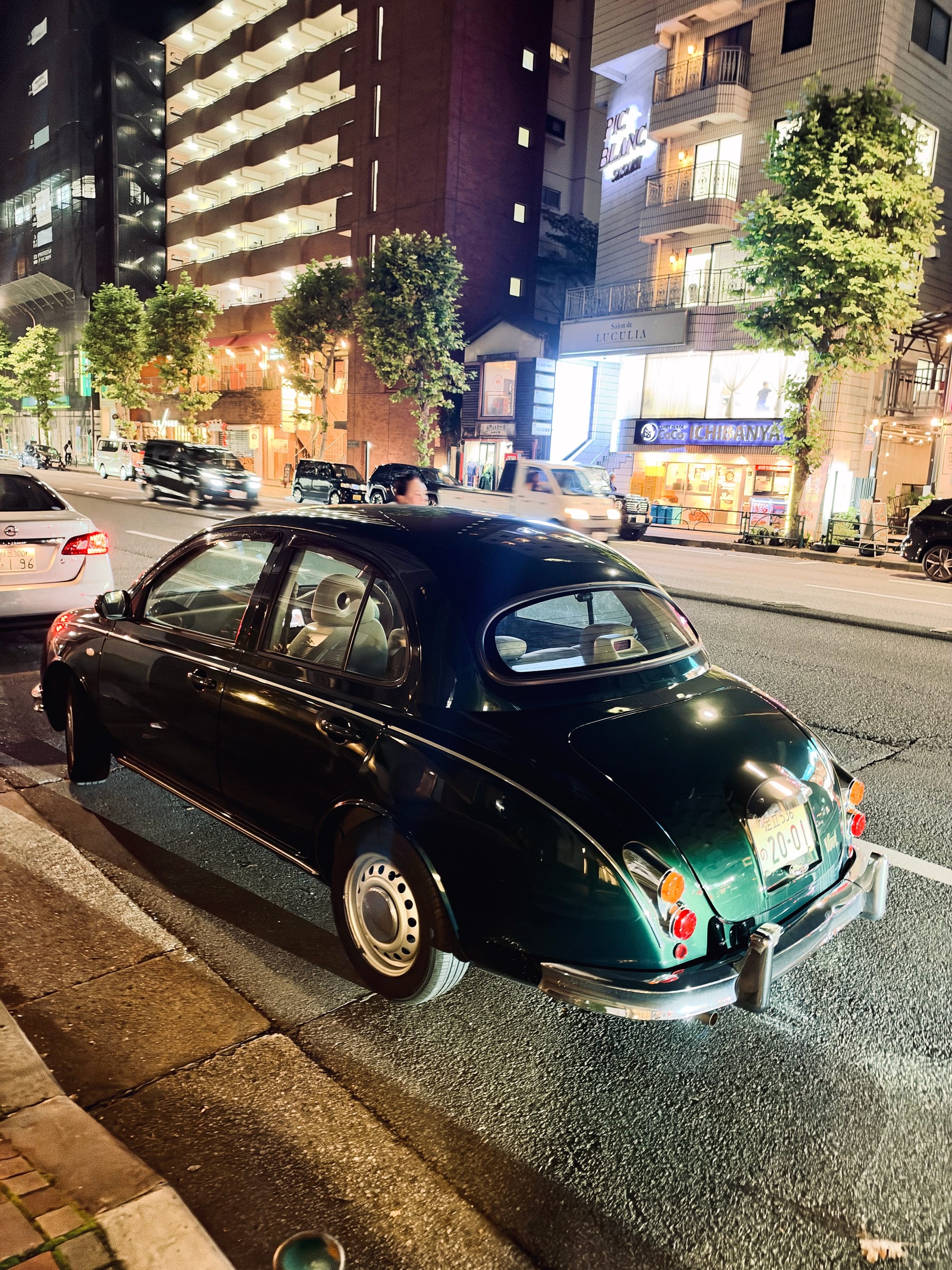
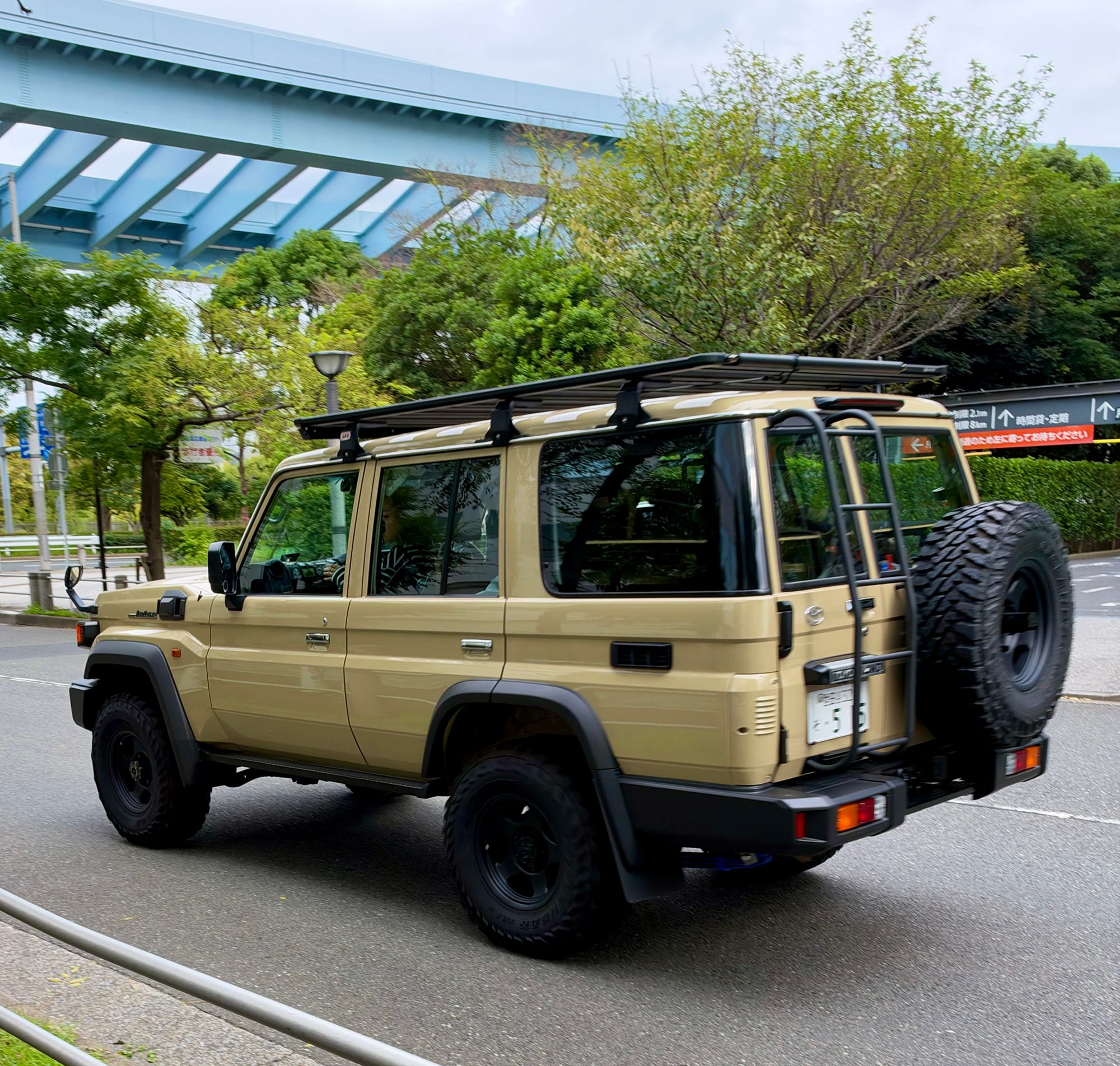
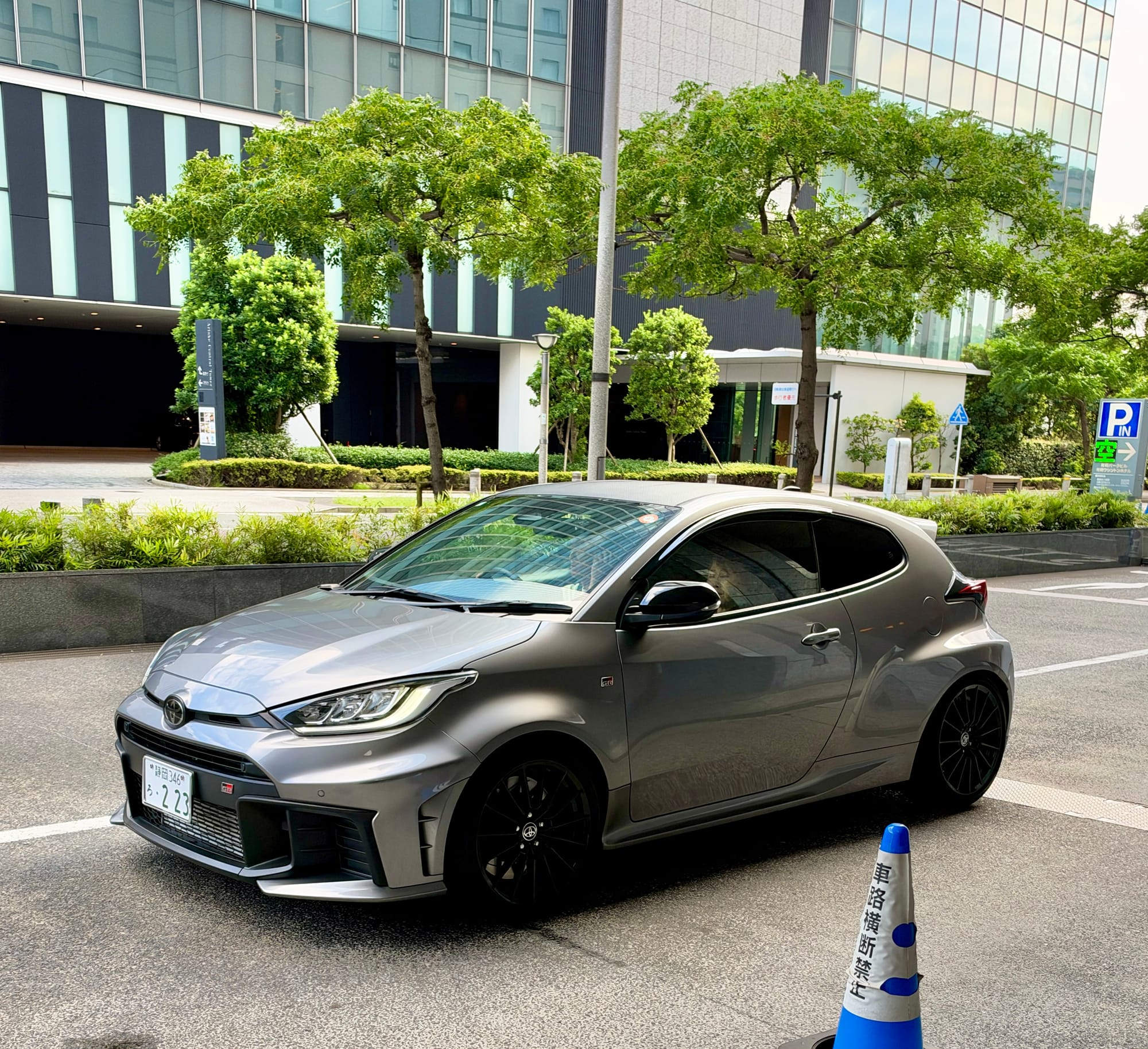
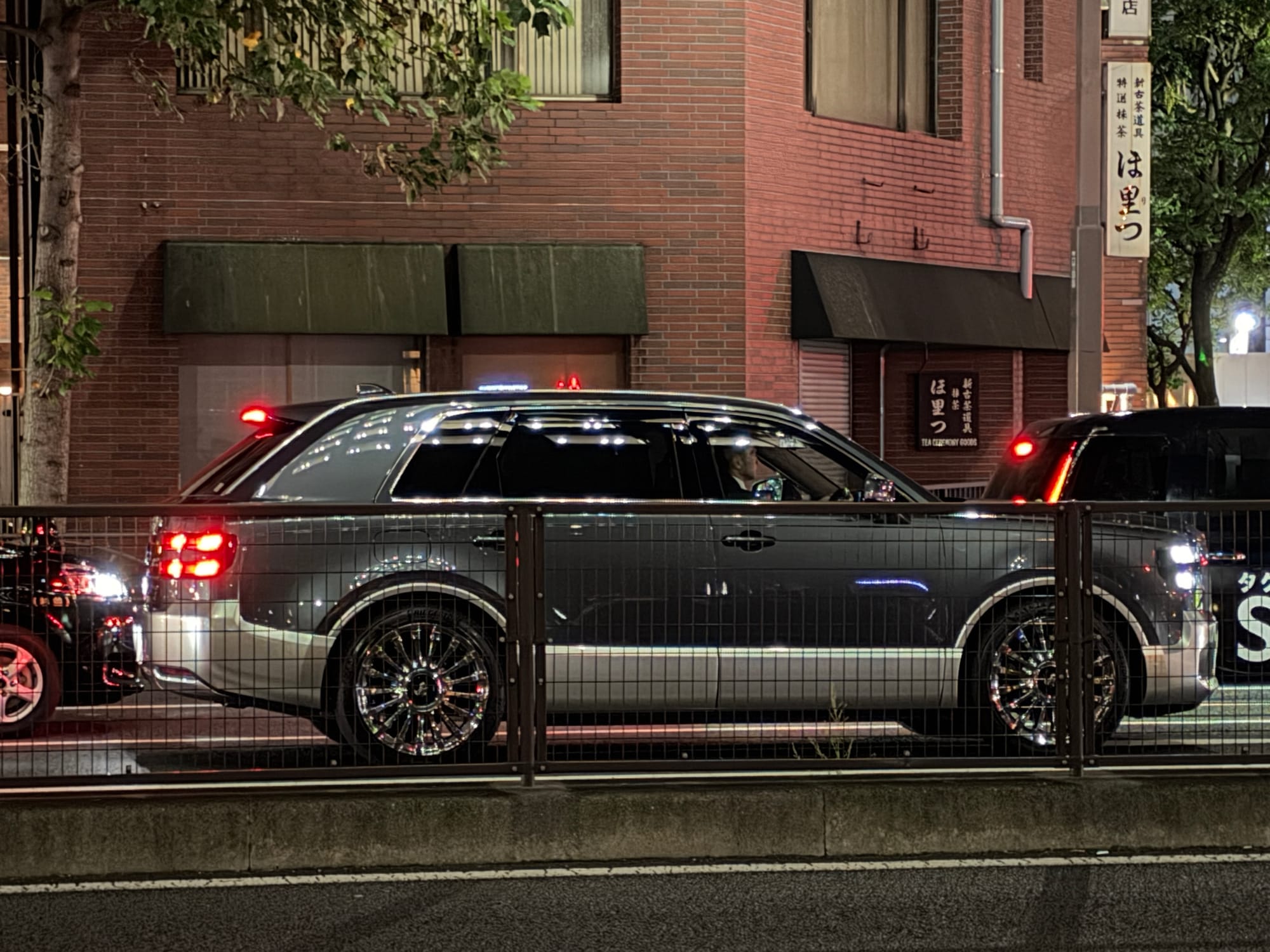
Cool cars we can't get in the USA
Final thoughts
Spending a week in Tokyo was an unforgettable experience, full stop. Even though I was just one among millions I felt the city was way more quiet and relaxing than I expected. It was refreshing to be in a place where society puts the needs of others first instead of the general "gotta get mine!" attitude in the US.
I could sense there was a push-pull of how Japanese people felt around the social pressure to comply with accepted standards, but I did see streaks of rebellion from time to time and I bet the balance between those two viewpoints is constantly moving back and forth.
Overall, it was eye-opening to see what happens when people try to create a more just society and it really does feel different (and much better). I know Japan has its problems with foreigners and outsiders (or even just Korea) but almost every aspect of life felt better as a baseline than what I'm used to in America. Rent is relatively cheap, food is affordable and high quality. The healthcare system is so good people literally live longer lives in Japan than anywhere else on earth. The train system was incredible and I loved simply jumping on a train for a couple bucks, whisking away to a new neighborhood, and getting to experience another aspect of a sprawling metropolis.
This trip will definitely not be my last to Japan and I hope to make the country a regular destination to revisit every few years going forward.