The best Bambu Labs 3D printer to get started with

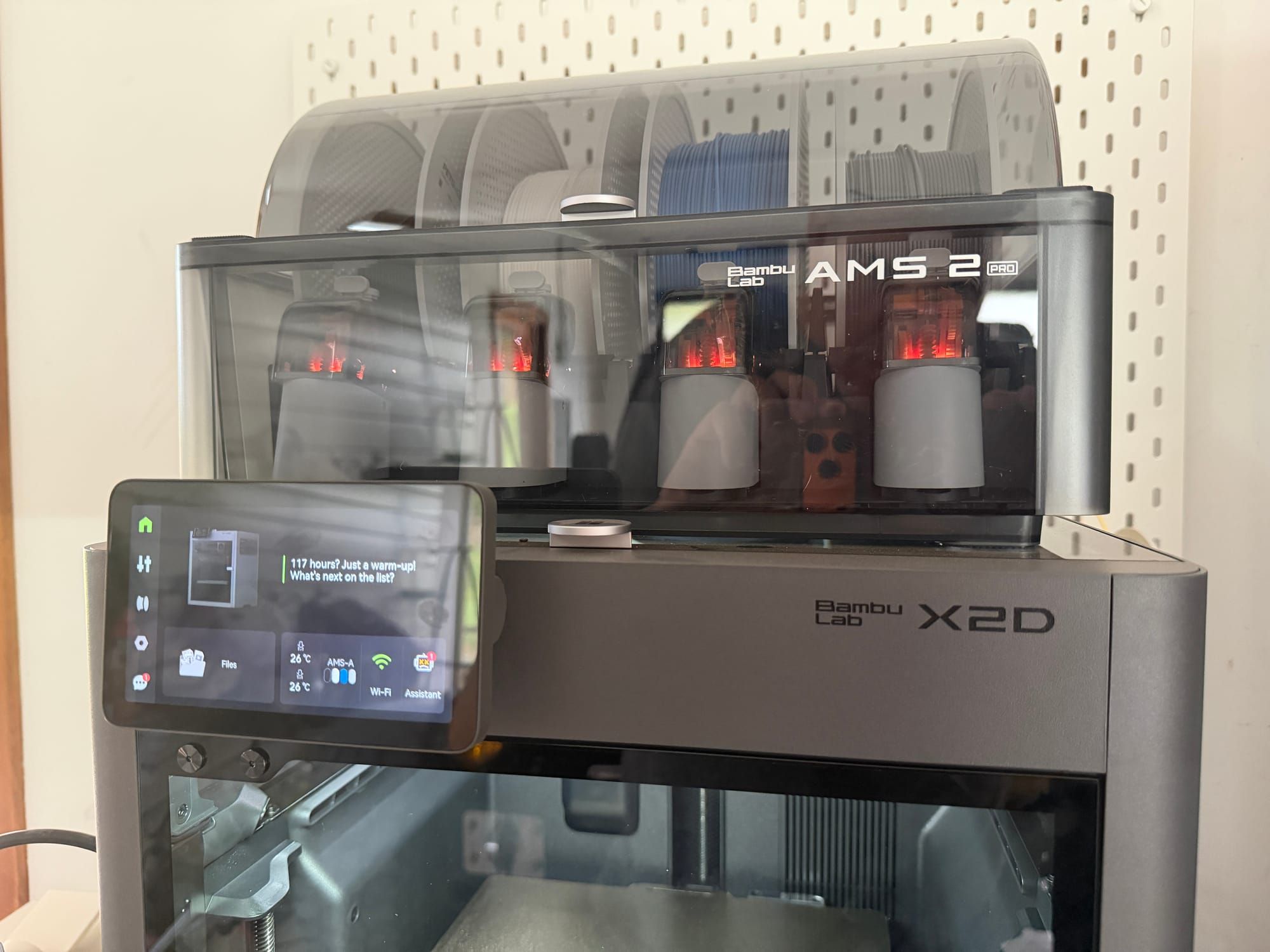
In Fall of 2024, I figured it was time to finally get into 3D printing since the hobby had been around for a good ten years, and the things I was hearing about the latest printers were really sounding good.
Bambu Labs threw a Black Friday sale online that year and I bought my first stripped down A1 printer for $199. I spent about $100 more on filaments, and started dipping my toes into the hobby soon after.
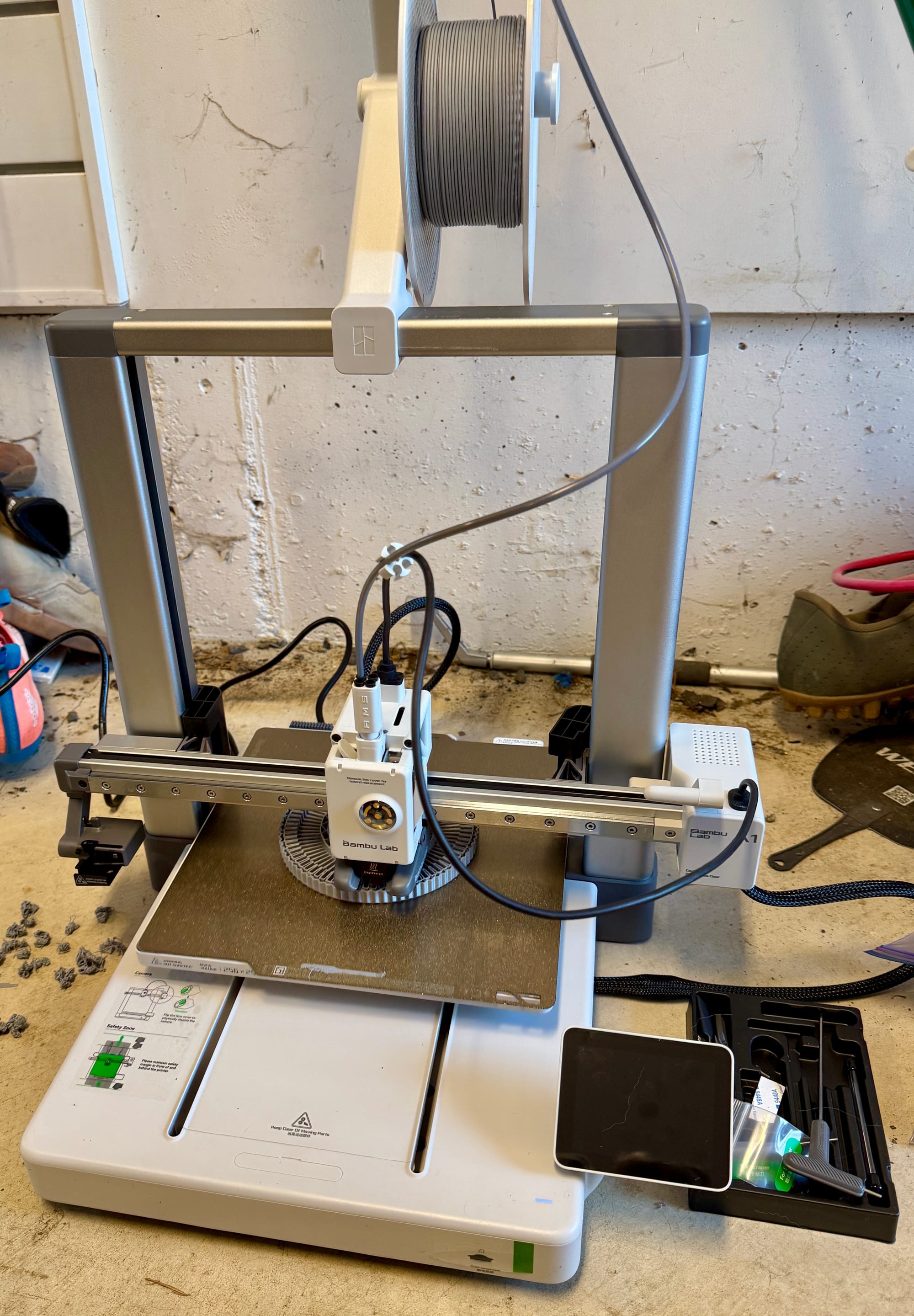
My year and a half of 3D printing adventures
My first month was spent riding a steep learning curve, but I began to understand why 3D printers are a good thing and I had a lot of fun doing it. As I gained experience and spent hundreds of hours printing all sorts of items, I started to notice flaws and spent the next year chasing them down one by one.
This reminds me of my off-roading hobby, where if you get newer, bigger tires to gain ground clearance and traction for your vehicle, you also need to upgrade your axles to handle the extra weight, but then you need more robust gears and driveshafts and better suspension, and the upgrading continues until you've replaced almost everything in the entire drivetrain with more substantial versions, because if you don't, you tend to break everything one by one up the chain.

3D printers can be a lot like that.
Color
At first, doing a single color spool at a time was fun but there were so many great utility builds that needed labels in a second contrasting color, and changing filaments was a whole 5-10min process to do by hand. So I got a AMS for it that could auto-switch between four different colors of filament and that opened up a whole new world of possibilities and kept me having fun for months.
Filaments
Over time, I realized the simple PLA plastics I used often warped or cracked out in the real world so I got into higher strength, higher temperature filaments like PETG with carbon fiber additions. But that meant I also had to change out the print heads to more robust models in different sizes, and some of the best ones were over $100 each!
Environment
I put my printer in the garage so I wouldn't have to worry about dangerous fumes inside my house, but without any sort of climate control in a garage, that meant temps and humidity fluctuated wildly from print to print, and print quality varied. I spent a month learning about desiccants and proper storage of filaments into temperature controlled, air-tight boxes and those slightly improved my prints.
Double the fun
I found another used A1 cheap on Craigslist and got it, intending to set it up for high strength PETG models, while my other A1 could continue creating easy parts with four colors of PLA.
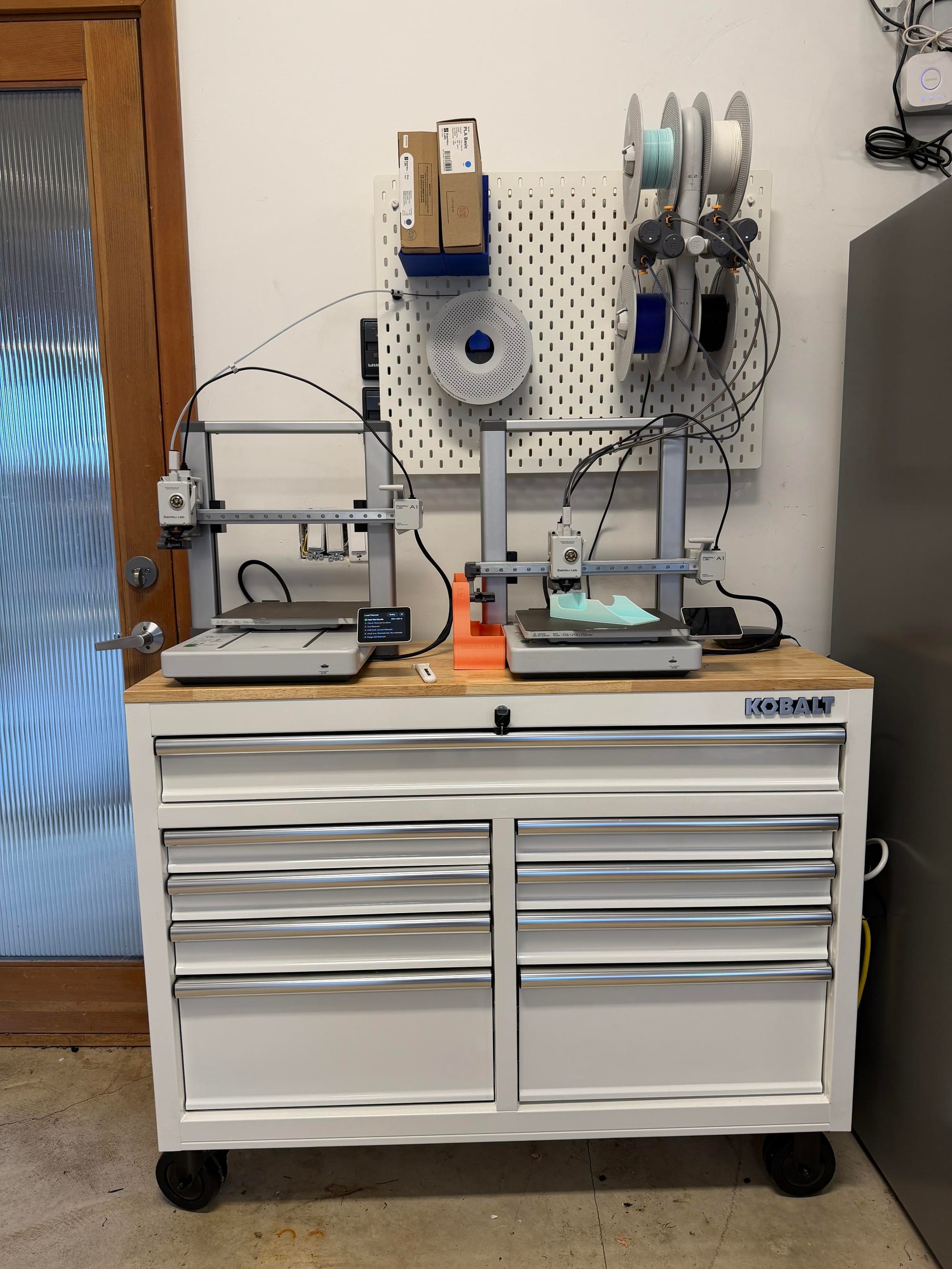
But like I've heard from friends with twins, it's not just double the work, it's much more as I was dealing with multiple issues on two different printers with different settings and different print heads and different filaments in a varying environment.
Print heads started clogging regularly and I had to learn how to painstakingly fix them. To date, about one in every 20 prints would end up in a giant spaghetti plastic mess in my garage, then then it started happening about twice as often.
The times that both printers were fully operational and working flawlessly started to become so rare that I had to take a step back and wonder if there was a better way than constantly chasing down problems with incremental (and expensive) upgrades that never fully solved my problems.
I began to realize I might have pushed the limits of the A1's open air design and I should probably start looking for Bambu Labs' enclosed, higher end models to prevent a lot of the variability I was experiencing. I started with a $199 printer on sale, but now I was well over a thousand bucks into it with various upgrades and experiments, and not having as much fun as the start of it.
Time for a reset
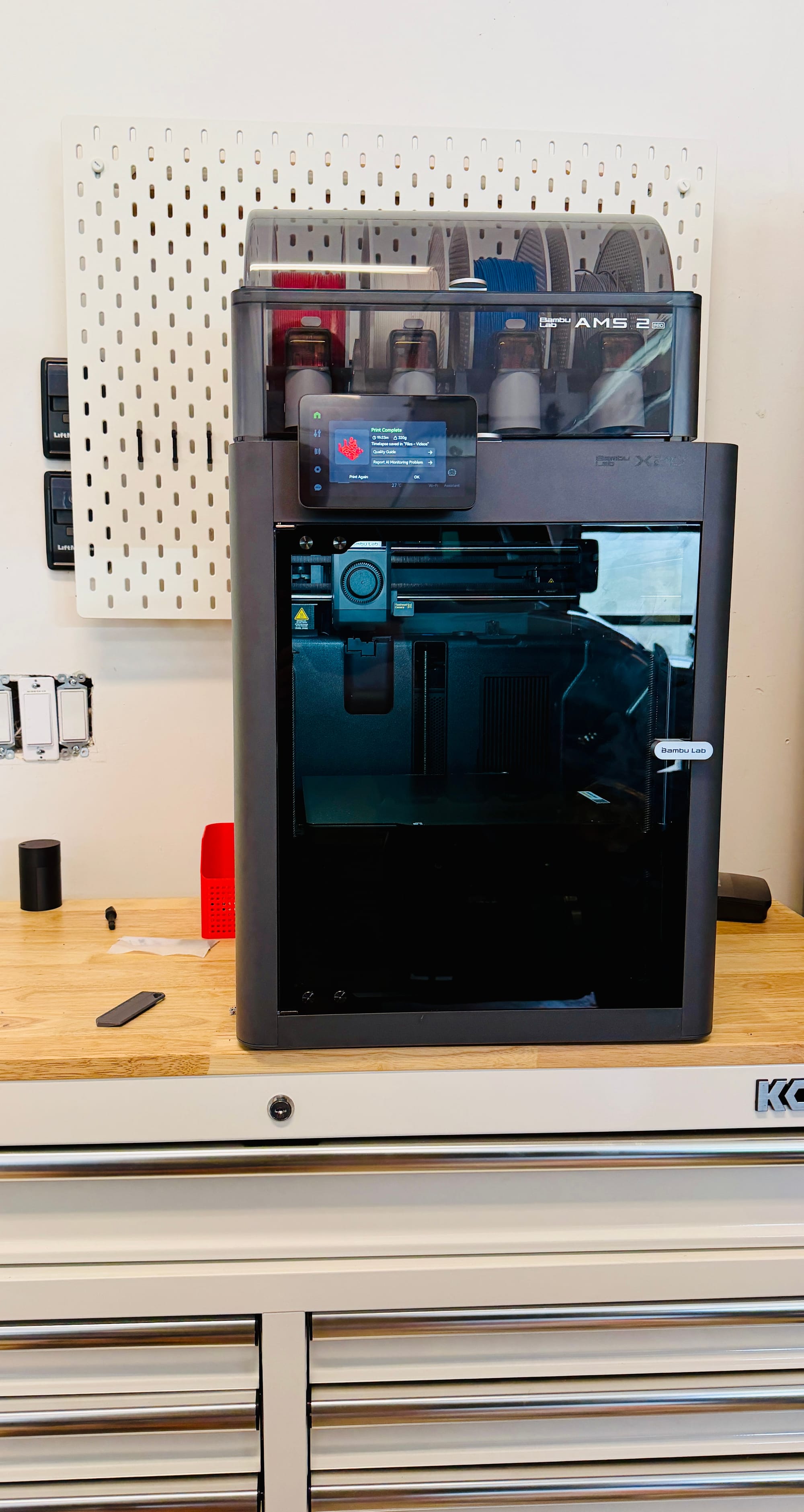
Just as I was weighing my options for a higher end printer, Bambu Labs released their new X2D model. This has almost every option you'd find in their older $1200-1500 printers, but the X2D starts at $649 and was only $899 with the full AMS 2 Pro setup (always get the AMS setup). I ordered one immediately while I came up with an exit plan to unload my other printers.
The X2D arrived and I set it up and it did all the test prints flawlessly. I wired up the second print head to a fifth, extra spool of contrasting color but I'm still learning how to have it print all support material with the extra spool.
I've already spent a couple hundred hours printing with the X2D with various filaments and I have to say almost all my problems with 3D printing are gone. The device controls temps and humidity automatically. It can handle PLA and PETG and TPU and ABS filaments by changing settings and temperatures on the fly. It has a better camera system that can spot flaws and pause prints the moment they get out of whack, preventing a ton of waste. It is doing more than the work of my previous two printers, flawlessly.
In the couple months I've been running it, I've never had a clog, I've gotten to try out lots of new filaments I couldn't use previously, and the print quality is better. The most important change is that prints are much more predictable and reliable. The X2D took 3D printing from a niche hobby with lots of tinkering to something more akin to a toaster oven that almost always does a great job whenever you toss anything into it.
If I were getting into 3D printing today, I would strongly suggest the $899 X2D model with the AMS module. It's a "buy once, cry once" kind of thing, but it solved every problem I faced over the last 18 months and brought back all the fun to 3D printing thanks to its reliable output and smart features.
What do you even print with all this capability?
The most common question I get from friends is why they should even have a 3D printer? What can you do once you figure out all this pesky stuff?
It's an easy thing to answer for me personally.
I started printing out common toys and objects that ended up around the house, but quickly learned you can fix pretty much anything that annoys you in your home, car, or office. Chances are someone, somewhere on earth has figured out a better way to add a better cupholder to your car, a phone charger that will fit and match your desk, or even a better way to organize your file cabinet drawers. For woodworking, I use a ton of 3D printed things to draw, calculate, and clamp various things together. You can grab precision calipers to take a few measurements, then find pre-made models that hold your plywood perfectly into 90º boxes as you assemble flawless drawers.
You can search for what you need on your phone and tap a couple buttons and it'll be printing what you need in your garage. You'll get a notification and a photo of the completed object when you're done. These days I'm also creating things from scratch to solve problems in my house (like our leaky shower) and learning the ins and outs of apps like Fusion360 to build what I need.
3D printing is a great hobby that comes in clutch time and time again, so much so that I'm pretty much printing at least one thing a day that fills some need in my life. After 18 months of tinkering, I can't imagine not having a 3D printer around and would strongly suggest the X2D is the one to get started with that will cover your needs for a good long while.
