E-bikes are a thorny issue for trails and parks

I ran across this article on the LA Times site about the friction developing around shared trails in the Los Angeles area between e-bikes, bikes, horses, hikers, and dog walkers. It does a good job summing up everyone's issues but it barely scratches the surface of just how complicated trying to regulate e-bikes can be.
 Jack Dolan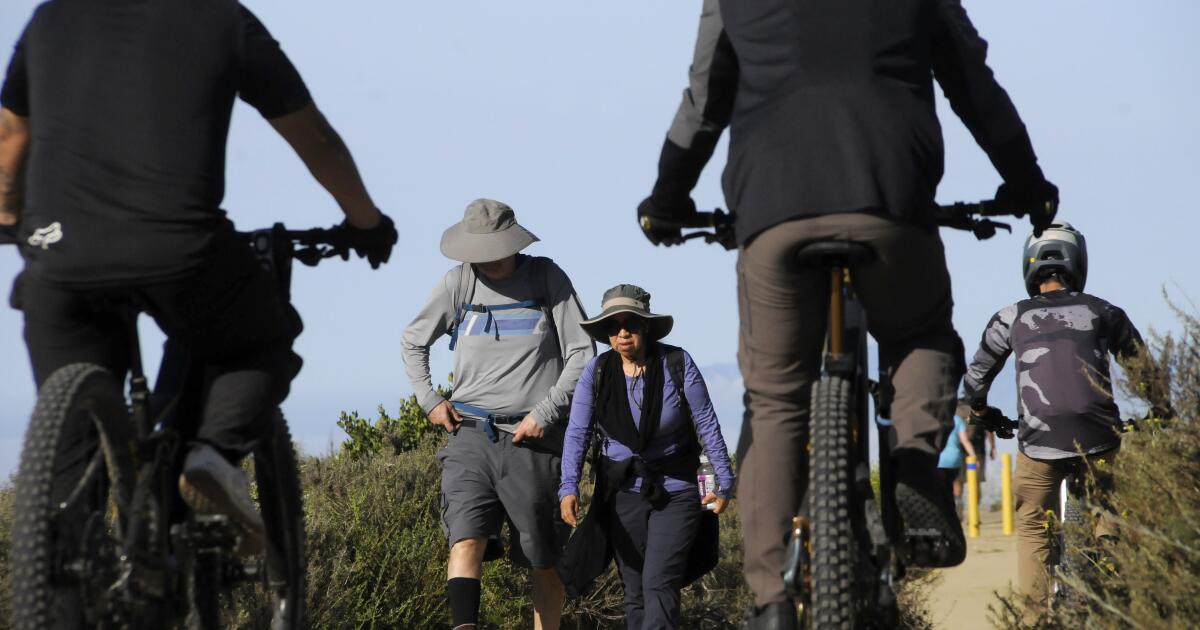
I want to walk through all the competing viewpoints, hopefully giving everyone some background context on how hard it is to develop future laws around these devices.
My bona fides
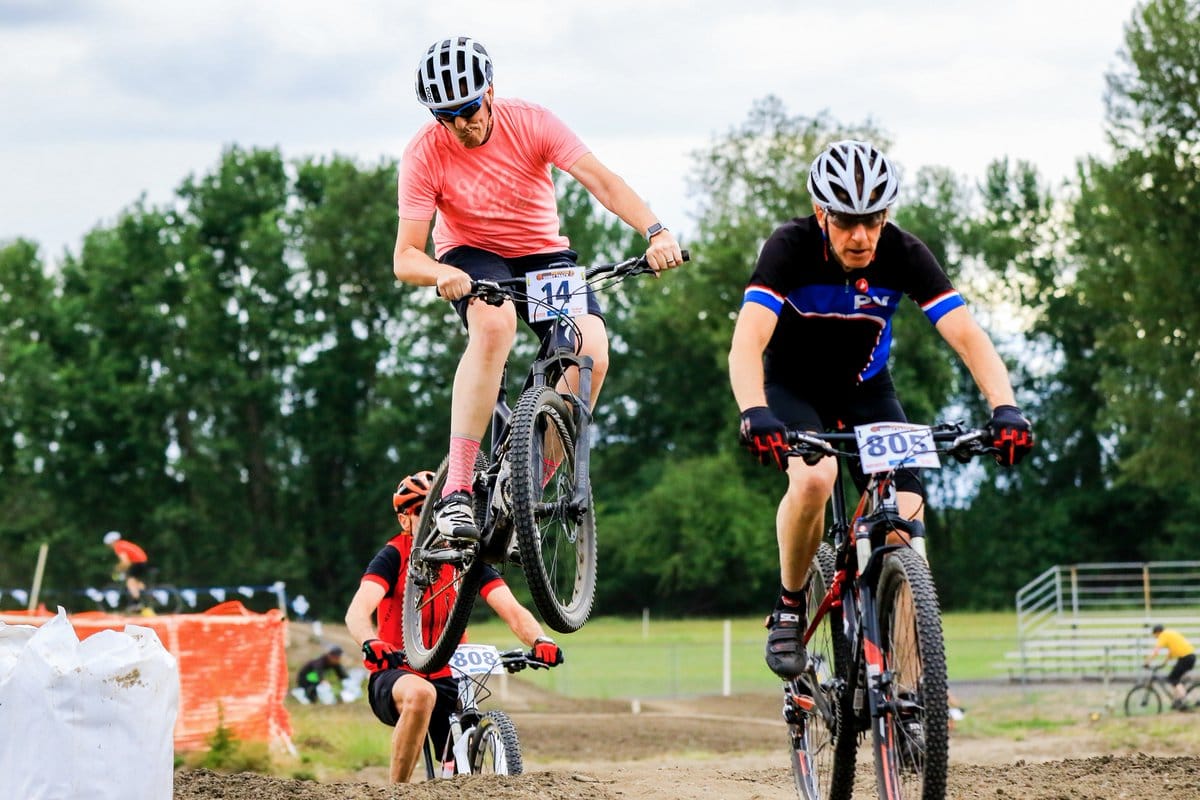
I first learned to ride a bike at age 7 and never stopped. It gave me the freedom to go anywhere and see the world, and that's what I use bikes for. I've regularly competed in bike events since I was twelve, all the way up to last weekend when I raced in a 40mi gravel event. If you ask me how many bikes I currently own I know I sound like an asshole when I say "I dunno, somewhere between 8 and 10ish maybe?" I've collected loads of bikes and parts over the decades and so that tends to happen.
I disliked the concept of e-bikes when I first heard about them like every other bike racer. They seem like "cheating" and the idea seemed silly because why would you let a motor do all the fun of actual bike riding? Eventually I learned the origin story and understood it better (more on that in a bit), but I still couldn't imagine myself owning or even wanting one.
Then one day back in 2019, I was at my local bike shop getting some parts and saw a big rack of city-focused e-bikes all charged and ready for test rides, so I took one out for a 20 minute spin around town. Long story short, I had a smile on my face bigger than any I could remember since I was seven years old doing it without training wheels for the first time. It was liberating and felt safer now that I could keep up with car traffic, it was endlessly fun to have a motor to back up your movements, and I saw how it could open the possibilities of what you could do on a bike. I was instantly converted and bought my first one for running errands around town.
My current stance on e-bikes
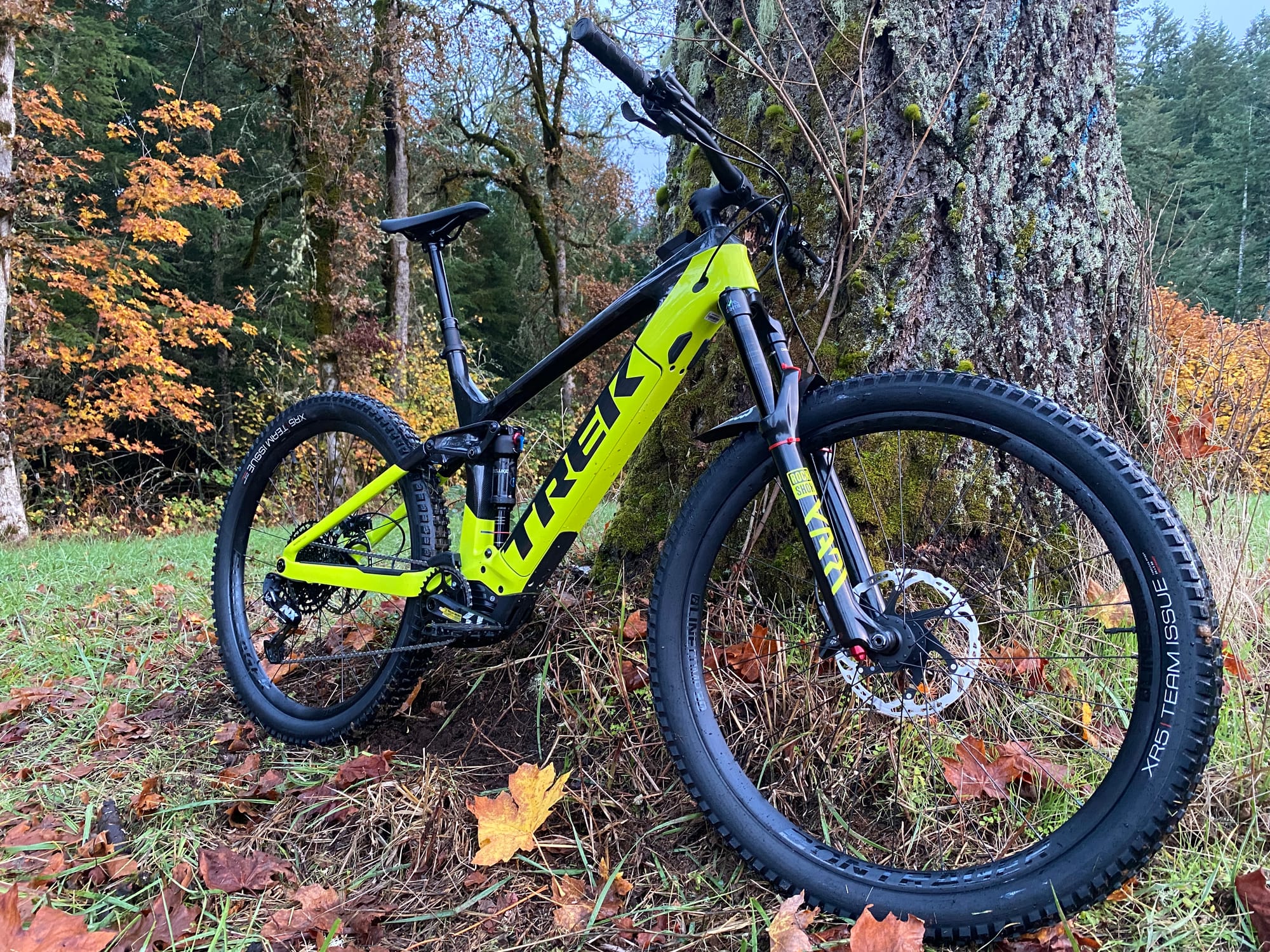
Over the years I've tried all sorts of e-bikes. The kind of e-bikes I own and enjoy are pedal-assisting Class 1 types (top motor speed: 20mph), which is the most mild of the e-bike varieties. They ride like normal bikes and the motor doesn't kick until you're actively pedaling, offering an added push to let you go further and faster. They tend to have about 10 to 20 pounds of additional weight compared to a normal bike.
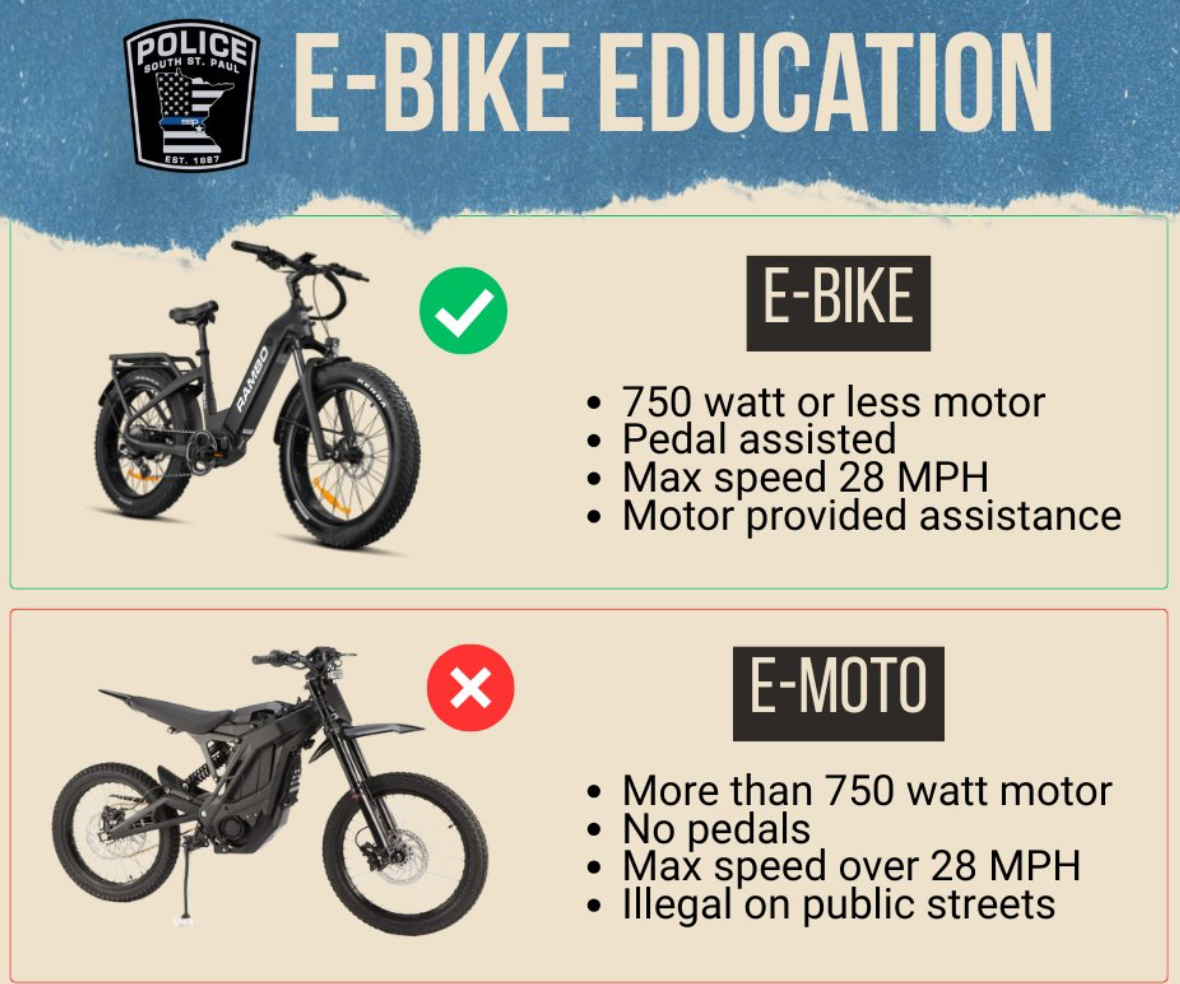
Class 1 e-bikes make up about 50% of bike sales in the US and I'm all for more people getting to enjoy them in more places. I'm less of a fan of Class 2 e-bikes, which are those that use a throttle and don't require pedaling, although they do have a 20mph motor limit. People tend to use Class 2 bikes like mopeds around town. The ones I most dislike the higher powered "e-motos" that come with a throttle and either no pedals or a joke set of sprockets and chains to still be classified loosely as a bike by some regulatory body. They're backed by much larger motors and batteries and are essentially electric motorcycles but are often sold as e-bikes in the marketplace. These are significantly heavier and much faster, sometimes weighing as much as motorcycles, so the chance for injury or damage from impacts is much higher.
The physical abilities angle
The origin story of e-bikes is worth knowing. I remember when they were first developed in The Netherlands, primarily for a specific population. Amsterdam is famous as a place where you can run many short errands on a bike so much so that it's often easier than a car to get around. Middle-aged people there often ride 5-20 miles a day while they go to work, run errands, and ride home, but as people age into their 70s, 80s, and beyond, it's harder to cover that much distance in a day, and that's where the e-bike concept was born. It makes perfect sense for that specific audience as it lets you ride further while also saving effort.
I also have a friend that suffered a serious illness a few years ago, requiring an organ transplant, and they were formerly a competitive cyclist. Thanks to e-bikes, today that friend can hang onto group rides with their old bike racing buddies, because of their e-bike's additional propulsion.
The bottom line: An e-bike is revolutionary for anyone that wants to continue riding a bike and covering distances when some other factor is keeping them from doing that. It's important to know that any kind of a blanket e-bike ban means a small subset of e-bike riders using them as assistive devices will lose their access to the outdoors and exercise.
The safety angle
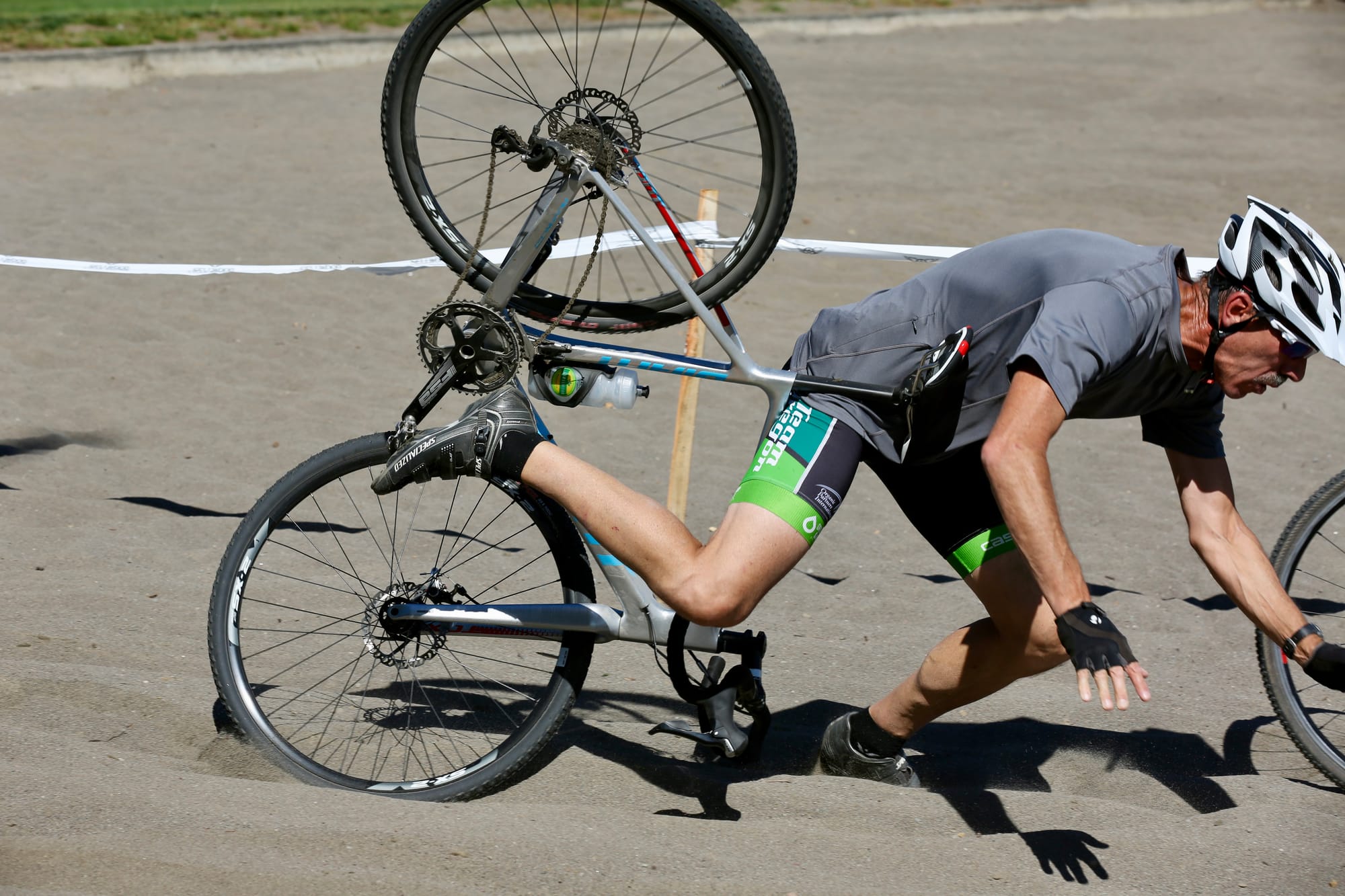
Another obvious issue around e-bikes is that the faster you go on a bike, the more you can get hurt (and hurt others in the process). Bikes handle differently at different speeds and seasoned riders know you put your weight back and slow down any turning when you're flying downhill at high speed, but e-bikes often end up in the hands of newer riders and casual cyclists who ride less often. They might only be used to riding bikes at 10mph but when their bike can now hit 25mph+, bad things can happen. Helmets are way more important for e-bikes and collisions with walkers and hikers are going to happen when people are moving faster.
Lately there's been a rash of stories about tweens and teens getting seriously injured on powerful e-bikes with at least one lawsuit against an e-bike manufacturer brought on by the parents of a child who died in a crash riding one of those e-bikes. To date, most e-bike companies say you should be at least 18 to ride so kids getting hurt isn't their fault, legally speaking.
The bottom line: The safety of riders and people around them is vital to crafting any legislation around e-bikes, but it's really difficult to set the specifics into law that make sense. I do think high powered "e-moto" types of e-bikes should be kept out of the hands of kids and remain off-road use only. But it's tough to justify a blanket e-bike ban on safety concerns when a Class 1 e-bike generally gets to the same speeds as a bike without a motor. Lawmakers often end up trying to craft nuanced rules around which e-bikes are ok versus which are not, but the public often views any bike with a motor an e-bike they'd like to see stopped.
The legal angle
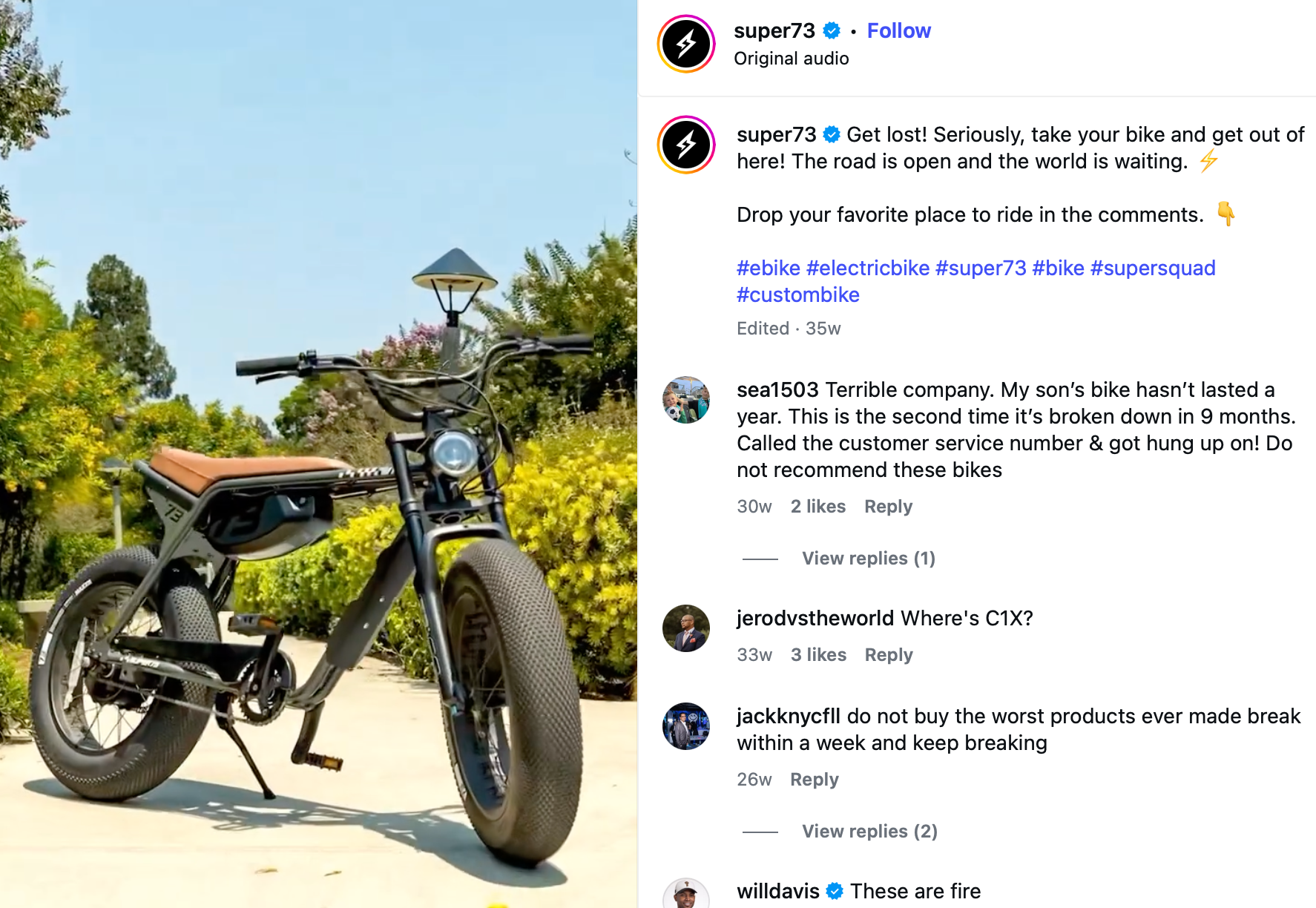
There is lots of confusion around all the varieties of e-bikes and not just in how the general public views e-bikes but even among owners of the bikes themselves. The Class 1, 2, 3, and beyond system I describe isn't totally clear when you walk up to any random e-bike and look at it, or even if you're riding one. Different manufacturers build different features into their e-bikes based on what sells and there isn't a strict process or vetting of which bikes are classified into each class. There isn't even accurate labeling around it! When I look at any random instagram ad I get for an e-bike, speaking as someone that spent years working at bike shops I can't tell you which class of e-bike something is unless I look at a detailed spec sheet of what the bike has on it.
The bottom line: It's incredibly difficult to put up rules or signs banning certain types of bikes when even the riders might not even know what they're riding. It's also tough to train people to enforce e-bike laws because it's usually not clear what power levels, top speeds, or features a specific e-bike has, just based on looking at them.
The trail access angle
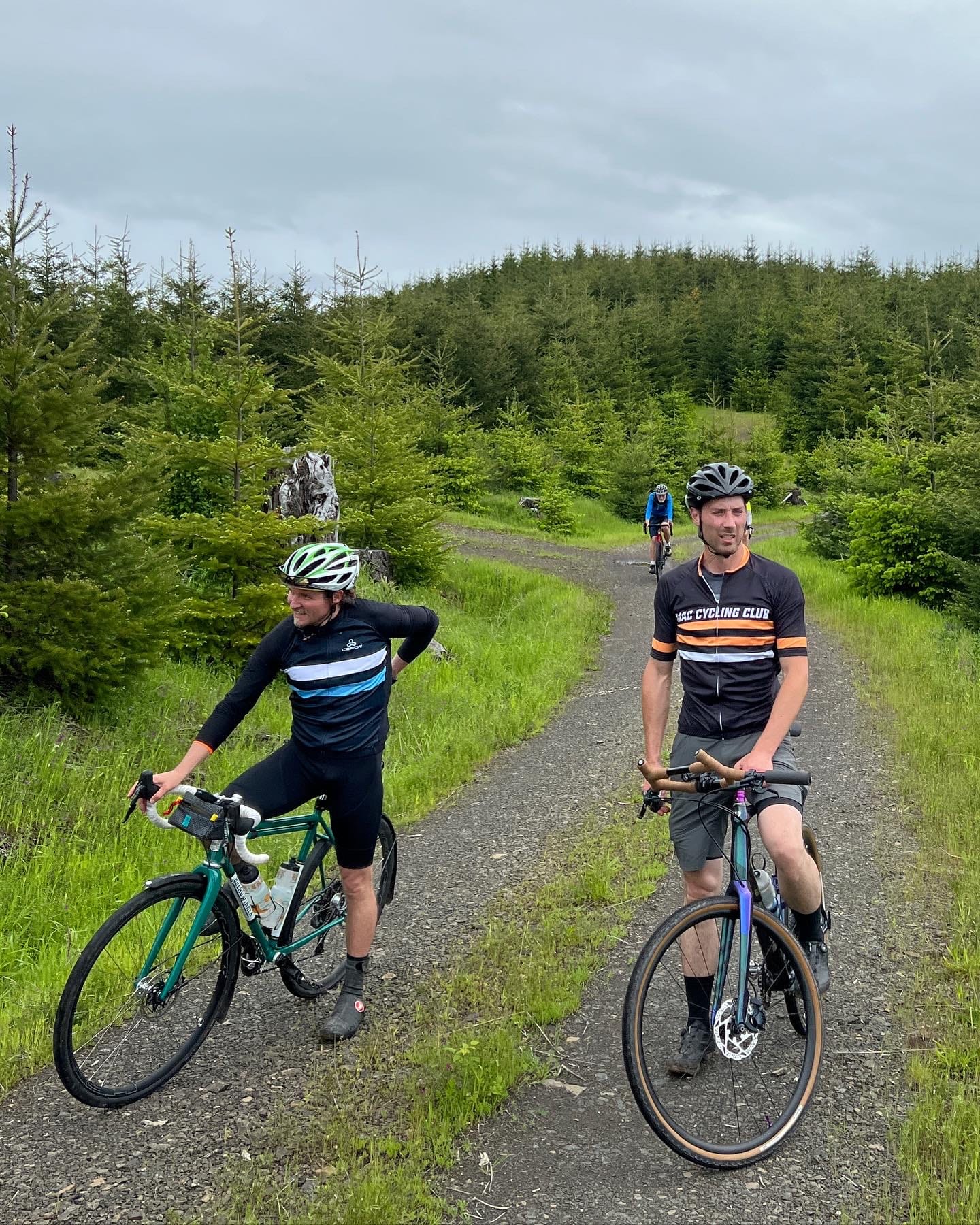
Access to trails is vital, and finding good places to ride anywhere in the US isn't easy. My current favorite MTB trails are located two hours away from me and though they've been around for about a decade, any changes to state or federal funding could close them up instantly. A couple of years ago they allowed Class 1 e-bikes on those same trails, but any sorts of bans could take those away.
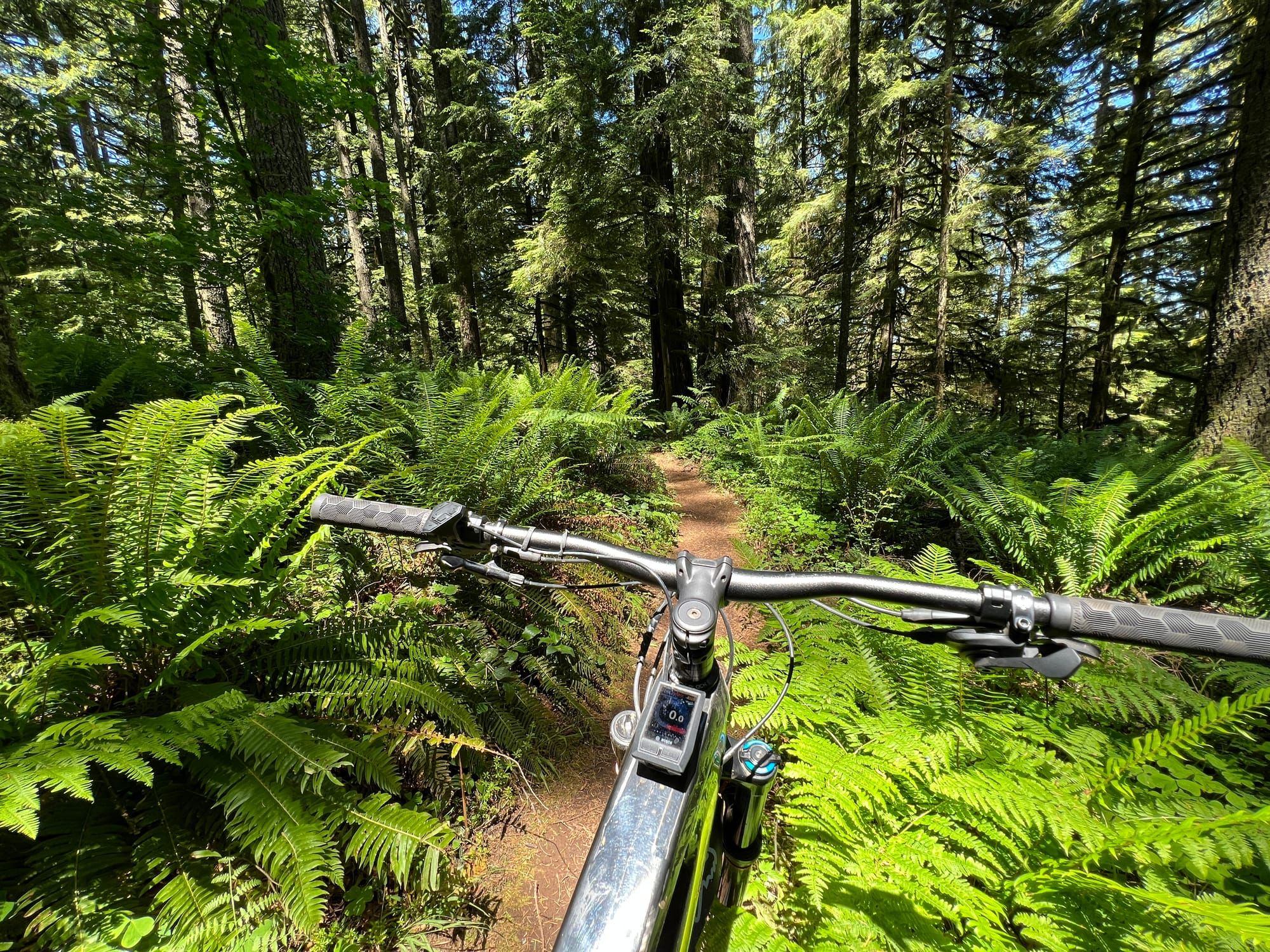
A typical MTB trail system involves driving to a trailhead parking lot, then riding your bike up a long slow climb to the top, where you'll find a variety of downhill trails to get back to where you started. Most places I end up climbing for 45 minutes or so, then enjoying a 10-15 minute quick jaunt back down to the bottom. Usually I do another lap or two, until I feel exhausted.
A Class 1 e-bike makes the long climb up much easier, as you can get to the top of that same trail system in about 15 minutes, then ride down as normal. Instead of being exhausted after a couple laps on a normal mountain bike, an eMTB might let you do 3-4 laps in the same time it'd take you to complete 1 or 2.
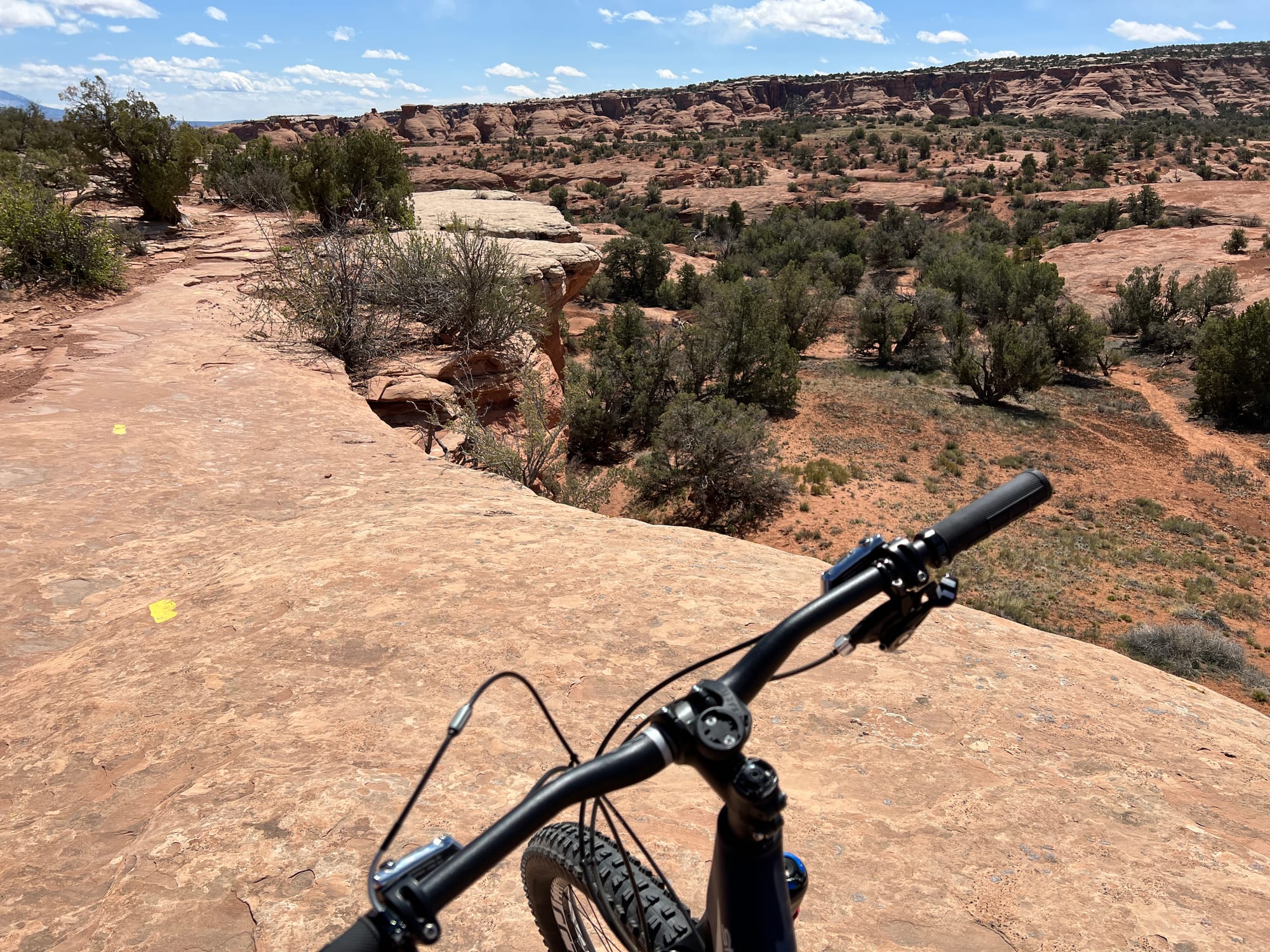
A couple years ago, I rode trails in the Gemini Bridges area of Moab, Utah. At each trailhead there were signs that said all not only were all e-bikes were banned on MTB trails in Moab, but you could be fined thousands of dollars, have your bike confiscated, and risk up to 6 months in jail for your first infraction. I thought that was pretty extreme, so I only brought my regular mountain bike on the trip.
The trails were great fun, but at 6,000' above sea level, after an hour I was close to exhaustion. While I was resting on a ride, I saw an older couple likely in their 70s riding downhill towards me and they looked happy. I noticed their mountain bikes had large downtubes (where batteries are stored on e-bikes) and though they were toying with some pretty steep penalties, those trails were the perfect place and reason to use a mild e-bike on MTB trails.
A lot of organizations that maintain trails want to keep them safe for hikers, walkers, and horse riders so they don't get hit, and they want trails to last year after year. A Class 1 eMTB usually only weighs about 10-15lbs more than a regular MTB, and though people on them might do more laps, I would argue the additional impact on trails from eMTBs is minimal.
But without a blanket ban, you might see more of the e-moto type "bikes" show up and those can be 100-200lb bikes with up to 80 horsepower and larger 3-5" wide tires that can really tear a trail system up because they are basically motorcycles and will have a much larger impact from usage.
The bottom line: Trail access is vital to riders but that access has always been tenuous and can go away at any time, so riders tend to defend their trails. Blanket bans on e-bikes can certainly curtail impacts and dangers of all the various kinds of e-bikes, but my hope is any trail access includes Class 1 e-bikes as they're closer to regular bikes than anything else in the mix of what is generally considered "an e-bike". It's a little nuanced, but I really do hope all MTB trails eventually allow Class 1 e-bikes for all the previously mentioned reasons, while trying to keep the faster/larger bikes/e-motos out.
What's the ultimate solution?
Unfortunately there's no easy way out of this, as here are the competing problems:
- The bike industry is largely unregulated and there's not much oversight or standardization across e-bikes. Even if we wanted consistent labeling on e-bikes, it would be a difficult thing to implement. Any mix of features can end up on any kind of e-bike as there are almost no requirements around most e-bikes.
- People in charge of trails are getting complaints about riders (likely on e-motos) and they can do much more damage to trails that require increased maintenance costs to the trail owners. They're also potentially reaching dangerous speeds and endangering others and that is worth talking about, but a blanket ban, while easier to enforce, goes too far.
- There's a rash of teens and kids getting seriously hurt on high powered, high speed "e-bikes." I see people riding them on streets like real motorcycles but an e-bike has no special licensing process, whereas getting a motorcycle license in Oregon is an expensive, month-long process with hours of classroom training and parking lot testing. There's a lot of lawmaking that would be required to get e-moto "bikes" treated more like motorcycles,
- Implementing a blanket e-bike ban for anything with two wheels and a motor makes enforcement easier, since you don't have to figure out which class an e-bike is part of. Laws that carve out access for Class 1 bikes will need to be nuanced and training will be required for those enforcing any rules.
- Any ban on e-bikes in outdoor spaces is going to restrict people using them for assistive purposes, which likely isn't the goal of any e-bike laws and will be an unfortunate side effect.
Honestly this is a complicated issue on several fronts, but I do believe Class 1 e-bikes to be the safest and most mild variety of motor assist, and should be able to go wherever most bikes can go. But I also see why bikes with a throttle stop being quite like a regular bike and more like something else while larger e-motos shouldn't be considered e-bikes and instead classified as motorcycles.
Hopefully this clears up why it's so hard to make rules around e-bikes, and why some cities are implementing new laws, trying things out to curtail the bad effects of e-bikes while still allowing for some e-bikes.