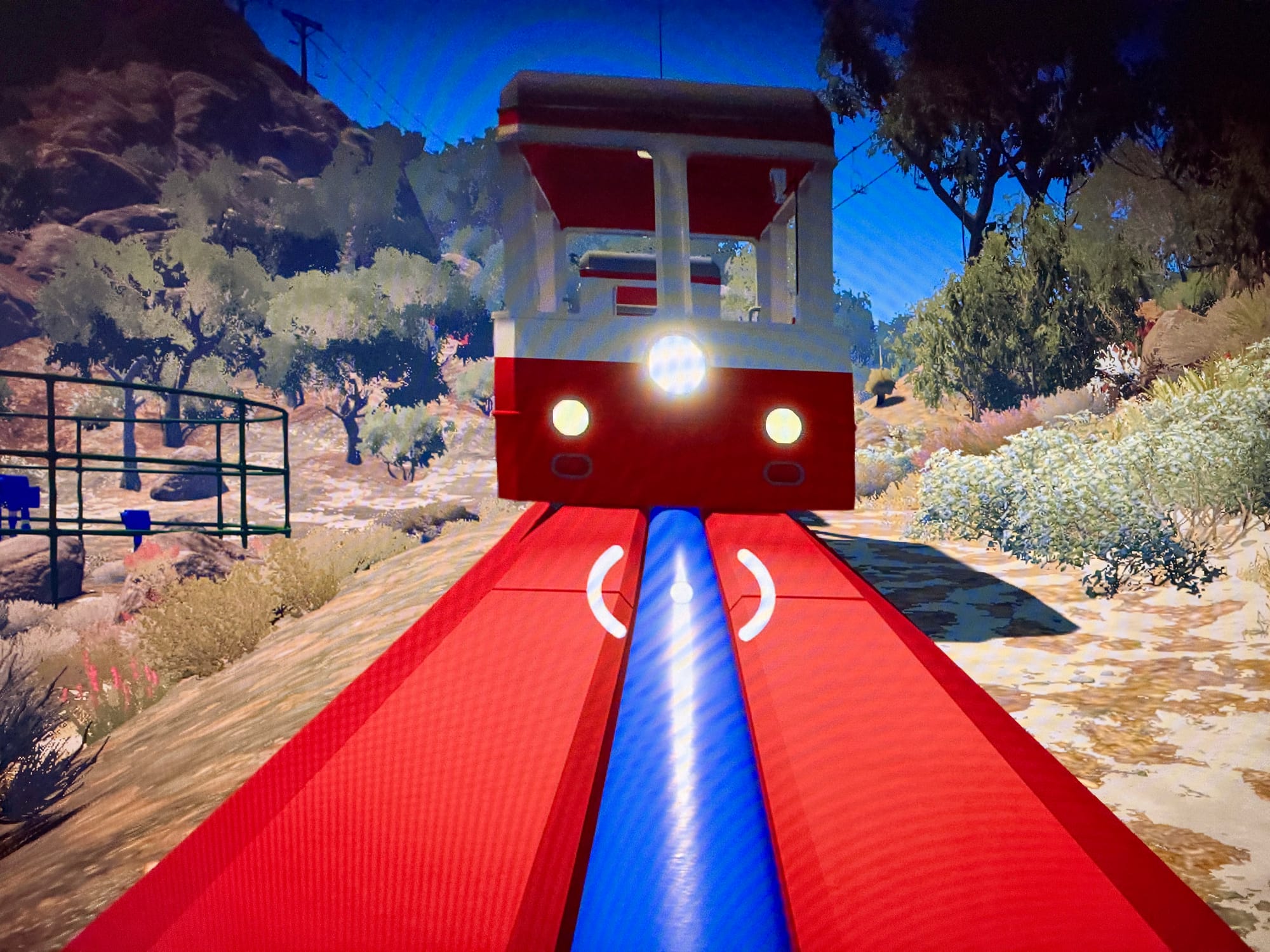
Big Walk game review

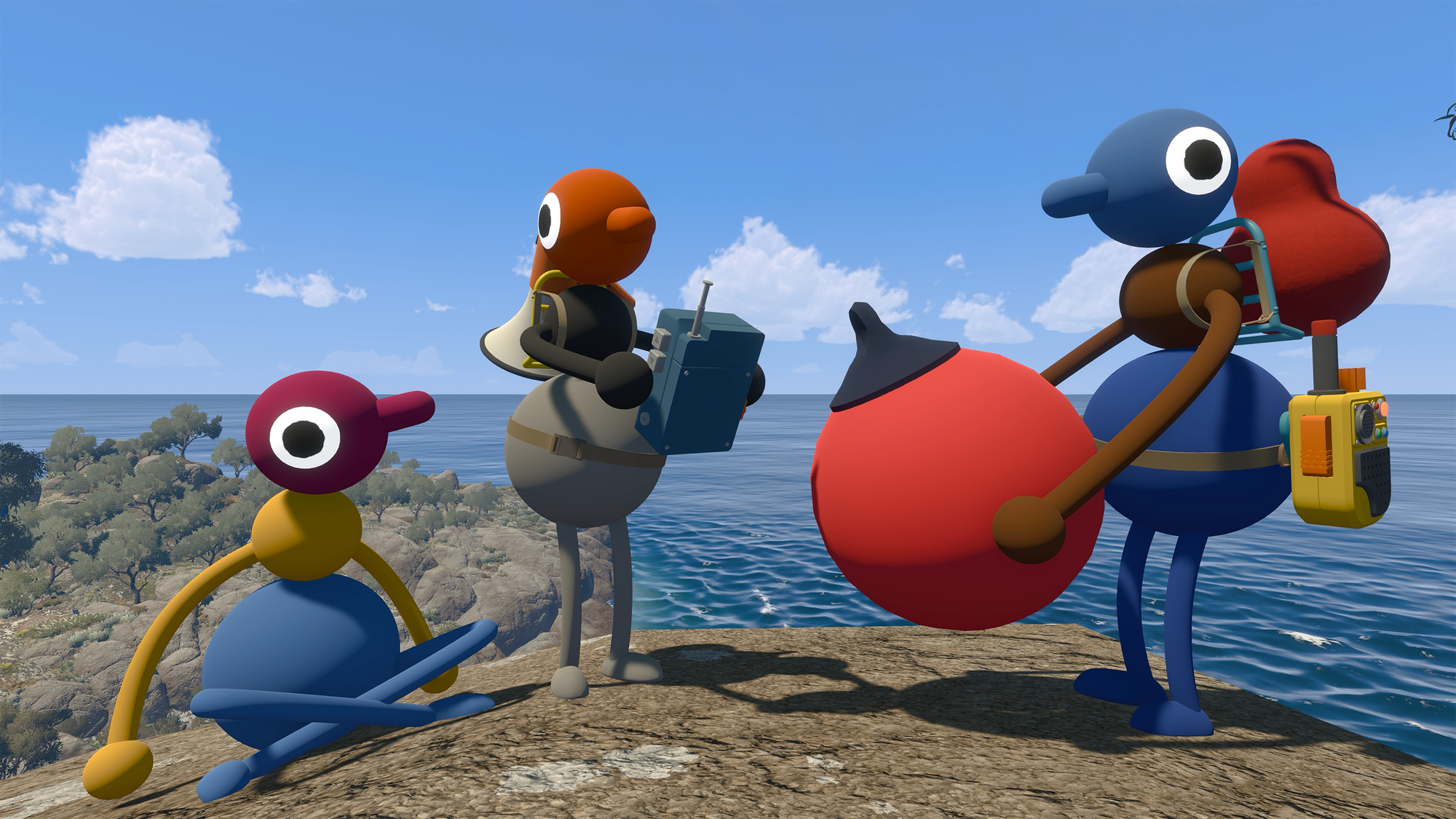
Nearly a month ago, Big Walk debuted and I wrote a quick post after having only played a beta version of it for an hour with a small group. Since then, I've played the game in a variety of groups, from just two to five people in total, and yesterday I made it to the end, and wanted to post a few thoughts. I'll try not to post any spoilers and only mention aspects of the game anyone would pick up from the first day playing it.
Group dynamics
The hardest part of the game, by far, is scheduling time to play with other people as it was intended. This is especially hard with other middle-aged folks like me where free time is short, and you have lots of work and family obligations. I imagine if I was a teen, this game would be easy-peasy to play after school with friends.
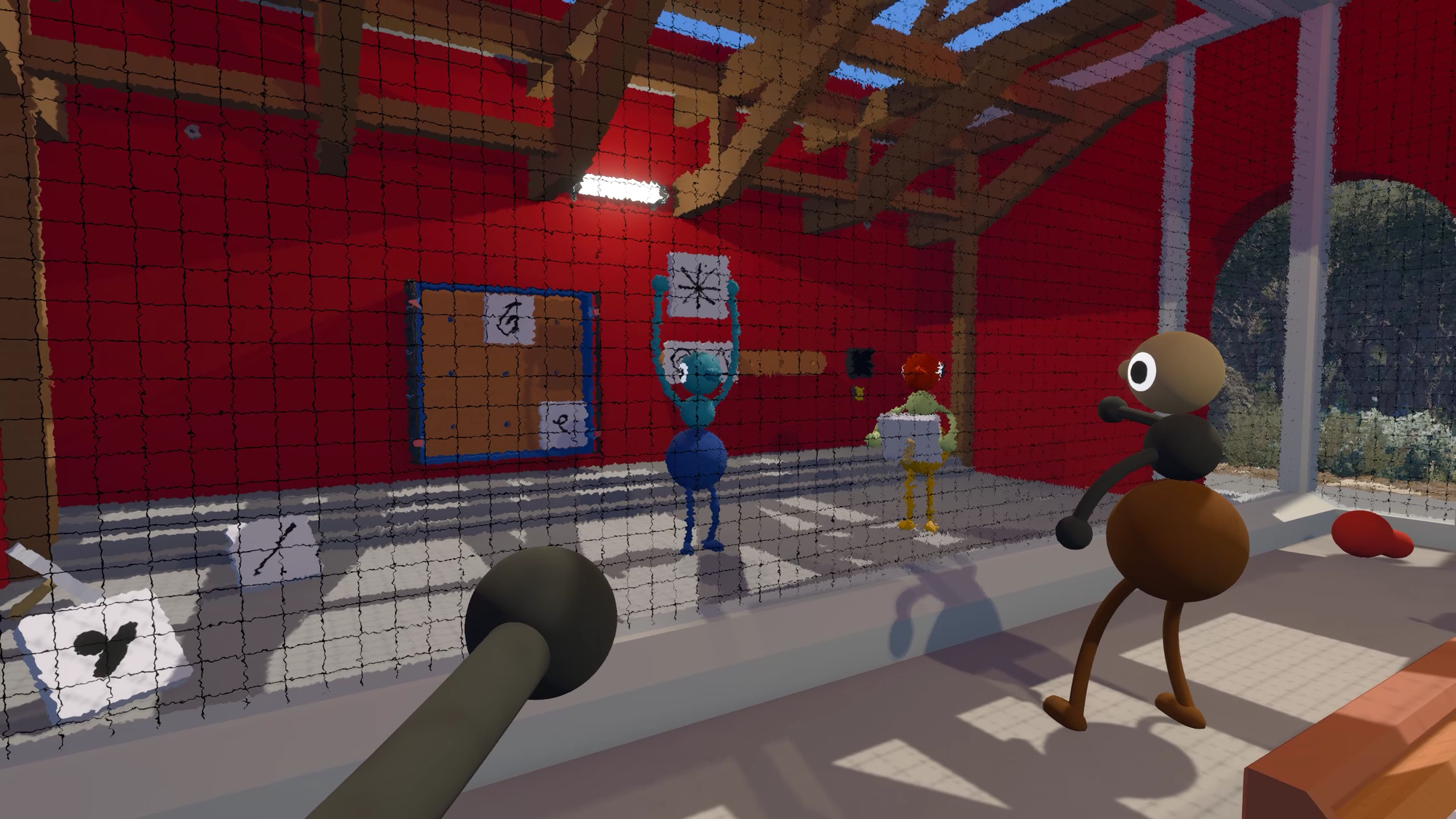
One of the cool aspects is that the challenges inside the game scale to whatever number of people you have. So if you're playing with four, the games might do stuff that requires two groups of two, or all four working with each other to do something at the exact same time. If you try the challenge with just two people, there might be a speaker and a transmitter nearby to let you talk to each other over distances so you can solve something without a third person running between you.
Game design
As I've gotten older, I've been fascinated by game design, or how game creators tweak with the common formulas around games and challenges.
This game mostly relies on audio and proximity to communicate with others, and if you're not extremely careful, you will lose people running from one spot in the game to another constantly, so you start coming up with contingency plans using the tools available. It really brought out the middle-aged dad aspects as we'd frequently have little meetings in the game to figure out where we were going next, what we were trying to do, and what to do if things went wrong. It was like a day at Disneyland with kids, all the time. Despite how that may sound, it is a fun dynamic that forces you to stick together as a group, but when you do lose someone, part of the fun is finding those lost souls later on.
The other big mechanic in the game is that there's no on-screen map. I didn't realize it until I was nearly done with the game but pretty much every kind of game I can think of that I like playing gives you a small schematic of your location and direction at all times in a lower corner of the screen. This game has none of that. You can visit a map in one location but you sorta have to memorize aspects of it or remember what points of interest are nearby something you want to discover later on to get your bearings in the game. It's easy to get lost but also you get rewarded for wandering.
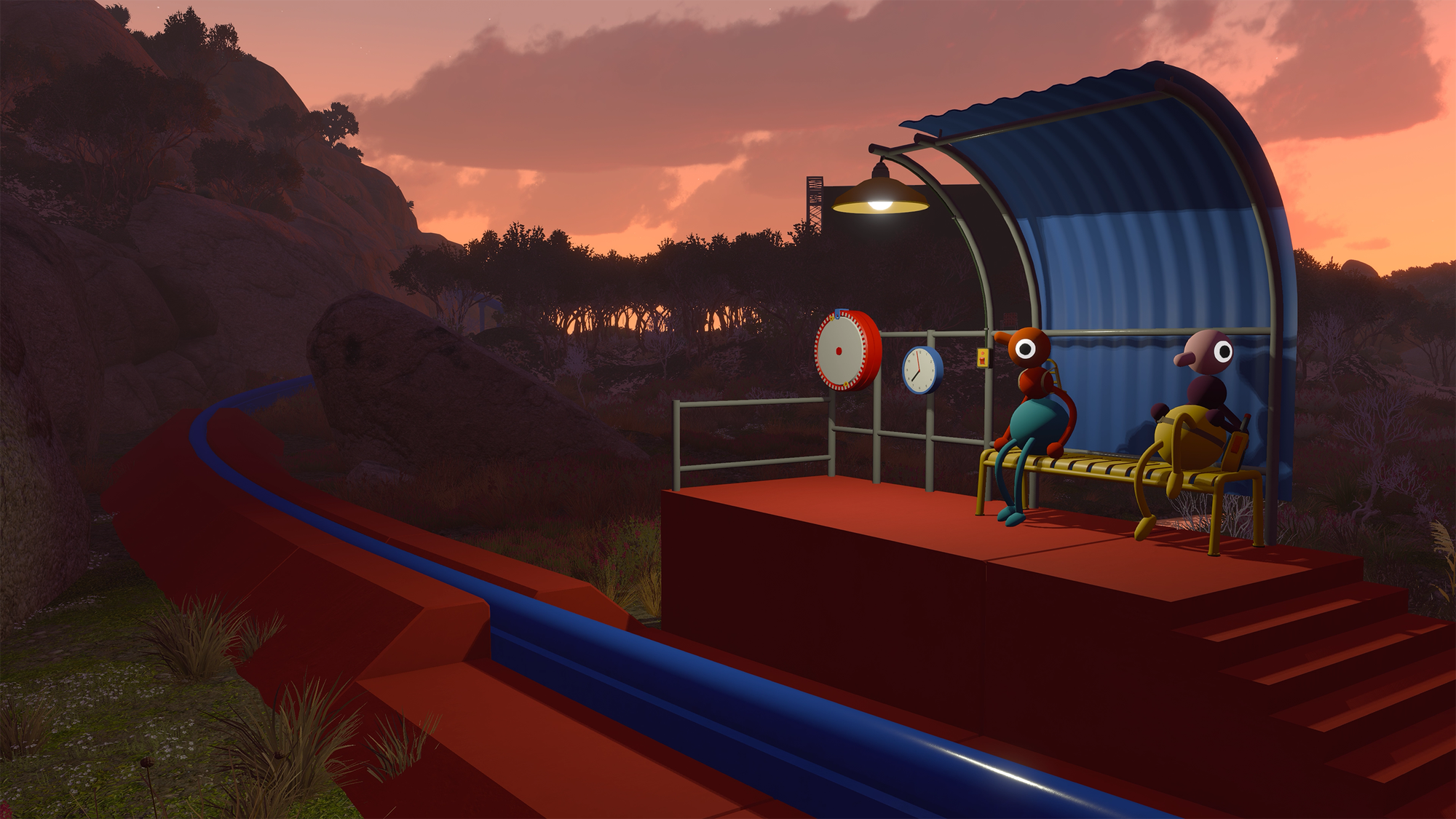
There's a daytime/nighttime cycle that adds complexity and difficulty to your group, but that just means more planning on how to get around any limitations that come from it.
The puzzles in the game do a great job teaching you how to be increasingly dexterous with the few moves you have. The puzzles start easy, then get more difficult, to the point near the end you're usually figuring out how to get a group of people to communicate with each other when they can't see, hear, or sometimes even both of those things.
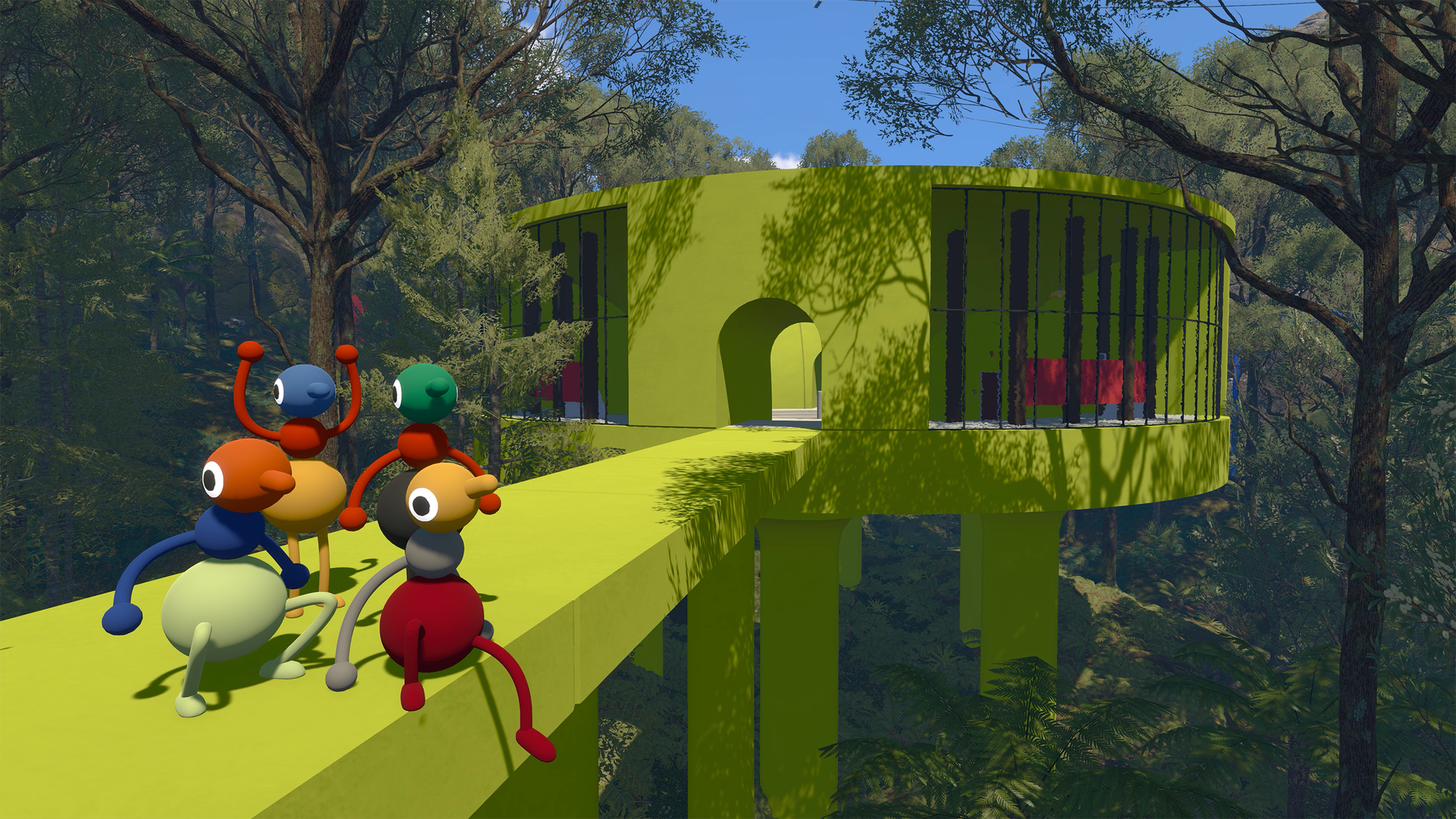
There's a wonderful bit of learning to communicate via gestures using your little onscreen guy, as lots of puzzles remove audio entirely, forcing your group to come up with a system of body positions to tell others which mystery item to pick. It's fun experiencing in real-time how a group of people kind of invent a new language to talk to each other, all to solve a puzzle in front of them.
The best way to play
Having played it through with just 2 people, then larger groups, I will say it's way more fun the more people you have. Each time you encounter a new puzzle challenge, having more players means better brainstorming for how to solve something. The challenges scale up as I said, and now that I've done most of them, doing them with just two people removes a lot complexity that I found more fun later on when I replayed a level with a larger group.
There is an urge to cheat when you hit the wall as a group. Sometimes, if you could just text a photo of what you see on your screen to someone else, you could finish a puzzle in seconds, but it really was satisfying to have people more ethical than me in my groups that insisted we figure everything out without touching our phones or calling each other up or yelling outside of our headphones for them to hear. I would love to see an academic paper someday on how people choose to cheat in this game, how rampant the bending of the rules are, and what ethical boundaries most players draw for themselves.
Bottom line: hella fun, and somewhat repayable
It's a great game that only costs $20, and feels like a good value for what it is: a somewhat reasonably sized yet well-designed game from an indie studio. It takes about 10-12 hours of game play to complete the main mission of the game and I usually did it in 1 hour sessions at night before bed, over a series of days and weeks. If it was a $60 AAA studio game with multiple island levels, I think it'd get old pretty quick, or feel too daunting to tackle.
I've played with three different groups of people and I can say even when I've done many of the puzzles, redoing them with a larger group a week or two later, they feel new. Aspects of the puzzles change between groups, but also I forget what each one required of the group to solve. Different groups also tend to come up with different solutions each time they tackle something. I did have to bite my tongue a few times to not spoil an ending or solution, to let friends play it out and figure things out themselves, as no one loves a person dropping spoilers that rob others of the enjoyment of discovery.
I can see that taking the game to 100% complete will be another 8-10 hours to truly nail, and it's something I might do in a small group to see if it's possible.
The game truly felt original with some new aspects I've never seen in other games, and I know they worked on it for years but I can't wait to see what else the game studio House House comes up with next.